Refresh textiles with a lint remover
Lint is a common part of everyday textile use. Over time, it can make clothing, rugs and other fabric surfaces look worn or tired. This category brings together lint rollers and lint removers that help improve the look of different textiles around the home. If you are comparing options, it helps to begin with the type of task you want to handle. Some products are better suited to quick touch-ups on clothing, while others are more practical for larger surfaces such as sofas and other upholstered furniture.
On this page, you can explore two main types: electric lint removers and manual lint rollers. Looking at the category this way makes it easier to narrow down your choice based on use, surface size and how you prefer to remove lint in everyday situations.
Electric lint remover
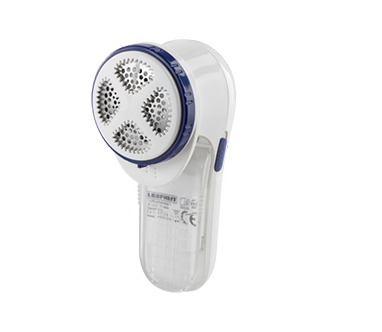
An electric lint remover is a practical option when you want to work quickly across larger textile surfaces. As the battery-powered remover is guided over the fabric, it cuts away lint and collects it automatically in a container that is easy to empty afterwards. This makes it a useful tool when you want a more thorough pass over a larger area rather than a quick surface clean.
Some versions include a spacer. This helps create a more even result when treating broad surfaces, and it can be adjusted to the level you want. If you are comparing electric models, details like this can help you decide which version best matches the way you plan to use it.
You will also find models from brands including Zone Denmark and Leifheit within the range.
Manual lint roller
A manual lint roller is a familiar choice for many people because it offers a quick way to remove hair and lint from clothing. It is especially useful for smaller everyday tasks, when you want to freshen up a blazer, dress, jumper or similar item without bringing out a larger tool. In everyday use, this type of product is often chosen for convenience and speed.
When the roller stops sticking, you simply remove the outer paper layer and it is ready to use again. That simple format also makes it easy to compare different lint rollers in the category if you are looking for a straightforward solution for regular use.
Among the manual lint rollers, you will find a version from Zone Denmark, known for a minimalist look and clean lines. A lint roller can also be kept as part of the bathroom or hallway setup, ready when clothing needs a quick final touch before you leave home.
If you are also looking after the overall appearance of your wardrobe, you can continue to related categories such as steamers, irons and ironing boards for creases, while this page focuses specifically on lint and loose fibres.
Which lint remover is the best choice for me?
The best choice depends on your needs. A practical way to decide is to think about the textiles you use most often and the kinds of surfaces you want to maintain. Are you looking for a more powerful solution for many textile surfaces around the home, or do you mainly need a neat and simple lint roller for smaller cleaning tasks or for use on the go?
Electric lint removers are well suited to larger tasks, while manual lint rollers are ideal for day-to-day use. When browsing the category, many users start with this broad distinction and then move on to the more specific details that matter for their own routine.
If you typically work with sofas, cushions, rugs or several items in one session, an electric lint remover can be the more practical place to start. If you mainly want to remove visible lint or hair from clothing as needed, a manual lint roller is often the easier option to compare first.
How does lint form?
Lint consists of loose fibres that gather together. It comes from clothing and textiles, especially when fabrics rub against each other. This often happens in the washing machine or on fabric-covered furniture such as a sofa. Wool and cotton are two textile types that often produce a lot of lint.
Each time you move or wash your clothes, lint can form. Understanding this makes it easier to choose the right product in the category, because the issue is not limited to one room or one type of textile. Clothing, soft furnishings and upholstered surfaces can all need attention from time to time.
How do you use a lint remover?
An electric lint remover is easy to use. Electric models are battery-powered and can be set to a level that helps give an even result. The remover cuts lint away from the textile surface so the fabric looks refreshed again. If you are comparing tools for repeated use on several textile types, this is often the feature set that makes electric models stand out within the category.
Manual lint rollers are even simpler to use. You roll them over the fabric surface to lift away lint and hair. They are often the first choice for quick and direct use on clothing, especially when there is only a small area to deal with.
How do you remove lint from a wool jumper?
Wool jumpers benefit from a little extra care. When choosing a lint remover for wool, it is important to look for an option that is gentle enough for delicate fibres. In some situations, a manual lint roller can also make a visible difference if there is hair or similar debris on the jumper.
When shopping in this category, this is where it helps to think not only about speed, but also about the textile itself. If the garment is delicate, many users compare the gentleness of the solution first and then consider whether they need an electric remover or a simpler roller.
How do you remove lint from a sofa?
If your sofa is covered in fabric, removing lint can help maintain its appearance. An electric lint remover is especially suitable for larger surfaces such as sofas. You move it across the fabric surface so the lint is removed more easily across the whole area.
For most situations, this is the point where the difference between the two product types becomes clearest. A manual lint roller can be useful for smaller areas or a quick pass, but for broad furniture surfaces an electric model is often the easier category to compare first.
A lint remover is also a gentle way to maintain a fabric sofa so it continues to look neat over time.
Explore lint removers and related bathroom categories
If you want to improve the look of clothing and textiles at home, this category gives you a clear overview of the main options. You can start with the broad choice between electric and manual models, then compare how each type fits the surfaces you want to treat and how often you expect to use it.
For a wider overview, you can also explore bathroom accessories and continue to other bathroom items if you want to see how this category sits within the wider range.
If you are browsing nearby categories for practical home organisation and maintenance, you can also look at bathroom storage, towel racks and shower squeegees. These categories are natural next steps when you are exploring more of the bathroom range alongside lint removers.
Frequently asked questions
What is the difference between an electric lint remover and a manual lint roller?
An electric lint remover is designed for larger textile surfaces and cuts away lint while collecting it in a container. A manual lint roller lifts lint and hair from the surface with sticky paper. In everyday use, this means that electric models are often more practical for sofas or rugs, while rollers are easier for quick touch-ups on clothing.
How do I choose the right lint remover for my needs?
A useful starting point is to think about the textiles you want to treat and how large the surface area is. Electric lint removers are better suited to larger jobs, while manual lint rollers are often chosen for smaller, regular tasks. This makes it easier to narrow your options based on whether you need a tool for home textiles or a simple solution for clothing.
When is an electric lint remover the better choice?
An electric lint remover is often the better choice when you want to work across broader fabric surfaces such as sofas, cushions or rugs. It removes lint as you guide it over the textile and collects the fibres in a container afterwards. In practice, this helps you handle several items or a larger area in one session more easily.
When should I use a manual lint roller instead?
A manual lint roller is especially useful for smaller everyday tasks, such as removing visible lint or hair from a jumper, blazer or dress. When the sticky surface is used up, you remove the outer paper layer and continue with a fresh one. This makes it easier to keep it ready for quick use at home or before leaving the house.
How does lint form on clothes and textiles?
Lint is made up of loose fibres that gather together when textiles rub against each other. This often happens during washing or from everyday contact on clothing and upholstered furniture. In everyday use, this means that both garments and fabric-covered surfaces can gradually start to look less neat.
How do you use a lint remover?
An electric lint remover is moved over the fabric so it can cut away lint from the surface, and some models can be adjusted for a more even result. A manual lint roller is simply rolled over the textile to lift away lint and hair. In practice, this helps you choose between a more thorough option for larger areas and a quicker one for smaller touch-ups.
What should I use on a wool jumper?
A wool jumper needs a gentler approach, so it helps to focus on whether the product is suitable for delicate fibres. A manual lint roller can also help if the main issue is hair or light surface debris. This makes it easier to choose based not only on speed, but also on the type of fabric you want to maintain.
What works best for removing lint from a sofa?
For a fabric sofa, an electric lint remover is especially suitable because it is easier to guide across a larger surface. A manual lint roller can still be useful for a smaller area or a quick pass. In everyday use, this means that the size of the surface often decides which option is more practical.