
Serve homemade ravioli to your guests
Homemade ravioli is a dish that naturally brings people together around the table. Filled pasta has a special place in Italian cooking, where pasta is wrapped around fillings such as ricotta and spinach, meat or mushrooms. The appeal lies partly in the taste and partly in the flexibility, because both the shape and the filling can be adapted to the meal you want to make.
If you are thinking about making ravioli at home, the right equipment helps make the process easier to manage. Many shoppers start by looking at the overall category and then narrow their choice by considering how they want to shape and seal their pasta. Some prefer classic, even ravioli, while others want more freedom to create their own forms.
What is ravioli?
Ravioli is filled pasta from Italy, most often made by sealing a filling between two layers of pasta. It can be square or round, and the final result depends on both the shape you choose and the filling you place inside. That freedom is one reason ravioli remains such a popular cooking project.
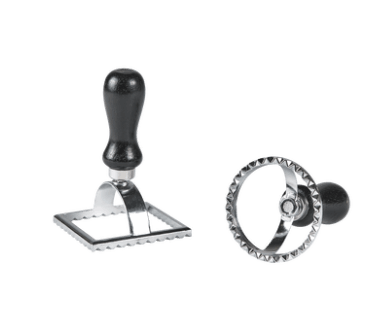
When browsing ravioli equipment, a practical way to choose is to start with the finished look you want. If you prefer neat, uniform pieces, cutters can help you create a consistent size. If you want more variation, other tools can give you greater control over your own shapes and edges.
How to get started with homemade ravioli
Starting a new kitchen project can feel like a lot at first, but it becomes more straightforward when you use tools designed for the task. If you are wondering what equipment you need for homemade ravioli, it helps to think of the process in stages: making the dough, rolling it out, cutting it, filling it and sealing it.
The first step is to make or prepare fresh pasta dough. That is easier to handle when the dough is rolled to an even thickness. If you want to explore more tools for this part of the process, you can start in our wider kitchen utensils range and then continue to our pizza and pasta utensils category, where you can see related products for homemade pasta projects.
How to make ravioli from fresh pasta dough
The dough can be made from Tipo 00 flour or pasta flour, egg, a little olive oil and a pinch of salt. First, measure the flour carefully, gather it on the worktop and make a well in the middle. Add the egg, salt and olive oil, then work everything together by hand until the dough is smooth and even.
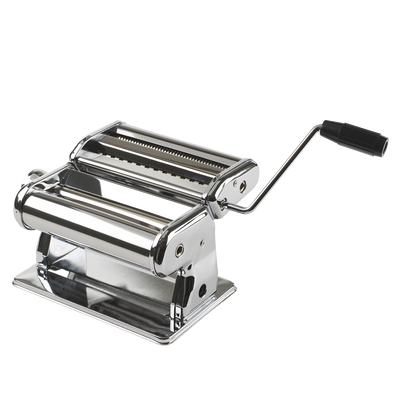
Once the dough has a soft texture that is neither wet nor dry, shape it into a ball and leave it to chill for about an hour before rolling it out. You can do this with a pasta machine or a rolling pin. When the dough reaches the thickness you want, cut it into pieces that suit the size of ravioli you plan to make. It is worth remembering that pasta expands during cooking, so the pieces should be slightly smaller than many people first expect.
Fresh pasta can stick both to itself and to the work surface, so flouring the surface well is useful. Then place a small amount of filling in the centre of one pasta sheet, cover it with another and press around the edges to seal. Try to remove as much air as possible before closing each piece. The edges can be pressed decoratively with a fork or a similar utensil. The cooking time depends on thickness, but for a standard thickness, 3 to 4 minutes is usually enough.
Inspiration for shapes and fillings
Shape and filling are where ravioli becomes especially personal. The equipment in this category is useful when you want to give each piece a defined form and a manageable size. For many shoppers, this is also the stage where comparison becomes easier. Some tools help you make classic, regular ravioli, while others are better if you want to experiment more freely.
Among the most classic ravioli shapes are square, round, half-moon and heart-shaped ravioli. If you want a more traditional look, choosing a tool that creates even pieces can be a helpful starting point. If you enjoy a more creative approach, tools that allow you to form your own outline may suit you better.
The filling is entirely up to you, but there are a few common directions many people use as inspiration. Cheese is often chosen for creamy ravioli, especially varieties that are soft or melt within the short cooking time. Seasonal vegetables are another natural source of ideas, such as pumpkin in winter, mushrooms in autumn, spinach in spring and fresh herbs in summer. You can also use ravioli as a way to reinterpret a favourite dish by turning familiar flavours into a filling.
What can you serve with ravioli?
The filling gives ravioli its character, but the garnish or accompaniment matters too. Some of the most classic options are browned butter with fresh sage and homemade basil pesto. Both are often used to complement filled pasta without overpowering it.
Soup can also be a good match. For meals linked to celebrations, ravioli can be served in a soup such as lobster bisque, where the filling can reflect the flavours in the dish itself. You can also make a sauce that works with the filling you have chosen. In everyday use, this is often the easiest way to build a complete dish around the pasta.
When comparing ravioli tools, it can help to think about the kind of serving you have in mind. If you want ravioli for soup, smaller and more compact shapes may be useful. If you want the pasta to stand on its own with butter, pesto or sauce, a slightly larger format may be the better choice.
What is the difference between ravioli and tortellini?
Ravioli and tortellini are both filled pastas, and at first glance they can seem similar. The main differences are shape and size. Ravioli is usually larger, while tortellini is folded so the ends meet in a ring-like form.
That folding method makes tortellini a little more demanding to shape, while ravioli is often simpler to begin with when you are making filled pasta at home. In terms of flavour, they can be quite similar, because much depends on the filling rather than the form itself.
Find tools for homemade ravioli at Kitchen Living Dining
Ravioli is an engaging kitchen project because it leaves room for both precision and creativity. Some shoppers arrive on this page already knowing they want cutters or shaping tools, while others begin more broadly and compare the different parts of a pasta setup before choosing. That is why it can be useful to move between categories as you refine your decision.
If you want to explore related products for homemade pasta and pizza, you can view the full selection in our pizza and pasta utensils category. If your cooking projects also include pizza, you can continue to pizza stones and paddles for handling and baking, or look at pizza cutters for clean slicing once the pizza is ready.
For most situations, the easiest way to choose ravioli equipment is to decide how much guidance you want from the tool itself. If you want uniform size and shape, look for tools that help standardise the result. If you prefer more freedom in the final appearance, choose equipment that gives you room to shape the pasta more individually. Either way, this category helps you compare the options for making homemade ravioli in a way that suits your cooking style.
Frequently asked questions
What equipment do I need to get started with homemade ravioli?
It helps to think about ravioli in stages: making the dough, rolling it out, cutting it, filling it and sealing it. In practice, this helps you choose tools based on the part of the process you want to make easier, such as rolling the dough evenly or shaping consistent pieces.
How do I choose between different types of ravioli equipment?
A useful starting point is to decide what finished look you want. If you prefer neat, uniform ravioli, cutters and shaping tools can help create an even size, while more open-ended tools give you greater freedom to form your own shapes and edges.
What is the difference between ravioli and tortellini?
The main difference is shape and size. Ravioli is usually larger, while tortellini is folded so the ends meet in a ring-like form, and in everyday use this means tortellini can be a little more demanding to shape by hand.
How do you make ravioli from fresh pasta dough?
The dough can be made from Tipo 00 flour or pasta flour, egg, a little olive oil and a pinch of salt, then mixed until smooth and chilled before rolling. In practice, this helps you work with dough that is easier to handle, and once rolled out you add filling, cover with another sheet and press the edges to seal.
Why is it important to remove air when sealing ravioli?
The category text advises pressing out as much air as possible before closing each piece. This makes it easier to seal the edges properly and gives you a more controlled final shape when the ravioli is cooked.
What size and shape of ravioli should I choose?
The choice depends on how you plan to serve the ravioli. In everyday use, this means smaller, compact shapes can work well for soup, while slightly larger ravioli may suit serving with butter, pesto or sauce.
What fillings and serving ideas work well with ravioli?
Common fillings mentioned in the text include ricotta and spinach, meat, mushrooms, cheese and seasonal vegetables such as pumpkin or spinach. In practice, this helps you build a dish around the filling, then serve it with simple accompaniments like browned butter with sage, basil pesto or a sauce that matches the flavours.
How can I narrow down the right ravioli equipment on a webshop?
A practical approach is to begin with the wider ravioli equipment selection and then compare narrower options based on whether you want more guidance from the tool or more flexibility in shaping. This makes it easier to focus on equipment that matches your cooking style and the type of ravioli you want to make.