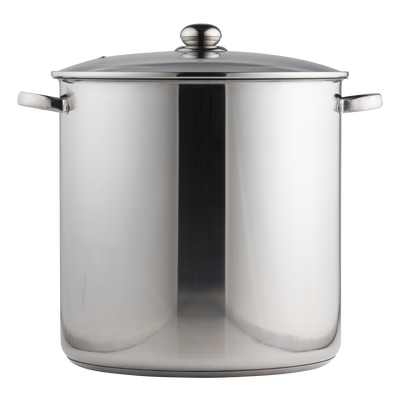
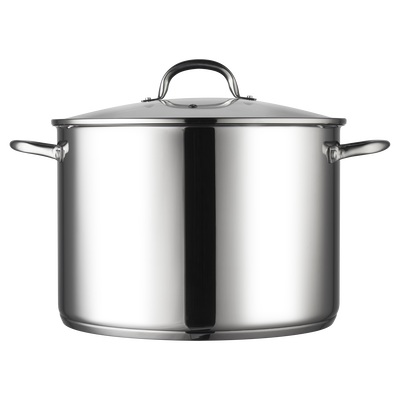
Pots

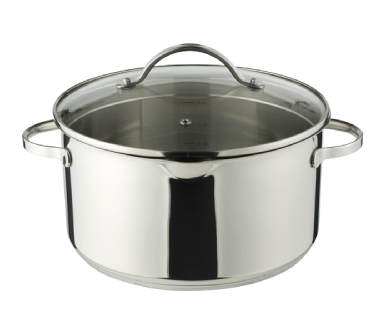
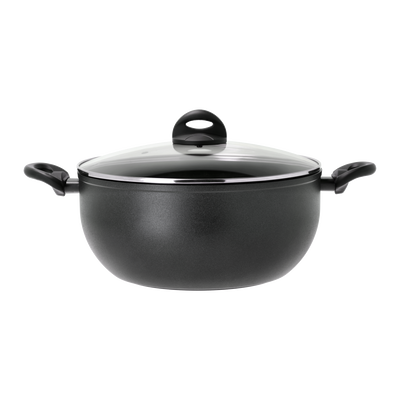
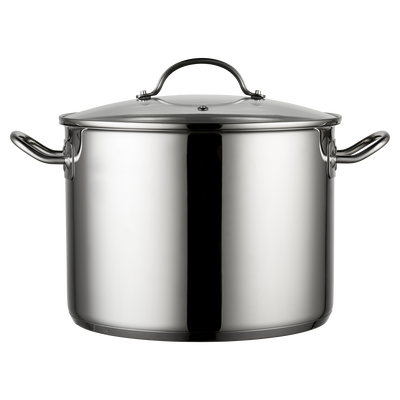
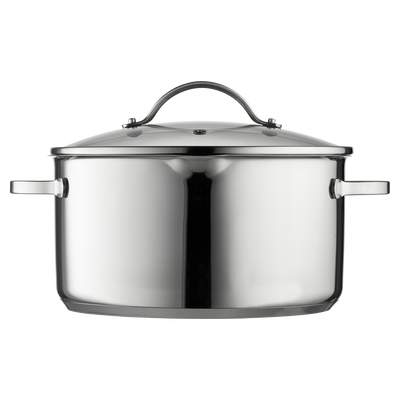
Pots are an essential part of any kitchen, whether you are preparing an everyday meal or cooking for guests. Here you will find pots in different sizes, styles and materials for a wide range of cooking tasks and hob types. This category makes it easier to compare your options, from everyday pots to more specific choices, so you can find the right pot for the way you cook.
Pots
12 Results
12 Results
12 Results
Filter

Brand

Colour

In stock online?

Price

Type

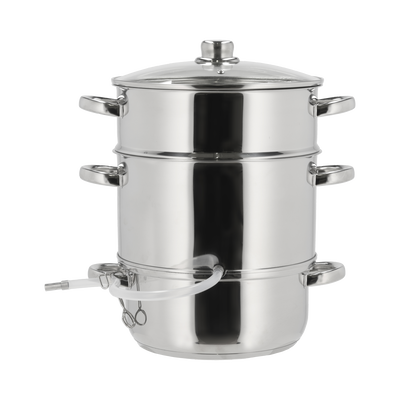
Endurance Steamer pan

Ceramica Casserole

Pressure cooker

Casserole

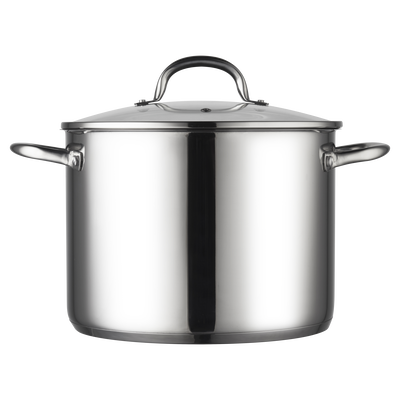
Stock pot

Stock pot

Price € 64,95    
Stock pot

Casserole

Stock pot

Price € 69,95    
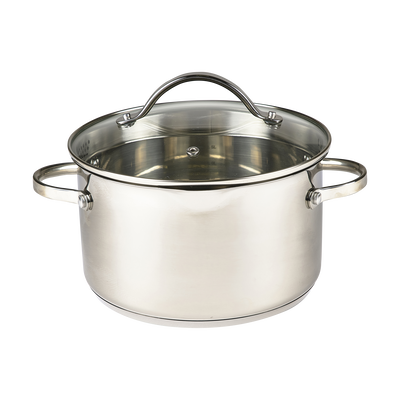
Ceramica Pot with glass lid

Save 30%

Price € 31,46 Before € 44,95
Stock pot

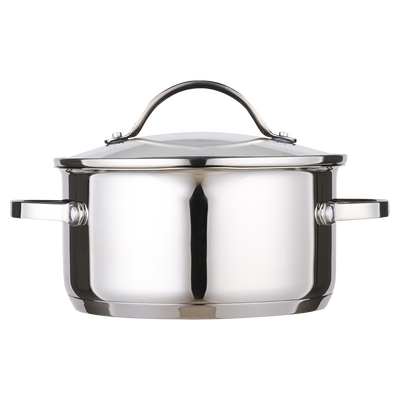
Pot with lid

Pots for different cooking needs and heat sources

A well-equipped kitchen needs pots in practical sizes. Whether you are just getting started, cook regularly or need cookware for more demanding tasks, the right pot makes a clear difference in daily use. On this page, you can explore pots for different types of cooking, materials and hob types, so it is easier to narrow your options before choosing.

If you are browsing more broadly, you can also start from our wider kitchenware range or go directly to pots and pans to compare related categories. That gives you a practical overview when you want to move from general cookware to a more specific pot type.

Which pots suit your cooking style and your hob?

Pots for gas

A gas stove lets you cook at high temperatures with heat that is easy to adjust. If you cook on gas, it helps to focus on pots designed for that heat source so you can compare suitable options more easily. Our selection includes pots made for gas cooking, which makes this a useful place to begin if compatibility with your stove is one of your main priorities.

You can explore the full range of pots for gas stoves when you want to refine your choice further.

Pots for induction

Pots for induction cooktops need a magnetic base to work correctly. It is also helpful when a pot responds well to the precise heat control that induction offers. If induction compatibility is essential in your kitchen, it makes sense to compare those pots separately rather than browsing the full range. That way, you can focus on options intended for your hob from the start.

See our selection of induction cooktop pots if you want to browse suitable models directly.

Stock pots

If you are making soup or larger slow-cooked dishes, a stock pot can be the right choice. This part of the range includes pots in different sizes and materials, making it easier to choose according to how much you typically cook. For most situations, the size of the pot is one of the first things to consider, especially if you want enough room for soup, broth or larger one-pot dishes.

You can compare the available stock pots to find a suitable size and style.

Copper pots

If both function and appearance matter to you, copper pots are a distinct option within the category. They combine traditional craftsmanship with classic kitchen technology and are known for excellent heat conduction. They also stand out visually, so they may appeal to you if you want cookware that looks good when it is not in use.

Browse our range of copper pots if you want to focus on this material.

Cookware sets

If you need several pot sizes rather than a single replacement, it can be useful to compare pots with complete sets. A cookware set gives you a selection of sizes for different cooking tasks, which can be a practical route if you are building or updating your cookware collection. Many people start with individual pots and then compare them with sets before deciding what fits their kitchen best.

You can view our cookware sets to see whether a coordinated set suits your needs better than buying pots one by one.

Pot lids

A good pot lid helps retain heat and flavour while cooking. Since pots come in different sizes and materials, it is useful to compare lids separately if you need a particular match. This is especially relevant if you already have a pot and want to complete it with the right lid rather than replacing the whole piece.

Find our selection of pot lids if you are looking for a matching lid.

Which pot should I choose?

There are many different pots to choose from, so it can be difficult to decide which ones are right for your kitchen. A practical way to choose is to move from the most important requirements to the more personal ones. Start with compatibility and cooking tasks, then look at size and whether the pot should also work for serving.

Which stove or cooktop you have

Your stove or cooktop is one of the most important starting points because some pots do not work on all heat sources. Gas, induction and other hob types place different demands on cookware, so your first step should always be to check which heat source you have. Once you know that, it becomes easier to compare relevant options within the category instead of sorting through unsuitable ones.

What type of food you cook

The way you cook also helps determine which pot to choose. Do you often make slow-cooked dishes? Do you regularly boil vegetables and potatoes? Or is it also important that your pots look good in the kitchen when they are not in use? Different cooking habits point you towards different materials and constructions.

If you often use your pots for frying and browning at high temperatures, a pot without coating may be the better choice, as high heat can damage a coating. For dishes that need long cooking times on the stove, a cast iron pot can be a suitable option because the material is durable and handles heat well over time. Coated pots can be a good match for everyday tasks such as preparing pasta or a quick sauce.

How many people you cook for

The number of people in your household also affects which pot sizes you need. If you cook for one person, your needs are different from those of a larger household. In everyday use, this often comes down to capacity. The more people you cook for, the more likely it is that you will need a larger pot. A standard 5 litre pot can be a useful reference point when comparing sizes.

When you browse online, it can therefore help to begin with capacity and then move on to material or design. That makes the selection process more manageable, especially when the range includes several types of pots for different jobs.

Will you also use it for serving and storage?

Some pots are used for more than cooking alone. If you want to bring a dish straight from the hob to the table, it can help to consider how the pot looks for serving as well as how it performs while cooking. If you prefer a consistent look at the table, choosing pots from the same series can create a more uniform appearance.

If you serve food in the pot, it is useful to protect the table with trivets. You should also think about whether you plan to store leftovers in the pot afterwards. For example, a cast iron pot should not be kept in the fridge for long periods, as this can lead to rust.

Explore pots and related cookware at Kitchen Living Dining

Once you know what matters most to you, it becomes easier to compare the range and focus on the types that fit your kitchen. Some people begin with a general-purpose pot, while others go directly to a more specialised option such as stock pots, copper pots or induction-compatible models. The structure of the category is designed to help you move between these choices without losing the overview.

If you are comparing pots with other cookware, you can continue to related categories such as frying pans, saucepans, saute pans, wok pans, grill pans and griddles or crepe pans. Looking across these categories can be helpful when you want to build a cookware collection that covers different cooking tasks rather than choosing each item in isolation.

Frequently asked questions

How do I choose the right pot for my hob?

A good starting point is to check which heat source you use, because not all pots work on every hob. For induction, the pot needs a magnetic base, while gas cooking benefits from pots made for high, adjustable heat. In everyday use, this means you can focus on suitable options first instead of comparing pots that may not work properly in your kitchen.

What should I look at first when choosing a pot?

It helps to begin with the most practical requirements, such as hob compatibility and the type of food you usually cook. After that, you can look at size, material and whether the pot should also be suitable for serving. This makes it easier to narrow your options in a clear and manageable way.

When is a stock pot the right choice?

A stock pot is useful if you often make soup, broth or larger slow-cooked dishes. The text highlights size as one of the first things to consider, especially when you need enough room for one-pot meals or bigger batches. In practice, this helps you choose a pot that matches the amount of food you normally cook.

Are copper pots mainly for appearance or for cooking performance?

Copper pots are presented as a choice that combines function and appearance. They are known for excellent heat conduction, and they also have a classic look that some people like to keep on display in the kitchen. In everyday use, this means they may suit you if both cooking performance and visual style matter.

How do I decide what pot size I need?

The number of people you cook for is an important guide when choosing capacity. If you cook for a larger household, you are more likely to need a bigger pot, while a smaller household may manage with less capacity. In practice, this helps you start with volume first and then compare material or design afterwards.

Should I choose individual pots or a cookware set?

If you need several sizes for different cooking tasks, it can be useful to compare individual pots with a cookware set. A set gives you a coordinated group of sizes, while single pots may suit you better if you only need to replace one piece. This makes it easier to choose based on whether you are building a collection or filling a specific gap.

Can I use a pot for serving and then store leftovers in it?

Some pots can be used for both cooking and serving, so it is worth thinking about appearance as well as cooking use if the pot will go straight to the table. The text also notes that cast iron pots should not be kept in the fridge for long periods because this can lead to rust. In everyday use, this means you should consider both presentation and storage before choosing a pot.

How can I make it easier to browse pots online?

A practical approach is to start with your main requirement, such as hob type, cooking task or capacity, and then move to narrower options. The page also points towards related cookware and more specific selections such as induction pots, stock pots, copper pots and pot lids. This makes it easier to compare relevant choices without losing track of what you actually need.