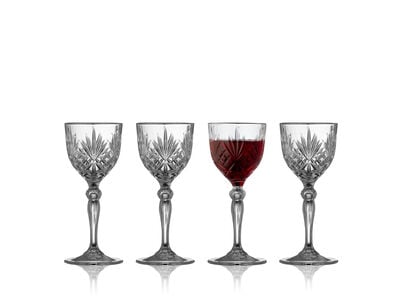
Which glasses should I use for port?
For many people, port is a drink served on special occasions such as birthdays and Christmas. That is why appearance often matters when choosing Port Wine Glasses. These glasses are often placed on a carefully set table, so many shoppers look for designs that feel elegant and visually appealing, as well as practical to use.
When browsing this category, a practical way to choose is to start with the overall look you prefer and then compare the finer details. Some people focus first on shape, while others begin with brand or glass size. This makes it easier to narrow down the selection step by step and find glasses that suit the way you usually serve port.
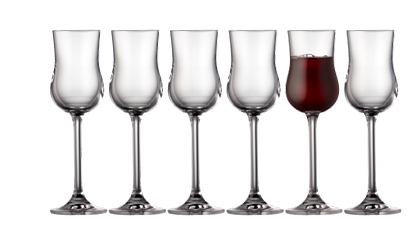
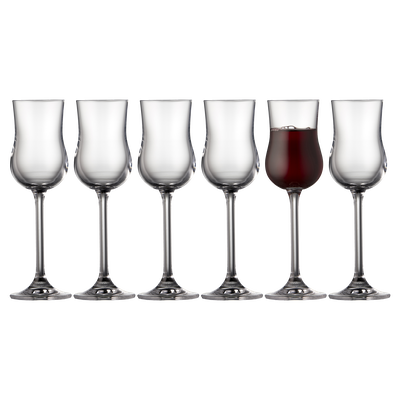
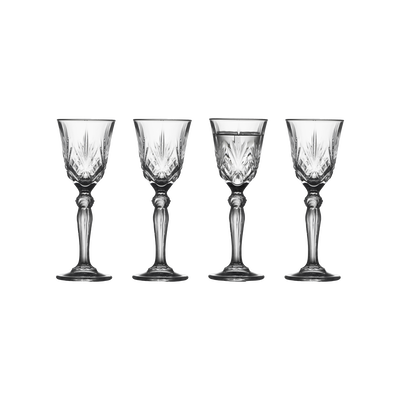
Lyngby Glas port glasses
Several Port Wine Glasses in our range are made by the Danish brand Lyngby Glas, which has developed stylish glass collections since 1940. With elegant patterns and slender shapes, port glasses from Lyngby Glas add a refined look to special occasions.
In the selection, you will also find glasses from the Juvel series, a refined collection that works for both everyday use and special occasions. The glasses in the series are designed to optimise your experience of the wine's aroma and flavour, which can be helpful if you want a glass that balances appearance with function.
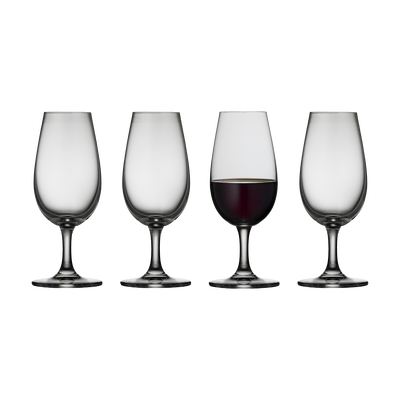
Luigi Bormioli port glasses
If you are comparing brands, Italian Luigi Bormioli is another option in this category. With extensive experience and scientific studies behind the development of its glassware, the brand has created port glasses that give the wine suitable serving conditions.
Although these Port Wine Glasses are made from very thin glass, they are surprisingly strong. They are also dishwasher safe, which may be useful if you want glasses that are easy to include in regular use as well as on special occasions.
What size should a port wine glass be?
There is no single answer to how large a port wine glass should be, so it often makes sense to choose the size you find most suitable. In this category, you can compare Port Wine Glasses in several sizes, including 5 cl, 9 cl, 12 cl and 17 cl.
For most situations, size is only one part of the decision. It is also worth considering which type of port you most often enjoy. Some shoppers begin with capacity and then compare bowl shape and opening, while others start with the style of port and use that to guide the final choice.
Glasses for Ruby port
Ruby port is known for its fruity freshness and deep colour. A glass for Ruby port should be smaller and have a more rounded opening to concentrate its rich aromas and create a more intense experience for the nose. The smaller opening helps direct the wine's aromas upward, which is why this type of shape is often a useful point of comparison when you browse the category.
Glasses for Tawny port
Tawny port is known for nutty, complex flavour notes and its golden colour. It suits a glass that can bring out its elegant nuances. A Tawny port glass is often slightly larger than a Ruby port glass, while still having a narrow opening to preserve the aromas.
If you usually drink one type more often than the other, this can make the choice easier. If you switch between styles, it can help to compare the proportions of different Port Wine Glasses and decide which shape best matches your usual serving preference.
If you would like to explore more options beyond port glasses, you can also browse our wider selection of glassware. From there, it is easy to move from this specialised category to other types of glasses and compare what suits different drinks and table settings.
If you are already looking within wine-specific categories, you can continue to our selection of wine glasses. You can also compare related options such as red wine glasses and white wine glasses if you want a broader overview of shapes for different wines.
Which dishes is port served with?
Port is a versatile drink that can be enjoyed with food, but it can also be served on its own. Two classic pairings stand out in particular.
Cheese: Port and cheese are a well-known combination. A fuller Ruby port can pair well with stronger cheeses, while a finer Tawny port complements softer cheeses such as brie or Camembert.
Desserts: Port's natural sweetness makes it a suitable choice for sweet desserts, especially those with chocolate, berries or nuts.
These pairings can also help when choosing a glass. If port is mainly served after dinner with cheese or dessert, some shoppers prefer a more decorative glass for the table, while others focus more on the shape that supports aroma.
What is the difference between port and dessert wine?
Port and dessert wine can seem similar, but there are also clear differences between them. Port comes from Portugal's Douro Valley, and it gets its sweetness and higher alcohol content, 19-22%, by stopping fermentation early with brandy. Its flavour notes range from berries to chocolate and nuts.
Dessert wine, by contrast, is produced around the world and includes a broader wine category. For example, dessert wines can be made from late-harvested grapes or as ice wines made with frozen grapes from colder climates, creating different flavour profiles.
While port is characteristically rich and spiced, dessert wine offers a wider range of flavour experiences depending on the production method and grape variety. If you are choosing Port Wine Glasses specifically, this difference matters because the category is focused on shapes intended for port's own style and aroma profile.
The history of port. A wine with longer shelf life
The history of port stretches back for centuries and begins in the same place where port is still produced today: the fertile landscape of Portugal's Douro Valley.
It was in the 17th century that port began to gain real popularity. With new trade alliances and growing demand from England, Portuguese producers started adding brandy to ordinary wine. This not only extended its shelf life, but also gave port its characteristic strength and sweetness.
Since then, port has developed into a symbol of craftsmanship and tradition, with many layers of flavour. From steep slopes and terraced vineyards, port continues to tell the story of its country of origin and remains an established part of the wine world.
Along the harbour promenade in Porto, it is still possible to visit some of the leading port houses that were there from the beginning.
Port Wine Glasses from well-known brands
If you want to serve port in a glass that brings out its rich flavour nuances, this category gives you different shapes and sizes to compare in one place. That makes it easier to move from broad choices, such as brand or design style, to more specific details like capacity and opening shape.
For some shoppers, the right choice is mainly about presentation on the table. For others, it is about finding a glass suited to Ruby or Tawny port. By comparing these features across the range, you can get a clearer view of which Port Wine Glasses match your usual preferences.
If you also want to add more colour to your table, you can continue your search in other glass categories after exploring this selection. That way, this category can work as both a focused starting point for port and a step towards building a broader glassware collection.
Frequently asked questions
Which glasses should I use for port?
Port is often served on special occasions, so many people choose glasses that look elegant on the table as well as being practical to hold and use. In practice, this means you can start with the overall style you prefer and then compare details such as shape, brand and size.
How do I choose between different port wine glasses?
A simple way to choose is to begin with the feature that matters most to you, such as appearance, bowl shape, brand or capacity. This makes it easier to narrow down the filtered choices step by step and find a glass that suits how you usually serve port.
What size should a port wine glass be?
There is no single correct size for a port wine glass, and the category includes options such as 5 cl, 9 cl, 12 cl and 17 cl. In everyday use, this means you can choose the capacity that feels most suitable and then compare the shape and opening to match the type of port you drink most often.
What is the difference between a glass for Ruby port and a glass for Tawny port?
A Ruby port glass is usually smaller with a more rounded opening to concentrate the wine's rich, fruity aromas. A Tawny port glass is often slightly larger, while still keeping a narrow opening, and in practice this helps preserve the more delicate nutty and complex aromas.
Are port wine glasses dishwasher safe?
Some port wine glasses in the category, such as certain Luigi Bormioli designs, are described as dishwasher safe. In practice, this helps you include them in regular use as well as for special occasions, but it is still sensible to check the product details for the specific glass you are considering.
Which foods is port usually served with?
Port is often served with cheese or desserts, although it can also be enjoyed on its own. In practice, this helps you think about whether you want a more decorative glass for the table or a shape that focuses more on aroma when serving port after dinner.
What is the difference between port and dessert wine?
Port comes from Portugal's Douro Valley and gets its sweetness and higher alcohol content from fermentation being stopped early with brandy. Dessert wine is a broader category made in different regions and by different methods, and in practice this helps explain why port wine glasses are shaped specifically for port's own aroma and flavour profile.
Can the type of port I drink help me choose the right glass?
Yes, the style of port can be a useful guide when choosing between narrower options. If you usually drink Ruby port, a smaller glass may suit you better, while if you prefer Tawny port, a slightly larger glass can make it easier to support its more nuanced aromas.