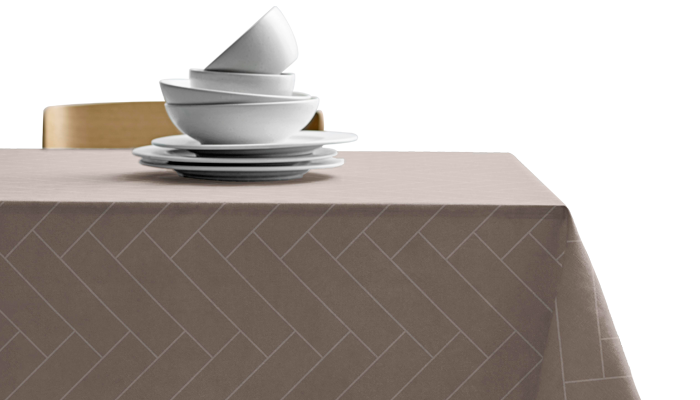
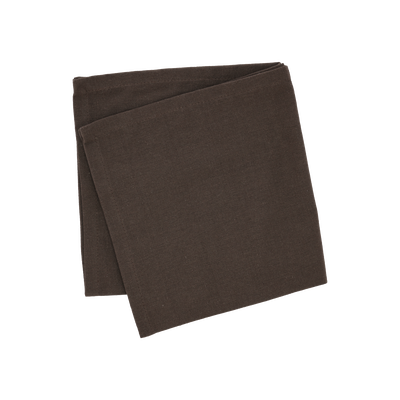
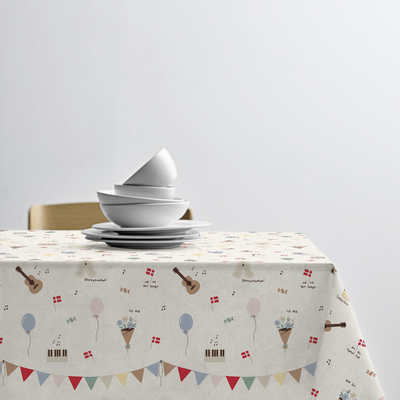
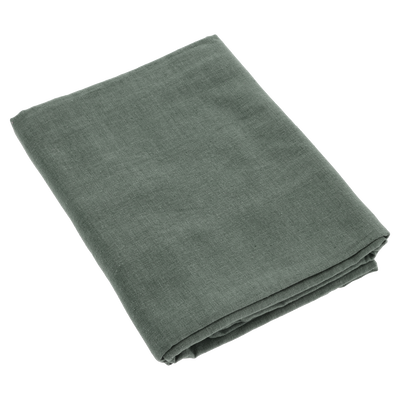

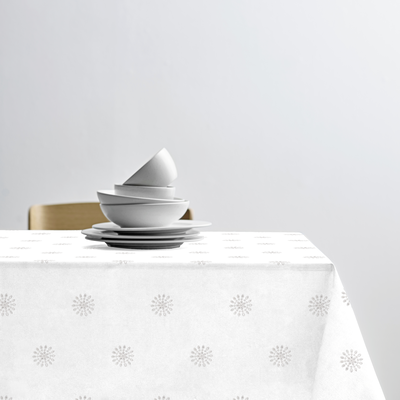
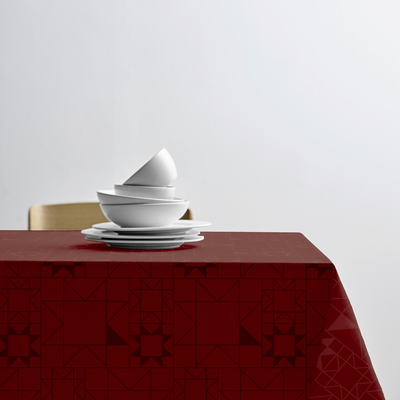
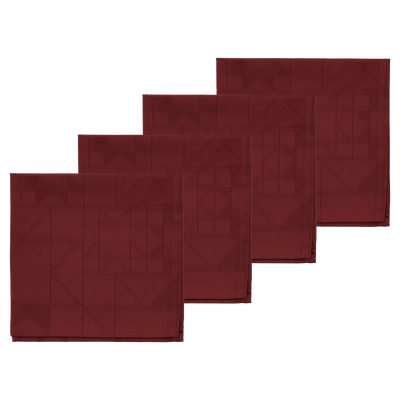
Find the right tablecloth for everyday use and special occasions
A tablecloth can make a clear difference to the look and feel of your table setting. Whether you are preparing the table for a festive occasion or simply want everyday protection for the table surface, it helps to start with the right base. On this page, you can browse the full range of tablecloths and compare styles for different occasions, including classic options, round tablecloths for round tables and practical choices for daily use.
If you want to explore more of the collection around the table, you can also continue from Kitchen Living Dining to the wider table setting selection.
Choose a material that suits your needs
When choosing a tablecloth, the material is just as important as the design. Different materials affect the look, the drape and the level of maintenance, so a practical way to choose is to begin with how the tablecloth will be used. Here you can move from broader inspiration to more specific categories and compare the main differences before deciding.
Damask tablecloths
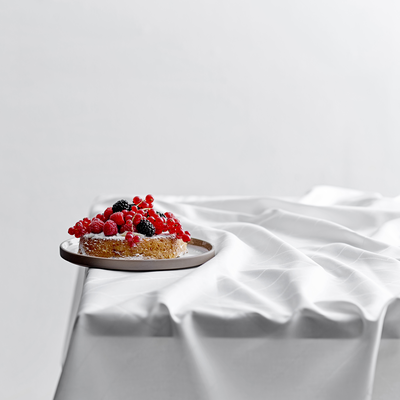
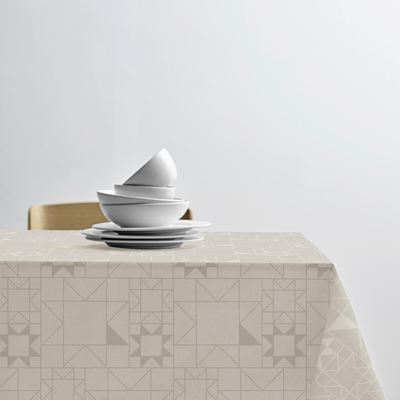
Damask tablecloths are a classic choice if you want an elegant and timeless look. The special weave creates a distinctive pattern in the fabric, giving the table setting more depth without making it look busy. If you are comparing formal and decorative options, damask tablecloths are a natural place to start.
Acrylic tablecloths
An acrylic tablecloth is a practical choice if you want something light and easy to maintain. These tablecloths are iron-free as well as dirt- and water-repellent, and they can simply be wiped with a damp cloth. That makes them especially useful when you want a low-maintenance solution for everyday use. If this is the type you are looking for, you can compare the options in acrylic tablecloths.
Fabric tablecloths
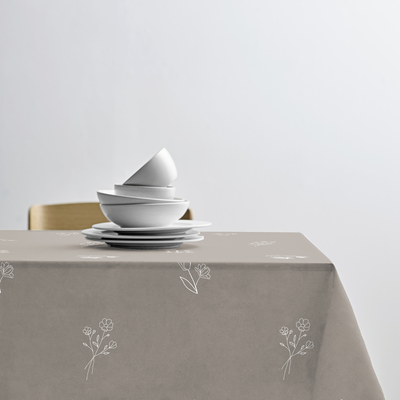
If you prefer a soft and natural look, fabric tablecloths in 100% cotton are an easy choice. They come in a wide range of colours and patterns, which makes it simpler to match the tablecloth to your preferred style and the rest of your table setting. You can explore the different designs in fabric tablecloths.
Linen tablecloths
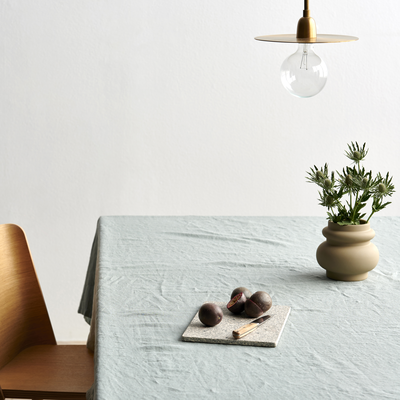
Linen is an elegant and durable material with a natural texture that gives the table a rustic but refined look. It is a good option if you want a tablecloth with a distinctive surface and long-lasting quality. On this page, you can compare linen styles alongside the other materials to see which finish and expression suit your table best.
Brands and styles to compare
If you are browsing by brand as well as material, this category also makes it easier to compare different design directions in one place. The Danish text highlights Bastian and Södahl as examples in the assortment. Bastian includes cotton tablecloths in modern designs, while Södahl includes both traditional and organic tablecloths. Looking at brand, material and finish together can help narrow the choice when several styles seem similar at first glance.
Size guide: how to choose the right tablecloth size
The right size matters for both the appearance and the function of your table setting. A tablecloth that is too small can look out of balance, while one that is too large may not give the effect you want. For most situations, the easiest way to begin is by measuring the table carefully and then adding the drop you prefer.
1. Measure the table
Start by measuring the length and width of the table. If you have a round table, measure the diameter. The selection includes sizes such as 140 x 220 cm, 140 x 270 cm, 140 x 320 cm, 140 x 370 cm, as well as round tablecloths with diameters of 160 cm and 180 cm. There are also made-to-measure acrylic tablecloths, which can be useful if standard sizes do not fit your table.
2. Add the drop
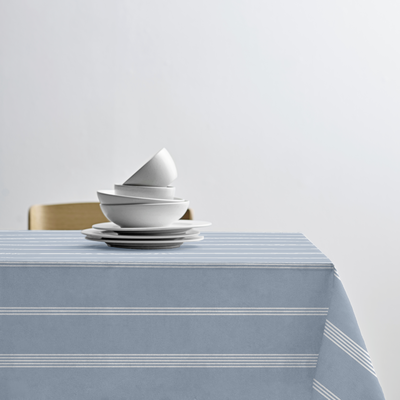
To create an elegant drape, add 20-30 cm on each side of the table measurements. For everyday use, a shorter drop of around 15-20 cm gives a more relaxed and practical look. For festive settings, a drop of 25-30 cm creates a longer and more formal finish. This simple comparison often helps when deciding between a tablecloth for daily use and one for special occasions.
How to style a tablecloth
A tablecloth is not only there to protect the table. It also acts as the foundation for the rest of the table setting. Once you have chosen the material and size, the next step is often to build around it with the pieces that suit the occasion and the mood you want at the table.
For an elegant everyday table
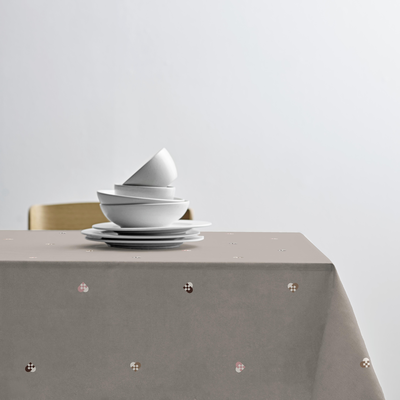
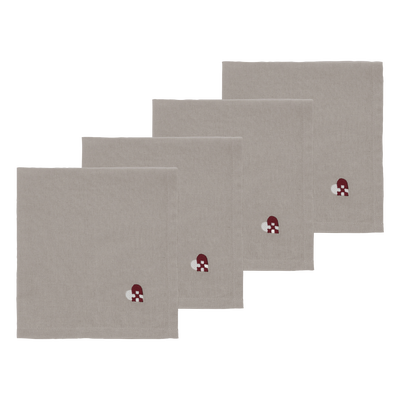
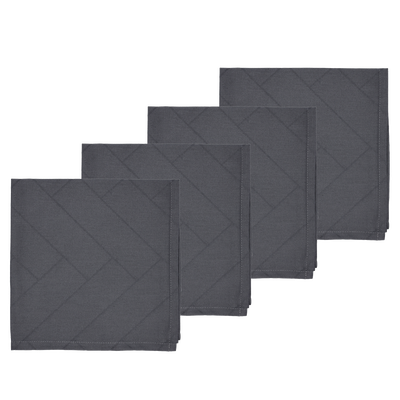
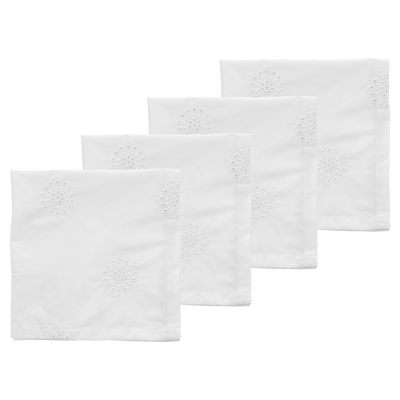
For daily use, a neutral cotton or linen tablecloth creates a calm and simple base. White, grey and beige give a balanced look that works with many interiors. You can pair the tablecloth with items from table accessories and add matching cloth napkins for a more complete setting. To finish the look, compare flatware and cutlery with a simple design.
For festive table settings
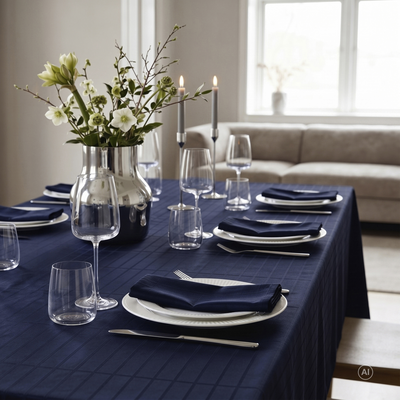
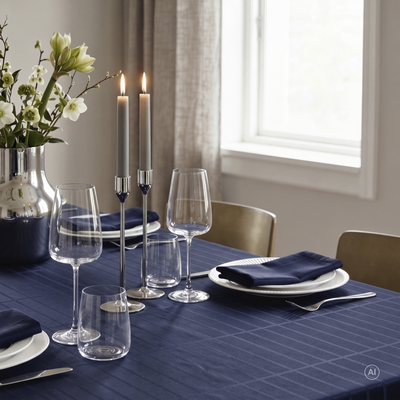
If you are setting the table for a birthday, Easter or Christmas, a patterned or more colourful tablecloth can help define the occasion. A table runner can add contrast or structure, while the rest of the setting can be built with glassware and plates in a classic style. If you want to add decorative and practical serving pieces, you can also look at jugs and carafes and selected items from bar accessories.
For a relaxed outdoor table
For summer gatherings and more informal meals outdoors, an acrylic tablecloth is a useful option because it is water-repellent and easy to wipe clean. To build a relaxed table setting around it, you can combine it with rustic-looking pieces from bowls and dishes, practical serving pieces and everyday mugs and cups. This type of setup makes it easy to keep the table looking coordinated while choosing items suited to less formal occasions.
Care and storage
Proper storage can help extend the life of a tablecloth. Rolling it around a tube helps avoid creases, while careful folding and dry storage are also suitable. Cotton and linen tablecloths can be rolled after washing to reduce the need for ironing. Acrylic tablecloths rarely need machine washing, as they can usually be wiped with a cloth. Damask tablecloths without surface treatment can be washed at 60 degrees, while treated versions can often also be wiped clean with a damp cloth.
It is also useful to deal with marks as they appear instead of washing the whole tablecloth every time. In everyday use, this can be a simple way to keep the tablecloth looking good while reducing unnecessary washing.
Find tablecloths and matching table setting pieces
Here you can compare tablecloths for both everyday dining and special occasions, and then continue to the categories that complete the setting. Alongside tablecloths, the wider assortment includes products that help protect the table and tie the look together, from napkins to practical details for serving and dining. Browsing category by category can make the selection process easier, especially if you want to match the tablecloth with the rest of your table setting rather than choosing each item separately.
Frequently asked questions
How do I choose the right tablecloth material?
A practical way to choose is to start with how the tablecloth will be used. Acrylic is useful for low-maintenance everyday use because it is water-repellent and can be wiped clean, while cotton, linen and damask are better if you want a softer or more decorative look. In practice, this helps you narrow the options by balancing appearance, drape and maintenance.
What is the difference between damask, acrylic, cotton and linen tablecloths?
Damask tablecloths have a woven pattern that gives the table a more classic and elegant look. Acrylic tablecloths are lighter and easier to maintain, cotton gives a soft and natural finish, and linen has a textured surface with a rustic but refined feel. This makes it easier to compare materials based on both style and everyday practicality.
How do I work out the right tablecloth size for my table?
Start by measuring the length and width of the table, or the diameter if the table is round. Then add the drop you want on each side, usually around 15–20 cm for everyday use or 25–30 cm for a more formal setting. In everyday use, this means the tablecloth will look balanced and hang in a way that suits the occasion.
How much overhang should a tablecloth have?
For most tables, adding 20–30 cm on each side creates an elegant drape. A shorter drop of about 15–20 cm looks more relaxed and practical for daily meals, while 25–30 cm gives a longer and more formal finish. In practice, this helps you choose a tablecloth that feels right for both appearance and use.
What type of tablecloth is best for everyday use?
An acrylic tablecloth is a practical choice for everyday use because it is dirt- and water-repellent and can usually be cleaned with a damp cloth. Neutral cotton or linen tablecloths can also work well if you want a softer look for daily dining. This makes it easier to choose between low-maintenance use and a more natural fabric finish.
How should I care for and store a tablecloth?
Rolling a tablecloth around a tube can help avoid deep creases, although careful folding and dry storage are also suitable. Cotton and linen can be rolled after washing to reduce ironing, while acrylic usually does not need machine washing because it can often be wiped clean. In practice, this helps you keep the tablecloth looking neat without more washing than necessary.
How can I style a tablecloth for different occasions?
For everyday dining, a neutral cotton or linen tablecloth creates a calm base that works well with simple table accessories, cloth napkins and cutlery. For festive occasions, a patterned or colourful tablecloth can help define the setting, while acrylic is useful for relaxed outdoor meals because it is easy to wipe clean. This makes it easier to match the tablecloth to the mood and function of the table.
How can I narrow down the right tablecloth on a webshop?
It helps to begin with the main factors that affect use, such as material, size and the type of occasion. From there, you can compare narrower options like round tablecloths, acrylic finishes or fabric styles, and then look at brand and design direction if needed. In practice, this helps you move from broad inspiration to more specific selections without overlooking the details that matter.