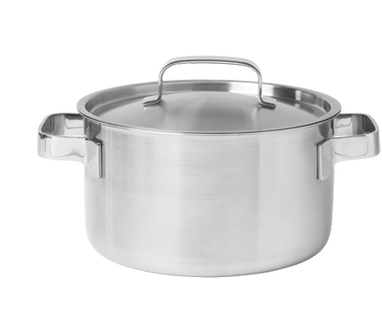

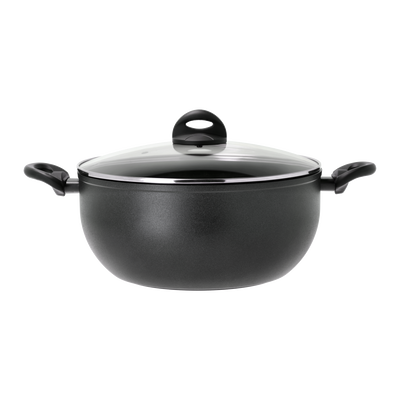
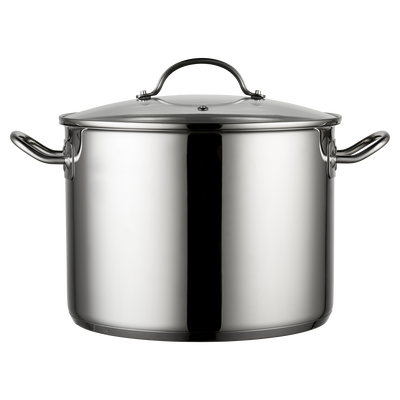
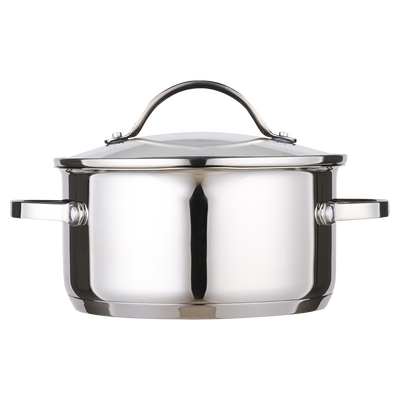
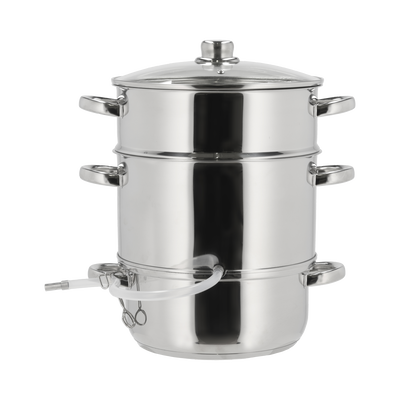
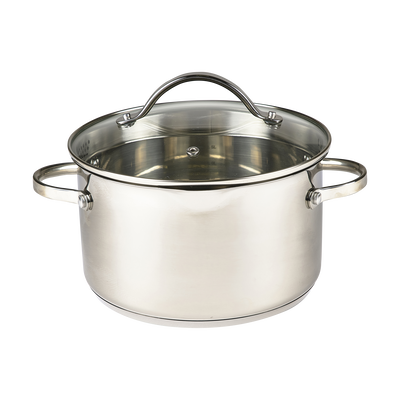

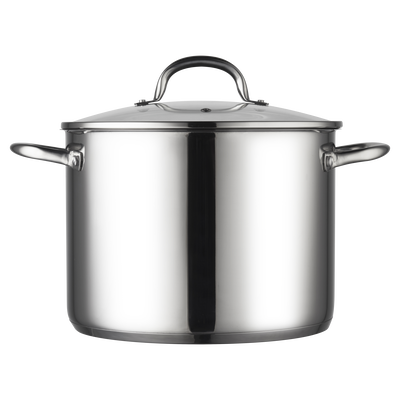
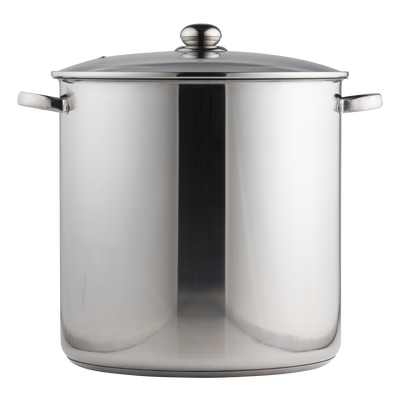

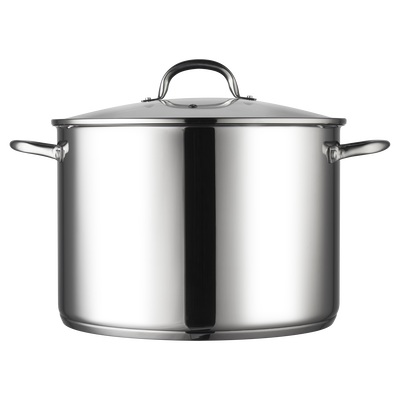
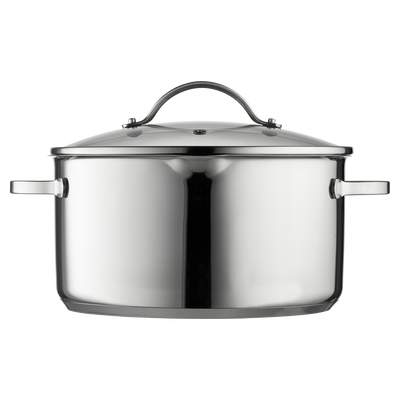
Gas gives controlled heat for pots in many materials
Gas cooking gives you quick control over the heat, since the flame can be turned up or down straight away. That is one of the main reasons many people choose a gas stove, and it also affects how you compare pots. On this page, you can browse Pots for Gas Stoves and move from general choices such as material and size to more specific details about how a pot reacts on a gas hob.
If you are still exploring the wider range, it can help to start with the full selection of pots and pans and then continue to the broader category for pots. From there, it becomes easier to compare which pots are especially relevant for gas cooking.
Pots for gas stoves are very versatile, because gas works with nearly all kinds of pot materials over an open flame. That means you can choose from aluminium, copper, stainless steel and other metal pots when looking for cookware for a gas hob. If you are deciding between several options, this category helps you compare the main differences before you choose.
Different materials have different properties
When choosing a pot for gas, it is useful to consider how each material reacts to the heat source. Gas provides direct heat from below, so the material plays an important part in how quickly the pot heats up and how steadily it holds the temperature.
Copper pots are known for their appearance and for conducting heat very quickly. Cast iron gives a steadier and more constant heat, which suits dishes that need longer cooking on the hob. Stainless steel and aluminium are also effective on gas stoves and are popular choices when you want a practical pot for everyday cooking.
As you browse, a practical way to choose is to start with the material you prefer and then narrow down by size. If you typically cook slowly over a longer period, one material may suit you better than another. If you want a pot that responds quickly when the flame is adjusted, that can guide your choice in a different direction.
The pot should distribute heat evenly
Because gas uses live flames, even heat distribution in the pot is important if you want food to cook evenly. A pot that spreads heat well gives better control while cooking and helps you compare products on more than just appearance or capacity.
When you look through this category, it can be helpful to compare how different pots are built for consistent heating. In most situations, this is one of the key points to consider when moving from a broad search to a final choice. If you are also comparing cooking tools for similar tasks, you may want to explore neighbouring cookware categories before returning to the right pot for gas.
Keep in the heat with a thick base
Another point worth considering is the base of the pot. A thick base can support good heat distribution and heat retention, which can be important when cooking on gas burners. In everyday use, this helps when you want the pot to maintain a steady temperature during cooking.
When comparing several pots on a webshop, details such as the material and the base construction often help you narrow the selection more effectively than size alone. If you already know the capacity you need, the next step is often to focus on how the pot handles heat and whether it suits the kind of dishes you usually prepare.
Should you choose gas or induction?
When choosing a heat source for the kitchen, many people compare gas and induction. The strength of gas is its immediate response when you turn the heat up or down, which gives close control while cooking. Induction, on the other hand, offers fast and precise heating in a different way.
Both are strong options in the kitchen, so the right choice depends on what suits your needs. If you would like to compare alternatives for another heat source, you can also see our range of pots for induction cooktops. Looking at both categories can make it easier to decide whether you want cookware dedicated to gas or a pot that gives you flexibility across different hobs.
Can pots for gas also be used on induction?
Many pots and pot sets can be used on both gas and induction. For a pot for gas to work on induction, it needs to be magnetic. A simple way to check is to use a magnet and see whether it sticks to the base of the pot.
If you are buying new pots for gas and want the option to change heat source later, it makes sense to look out for pots that are also suitable for induction. This is often a helpful filter when comparing products online, especially if you are planning ahead and want to keep your options open.
Can these pots be used on a grill or over an open fire?
Pots designed for gas can in some cases also be used on a gas grill or over an open fire. The important point is to check whether the individual pot can handle the very high heat. This depends on the specific pot, so it is always worth reviewing the product information before using it in that way.
It is also important to keep in mind that pots can discolour from soot if they are used over an open fire outdoors. That is why it is sensible to check carefully whether a particular pot is suitable before using it on a grill or over a fire.
Pots for simple outdoor cooking
If you sometimes cook in more basic outdoor settings, a pot used with a gas burner can be a practical part of that setup. The same category features that matter indoors, such as material, size and heat handling, are also useful when you compare pots for this kind of use.
For larger portions, it may help to look at stock pots, while a matching pot lid can complete the setup if you are replacing or matching parts. These related categories are useful next steps when you already know the type of pot you need but want to refine the details.
Find pots for gas stoves at Kitchen Living Dining
If you are looking for a new pot for your gas stove, this category brings together different materials and sizes so you can compare them in one place. Some people begin with the material, while others start with the pot size they need most often. Both approaches work well when you want to narrow the range step by step.
In most situations, the easiest way to navigate is to begin with your main cooking need and then compare how the pots differ in material and heat distribution. That gives you a clearer overview of which pot is likely to suit your gas hob best. Whether you are looking for one pot or building a broader cookware setup, the category is structured to help you move from general browsing to a more confident choice.
Frequently asked questions
What should I look at first when choosing pots for gas stoves?
A practical place to start is with the material and then narrow your choice by size. In everyday use, this helps you compare how quickly a pot responds to changes in the flame and how steadily it holds heat.
Which pot materials work well on a gas stove?
Gas stoves work with many metal pot materials, including aluminium, copper, stainless steel and cast iron. In practice, this means you can focus on the cooking properties you prefer, such as quick heat response or steadier heat over a longer time.
Why does heat distribution matter when cooking with gas?
Gas uses direct flame from below, so even heat distribution helps food cook more evenly across the pot. This makes it easier to compare pots by how they handle heat, not just by appearance or capacity.
Is a thick pot base important for a gas hob?
Yes, a thick base can support better heat distribution and help the pot hold heat more steadily during cooking. In everyday use, this means it can be easier to maintain a consistent temperature on a gas burner.
How do I choose between copper, cast iron, stainless steel and aluminium for gas cooking?
Copper is known for heating quickly, while cast iron gives steadier and more constant heat for longer cooking. Stainless steel and aluminium are also commonly used on gas, and in practice this helps you choose based on whether you want fast response or dependable everyday use.
Can pots for gas stoves also be used on induction?
Some can, but the pot needs a magnetic base to work on induction. In practice, this means you can test it with a magnet and check whether it sticks to the bottom before relying on it for both heat sources.
Can a pot for a gas stove be used on a grill or over an open fire?
In some cases yes, but it depends on whether the individual pot can handle very high heat. This makes it important to check the product information first, especially as outdoor use over open fire can also cause soot marks or discolouration.
How can I narrow down the right pot for a gas stove when shopping online?
It often helps to begin with your main cooking need and then compare material, size and base construction. In everyday use, this makes it easier to move from broad browsing to more specific selections that suit the way you cook on gas.