


What is the difference between a platter and a tray?
A platter is often made of porcelain, ceramic or metal and can be used for food in the oven or for arranging and serving dishes. A tray is most often made of wood, plastic or metal and often has handles. You will find both large trays for serving and smaller trays for decorative use.
When choosing between a platter and a tray, it helps to start with the purpose. If you need something for carrying items from one place to another, a tray is usually the more practical choice. If you are mainly looking for something for serving or presenting food, a platter may be more suitable.
If you want to explore related categories, you can also browse table setting and the wider selection of table accessories to compare different pieces for serving and the table.
Find a wide selection of trays here
We aim to provide a broad range of trays, so there is plenty to choose from. Trays come in many shapes, colours and sizes and can be used for different purposes. That is reflected in the assortment on this page, where you can compare trays based on both function and appearance.
A practical way to choose is to decide first whether the tray will be used for carrying things or mainly for decoration. The intended use affects which size, shape and design will be the best fit. Large trays are often better when you need room for tableware, food or several items at once, while smaller trays work well when you want to keep a few things gathered in one place.
It is also useful to consider the overall look you want, as well as the material. Many trays are made of wood, but you will also find trays in other materials such as metal. In everyday use, the material and finish help define both the practical feel and the visual expression, so it makes sense to compare these features before deciding.
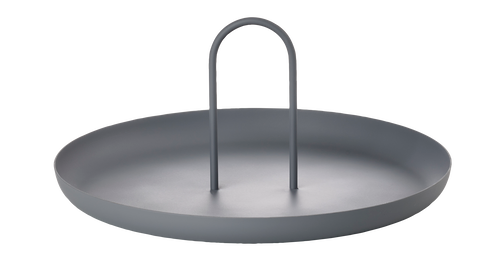
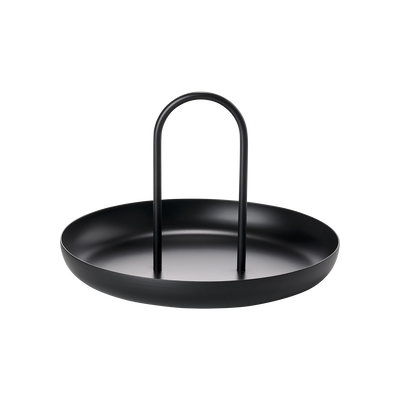
Our range includes trays in different colours and forms. You can browse square, oblong and round trays, as well as trays in black, grey and different wood types. Looking through the category in this way makes it easier to narrow the choice from broad preferences such as shape or colour down to the specific tray that suits your needs.
Decorate the home with useful and attractive trays
Trays can be used in many ways around the home. Some are mainly practical, while others help organise and frame decorative items. If you are comparing options on this page, it can be helpful to think room by room or situation by situation, depending on where the tray will be used most often.
Useful serving trays
Large trays with handles are well suited to carrying tableware, food and other items from the kitchen to the dining table or a table on the terrace, and back again afterwards. If you often need to move several things at once, this type of tray gives you a clear starting point when browsing the selection.
Large trays are also useful when many items need to be carried between the kitchen and the dining table, coffee table or terrace table. When comparing large serving trays, it helps to look at both the surface area and the shape, as these details influence how much the tray can hold and how it fits into the spaces where you use it.
A large tray can also be suitable for serving snacks. You can arrange your favourites in bowls on a large tray and place it on a pouffe or coffee table where it stands steadily. If you are putting together a serving setup, you may also want to look at serving and tapas boards as another way to present smaller dishes and snacks.
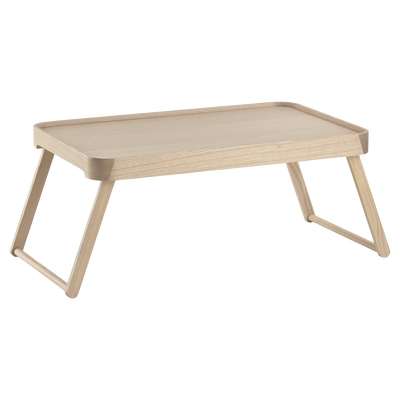
Breakfast trays with legs offer another type of serving solution. The legs help keep the tray stable and lift it above the surface underneath. When viewing this category, that makes trays with legs a more specific choice for anyone looking beyond classic flat serving trays.
Decorative trays
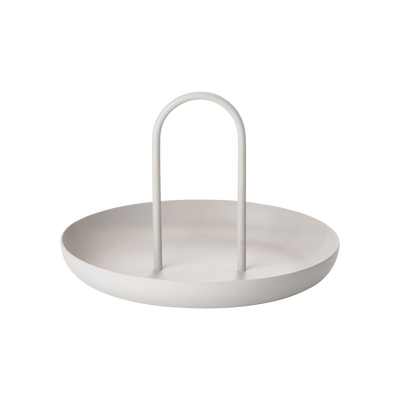
Trays can also create a neat frame for decorative items on a coffee table, dining table or table in the hallway. A tray can be used to gather candle holders, candles, scented candles, figures or sculptures in one place, making the arrangement look more organised. If your main aim is decorative use, it helps to focus on smaller formats, shapes and colours that work well with the rest of the room.
Decorative platters and bowls can also be used as display pieces in the living room, kitchen or hallway. In the kitchen, for example, they can be filled with colourful fruit or vegetables. Comparing trays alongside other decorative serving pieces can help if you are looking for something that balances practical use with a more styled look.
Smaller trays are especially suitable for keeping oils, vinegars, salt, pepper and other spices together by the cooker or hob. In everyday use, this is a simple way to keep frequently used items gathered in one place. If you are looking for matching pieces for the same area, you can also explore salt and pepper sets.
Small trays also work well for arranging and serving tapas together with small plates, boards and serving bowls. If you enjoy comparing pieces across categories, trays can be combined with serving and tapas boards to create a more complete serving arrangement for smaller dishes.
Smaller trays are also suitable for the bathroom. A decorative tray can gather small bowls and storage jars in one place, whether they hold jewellery, cotton pads or cotton buds. When choosing a tray for this kind of use, size and shape usually matter most, as the tray needs to fit the surface while still leaving room for the items placed on it.
Find trays and other table accessories at Kitchen Living Dining
At Kitchen Living Dining, trays are part of a wider selection of pieces for the table. If you want to compare trays with other categories while building a complete table setting, it is useful to browse the full range of table accessories. This makes it easier to move from one product type to another and find items that suit the same look or purpose.
Alongside trays, you can explore categories such as trivets, bread baskets, placemats, napkins, napkin holders, egg cups, flags and salt and pepper sets.
Exploring related categories is a practical way to narrow down your choices. You may start with trays because you need something for serving or display, then continue to related items that support the same setup at the table. Looking across categories also helps when you want to compare shapes, colours and materials in one part of the shop before making your final selection.
Frequently asked questions
What is the difference between a platter and a tray?
A platter is usually intended for serving or presenting food and is often made of porcelain, ceramic or metal. A tray is more often made of wood, plastic or metal and often has handles for carrying items. In everyday use, this means a tray is often the more practical choice for moving things, while a platter may suit serving better.
How do I choose between a serving tray and a decorative tray?
It helps to start with how the tray will be used most often. If you need to carry tableware, food or several items at once, a larger tray is usually more practical. In practice, this helps you focus on the right size, shape and design from the start.
What should I look at when choosing the size of a tray?
The best size depends on what you want the tray to hold and where you plan to use it. Large trays are useful for carrying tableware, food or several items together, while smaller trays work well for keeping a few things gathered in one place. This makes it easier to match the tray to everyday tasks in the kitchen, living room or bathroom.
Which tray shapes are useful for different needs?
Trays come in shapes such as square, oblong and round, and the shape affects both how much they hold and how they fit into a space. When comparing trays, it helps to think about the surface where the tray will be placed and the items you want to arrange on it. In practice, this helps you narrow down filtered choices by both function and appearance.
Does the material of a tray make a difference?
Yes, the material helps define both the practical feel and the visual expression of the tray. Many trays are made of wood, while others are made of metal or other materials. In everyday use, this means the material can influence how the tray looks in the room and how it feels to handle.
What can small trays be used for around the home?
Small trays are useful for gathering everyday items in one place, such as oils, vinegars, salt and pepper near the cooker, or bathroom items like jewellery and cotton pads. They can also be used to frame decorative objects such as candle holders or small bowls. This makes it easier to keep surfaces looking organised without spreading items out.
When is a tray with handles or legs a good choice?
Trays with handles are useful when you need to carry food, tableware or other items from one place to another. Trays with legs offer a more specific serving solution because the legs help keep the tray stable and raised above the surface underneath. In practice, this helps you choose between classic flat trays and options designed for a particular way of serving.
How can I narrow down the right tray on a webshop?
A practical approach is to begin with the main purpose, such as serving, carrying or decoration, and then compare size, shape, colour and material. Looking at narrower options like round or oblong trays, or black, grey and wood finishes, can make the choice clearer. This makes it easier to move from broad preferences to a tray that fits your everyday use.