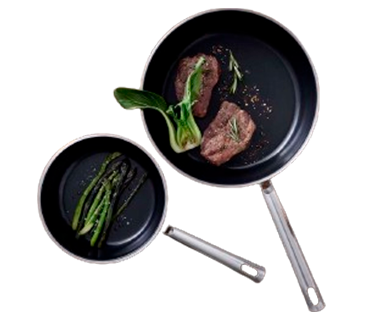

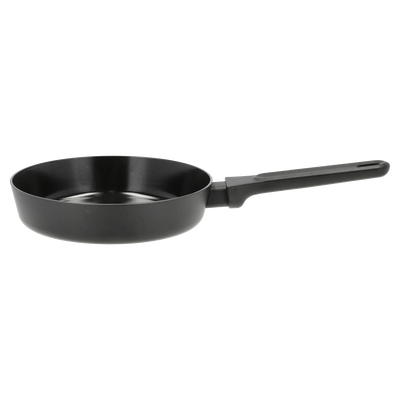
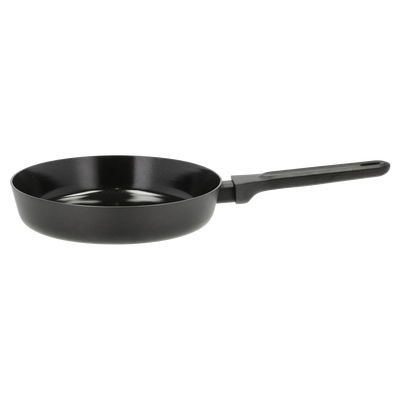
Even, high and controlled heat. Induction is here to stay
Induction technology has become a well-established choice in both private and professional kitchens. It is a heat source that allows high, precise and easy-to-control temperatures in pans and pots, which is why many people look specifically for cookware that works well on an induction hob.
Good-quality induction frying pans are made to distribute heat evenly across the whole pan, so meat and vegetables receive the same heat no matter where they are placed. In this category, you can compare different pans for induction and narrow your choice by looking at the details that matter most in everyday cooking.
If you want to start from a broader overview, you can also explore our full selection of pots and pans or go directly to all frying pans before focusing on induction-compatible options.
Which induction frying pan should you choose?
When you are choosing a frying pan for induction, it helps to compare a few main points first: size, coating, material and design. This category makes that process easier, because you can move from broader choices to more specific features depending on how you cook and what kind of pan you need.
Choose the right size for your needs
One of the first things to consider is the size of the pan. Some meals require a compact pan, while others need more surface area. That is why this category includes several sizes, making it easier to compare what suits your kitchen best.
You can find induction frying pans in sizes such as 20 cm, 24 cm, 28 cm and 30 cm. A practical way to choose is to think about how much food you usually cook at one time and how much room you want in the pan while frying.
If you need more than one size, it can be helpful to look at frying pan sets, where several useful sizes are gathered in one solution.
Coatings and materials affect how the pan cooks
Different coatings and materials give different cooking conditions, so this is often the next step when comparing induction frying pans. Some pans are designed to make everyday frying easier, while others are chosen for the way they handle high heat and browning.
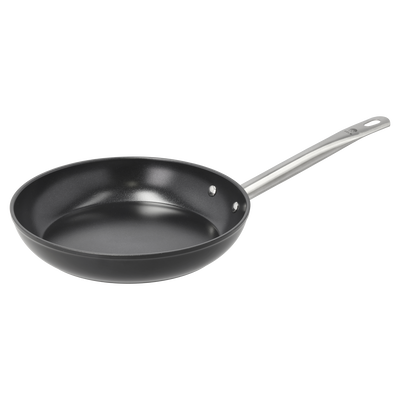
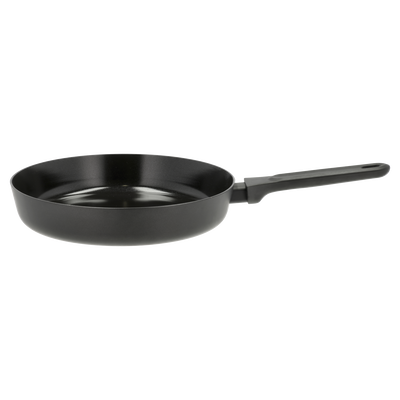
Pans with a ceramic coating offer a very effective non-stick cooking surface, so food releases more easily from the pan. If that is the type you are looking for, you can compare the full range of non-stick pans in a separate category.
There are also uncoated options such as steel pans and cast iron pans. Some cooks prefer pans without a coating because they can reach higher temperatures and create strong browning and caramelisation on meat and vegetables. If you want to compare these materials more closely, you can look at stainless steel frying pans and a cast iron skillet.
You can also browse hybrid pans if you want to compare another type within the wider frying pan category.
Design details can make a real difference
When brands develop frying pans, many design choices are involved. To make the selection easier, it is useful to focus on two details that can expand how you use the pan: depth and handle type.
Depth
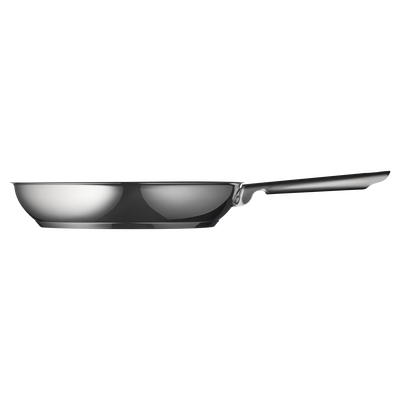
A frying pan with higher sides can be used for more than frying alone. Extra depth gives you more room and makes the pan suitable for dishes that need a little more volume, including simmered dishes. If extra depth is what you are looking for, many people also compare this type of pan with sauté-style options before deciding.
Handle
The handle is another useful point to compare. A pan with a metal handle can often be moved directly from the induction hob to the oven, allowing a dish to be finished there. This can be useful when food is first browned on the hob and then cooked further in the oven.
If you are still deciding which pan style fits your cooking best, it can help to compare induction frying pans with other categories in the same cookware family. For example, some users also look at copper pans, depending on material preference and design.
FAQ: What to know about induction and suitable pans
If you want to understand what makes induction different, it helps to know how the heat works and what to look for in a pan. The questions below cover the main points that often matter when comparing induction frying pans.
What is induction?
Induction cooking refers to a process where heat is created through electromagnetic fields rather than through a direct heat source. In practice, the pan itself is heated when it is placed on the cooktop.
How does induction work?
When an induction pan is placed on the hob, an electromagnetic field is created. Heat is then generated directly in the pan, so it heats up quickly.
What kind of frying pan is best for induction?
First of all, the pan needs a magnetic base. Cast iron and stainless steel are well suited to induction cooktops. It also helps if the base is as flat as possible, so the pan has good contact with the hob.
How do I know if my frying pan works on induction?
A simple way to check is to hold a magnet against the base of the pan. If the magnet sticks, the pan will work on induction. You can also often find the induction symbol on the packaging or on the pan itself. Another way is to place the pan on a switched-on induction hob and check whether it heats up or whether the hob switches off again.
How should induction frying pans be cleaned?
Cleaning can vary from pan to pan, so it is important to check the instructions for the individual product before washing it. Most pans should be washed by hand with soap and a sponge, then rinsed and dried.
If you choose cast iron, soap should not be used for cleaning, as it removes and damages the natural fat layer that is part of what makes a cast iron pan work well.
How this category helps you compare related options
On a webshop, many shoppers start with the cooktop type and then compare frying pans by finish, material or format. That is why this category works well as a starting point if you specifically need a pan for induction, but still want to compare different constructions and styles before choosing.
If you use more than one type of hob, you may also want to compare frying pans for ceramic cooktops or frying pans for gas stoves. And if you want to continue exploring the wider frying pan range, you can always return to the main category for frying pans.
By comparing size, coating, material and design in this category, it becomes easier to narrow the selection and choose an induction frying pan that matches the way you cook.
Frequently asked questions
How do I choose the right induction frying pan size?
A good starting point is to think about how much food you usually cook at one time and how much room you want in the pan. In everyday use, this means a smaller pan can suit quick meals, while a larger one gives you more surface area for frying. Common sizes include 20 cm, 24 cm, 28 cm and 30 cm.
What should I compare when choosing between induction frying pans?
The main points to compare are size, coating, material and design. In practice, this helps you narrow the filtered choices based on how you cook, whether you want easy food release, high-heat browning or a pan shape that suits more than one type of dish.
Which materials work well on an induction hob?
An induction frying pan needs a magnetic base to work on an induction hob. Cast iron and stainless steel are well suited, and a flat base also helps the pan make good contact with the hob. This makes it easier to heat the pan properly and use the hob as intended.
What difference do coated and uncoated induction frying pans make?
Coated pans, such as pans with a ceramic non-stick surface, are designed to help food release more easily from the pan. Uncoated options like steel and cast iron are often chosen for higher heat and stronger browning. In everyday use, this means your choice depends on whether you prioritise easier frying or more intense caramelisation.
Why do depth and handle type matter on an induction frying pan?
A deeper pan gives you more room and can also suit dishes that need a little more volume, including simmered meals. A metal handle can often make the pan suitable for moving from the induction hob to the oven. In practice, this helps you use one pan for more cooking steps.
How can I tell if my frying pan works on induction?
A simple check is to hold a magnet against the base of the pan. If the magnet sticks, the pan should work on induction. You can also look for the induction symbol or place the pan on a switched-on hob to see whether it heats up.
How should induction frying pans be cleaned?
Cleaning depends on the individual pan, so it is important to follow the product instructions first. Most pans should be washed by hand with soap and a sponge, then rinsed and dried. In practice, cast iron is different because soap should not be used, as it can damage the natural fat layer.
How can I narrow down the right induction frying pan on a webshop?
It helps to start with the cooktop type and then compare narrower options by size, coating, material and design. In everyday use, this makes it easier to move from broader choices to more specific selections that match the way you cook. You can also compare induction frying pans with other filtered choices if you use different types of hob.