Save 30%
Save 30%
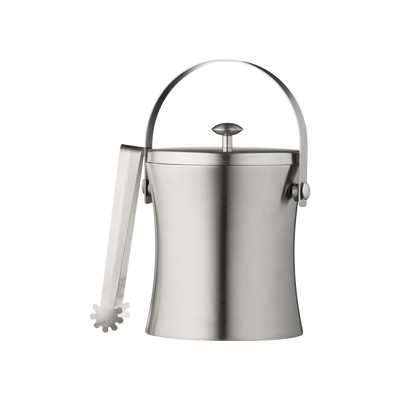
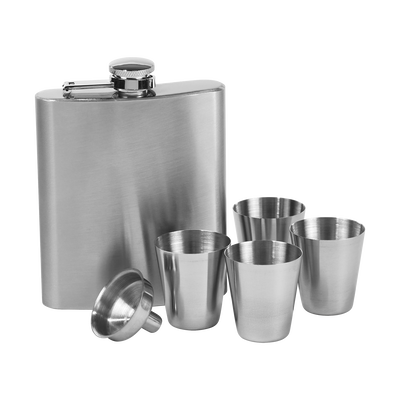
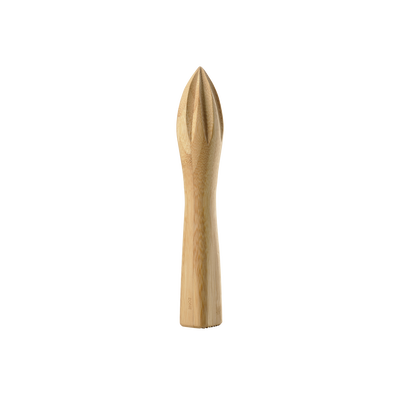
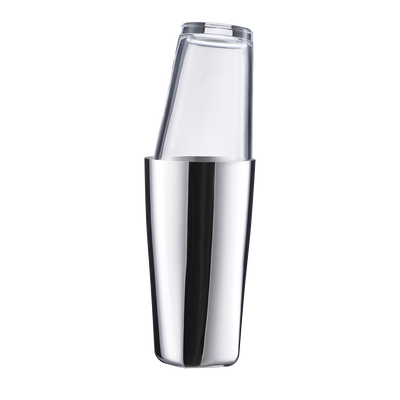
What should you have in a home bar?
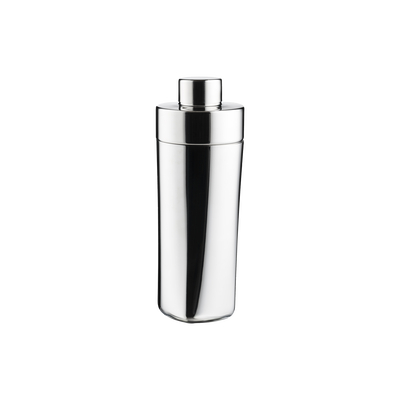
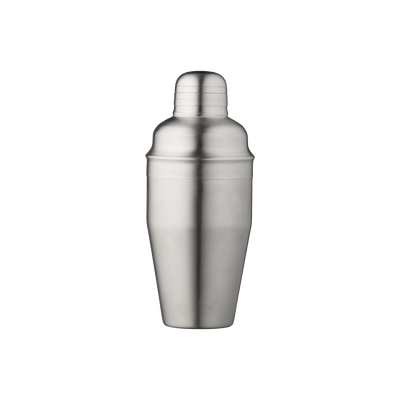
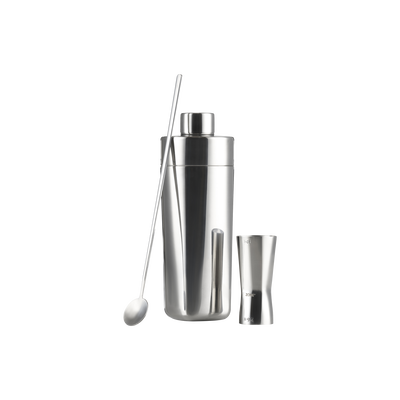
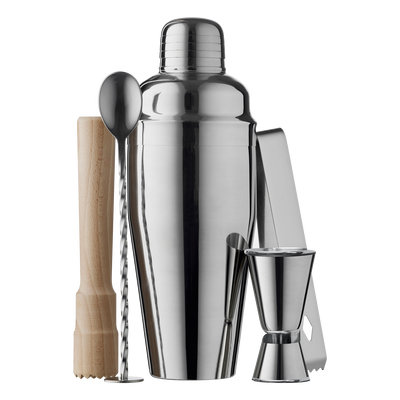
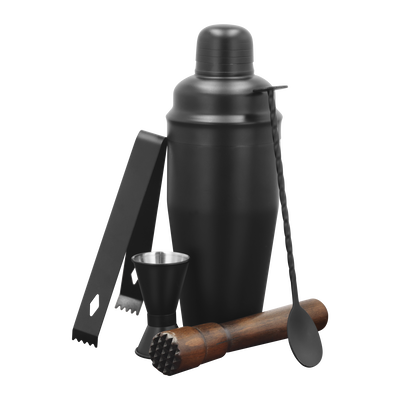
A good place to start, if you want to serve refreshing drinks and cocktails, is with a shaker. Not every drink or cocktail requires one, but if you want to serve something beyond a gin and tonic, a shaker can be a useful choice. It helps you achieve the right temperature and consistency, and it is often one of the first tools people look for when building a home bar.
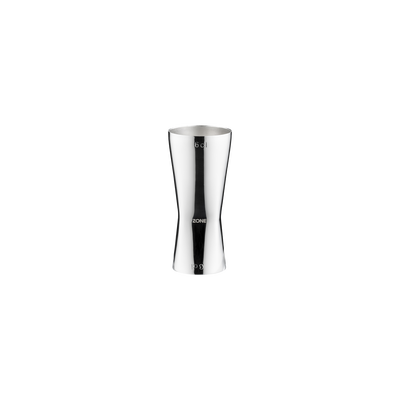
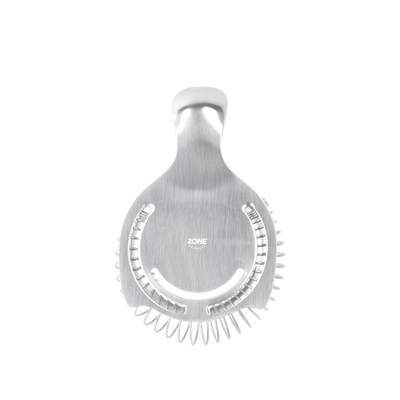
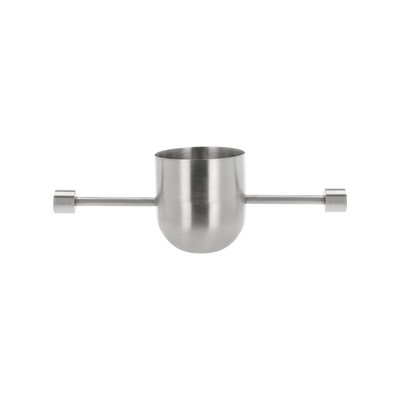
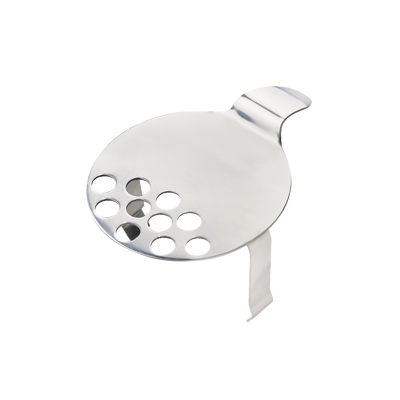
If you are making cocktails with syrups, liqueurs and egg whites, a measuring cup and a strainer are important tools. Using a strainer and accurate measurements makes it easier to prepare the same balanced cocktail again and again. That is often how many shoppers approach this category: first by choosing the essential tools, then by adding the items that help create more precise results.
On the webshop, a practical way to browse is to start with the broader table setting range and then move into bar accessories to compare the tools used for mixing, serving and finishing drinks. If you also want to complete the setup around the glass, related categories such as coasters, ice cube trays and straws can help you narrow down what you need.
Which shaker should I choose?
There are different types of shakers in the range, including Cobbler, Boston and Parisian shakers. They all serve the same basic purpose, but they suit different levels of experience and different preferences in use.
The Cobbler shaker is a practical option if you are new to shaking cocktails. It has a built-in strainer in the top and is easy to take apart, which makes it more straightforward to use when you are learning the basics. If you want a simple starting point and prefer fewer separate parts, this type is often the easiest to compare with the rest.
Boston and Parisian shakers are good options if you already have some experience and want to upgrade your cocktail equipment slightly. When comparing these types on a category page, many users start by thinking less about appearance and more about handling: whether they want an easy beginner option or a shaker that suits more confident everyday use.
If you are browsing this category to put together a home bar step by step, it can help to begin with the core tools such as a shaker, measuring cup and strainer, then look at the surrounding bar accessories that support serving. That makes the category easier to navigate, especially when you want to move from general equipment to more specific choices.
Equipment for the wine enthusiast
This category also includes wine equipment, from gift-friendly wine accessories to glassware that makes table settings feel more complete. The selection includes products used for opening, pouring and preserving wine, as well as items for serving and cooling.
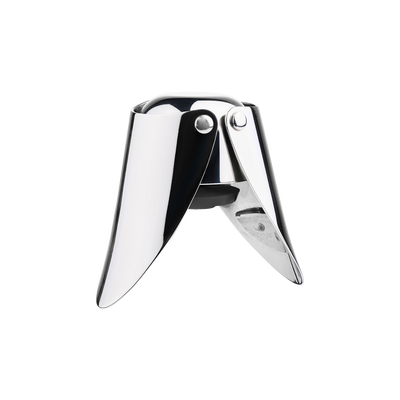
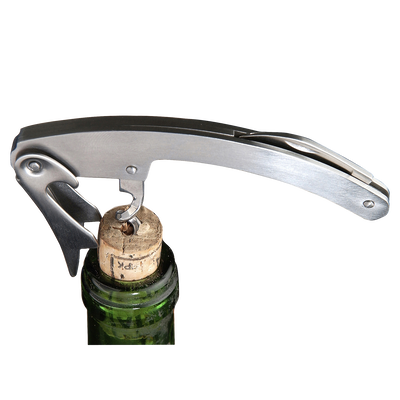
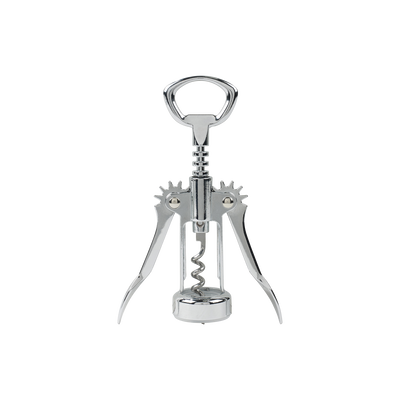
Among the types you can explore are wine glasses, corkscrews and foil cutters, wine stoppers and vacuum wine pumps, wine pourers, wine sets and champagne coolers. Looking through these groups can make it easier to decide whether you need a single tool for one task or a more complete set for wine service.
If your focus is on keeping wine or sparkling wine properly chilled before serving, you can continue to the selection of wine and champagne coolers. This is a natural next step for shoppers who begin with wine tools and then want to compare the accessories used around serving.
What is the difference between white wine glasses and red wine glasses?
When a good red wine is going on the table, the glass you serve it in matters. If you are interested in wine and want to be well prepared for future dinner parties, it can be useful to have both white wine glasses and red wine glasses available.
Of course, white wine can be served in a red wine glass. But if you want to get the best out of the wine, two different sets are a better solution. Red wine requires more aeration than white wine, while white wine is more sensitive to temperature.
That is why a red wine glass has a larger bowl and a wider opening than a white wine glass. This allows oxygen to come into contact with the wine more easily. A white wine glass, by contrast, has a longer stem, giving you more space to hold the glass without warming the bowl too much with your hand.
For many shoppers, this is where comparison becomes more specific. Instead of only looking for wine glasses in general, you can narrow your choice by function: glasses for red wine, glasses for white wine, or broader wine accessories used alongside them. That makes the category useful both for replacing a single item and for building a more complete wine setup over time.
Why and how should you aerate your wine?
In short, aerating your wine can give you a better taste experience. Aeration allows the aroma components in the wine to unfold and open up, so the flavour nuances come through more clearly.
One of the best ways to aerate wine is to pour it into a carafe, or to gently swirl the wine in the right wine glass before drinking it. This is a simple point of comparison when browsing wine accessories: some products are used before serving, such as openers and pourers, while others help support the wine in the glass or at the table.
There are also wine pourers with built-in filtering, making wine service more practical. When users explore a category like this online, they often move from a broad question such as "What do I need for wine service?" to narrower choices such as opening, pouring, cooling or serving. Organising the search in that way makes it easier to compare products by purpose rather than only by name.
If you are looking across the full category, Wine Accessories & Bar Equipment works well as a place to compare both cocktail tools and wine-serving essentials in one overview. You can start with the main equipment, then move into the more specific accessories that support mixing, serving, cooling and presentation, depending on what you want to add to your home bar or wine setup.
Frequently asked questions
What should I start with when building a home bar?
A practical starting point is a shaker, a measuring cup and a strainer. In everyday use, this means that you can mix drinks, measure ingredients more accurately and pour a more consistent cocktail each time. From there, you can add serving items such as coasters, ice cube trays and straws.
Why do I need a measuring cup and a strainer for cocktails?
If you are using syrups, liqueurs or egg whites, a measuring cup and a strainer are important tools. In practice, this helps you repeat the same balanced cocktail more easily and strain out unwanted bits before serving. That makes preparation more precise and more consistent.
Which cocktail shaker is best for beginners?
A Cobbler shaker is often the easiest option if you are new to making cocktails. It has a built-in strainer in the top and is easy to take apart, which makes it easier to use while learning the basics. In everyday use, this means fewer separate parts to manage.
What is the difference between a Cobbler, Boston and Parisian shaker?
All three types are used for the same basic job, but they suit different levels of experience and handling preferences. The Cobbler shaker is presented as a simple beginner option, while Boston and Parisian shakers are better suited to people who already have some experience. In practice, this helps you choose based on ease of use rather than appearance alone.
How can I browse wine accessories and bar equipment more easily on a webshop?
It can help to start with the main tools you need and then move into more specific selections for serving, cooling or finishing drinks. In practice, this makes it easier to compare products by purpose, such as mixing, pouring or chilling, instead of looking at everything at once. You can also narrow your search into filtered choices like coasters, ice cube trays, straws or wine coolers.
What wine equipment is useful to have at home?
Useful wine equipment can include corkscrews, foil cutters, wine stoppers, vacuum wine pumps, wine pourers, wine glasses and champagne coolers. In everyday use, this means you can cover the main steps of opening, pouring, preserving, serving and cooling wine. It also makes it easier to decide whether you need one tool for a single task or a more complete set.
What is the difference between red wine glasses and white wine glasses?
Red wine glasses have a larger bowl and a wider opening, while white wine glasses have a longer stem. In practice, this helps red wine get more contact with oxygen, while white wine is easier to hold without warming the bowl too much with your hand. The difference matters because red wine needs more aeration and white wine is more sensitive to temperature.
Why should I aerate wine, and how do I do it?
Aerating wine helps the aromas open up so the flavour nuances come through more clearly. In practice, this means you can pour the wine into a carafe or gently swirl it in the right wine glass before drinking. It is a simple way to support the taste experience without adding extra steps to serving.