

Save 30%


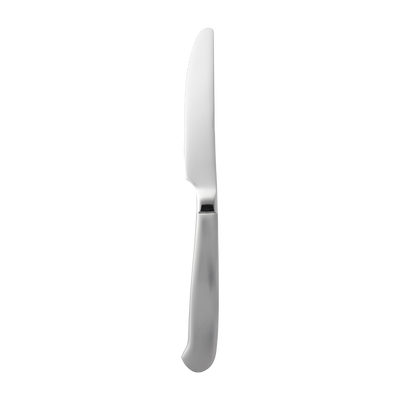
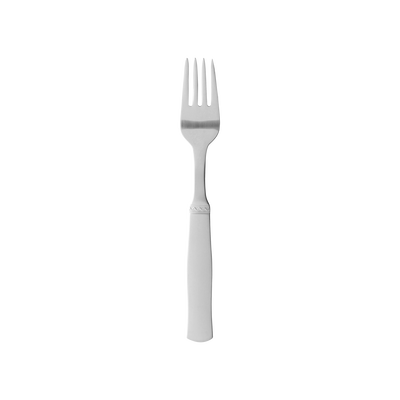
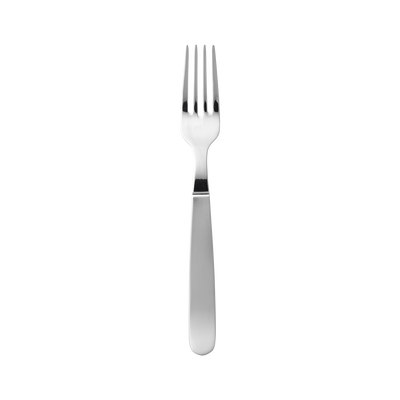
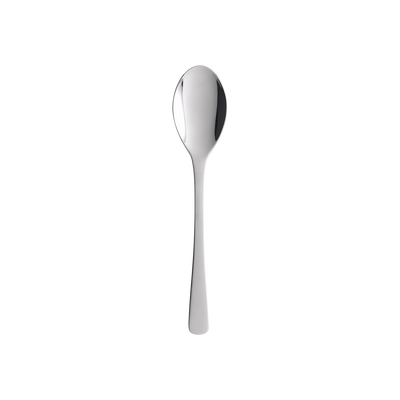

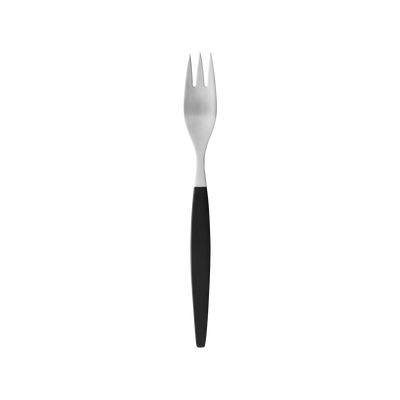
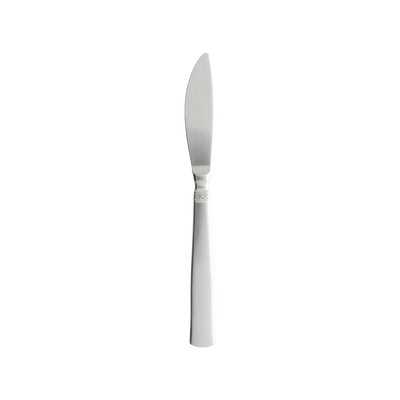
Choose flatware and cutlery for everyday use and special occasions
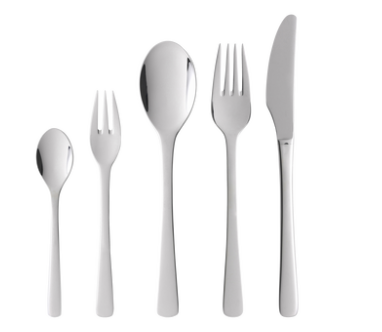
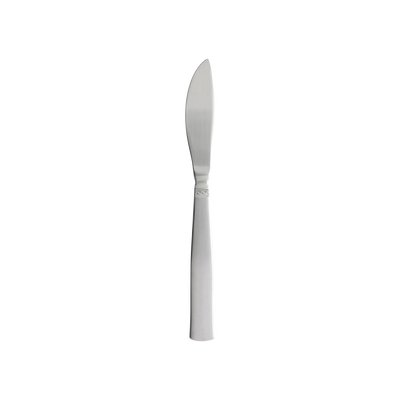
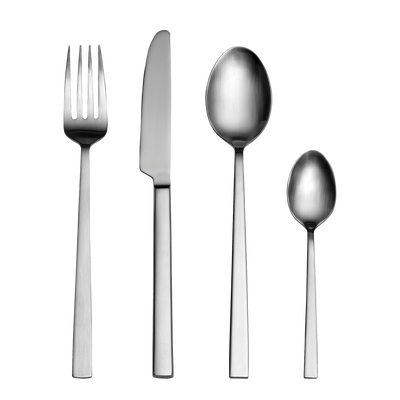
At Kitchen Living Dining, this category brings together Flatware & Cutlery for both daily meals and more formal table settings. You can compare everyday stainless steel cutlery with more exclusive silver cutlery for special occasions, and you will also find finishes such as black, gold and brass look. A practical way to browse is to start with the type you need most often, then narrow your choice by set size, finish and the pieces you want to add.
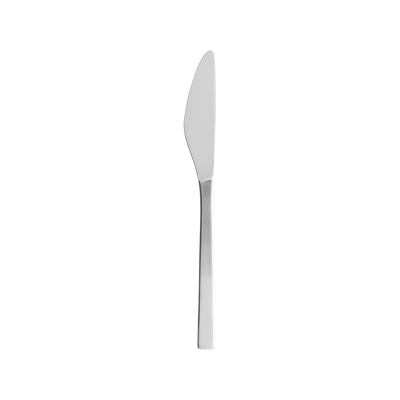
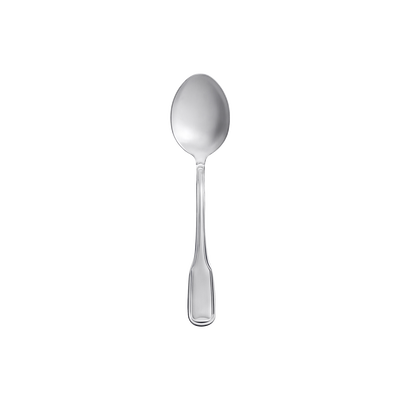
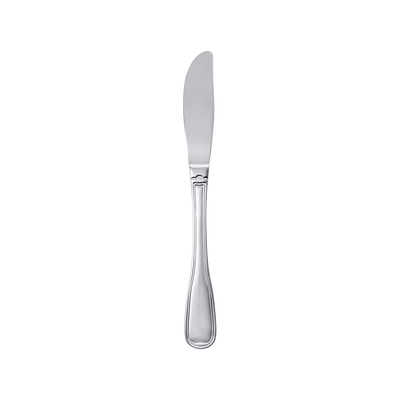
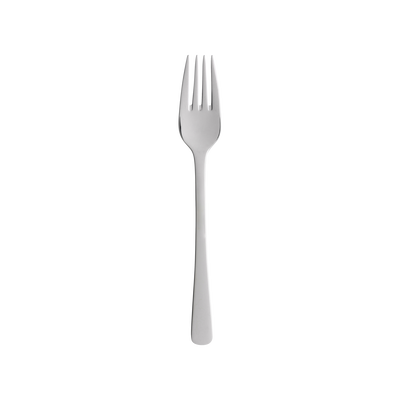
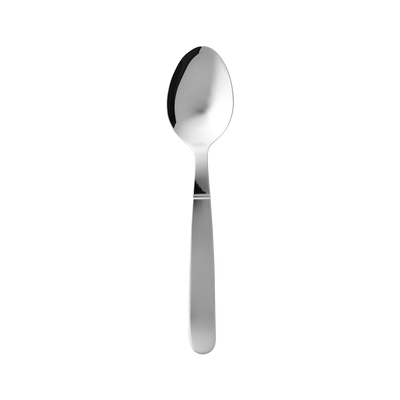
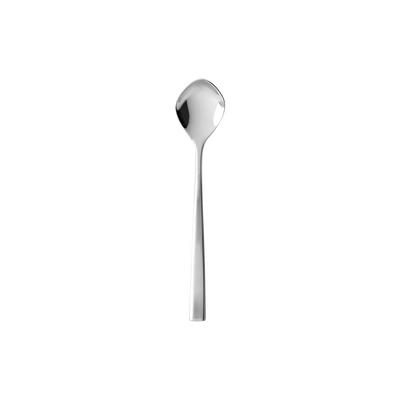
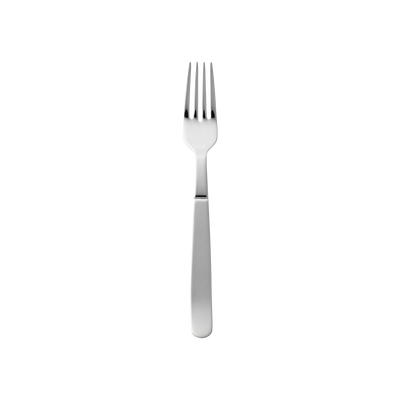
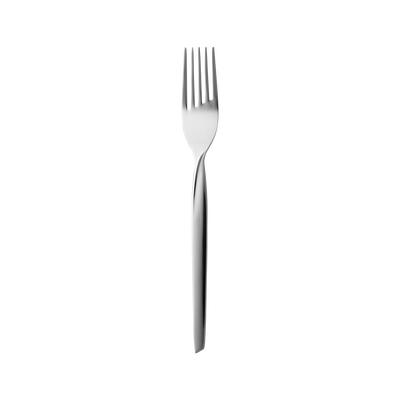
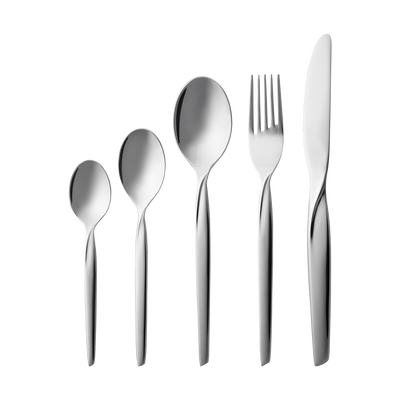
If you are building a basic table setting, it often makes sense to begin with the core pieces: forks, knives and spoons. These are the pieces used again and again, whether the table is set for a simple weekday meal or a more festive occasion. If you prefer to choose everything together, cutlery sets make it easier to compare different combinations and find a set that suits your table.
How this category helps you choose
When shopping online, many people move from broad choices to more specific ones. You may start with a full overview on Kitchen Living Dining, continue to the wider table setting range, and then focus on Flatware & Cutlery. From there, it becomes easier to compare whether you need individual pieces, a complete set or specialised serving items.
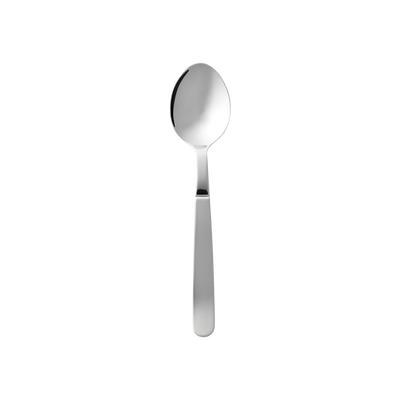
For everyday use, a classic set with knife, fork, tablespoon and teaspoon is often enough. If you want more flexibility, you can then add the pieces that match the way you set the table. That could include salad cutlery for serving salads, serving utensils for shared dishes, or more specialised options for particular meals and occasions.
Different types of cutlery in the range
This category includes both standard table cutlery and more specific pieces for serving and special meals. If you want one coordinated solution, cutlery sets are available in different sizes, including 60-piece, 16-piece, 12-piece and 4-piece sets. This gives you a simple way to compare how many place settings you need before deciding on style and finish.
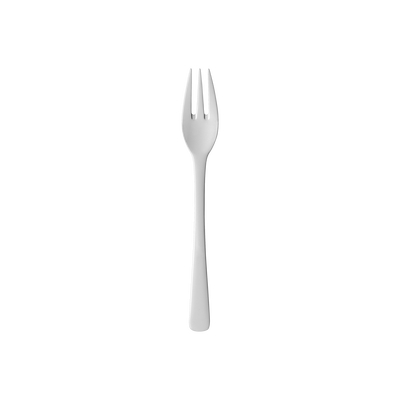
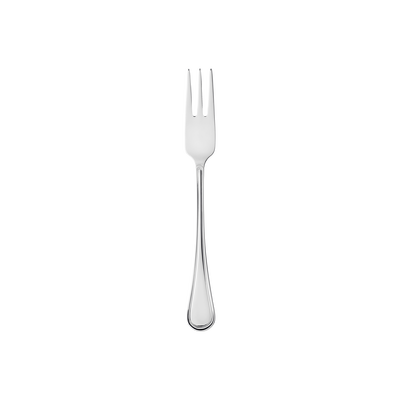
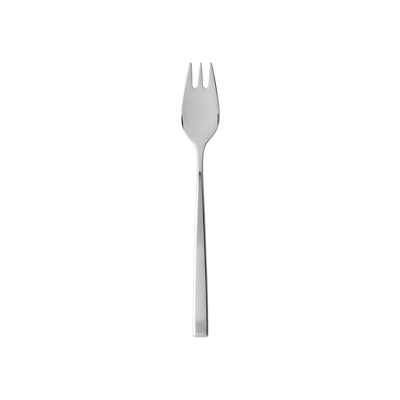
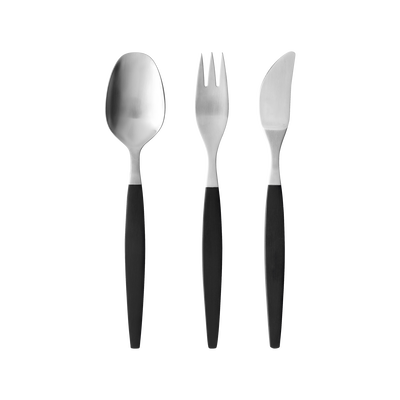
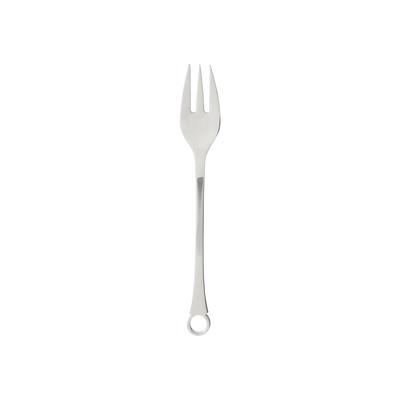
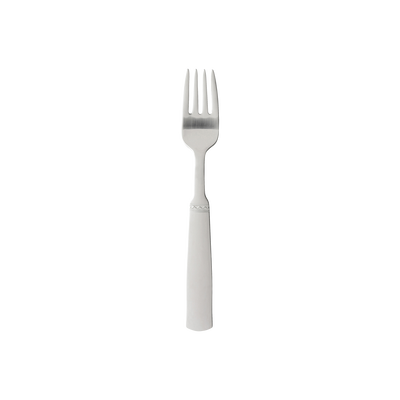
You will also find pieces for more specific purposes. children's cutlery is intended for the stage when a child is learning to eat independently. For grilled steaks, steak cutlery is shaped to make cutting easier. For serving cake at the coffee table, cake forks and servers help complete the setting.
For salads and shared dishes, it is useful to compare pieces by task. salad cutlery is suitable for fresh salads, while serving utensils include items such as sauce spoons, serving spoons, cheese knives and cold cut forks for different types of serving.
Setting the table with cutlery
Some people keep one set of cutlery for everyday use and another for special occasions, while others use the same cutlery for both. In everyday use, the table often only needs a knife, fork and, if relevant, a tablespoon and teaspoon. The fork is placed to the left of the plate, and the knife to the right with the cutting edge facing the plate.
For more formal meals with several courses, the table setting becomes more detailed. You may need more glasses, more plates and extra cutlery. Typically, the cutlery for the starter is placed on the outside, and the cutlery for the main course closer to the plate. A dessert spoon is placed above the plates. If the starter is soup, a tablespoon is placed to the right of the knife used for the main course.
During the meal, you begin with the outermost cutlery for the starter, then work inwards as the courses are served, finishing with the dessert spoon. If you are planning a full setting, it can help to combine your cutlery with matching categories such as glassware and plates. You can also complete the table with tablecloths and table accessories.
For serving, it is natural to add salad and serving pieces alongside your table cutlery. If desserts are served separately, cake forks and a cake server can be a useful addition. The category is designed so you can start with the essentials and then add the pieces that match the way you set the table for everyday use or for guests.
Storage and care
Stainless steel cutlery for everyday use can be stored in a cutlery drawer where it is easy to reach. Silver cutlery for special occasions is best stored in a bag or box. Correct storage and washing help extend the life of the cutlery.
Rinse cutlery after use, but do not leave it soaking. Coloured cutlery and wooden cutlery should be washed by hand. Steel cutlery and silver cutlery can both be washed in the dishwasher. Place the pieces so they do not touch each other or other steel utensils in the dishwasher, as rust particles can attach to the cutlery. When the wash is finished, open the door so the steam can escape.
Explore more for the full table setting
If you are putting together a full table setting, Flatware & Cutlery is often only one part of the choice. From the wider table setting range, you can continue to categories such as jugs and carafes, mugs and cups, bowls and dishes and bar accessories. This makes it easier to compare the different parts of the setting and build a table that works together.
Within Flatware & Cutlery itself, a simple way to choose is to begin with the items you use most often, then add specialised pieces such as children's cutlery, steak cutlery, salad cutlery, serving utensils or cake forks and servers as needed. That gives you a clear path from broad browsing to a more precise choice based on occasion, function and the type of table setting you want to create.
Frequently asked questions
How do I choose flatware and cutlery for everyday use?
A simple place to start is with the core pieces you use most often: a knife, fork, tablespoon and teaspoon. In everyday use, this means you can build a practical basic table setting first, then add other pieces later if your meals or serving style require them.
Should I choose individual pieces or a cutlery set?
If you want everything to match from the start, a cutlery set can make comparison easier because you can look at set size, finish and place settings together. In practice, this helps you decide whether a 4-piece, 12-piece, 16-piece or 60-piece set suits your table, while individual pieces are useful if you only need specific items.
What is the difference between everyday stainless steel cutlery and silver cutlery?
The category presents stainless steel cutlery as a common choice for daily meals and silver cutlery as an option for more special occasions. In practice, this means some people keep one type for everyday use and another for formal settings, depending on how they usually set the table.
What types of specialised cutlery are used for different meals or occasions?
Alongside standard table cutlery, the range includes pieces for more specific tasks such as salad cutlery, serving utensils, children's cutlery, steak cutlery, and cake forks and servers. This makes it easier to choose cutlery based on how you eat and serve, whether that means shared dishes, grilled meat, children's meals or desserts.
How is cutlery usually placed when setting the table?
For a simple setting, the fork is placed to the left of the plate and the knife to the right, with the cutting edge facing the plate. For more formal meals, the outermost cutlery is used first and the pieces closer to the plate are used later, while a dessert spoon is placed above the plates.
How can I narrow down the right flatware and cutlery online?
A practical way to browse is to begin with the type you need most often, then refine your choice by set size, finish and the pieces you want to add. In practice, this helps you move from broader browsing to more specific selections, such as a full set, individual forks and knives, or serving pieces for particular meals.
How should cutlery be stored and cared for?
Stainless steel cutlery for everyday use can be kept in a cutlery drawer, while silver cutlery for special occasions is best stored in a bag or box. This makes it easier to protect the pieces in storage, and the category content also recommends rinsing cutlery after use without leaving it to soak.
Can all cutlery go in the dishwasher?
No, the guidance in the category content says coloured cutlery and wooden cutlery should be washed by hand, while steel and silver cutlery can go in the dishwasher. In practice, this helps you avoid damage, and it is also recommended to place pieces so they do not touch each other or other steel utensils and to open the dishwasher door after the cycle so steam can escape.