




Pots and pans for different cooking tasks
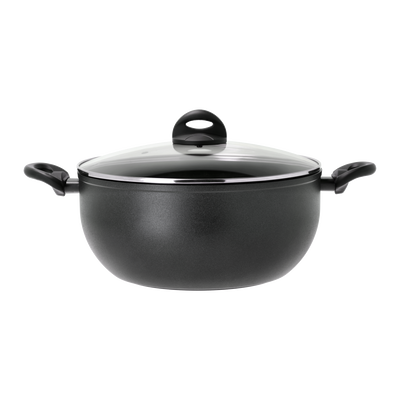
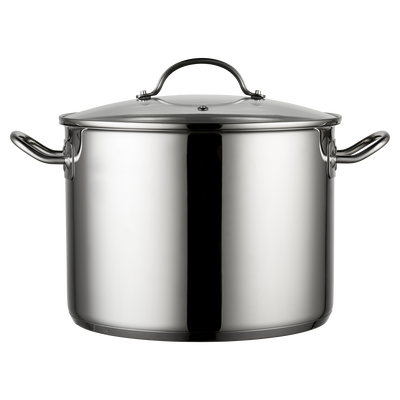
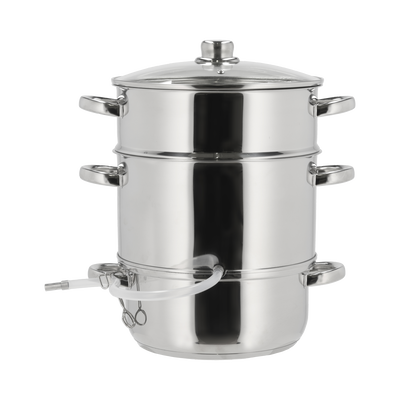
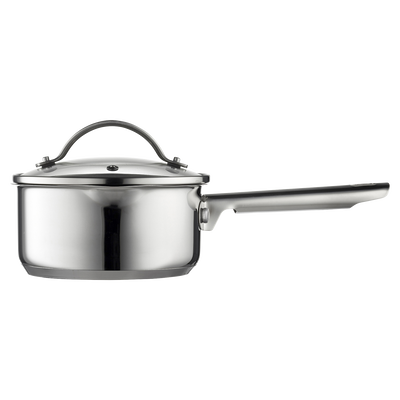
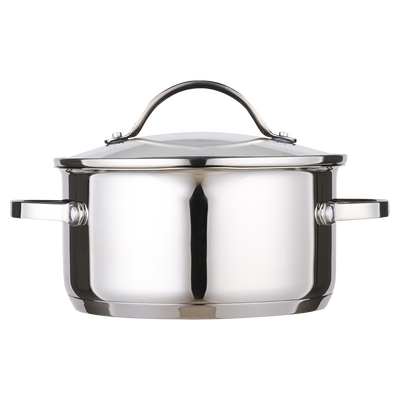
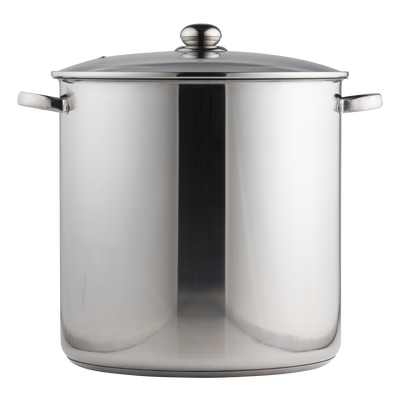
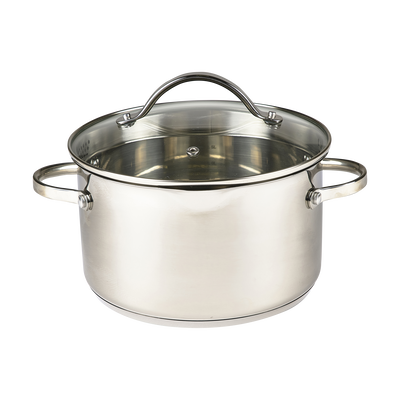
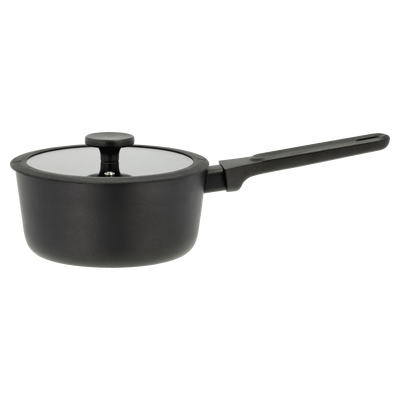
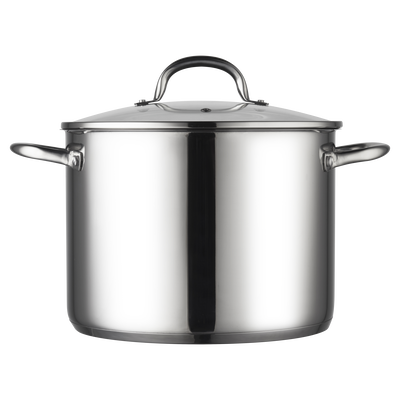
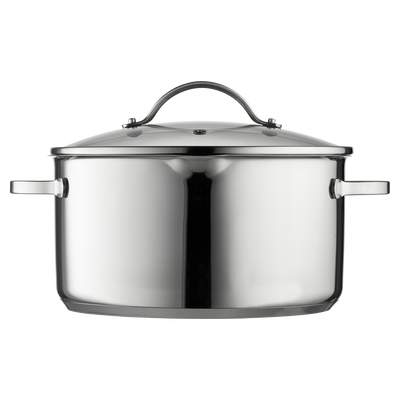
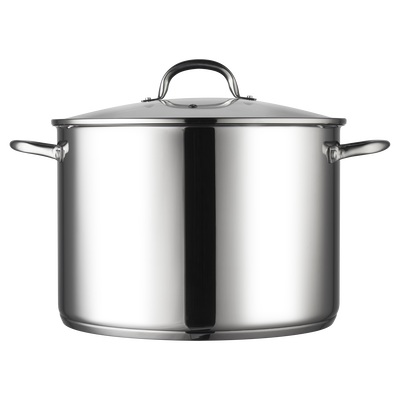
The right cookware depends on what you cook and how you prefer to prepare it. Pots are versatile choices for boiling vegetables, cooking pasta, making soups and preparing larger portions, while saucepans are particularly practical for sauces, smaller portions and other jobs that call for a more compact pan.
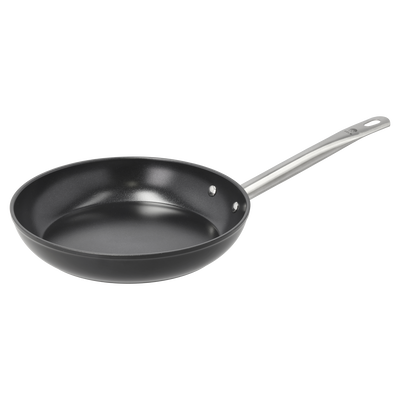
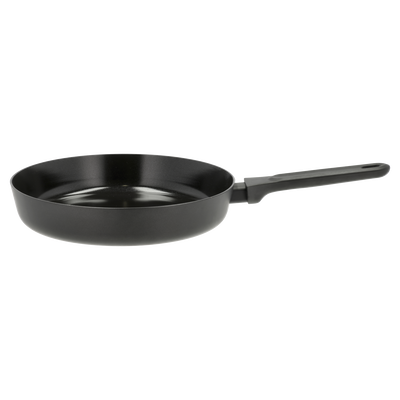
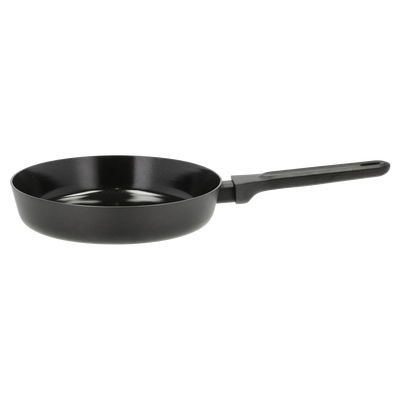
For browning, searing and everyday stovetop cooking, frying pans are a kitchen staple. The broader cookware category also covers more specialised options, so you can match the shape and style of the pan to the food you prepare most often.
Frying pans, sauté pans and woks
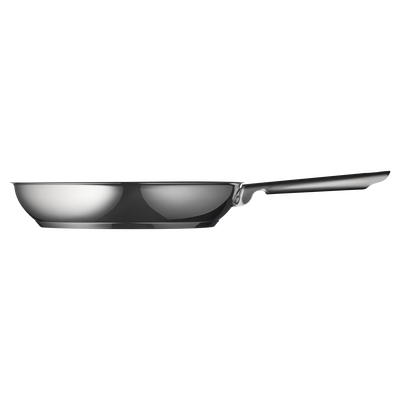
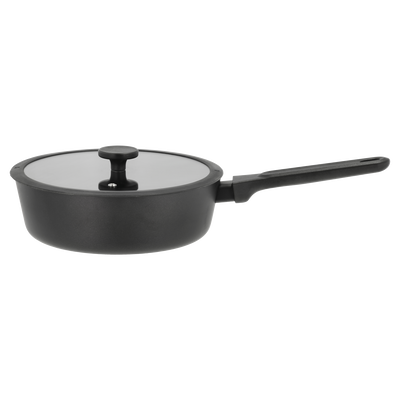
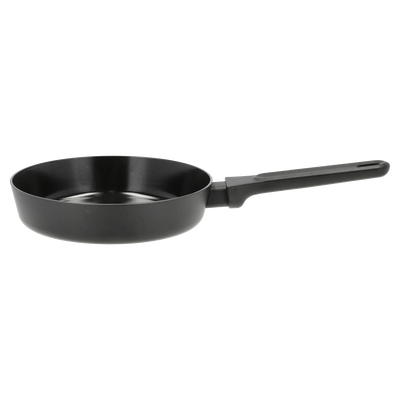
Different pan shapes suit different cooking methods. A frying pan provides an open cooking surface for foods such as eggs, vegetables and meat. A sauté pan is a useful alternative when you want higher sides for tossing ingredients, combining sauces with other ingredients or preparing dishes with more liquid.
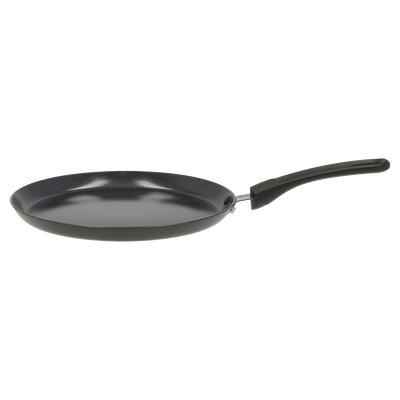
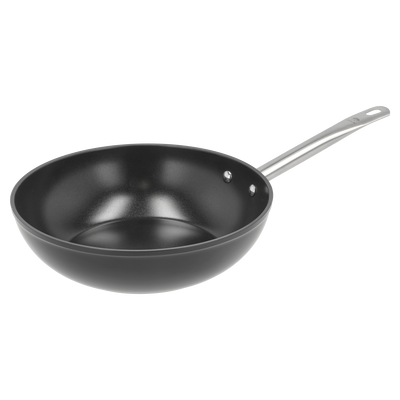
Wok pans are shaped for stir-frying and cooking ingredients quickly together. For more specific tasks, crêpe pans provide a shape designed for pancakes and crêpes, while grill pans and griddles are designed for direct contact cooking and browning.
Cookware sets for a coordinated kitchen
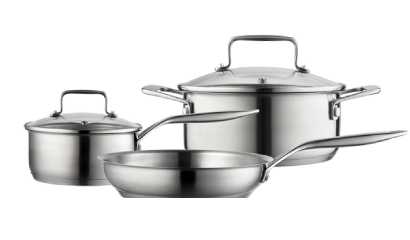
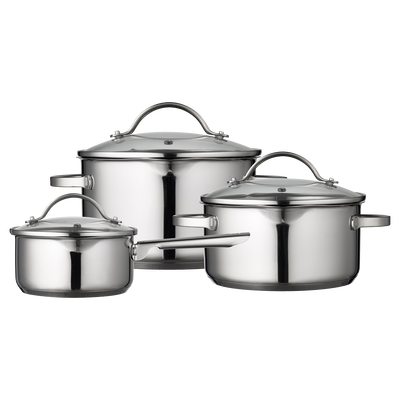
If you need several pieces of cookware, cookware sets offer a practical way to cover multiple cooking tasks with coordinated pieces. Consider the dishes you prepare regularly and whether you need cookware for several pans to be in use at once. A combination of larger pots and smaller cookware can make it easier to prepare a main dish, vegetables and sauces at the same time.
Choosing pots and pans for your hob
Before choosing new cookware, check that it is compatible with your type of hob. This is particularly important with induction: induction cookware needs a suitable magnetic base to work with the hob. Compatibility can vary by product, so check the individual cookware specifications rather than assuming every pot or pan is suitable for every heat source.
Size also matters. Think about both your usual portion sizes and the diameter of your cooking zones. Smaller saucepans are convenient for modest quantities, while larger pots provide the capacity needed for pasta, soups and bigger meals. Choosing cookware around the tasks you perform most often can give you a more useful combination than simply collecting multiple pans of similar size and shape.
Frequently asked questions
How can I tell whether a pot or pan will work on an induction hob?
Check the specifications for the individual product. Cookware for induction needs a suitable magnetic base, and compatibility can vary between pots and pans.
Should I buy individual pots and pans or a cookware set?
Choose a cookware set if you need several coordinated pieces for different cooking tasks or often use multiple pans at once. Individual pieces are more suitable when you need to replace a particular pan or add a specific type or size to your existing cookware.
What size pots and pans should I choose?
Base the size on your usual portions, cooking tasks and hob zones. Smaller saucepans suit sauces and modest quantities, while larger pots offer more capacity for pasta, soups and bigger meals. The base of the cookware should also be appropriately sized for the cooking zone.