Make cake serving more inviting with cake stands
There is something special about serving coffee and cake in a way that looks considered as well as practical. A cake stand helps present the cake clearly on the table and gives it a more defined place when you are serving guests. As with other serving pieces, the visual side matters too, and a well-chosen stand can improve the overall impression.
On this page, you can compare different types of cake stands depending on what you want to serve and how you want it to look. Some prefer a classic shape with a single plate on a foot, while others look for a stand for layered cakes or a tiered option for smaller pieces. If you want to explore related categories, you can also browse table setting or see the wider selection of bowls and dishes.
Tiered cake stands for small cakes and decorative serving
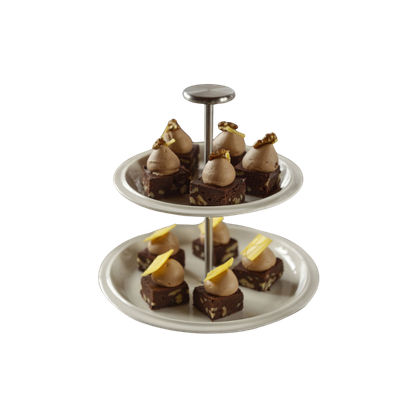
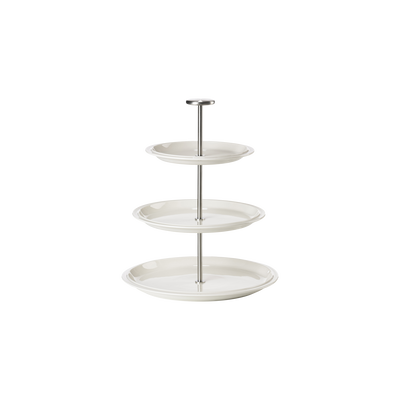
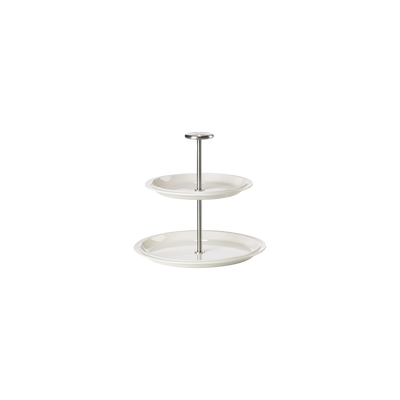
If you have spent time making muffins, cookies, or other small cakes, a tiered cake stand can be a good way to serve them. These stands are built in two or three levels, creating height and making it easier to display several pieces at once. The result is decorative and helps organise the serving in a compact way.
A practical way to choose is to start with what you normally bake. If you often serve small cakes, pastries, or bite-sized treats, a tiered stand gives each item visibility and creates a neat overview on the table. It also works well when you want the serving to feel a little more arranged for a special occasion.
A tiered stand can also be used for more than cake. It can be used for fruit, cheeses, small sandwiches, or similar items when you want the presentation to feel more considered. If you are comparing different serving solutions, you may also want to look at serving dishes and serving bowls for other ways to arrange food on the table.
Which cake stand should you choose?
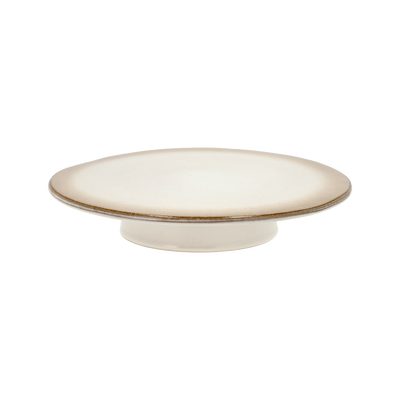
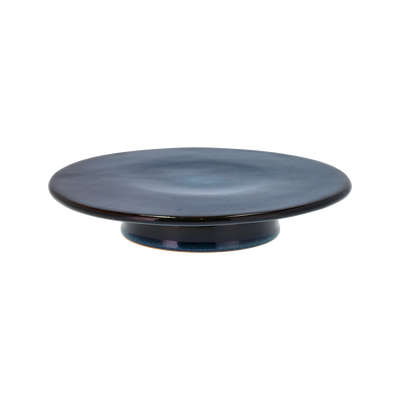
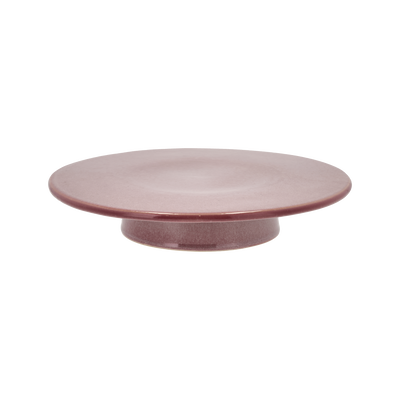
The right choice depends on your personal taste and on the look you want to create in your table setting. Some cake stands have a more traditional look, such as round white porcelain designs with a simple and classic feel. Others bring in more colour and a rustic look, for example stoneware with a matt glaze in different shades.
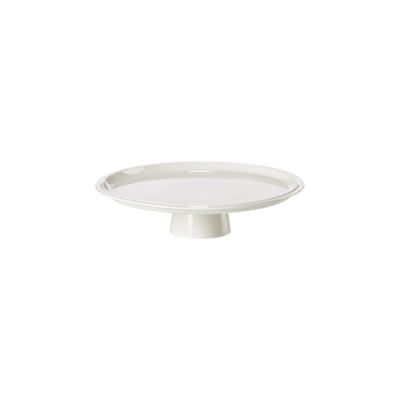
For most situations, it helps to narrow your choice by looking at three things: the type of cake, the shape of the stand, and the overall style. A single round pedestal stand suits many cakes and gives a familiar, classic presentation. A larger stand for layered cakes gives the cake the space it needs. A tiered stand is useful when you want to serve several smaller items vertically rather than spread them out across the table.
You can also think about whether you prefer a nostalgic look or a more modern one. Some stands look timeless and traditional, while others fit naturally into a simpler and more contemporary table setting. This page is designed to help you move from the broad choice of cake stands to the details that matter most, so it becomes easier to compare styles and decide what suits your table.
A cake stand is not only a practical serving piece. It also adds a finishing touch to the table setting. If you are building a coordinated serving setup, you can combine your choice with other pieces from bowls and bowl sets, or compare shapes and uses across categories such as pasta bowls and salad bowls.
Complete the presentation of your cake
Once the cake is baked, the decorating begins. The finished look of the cake and the way it is presented often work together, so the stand becomes part of the final result. A carefully decorated cake gains more attention when it is placed on a dedicated stand rather than served directly from a tray or work surface.
That is one reason many people look at cake stands as part of a wider baking and serving process. After preparing, decorating, and finishing the cake, the final step is presenting it in a way that suits the occasion. A raised stand can frame the cake more clearly and make it easier to make it the centre of the table.
When browsing this category, it can help to think in sequence: first the type of cake you are making, then the stand that suits it, and finally the rest of the serving pieces around it. That way, you can compare products in a more practical way and quickly narrow the selection.
Explore cake stands as part of your baking and table setting
Cake stands sit naturally between baking and table setting. They are chosen for serving, but they are often considered alongside the bakeware and kitchen tools used earlier in the process. If you enjoy baking cakes, cookies, or small pastries, the stand is part of how the finished result is presented when it reaches the table.
On a webshop, this often means moving between related categories to compare what you need for both preparation and serving. You might start in cake stands, then continue to other serving categories, or begin with the wider table setting and narrow down from there. This category helps by gathering the main options in one place, so you can compare classic pedestal stands, cake stands for larger cakes, and tiered designs without switching between unrelated products.
If you want to build a fuller overview of your serving pieces, you can return to the broader table setting category or continue within bowls and dishes to compare categories side by side. Looking across related products makes it easier to create a consistent setup for serving cakes, small dishes, and other items at the table.
Whether you prefer a classic cake stand on a foot or a tiered design for smaller cakes, the category gives you a clear overview of the main styles. That makes it easier to compare appearance and serving purpose before choosing the option that best matches your cake and your table.
Frequently asked questions
What is a cake stand used for?
A cake stand is used to present cakes more clearly on the table and give them a defined place when serving. In everyday use, this means that the cake becomes easier to display and serve, while also contributing to the overall look of the table setting.
Should I choose a single cake stand or a tiered cake stand?
A single cake stand suits many whole cakes and gives a classic, familiar presentation, while a tiered cake stand is better for smaller cakes, pastries, muffins, or cookies. In practice, this helps you choose based on whether you want to serve one larger cake or several smaller items in a more vertical arrangement.
What should I look at when choosing a cake stand?
It helps to focus on three things: the type of cake, the shape of the stand, and the overall style you want on the table. This makes it easier to compare narrower options and find a stand that suits both the food you serve and the setting around it.
When is a tiered cake stand the most practical choice?
A tiered cake stand is practical when you want to serve several small items at once, such as small cakes, pastries, or bite-sized treats. In everyday use, this means that each item is easier to see and the table can stay more organised without spreading everything out.
Can a tiered cake stand be used for foods other than cake?
Yes, a tiered cake stand can also be used for fruit, cheeses, small sandwiches, and similar items. In practice, this helps you use the stand for decorative serving in different situations, not only for baking.
How do I choose a cake stand that matches my table setting?
You can start by deciding whether you prefer a traditional look or a more modern one, and then compare materials and colours that fit that style. This makes it easier to choose a stand that works with the rest of your serving pieces and creates a more consistent presentation.
Why use a cake stand instead of serving cake directly from a tray?
A cake stand raises the cake and gives it a clearer visual place on the table, which can make the presentation feel more considered. In practice, this helps frame the finished cake and makes it easier for it to become a central part of the table setting.
How can I narrow down the right cake stand on a webshop?
A practical way to start is by thinking in sequence: first the type of cake you usually make, then the stand that suits it, and finally the other serving pieces around it. This makes it easier to move from broad choices to more specific selections and compare the options that match your needs.