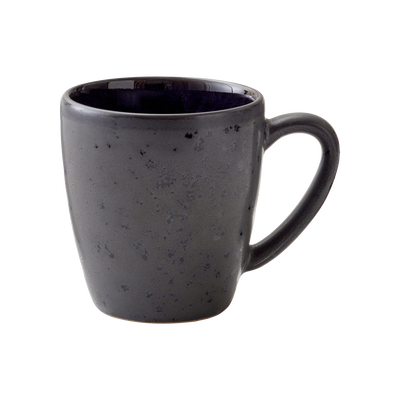
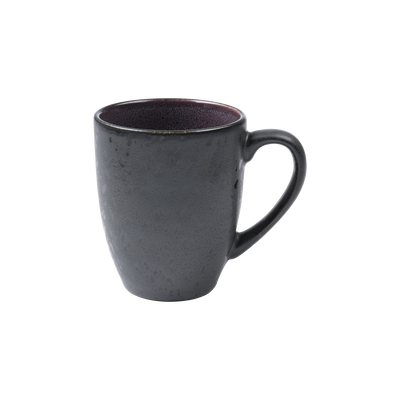
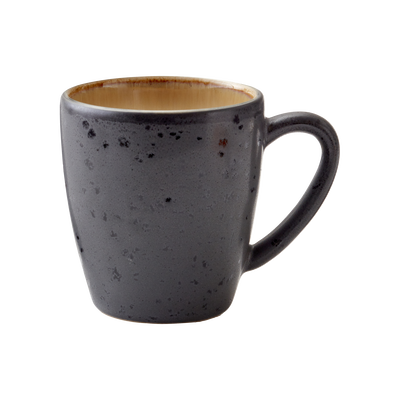
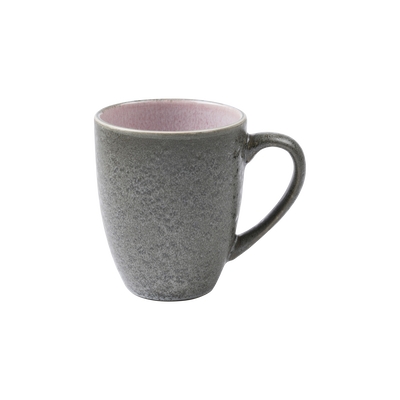
Save 30%
Save 30%
Save 30%
Save 30%
Save 30%
Save 30%
What is a mug?
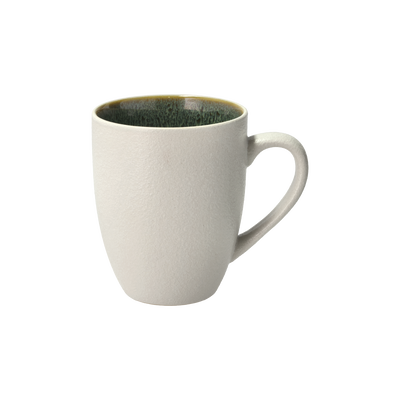
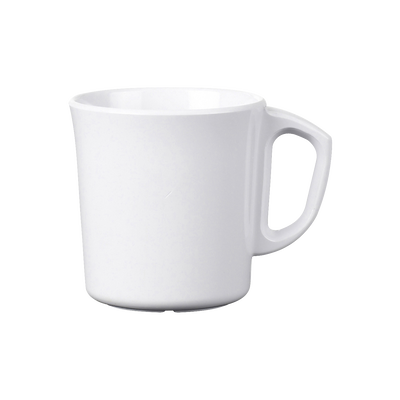
A mug is a cylindrical or conical drinking vessel that is typically used for hot drinks such as coffee, tea or hot chocolate. Mugs are available both with and without handles.
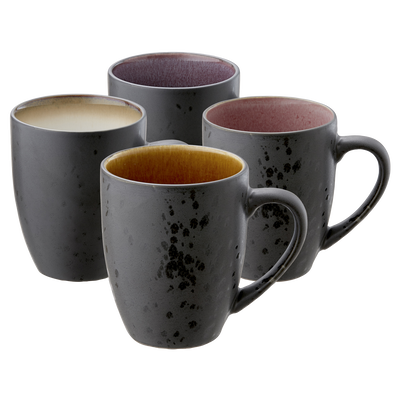
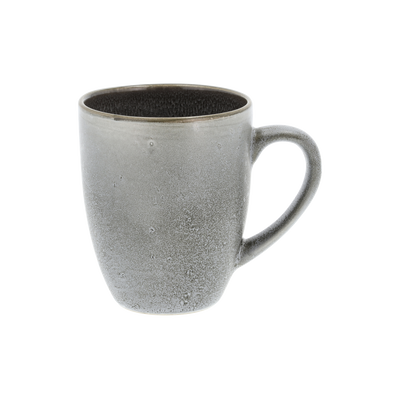
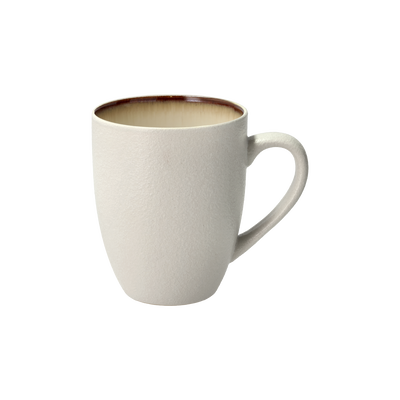
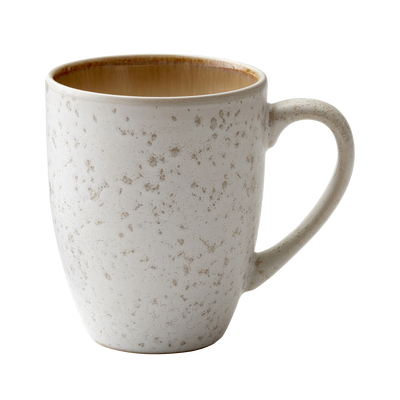
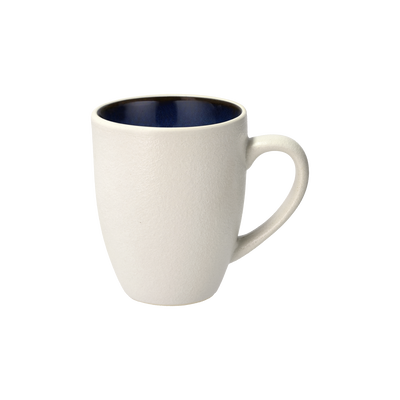
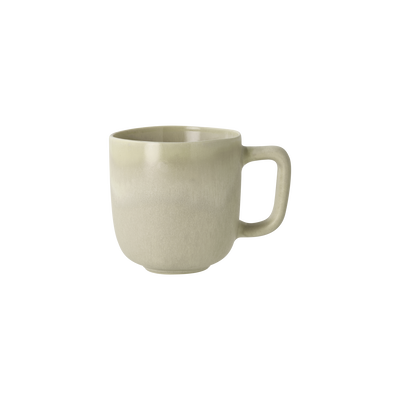
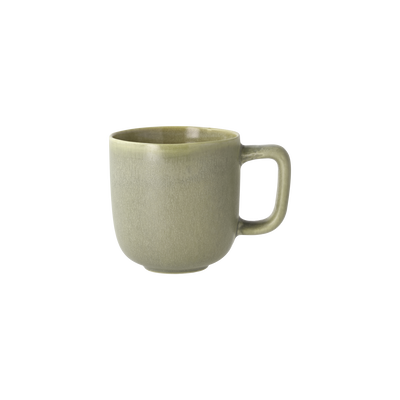
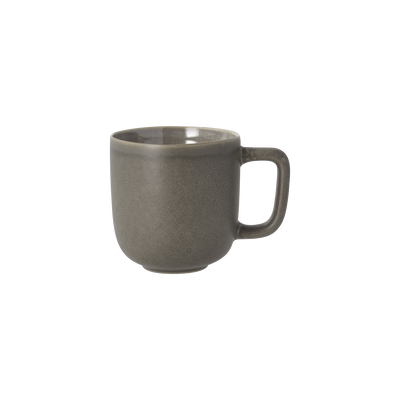
Mugs come in different sizes and designs. Some have smooth surfaces, while others have a textured finish, and they can be decorated with colours, patterns and many other details.
Alongside their practical function, mugs can also reflect personal style, and for some people they are something to collect. On a webshop page like this, many shoppers begin by looking at shape and finish, then narrow the choice down by material, size and whether they prefer a handle.
What are mugs made of?
Mugs can be made from many different materials, and the material has a big effect on both appearance and everyday use. Below you can see the materials that are typically used for mugs.
Glass
Glass mugs are, as the name suggests, made of glass. They stand out from other mugs because they are transparent, so you can see the contents of the mug.
Glass mugs are versatile and used for a wide range of drinks, including coffee, iced coffee, tea, hot chocolate and Irish coffee. They suit many different occasions and interior styles.
Ceramic
Ceramic is a durable and versatile material that has been used for mugs for decades. Ceramic mugs can be glazed with a shiny surface or have a matte finish for a more natural look.
One of the advantages of ceramic mugs is their ability to retain heat for longer, so you can enjoy your drink without it cooling too quickly.
Metal
Metal is a robust material that can withstand knocks and similar impact. Metal mugs are versatile and can be used for different types of drinks. They can also be brought along for camping trips, festivals and similar occasions.
Metal mugs come in different styles, from polished mugs with a modern, streamlined look to mugs with a hammered pattern on the outside. There are also different types of metal to choose from, such as steel and copper.
Plastic
Plastic mugs are popular because of their durability and functionality. Plastic is a strong and resistant material, which makes these mugs suitable for outdoor activities, camping trips, outings and more.
Plastic mugs are easy to clean and maintain. They can usually be washed in the dishwasher.
Porcelain
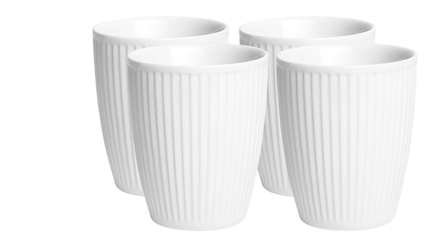
Porcelain is a timeless and classic material that has been used for mugs for many years. Porcelain mugs are known for their elegant and refined appearance. You can see examples in mugs and cups, where different looks and materials are gathered in one place.
Porcelain does not affect taste or aroma, allowing you to enjoy the full flavour experience. For that reason, porcelain mugs are a popular choice among tea and coffee enthusiasts.
Stoneware
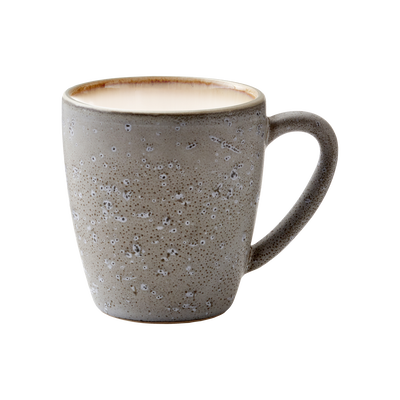
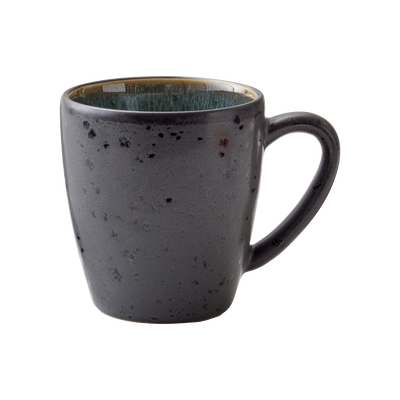
Stoneware is a ceramic material known for its durability and distinctive texture. One of the most noticeable features of stoneware mugs is their rustic and natural appearance.
An advantage of stoneware mugs is their ability to help maintain the temperature of hot drinks. If you are comparing mugs mainly by expression and finish, stoneware is often easy to recognise among the different options on the page.
Cast iron
A cast iron mug has a very distinctive look that brings to mind tea culture in Asia. It often has a patterned surface and an enamel coating on the inside.
Cast iron is a highly durable material known for its good heat conductivity. When you pour a hot liquid into a cast iron mug, the material absorbs and retains the heat for longer.
What is the difference between a cup and a mug?
The difference between a cup and a mug mainly comes down to shape, size and use. A mug is generally larger and roomier than a cup and typically holds between 25 and 50 cl. It often has a cylindrical or conical shape.
A cup is smaller and more compact and typically holds between 15 and 25 cl. It usually has a rounded shape and a handle, and it is often used together with a saucer.
Both are used for hot drinks such as coffee, tea and hot chocolate, but they are often chosen for different situations. Cups are more common for formal settings, while mugs often have a more relaxed and informal character. If you want to compare the two more directly, you can also browse cups alongside mugs.
Which mug should I choose?
The right mug depends on your preferences and needs. A practical way to choose is to compare a few key points before deciding.
Material
Think about which material you prefer. The different materials vary a lot in both properties and appearance, so this is often the first useful way to narrow the range.
Size
Consider how much liquid you usually drink at one time. If you prefer a smaller serving, a smaller mug is suitable. If you usually enjoy a larger amount, a larger mug is a better fit.
Design
Take your personal style into account when choosing mugs for coffee or tea. Mugs are available in many different designs, colours and patterns. For most situations, it helps to compare a few styles side by side and then choose the one that feels right visually.
Ergonomics and comfort
Think about whether you prefer mugs with or without a handle. Some people find a handle more comfortable to hold, while others prefer holding the mug itself.
The best mug for you is the one that suits your preferences and needs. Looking at material, size, design and grip will usually make the choice more manageable when you are browsing several options online.
Find related categories for tea and coffee
If you want to continue from broad choices to more specific products, it can be helpful to start with the full table setting range and then move into more focused categories.
Within this area, mugs and cups gives you an overview of the different options. If you are shopping for smaller formats, you can compare espresso cups. If heat retention is especially important, it may also be useful to look at thermo mugs.
You can also explore children's cups and mugs if you are looking for options in that part of the range. Moving between these categories makes it easier to compare shape, use and size, so you can decide whether a classic mug, a smaller cup or a more specialised alternative is the right choice.
Frequently asked questions
What is the difference between a mug and a cup?
A mug is usually larger than a cup and often holds around 25 to 50 cl, while a cup typically holds about 15 to 25 cl. Mugs are often more cylindrical or conical, whereas cups are usually more rounded and often paired with a saucer. In everyday use, this means a mug is often chosen for a larger, more relaxed hot drink, while a cup suits smaller servings and more formal settings.
What materials are mugs usually made from?
Mugs are commonly made from glass, ceramic, metal, plastic, porcelain, stoneware and cast iron. Each material affects the look and how the mug feels in daily use, such as whether it is transparent, textured or especially durable. In practice, this helps you narrow your choice by both appearance and how you plan to use the mug.
Which mug material keeps hot drinks warm for longer?
Ceramic, stoneware and cast iron are all described as materials that help retain heat well. Porcelain is also often chosen for hot drinks because it does not affect taste or aroma. In everyday use, this means these materials can be helpful if you want your tea or coffee to stay warm for longer while you drink it.
How do I choose the right mug size?
A good starting point is to think about how much liquid you usually drink at one time. Smaller mugs suit smaller servings, while larger mugs are better if you prefer a more generous drink. In practice, this helps you choose a mug that fits your usual routine rather than selecting only by appearance.
Should I choose a mug with a handle or without one?
That mainly depends on what feels most comfortable to hold. Some people prefer a handle for grip, while others like holding the mug itself. In everyday use, this makes it easier to choose based on comfort and how you naturally drink tea, coffee or hot chocolate.
Are glass mugs only for cold drinks?
No, glass mugs can be used for a wide range of drinks, including coffee, iced coffee, tea, hot chocolate and Irish coffee. Their main difference is that they are transparent, so you can see the contents clearly. In practice, this makes them useful if you like a lighter visual look or want to see the drink while serving it.
Which mug materials are practical for outdoor use?
Metal and plastic mugs are described as practical choices for activities such as camping, festivals and outings. Metal is robust and can withstand knocks, while plastic is durable and generally easy to clean. In everyday use, this means these materials can be easier to bring along when you need something less delicate.
How can I narrow down the best mug when shopping online?
A practical way to compare mugs online is to start with material, then look at size, design and whether you prefer a handle. You can also move from broader ranges to more specific selections such as cups, espresso cups or thermo mugs if you want to compare similar options. This makes it easier to filter choices step by step instead of trying to judge every mug at once.