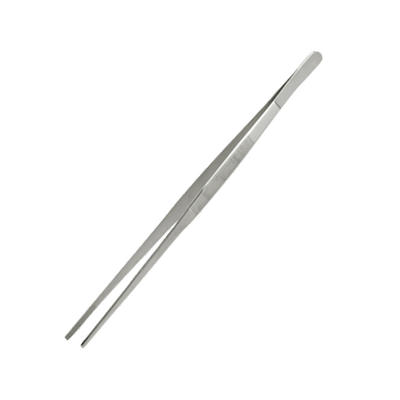
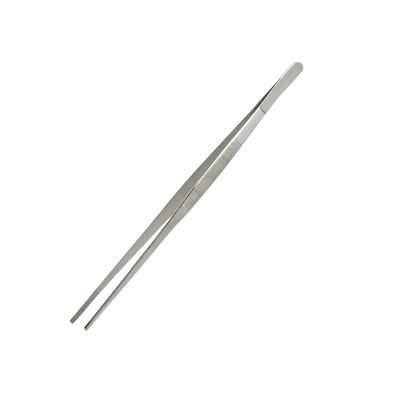
What are Food Tweezers?
Food Tweezers are a kitchen utensil used to handle ingredients with precision and control. In our range, you will find Food Tweezers in wood and steel, and they also vary in size. Because of these differences, the category includes several types suited to different kitchen tasks rather than one single standard shape.
That is why it helps to compare Food Tweezers by size, material and intended use. Some are better for fine plating and careful adjustments on the plate, while others are more suitable for serving, turning or handling larger pieces of food. A practical way to choose is to start with the tasks you do most often and then narrow down from there.
What can I use Food Tweezers for?
Food Tweezers cover a wide range of kitchen jobs, and the right choice often depends on how much precision or grip you need.
For more precise plating
Smaller Food Tweezers of around 20 cm are useful when you want to arrange desserts neatly or make small adjustments during plating. If presentation matters in your cooking, a smaller size gives you more control when placing individual elements exactly where you want them.
For serving and lighter handling
A slightly larger model is also referred to as food tongs and is around 25 cm long. This size can work well for serving, for example in salads, where it is easier for both you and your guests to grip the food. If you need a utensil that sits between delicate plating and larger cooking tasks, this type is often a practical middle ground.
For larger ingredients and grilling
If you often handle large roasts in the oven or on the grill, a larger pair of tongs is the better choice. These are suitable for tasks where you need control over bigger ingredients, and many larger steel tongs can also be used as other kitchen utensils for cooking tasks that require a longer reach. Many are also suitable as kitchen utensils used near high heat, where the extra length helps keep your hands at a safer distance.
Which Food Tweezers should I choose?
In many homes, it makes sense to have at least two types of Food Tweezers, but the right choice depends on your needs. A practical way to choose is to think about the tasks you mainly do in the kitchen. If plating is not important to you, a smaller pair may be unnecessary. If you never grill, you may not need a larger model.
For most situations, users compare this category by moving from broad choices to more specific ones. First, decide whether you need Food Tweezers for plating, serving or handling larger ingredients. Then compare size and material. This makes it easier to find the option that matches your cooking habits without making the selection more complicated than it needs to be.
Many households prepare a variety of meals, and in that case it is often useful to have at least two different types. One smaller pair can be helpful for precise handling, while a larger pair covers serving or bigger ingredients. The category is built to support that comparison, so you can look at different formats side by side and choose according to the jobs you want the utensil to do.
Before deciding on a specific model, it is also worth considering material, as wood and steel each have their own strengths and limitations.
Steel Food Tweezers
Steel Food Tweezers combine strength and flexibility, which makes them suitable for a broad range of tasks. They are also easy to clean and can often go in the dishwasher. If you want one utensil that can cover many different jobs in everyday cooking, steel is often the most versatile place to start.
One point to keep in mind is that steel can scratch non-stick coatings, so it should be used carefully on those surfaces. If you use pans or cookware with delicate coatings, this is an important part of the comparison when deciding between materials.
Wooden Food Tweezers
Wooden Food Tweezers are gentle on all types of kitchen equipment. They should not be washed in the dishwasher, which means they require manual cleaning. If you prefer a material that is softer on cookware and suitable for serving and plating, wood can be a relevant choice.
Wood also gives a natural look that fits well when the utensil is used at the table or as part of presentation. If appearance matters alongside function, this may help you narrow down the category more easily.
Food Tweezers for grilling
A large pair of steel Food Tweezers can often also be used as grill tongs. They are usually longer than standard Food Tweezers, which helps protect your hands from the heat of the grill. They are robust and suitable for handling large and heavier pieces of meat, so if grilling is one of your regular cooking tasks, this is an important category feature to compare.
Users often begin with the broad category and then refine their choice based on where the utensil will be used most. If your focus is indoor plating, smaller models are easier to control. If your focus is oven cooking or grilling, larger steel tongs are generally the more suitable option.
Related kitchen utensils
If you are exploring this category as part of a wider kitchen update, you can also look through our selection of kitchen utensils and browse more other kitchen utensils for related tools. Depending on what you need, you can continue with lid and can openers, egg slicers, garlic presses, ice cream scoopers, kitchen scissors and poultry shears or vegetable and potato peelers.
Cleaning Food Tweezers
When working with food, good hygiene is essential, so Food Tweezers should be cleaned thoroughly after use. Careful cleaning also helps keep them looking neat and ready for the next task.
You can clean Food Tweezers in a few simple steps. Start by rinsing them under warm running water to remove loose food residue. Then use washing-up liquid with a sponge or brush and clean the utensil thoroughly. Many Food Tweezers have small grooves at the ends to improve grip on food, so it is important to clean these areas carefully, as residue can collect there more easily.
After that, rinse again under warm running water to remove all soap. Finally, dry the tweezers thoroughly with a clean kitchen towel or leave them to air dry before storing them. This is especially important for wooden Food Tweezers because they should be cleaned by hand.
Food Tweezers for different kitchen tasks
Food Tweezers give you control and precision in the kitchen, whether you are preparing, turning, serving or arranging food. The category brings together different sizes and materials so you can compare the options clearly and choose according to how you cook. If you start with the type of task, then move on to size and material, it becomes much easier to find the Food Tweezers that fit your everyday kitchen routine.
Frequently asked questions
What are Food Tweezers used for?
Food Tweezers are used to handle ingredients with more precision and control in the kitchen. In everyday use, this means they can help with fine plating, serving salads, turning food or handling larger ingredients depending on their size and shape.
How do I choose the right Food Tweezers?
A practical way to choose is to start with the kitchen tasks you do most often, such as plating, serving or grilling. This makes it easier to compare narrower options by size and material and find a pair that suits your usual cooking routine.
What size Food Tweezers should I choose?
Smaller Food Tweezers of around 20 cm are useful for precise plating and small adjustments on the plate. Larger models of around 25 cm and above are better for serving or handling bigger ingredients, and in practice this helps you match the utensil to the amount of control or reach you need.
What is the difference between steel and wooden Food Tweezers?
Steel Food Tweezers are strong, flexible and often easy to clean, while wooden Food Tweezers are gentler on cookware and better suited to hand washing. In everyday use, this means steel can be more versatile for different kitchen jobs, while wood can be a better choice if you want to avoid scratching delicate surfaces.
Can Food Tweezers be used for grilling?
Yes, larger steel Food Tweezers can often also be used as grill tongs. In practice, the extra length helps keep your hands further from the heat and makes it easier to handle heavier cuts of meat or larger ingredients.
Do I need more than one type of Food Tweezers?
Many households find it useful to have at least two types if they cook in different ways. This makes it easier to use one smaller pair for precise handling and another larger pair for serving or working with bigger ingredients.
How should I clean Food Tweezers?
Start by rinsing them under warm water, then wash them with washing-up liquid using a sponge or brush, and rinse again before drying thoroughly. In everyday use, this helps remove food residue properly, especially from any small grooves at the ends where bits of food can collect more easily.
Can Food Tweezers go in the dishwasher?
Many steel Food Tweezers can often go in the dishwasher, but wooden Food Tweezers should be cleaned by hand. This makes it easier to choose the right material if simple cleaning is important in your daily kitchen routine.