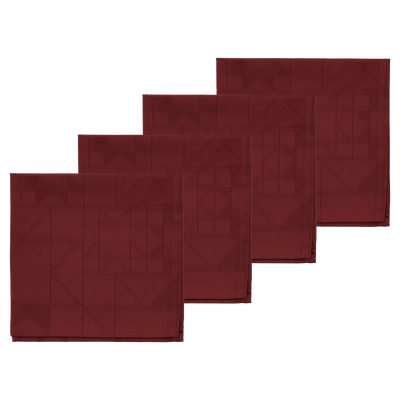
Create a beautiful table setting with cloth napkins
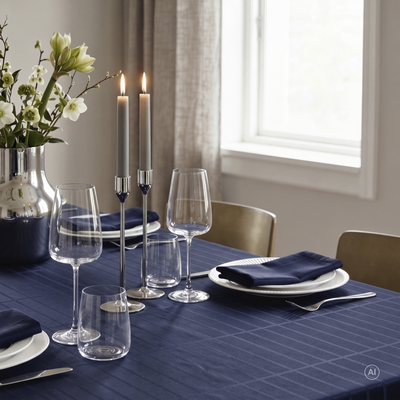
When you are planning a table setting, cloth napkins are one of the details that can bring everything together. They work well as part of a larger selection of table setting products, where you can move from broad ideas about the look of the table to more specific choices for each place setting.
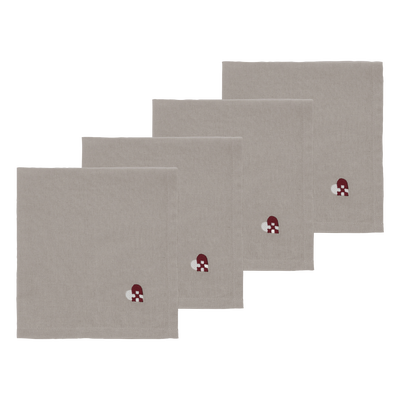
Cloth napkins are often associated with memorable occasions such as Christmas, weddings, confirmations and christenings, but they can also be used whenever you want the table to look more complete. Together with table accessories and placemats, they help shape the overall expression of the table and make it easier to coordinate colours, materials and details.
One of the practical advantages of this category is that there are many ways to style the napkins. You can fold them, roll them or tie them in a simple knot, depending on the look you want. If you are comparing options on a webshop, a practical way to choose is to start with colour and material, and then think about whether you want a softer, more relaxed expression or a sharper, more decorative finish.
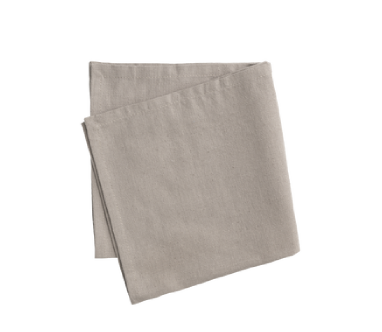
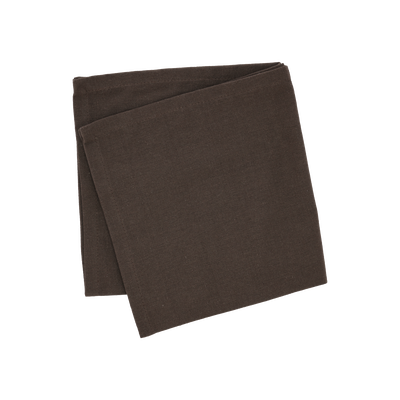
The range includes cloth napkins in materials such as cotton and linen, as well as a wide selection of colours. That makes it easier to compare variants side by side and choose napkins that match the rest of your table setting. If you are also looking at table linens, you can continue to tablecloths to compare related options in the same category area.
A practical and reusable choice
Cloth napkins combine comfort and function at the table. The fabric feels pleasant to use, and unlike disposable napkins, they are made to be washed and used again. As with many kitchen textiles, that makes them a reusable choice for table settings.
In everyday use, this also affects how you compare products. If you know you want napkins that can be used again and again, it helps to look at the material and the overall style you prefer. Cotton and linen each give a different look, and colour also matters if you want the napkins to blend in with other textiles or stand out as a detail on the table.
If you are building a coordinated table setting, it can be helpful to compare cloth napkins with different types of tablecloths. For example, some prefer to pair them with fabric tablecloths for a classic textile look, while others may want to browse damask tablecloths or acrylic tablecloths to compare how different table surfaces work with cloth napkins.
How to fold cloth napkins
One of the first things guests notice at the table is often the napkin at each place setting. Even a simple fold can make a strong first impression, but many people find folding cloth napkins more difficult than it looks.
A quick and classic option is to tie the napkin in a knot. It is simple, easy to do and does not take much time. This works well if you want a decorative detail without choosing a more advanced fold. If you want to be more creative, there are many ways to fold or roll cloth napkins, and the category supports that kind of comparison by letting you start with the napkin itself before adding other table details.
Large cloth napkins can also be styled with napkin holders or napkin rings if you want to add another element to the table setting. These details can highlight the shape and material of the napkin and help give the table a more defined expression.
How to wash your cloth napkins
Cloth napkins are designed to be washed and reused. If you want them ready for the next occasion, it helps to follow a few simple steps when washing them.
First, unfold the napkins completely before putting them in the washing machine. This helps avoid overfilling and gives them more room in the wash. For drying, it is better to hang them up instead of using a tumble dryer, as this can help give a smoother result.
Cloth napkins can often be washed at temperatures above 40 degrees. Always follow the care instructions on the fabric, but cotton can often be washed at 60 degrees, where the fibres open more and wash clean. If you want a smoother finish, it can also help to use a lower spin speed of no more than 600 to 800 revolutions.
After drying, the napkins can be ironed while they are still slightly damp. This can make them easier to smooth out and prepare for folding. If you need the right tools for that step, you can also browse tablecloths and related categories before continuing to other household textiles and ironing accessories elsewhere on the site.
How to starch cloth napkins
Like curtains, christening gowns or tablecloths, cloth napkins may sometimes need to be starched. This can make them less prone to dirt and help them last longer. It can also make folding easier if you want a firmer and more defined shape.
There are different ways to starch cloth napkins, depending on how stiff you want the result to be. A traditional method is to use potato starch as a cooked starch mixture.
Step by step
Mix 3 tablespoons of potato starch with 2 decilitres of cold water. Then add 2 litres of boiling water. If you want to dilute the mixture for a less stiff result, you can add another 2 litres of boiling water.
Place the freshly washed napkins in the mixture and wring them out firmly. After that, let them dry and iron them if needed. This gives you a more structured napkin that can hold its shape better on the table.
Choose cloth napkins by colour, material and table style
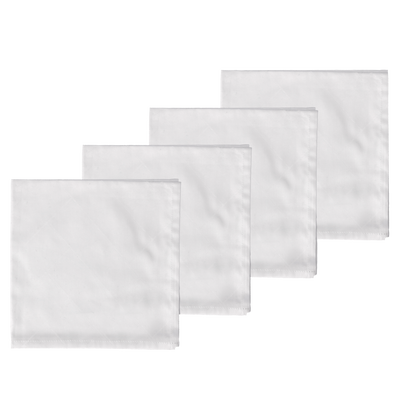
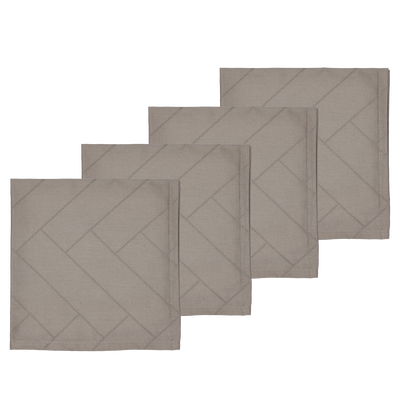
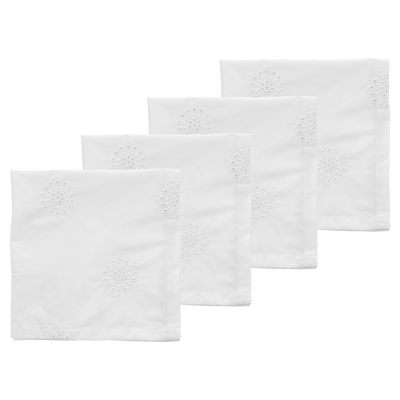
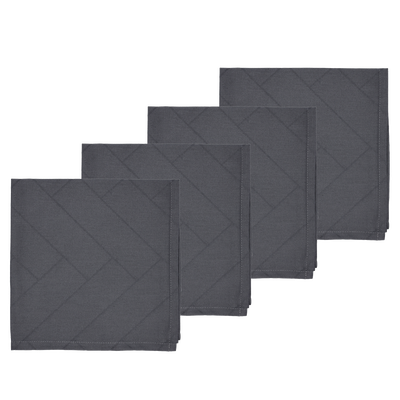
When you browse this category, one of the easiest ways to narrow the selection is by colour. Some prefer white cloth napkins for a classic look, while others choose coloured options to add contrast or tie the napkins in with other details on the table. Green, beige and other shades each create a different impression, so colour is often the first step in comparing products.
Material is another useful way to refine your choice. Cotton and linen give different expressions, and for most situations it helps to think about how the napkins should look as part of the full table setting. If you are already choosing table textiles, comparing cloth napkins alongside matching or contrasting tablecloths can make the decision easier.
This category is designed to help you move from a broad idea of the table you want to create towards more specific choices. You might begin by deciding whether the setting should look simple, decorative or more formal, then compare colours, materials and the size or style of the napkins that best support that look. From there, it is easy to continue into related table linen categories and build a table setting with details that work together.
Whether you are planning for a special occasion or simply want a more considered everyday table setting, cloth napkins are a decorative and reusable textile element that is easy to compare within the wider table setting range.
Frequently asked questions
How do I choose the right cloth napkins for my table setting?
A practical way to choose cloth napkins is to start with colour and material, then think about the overall look you want on the table. In practice, this helps you decide whether you want the napkins to blend in with other textiles or stand out as a more decorative detail.
What is the difference between cotton and linen cloth napkins?
The category content explains that cotton and linen give different expressions, so the choice is mainly about the look and feel you want. In everyday use, this means cotton and linen can support either a softer, more relaxed style or a sharper, more defined table setting.
Are cloth napkins suitable for everyday use or only for special occasions?
Cloth napkins are often used for occasions such as Christmas, weddings and christenings, but they can also be used whenever you want the table to look more complete. In practice, this means they work for both everyday meals and more formal table settings.
How can I style cloth napkins on the table?
You can fold them, roll them or tie them in a simple knot, depending on the look you want. This makes it easier to create either a quick, classic place setting or a more decorative finish, and larger napkins can also be used with napkin rings or holders.
How should I wash cloth napkins?
It helps to unfold the napkins fully before washing so they have more room in the machine. In practice, hanging them to dry instead of using a tumble dryer can give a smoother result, and they can often be ironed while still slightly damp.
What temperature should cloth napkins be washed at?
The content explains that cloth napkins can often be washed at temperatures above 40 degrees, but you should always follow the care instructions on the fabric. In practice, cotton can often be washed at 60 degrees, and a lower spin speed of around 600 to 800 revolutions can help give a smoother finish.
How do I starch cloth napkins?
A traditional method is to mix 3 tablespoons of potato starch with 2 decilitres of cold water, then add 2 litres of boiling water. In practice, you place the freshly washed napkins in the mixture, wring them out, let them dry and iron them if needed for a firmer shape.
How can I compare cloth napkins with other table textiles when shopping online?
It can help to compare cloth napkins by colour, material and the style of table you want to create, then look at matching or contrasting tablecloths. This makes it easier to move from broad ideas to narrower options and build a coordinated table setting.