Which casserole pans are best for induction?
Induction hobs are popular because they heat pots, pans and casserole pans quickly. When time is limited, it helps to have cookware that can bring water to the boil fast or warm sauces and similar dishes in just a few minutes. That is why many people look specifically for casserole pans that are made to work on induction.
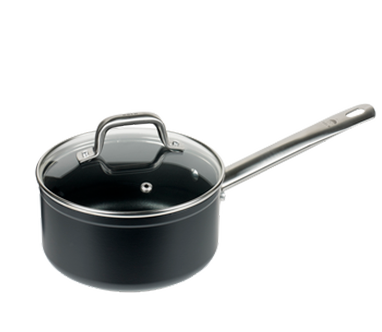
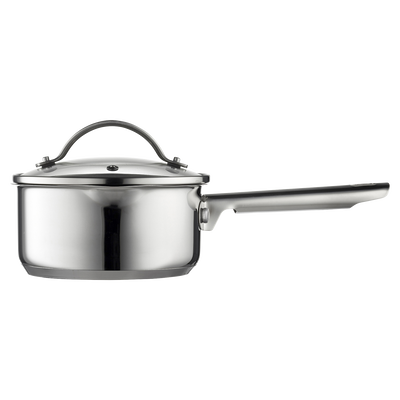
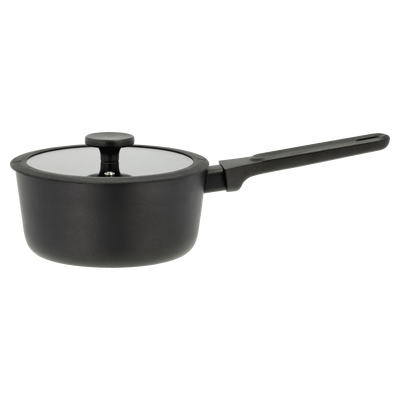
When choosing your next casserole pan for induction, it helps to start with the basics: size, design and how you expect to use it most often. Some people are looking for a small casserole pan for simple everyday tasks, while others prefer a version with a lid. If that is what you need, you can compare saucepans with lids and see whether that style suits your cooking better.
A practical way to choose is to think about the dishes you make most often. A smaller casserole pan can be useful when you only need to heat a small portion, while a larger size gives you more room for everyday cooking. The design also matters, because the best choice is usually the one that fits naturally into your daily routine and works well on your induction hob.
Size is one of the easiest ways to narrow down the category. This selection includes several practical capacities, such as 0.4 litre, 1.2 litre, 1.5 litre, 1.8 litre and 2 litre casserole pans for induction. Looking at capacity first can make comparison simpler, especially if you already know whether you want a compact pan or a more flexible size for different tasks.
If you are browsing more broadly, it can also help to move between related categories. You can start with the wider range of pots and pans, then narrow your search within saucepans if you want to compare more styles before deciding on the right induction-compatible option.
The best casserole pan for your induction hob is the one that matches your needs and can be used on induction. Those two points matter equally. It is not only about choosing a pan you like in terms of shape or size, but also about making sure it works with the technology of your hob. For most situations, that is the first thing to confirm before looking more closely at design details.
How do you check if a casserole pan can be used on induction?
Induction creates a magnetic field between the hob and the casserole pan. This gives the pan direct heat without having to heat the cooking zone first. Because of that, it is essential that the casserole pan is magnetic. If it is not, it will not work on an induction hob.
An easy way to check is to place a magnet on the base of the pan. If the magnet sticks, the pan can be used on induction. If it does not stick, the pan is not suitable for direct use on an induction hob. This is a simple test that can help when you are comparing different pans or checking cookware you already have at home.
You can also often find the induction symbol on cookware or in the product information. The symbol looks like a coil, and it is a useful detail to look for when you want to confirm compatibility before choosing. In a webshop, this kind of information helps you move from general browsing to more confident comparison between specific products.
Material can also affect whether a casserole pan works on induction. This is often relevant if you are considering copper. If you want to explore that style, you can look at copper saucepans as a separate category and compare them with induction-ready alternatives in this section.
When you browse casserole pans for induction online, it is often easiest to work step by step. First, confirm that the pan is suitable for induction. Next, compare size. After that, look at design features such as whether you want a lid or prefer a more open format. This gives you a clear way to sort the selection and avoid comparing products that do not match your basic requirements.
For everyday use, many shoppers start by deciding whether they need a small casserole pan or a more all-round size. From there, it becomes easier to compare shape and style. If you typically use a casserole pan for quick heating, sauces or small cooking tasks, a compact option may be enough. If you want one pan that can handle a bit more, it may be worth looking at the larger capacities in the category.
Design also plays a part in how useful a casserole pan feels in daily cooking. Some prefer a simple pan they can reach for often, while others want a lid as part of the setup. Since this category focuses on induction compatibility, it helps you compare those options within one area instead of searching across unrelated cookware types.
If you are still weighing your options, browsing from broader cookware categories into more specific ones can make the process easier. You might begin by viewing all pots and pans, then focus on saucepans, and finally compare induction-compatible casserole pans by size and design. That kind of navigation is useful when you want a clearer overview before making your final choice.
Casserole pans for induction at Kitchen Living Dining
Here you can explore casserole pans designed to work with induction technology. The range includes different sizes and designs, so you can compare what fits your cooking needs best. Some shoppers know exactly what they want from the start, while others prefer to move through the category gradually, beginning with size and then looking at details such as whether a lid is important.
If you want to continue comparing beyond this page, a practical next step is to browse the wider cookware selection through pots and pans or go directly to saucepans to see more related options. That makes it easier to compare casserole pans for induction with other saucepan styles and narrow the range in a structured way.
You can also compare specific alternatives if you already know what matters most to you. For example, saucepans with lids are useful if you want that format, while copper saucepans give you another material type to consider. By moving between these related categories, you can compare cookware in a more focused way and find the casserole pan that suits your induction hob and your everyday needs.
Frequently asked questions
How do I know if a casserole pan will work on an induction hob?
A casserole pan needs a magnetic base to work on induction. In practice, this means you can test it with a magnet: if the magnet sticks to the bottom, the pan is suitable for induction. You can also look for the induction symbol, which usually appears as a coil on the cookware or in the product information.
What should I check first when choosing a casserole pan for induction?
The first thing to confirm is whether the pan is suitable for induction. In everyday use, this helps you avoid comparing shapes and sizes that will not work on your hob. After that, it becomes easier to look at capacity, design and whether you want features such as a lid.
How do I choose the right size casserole pan for everyday cooking?
A useful starting point is to think about what you cook most often and how much space you need in the pan. In practice, a smaller casserole pan can be enough for heating small portions, sauces or quick tasks, while a larger size gives you more flexibility for daily cooking. Looking at capacity first can make comparing options much simpler.
Is a small casserole pan better for quick heating and sauces?
A small casserole pan can be a practical choice if you mainly heat small portions or make sauces. In everyday use, this means the pan may feel easier to handle for simple cooking tasks. If you want one pan to cover a wider range of jobs, it may help to compare slightly larger capacities as well.
Does it matter whether a casserole pan has a lid?
The design can matter, especially if you already know how you prefer to cook. In practice, this helps you narrow your options by deciding whether a lid is important before comparing other details. If a lid is part of your usual setup, it can make sense to compare cookware that includes that feature.
Can copper casserole pans be used on induction?
Material affects induction compatibility, so copper is something to check carefully. In practice, this means a copper pan is not automatically suitable for induction unless the product information confirms it. It is best to look for the induction symbol or use the magnet test before deciding.
What is the easiest way to compare casserole pans for induction on a webshop?
A clear way to compare them is to work step by step. In practice, this helps you start by confirming induction compatibility, then compare size, and finally look at design details such as whether you want a lid. This makes it easier to focus only on options that match your basic cooking needs.
Should I browse other cookware types before choosing a casserole pan for induction?
If you are still deciding, it can help to start with broader cookware ranges and then move into narrower options. In everyday use, this means you can compare casserole pans with other saucepan styles before making a final choice. It is a practical way to get a clearer overview of size, design and induction-ready options.