

Save 30%
Which peeler should I choose?
If you are tired of spending unnecessary time peeling vegetables and potatoes with a poor peeler, choosing a better design can make the task easier. This category includes several different types of Vegetable & Potato Peelers, and when there are many options to compare, it helps to look at how each design works in everyday use.
A practical way to choose is to start with the ingredients you peel most often. Some peelers are better suited to potatoes, others are easier to use on rounded or uneven vegetables, and some are designed for decorative strips. By comparing shape, grip and blade position, it becomes easier to narrow the choice and find the right model for your usual kitchen tasks.
The classic potato peeler
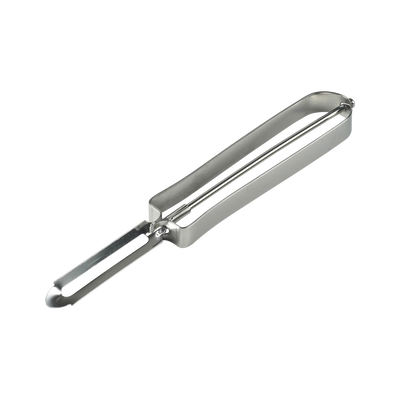
This timeless model is known for its simplicity and efficiency. It has a narrow blade that works well for peeling long strips from potatoes and other similar vegetables. For many kitchens, the classic peeler is a basic tool because it handles familiar peeling jobs in a straightforward way.
If you mainly peel potatoes and want a traditional design, this is often the natural place to begin. When browsing the category, the classic model gives you a clear reference point, so it is easier to compare other peeler styles against a familiar standard.
Y peelers for potatoes and vegetables
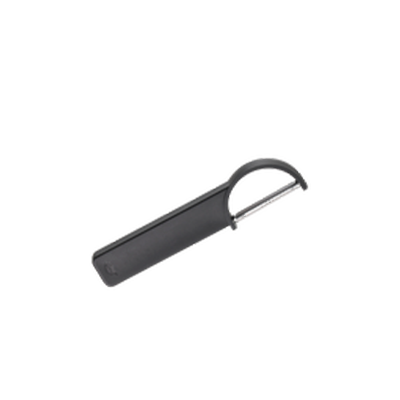
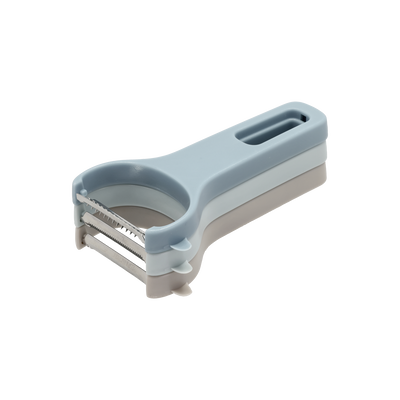
The Y peeler is recognised for its ergonomic shape and broad, comfortable grip. The blade is placed across the top, which makes it easier to move around round or irregular shapes on potatoes and vegetables. If you want peeling to feel quick and easy, this type is often a useful alternative to the classic straight model.
For most situations, a Y peeler is helpful when you prepare a wider mix of vegetables. If you often peel carrots, beetroot, parsnips and similar produce, comparing Y peelers with classic peelers can help you decide which shape feels more suitable for the tasks you do most.
Potato peelers with a hand crank
If you prepare food for many people or use potatoes several times a week, a potato peeler with a hand crank can be a practical option. It allows you to handle many potatoes at once, so a larger peeling task can be completed in a few minutes.
When exploring this category online, this type stands apart from handheld peelers because it is designed for volume rather than small individual peeling jobs. If your main priority is working through a bigger batch of potatoes, it makes sense to compare this option separately from the more compact models.
Julienne peelers
Presentation matters, and a julienne peeler gives you a simple way to create thin strips of fruit and vegetables. These strips can be used across many different dishes where appearance is part of the result. That makes the julienne design different from peelers that are mainly intended to remove skin.
If you are comparing products in this category, it helps to decide whether you only need a peeler for everyday preparation or whether you also want one for fine, decorative strips. That choice quickly narrows the selection and makes the category easier to navigate.
How this category helps you compare peelers
When you shop for peelers on a webshop, it is often easiest to move from broad choices to specific needs. Start by deciding whether you want a general everyday peeler, a model for larger quantities of potatoes, or a peeler that can create julienne strips. From there, you can compare the handle style, blade direction and the kinds of ingredients each design is best suited to.
For many households, having more than one peeler can be useful. A classic model may be preferred for potatoes, while Y peelers can be better for beetroot, carrots, parsnips and other vegetables with different shapes. Looking at the category in this way makes it easier to build a small set of tools that covers several peeling tasks rather than expecting one design to suit everything equally well.
If you want to explore related tools, you can also browse the wider range of kitchen utensils. Within that selection, the section for other kitchen utensils is a useful next step when you are comparing smaller task-specific tools.
Kitchen utensils for everyday preparation tasks
Peelers are part of a wider group of kitchen utensils that make food preparation easier and more efficient. Some utensils are highly specialised and solve one task particularly well, while others are everyday tools that come into use several times a week. If you are already comparing peelers, it often makes sense to look at neighbouring utensils that support other preparation steps.
For slicing smaller ingredients, egg slicers are a dedicated option. For more precise handling and plating, food tweezers fit naturally alongside tools used for preparation and presentation. If you often work with ingredients that need pressing rather than peeling, garlic presses are another focused kitchen tool to compare.
You can also explore utensils for serving and handling other foods. Ice cream scoopers cover a different kind of portioning task, while kitchen scissors and poultry shears help with cutting tasks that call for a different tool than a peeler or knife. For jars, lids and cans, lid and can openers are also part of the same broader utensil category.
Choosing the right peeler for your kitchen tasks
When deciding between Vegetable & Potato Peelers, it helps to think in terms of routine. If you mostly peel potatoes, a classic potato peeler may be the most direct choice. If you regularly prepare a wider range of vegetables with rounded or uneven shapes, a Y peeler may suit you better. If larger quantities are your main concern, a hand-crank model is worth considering. If your focus is thin decorative strips, a julienne peeler is the relevant option.
By comparing the category in this order, you can move from a general overview to a more precise match without making the process complicated. The main differences are not difficult once you connect each type to the task it is designed for. That makes it easier to choose a peeler that fits the way you actually prepare potatoes, vegetables and fruit in everyday cooking.
Frequently asked questions
How do I choose the right vegetable or potato peeler?
A practical way to choose is to start with the ingredients you peel most often and the type of preparation you do most in your kitchen. In everyday use, this means matching the peeler shape and blade position to your usual tasks, such as potatoes, mixed vegetables or decorative strips.
What is the difference between a classic peeler and a Y peeler?
A classic peeler has a narrow blade and is often used for peeling long strips from potatoes and similar vegetables, while a Y peeler has a blade across the top and a broader grip. In practice, this helps you compare whether you prefer a traditional straight design or a shape that can feel easier on rounded or uneven vegetables.
When is a Y peeler the better choice?
A Y peeler can be a useful option if you regularly peel a wider mix of vegetables such as carrots, beetroot and parsnips. This makes it easier to work around different shapes, especially when the produce is round or uneven rather than straight and smooth.
Who is a hand-crank potato peeler useful for?
A hand-crank potato peeler is mainly useful if you prepare potatoes often or need to peel larger amounts at one time. In everyday use, this means it is better suited to volume tasks than to peeling one or two vegetables by hand.
What is a julienne peeler used for?
A julienne peeler is designed to create thin strips of fruit and vegetables rather than simply removing the skin. In practice, this helps you prepare ingredients for dishes where presentation matters and where fine strips are part of the result.
Is one peeler enough for all kitchen tasks?
Not always, because different peeler designs are better suited to different ingredients and uses. This makes it easier to build a small set of tools for everyday preparation, for example using one peeler for potatoes and another for mixed vegetables or julienne strips.
How can I compare vegetable and potato peelers more easily when shopping online?
It often helps to begin with your main purpose, such as everyday peeling, larger batches of potatoes or making julienne strips. From there, you can look at filtered choices based on handle style, blade direction and the types of ingredients each peeler is better suited to.