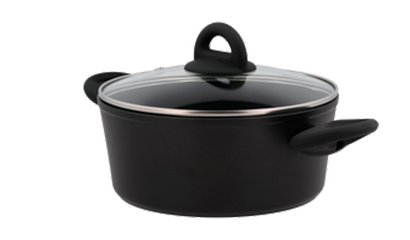

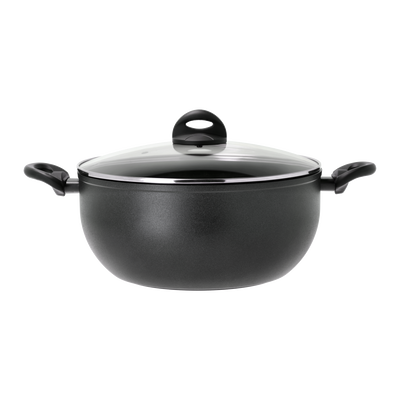
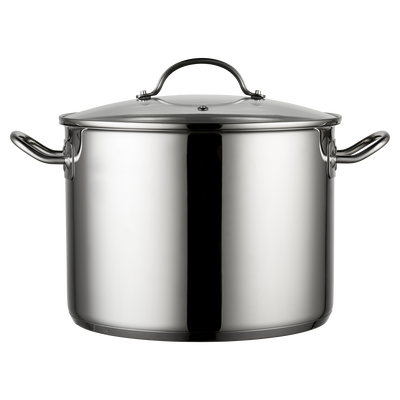
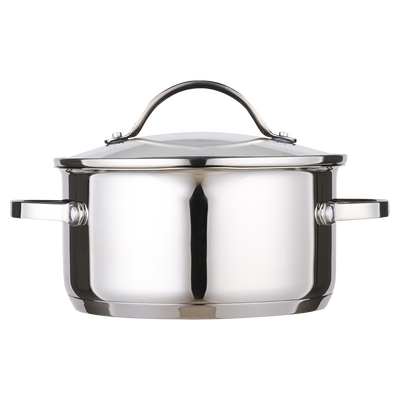


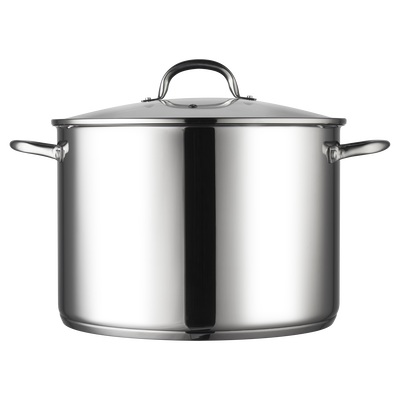
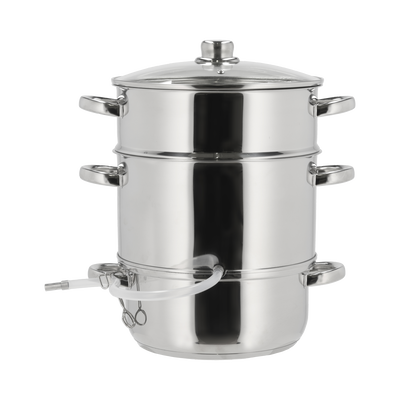
Which pots should you choose for induction?
If you are looking for new pots and pans or want to browse the full selection of pots, it helps to start with compatibility. Induction pots are designed to work on an induction hob or cooktop, but size, material and shape still make a real difference when you compare options. This category brings those choices together, so you can move from the broad selection to the pot type that fits your cooking needs.
A practical way to choose is to begin with how much you usually cook at one time. Some shoppers need a compact pot for everyday portions, while others are looking for a larger model for bigger batches. After that, it becomes easier to compare materials and design details, since these affect both heat distribution and how the pot feels in daily use.
Here you can focus specifically on Induction Cooktop Pots, making it simpler to sort out which products are suitable for your hob before comparing the finer details. This gives you a clearer path through the category and helps you choose with more confidence.
Find the right size for your needs
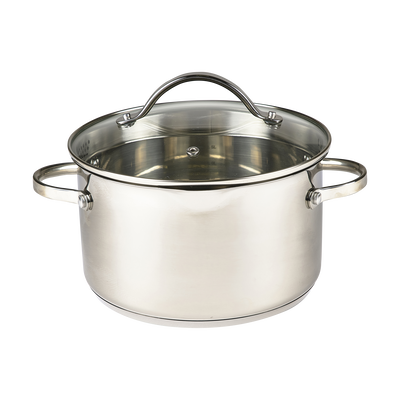
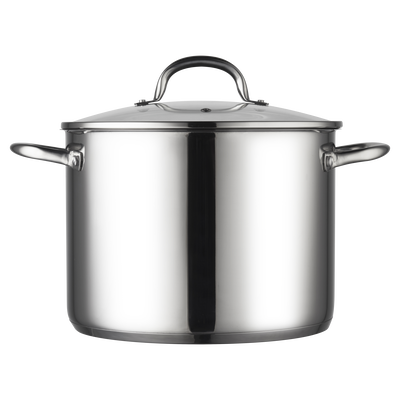
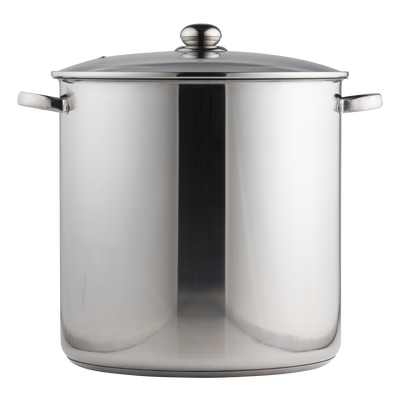
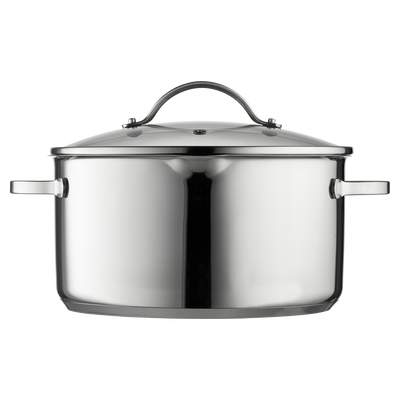
Size is one of the first things most people look at when choosing an induction pot. The right capacity depends on the type of meals you make and the amount you usually prepare. Smaller pots are useful when you cook modest portions, while larger pots are better suited to recipes that need more space.
The range includes different capacities, including 2.9 litres, 5 litres, 5.7 litres, 8.3 litres and 15 litres. Looking at capacity early in the process makes comparison easier, because it quickly removes pots that are either too small or larger than you need. For most situations, this is the simplest way to narrow the selection before moving on to material and design.
If you often prepare soups, broths or larger quantities, it may also be useful to compare this category with stock pots. This gives you another way to judge whether a standard induction pot or a larger, deeper shape is the better match.
Choose between functional and stylish designs
Design also plays a part when comparing induction pots. The products in this category combine practical features with a clean look, so you can assess both function and appearance at the same time. Handles with a comfortable grip are one of the details that matter in everyday use, especially when you lift or move a pot during cooking.
When browsing online, design is often what helps refine your shortlist after you have chosen the right size. Some shoppers start with capacity and then compare the visual style of the pot, while others begin by looking for a design that matches the rest of their cookware. Both approaches make sense, and this category supports that process by letting you compare several options within the same induction-specific range.
Materials affect heat distribution and everyday use
Material choice is important because it influences heat distribution and durability. In this category, you can choose between stainless steel, cast iron and aluminium. Each option gives you a different way to compare the pot beyond its size alone.
Stainless steel and cast iron are described as long-lasting choices, while aluminium is valued for even heat distribution. If you are comparing several pots side by side, material is often the detail that helps separate two otherwise similar models. For many shoppers, this is the stage where the category becomes most useful, because you can move from general browsing to a more focused comparison based on how you cook.
All pots are easy to clean, but it is always a good idea to read the care instructions before cleaning a new induction pot for the first time.
FAQ: What to know about pots for induction
What is induction and how does it work?
Induction technology uses electromagnetic fields to heat the base of the pot. When the induction cooktop is switched on, it creates an alternating electromagnetic field that sends current directly into the metal of the pot. This produces heat quickly and efficiently, without heating the cooktop surface through wasted heat in the same way.
What are the advantages of induction?
There are several practical reasons why people choose induction. It transfers more energy directly to the pot, which reduces heat loss and energy use. Pots and pans also heat up faster than on a traditional cooker. Induction makes it easier to turn the heat up or down with precision, which helps with control during cooking. The surface stays cooler than a traditional ceramic hob, although a hot pot will still warm the surface, so care is still needed. The cooler surface can also make cleaning easier, because food is less likely to burn on as firmly.
Which pots cannot be used on induction?
Not every pot works on an induction cooktop. Pots made from non-magnetic materials such as pure aluminium, glass, copper or ceramic without a special induction base will not work. To function on induction, the pot needs a magnetic base.
Can non-induction pots be used on an induction cooktop?
Yes, it is possible to use a metal adapter plate between the hob and the pot. This works as a conductor of heat for cookware that is not otherwise suitable for induction. If you are comparing cookware materials, you may also want to look at copper pots, which are a separate category because copper itself does not work on induction without the right base.
How can you tell if a pot is suitable for induction?
A simple magnet test can help. Place a magnet on the base of the pot, and if it sticks, the pot is suitable for induction. Most induction pots are also marked with an induction symbol on the packaging or in the product description. The symbol is often shown as a looped spiral.
How does induction affect the life of a pot?
Induction can help extend the life of cookware because even heat distribution and lower direct heat can help prevent heat damage and warping of the base.
Can induction pots be used on other types of cooktop?
Yes, most induction pots are designed to be versatile and can be used on different types of cooktops, including gas and ceramic. If you want to compare by hob type, you can also browse pots for gas stoves.
Explore related cookware categories
Once you have narrowed down the right induction pot, it can be useful to compare related categories as part of the same shopping process. If you need matching covers, you can browse pot lids in different sizes. If you are still deciding between pot types, looking across nearby categories can help clarify whether you need an all-round cooking pot, a stock pot or another specialised option.
This makes the webshop easier to navigate, because you can start with a broad cookware overview, move into pots, and then compare the induction range with other materials and formats. This step-by-step approach is often the easiest way to make a well-informed choice without losing sight of compatibility, size and material.
Frequently asked questions
How do I choose the right size induction pot?
Start by thinking about how much food you usually cook at one time, as capacity is one of the quickest ways to narrow your options. In practice, this helps you rule out pots that are too small for soups and larger meals or too big for everyday portions.
Why does the material of an induction pot matter?
Material affects heat distribution, durability and how the pot feels in daily use. In everyday use, this means that stainless steel, cast iron and aluminium can suit different cooking habits, even when two pots look similar in size.
How can I tell if a pot will work on an induction cooktop?
A pot needs a magnetic base to work on induction, and a simple magnet test can help you check this. In practice, this makes it easier to confirm compatibility before use, and many induction pots are also marked with an induction symbol.
Which pots cannot be used on induction?
Pots made from non-magnetic materials such as pure aluminium, glass, copper or ceramic without a special induction base will not work on an induction cooktop. This makes it easier to understand why the base material matters more than appearance alone.
Can I use a non-induction pot on an induction hob?
Yes, it is possible to use a metal adapter plate between the hob and the pot. In everyday use, this means some cookware that is not induction-ready can still be heated, although the pot itself does not work directly with the induction surface.
What are the practical advantages of induction cooking?
Induction sends energy directly into the pot, which helps it heat up quickly and with less heat loss. In practice, this helps you adjust the temperature more precisely, and the cooler hob surface can also make cleaning easier.
Can induction pots be used on other types of cooktop?
Yes, most induction pots can also be used on other cooktops, including gas and ceramic. This makes it easier to choose cookware that works across different kitchen setups rather than for one hob type only.
How should I compare induction pots when shopping online?
A practical approach is to begin with compatibility, then compare capacity, material and design. In practice, this helps you move from broader browsing to more specific selections, so you can focus on pots that match both your hob and your cooking needs.