
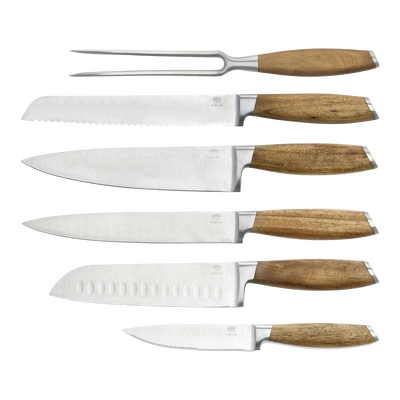
Cut, slice and chop with the right kitchen knives
Some kitchen tools are hard to do without, but a selection of good, sharp kitchen knives is among the most important. A well-chosen knife makes a clear difference when you cook, because the blade, the grip and the balance all affect how precisely you can work. For bread, meat, fish and vegetables, the right knife helps you get the result you want.
On this page, you can move from the broad category of kitchenware into kitchen utensils and then compare the different knife types collected here. This makes it easier to start with a general need and narrow your choice down to the knives that match your usual cutting tasks.
The range includes knives from brands known for quality, with different materials, ergonomic handles and well-balanced designs. You will also find accessories that help you store and maintain your knives, so the category supports both first-time selection and building a more complete knife collection over time.
Which knives should you have in the kitchen?
Kitchen tasks vary, so it makes sense for your knife selection to vary too. Different ingredients need different handling, and that is why many shoppers begin with the knives they will use most often and then add more specialised options. A practical way to choose is to think about what you slice most: bread, vegetables, fish, roasts or smaller ingredients that need more precise handling.
If you are comparing several options, this category helps by separating the most common knife types into clear subcategories. This way, you can quickly move from a broad overview to the specific knives that fit your cooking style and the tasks you want to carry out.
Bread knives
A bread knife is easy to recognise by its serrated blade. It is made to cut through a crisp crust without damaging the softer inside of the bread. If bread is something you slice often, this is one of the easiest knife types to justify in your kitchen, because it is designed for a very specific task that other knives do less effectively.
Fillet knives
Fillet knives have sharp tips and flexible blades that make them suitable for filleting fish and handling larger cuts of meat. They are made for cleaner, more precise cuts when you need to work closely around flesh and bone. If you often prepare fish or want a knife that gives you more control for trimming and filleting, this category is a useful place to compare shapes and designs.
Carving knives and carving sets
For neat slices of roast and more controlled serving, a carving knife or carving set is the relevant choice. These are practical when presentation matters and when you want even slices rather than general chopping performance. If you are deciding between an all-round knife and a serving-focused option, this is where that distinction becomes clear.
Santoku and nakiri knives
A santoku or nakiri knife is a good option when chopping, slicing and cutting vegetables is a regular part of your cooking. In the range, these knives are grouped together to make comparison easier if you are looking for a knife designed for precise prep work and comfortable handling. For many shoppers, this is where it helps to compare blade shapes based on the ingredients they prepare most often.
Knife sets
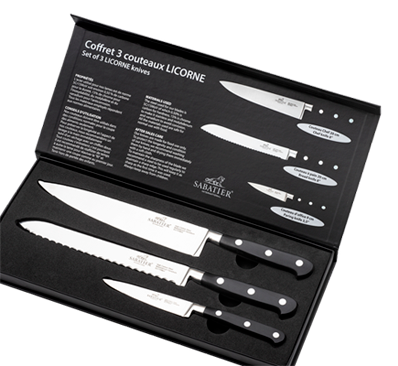
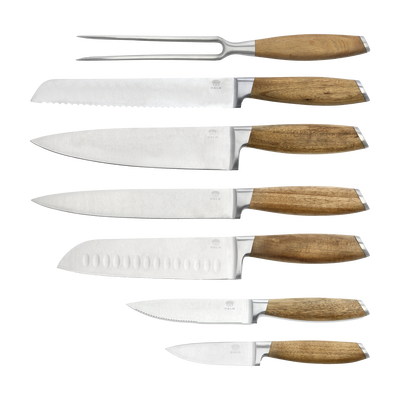
A complete knife set gives you a more versatile starting point if you want several knives at once. This can be useful when you would rather compare coordinated sets than choose each knife separately. For most situations, a set is a straightforward way to cover a range of cutting tasks with knives designed to work together in daily use.
Chef’s knives
If you want one knife that can handle many tasks, many people start with a chef’s knife. With a robust blade, good balance and a comfortable grip, it suits general chopping and slicing across many ingredients. When users compare knives in this category, the chef’s knife is often the place to begin because it works as an all-round option before you add more specialised knives.
Herb and tomato knives
For smaller cutting jobs where detail matters, a compact knife is often the better choice. In the range of herb knives, you can look at knives suited to finer everyday tasks involving fruit, vegetables and similar ingredients. If you already have a larger knife, this type can be a practical next addition when you need more finesse.
Remember the right accessories for your kitchen knives
A good knife also needs proper care. Accessories can help support both performance and longevity, and they are worth considering when you compare knives on the page. Instead of looking only at blades, many shoppers also choose storage and sharpening tools at the same time, so everything works together in everyday use.
Store your knives correctly with knife blocks and magnets
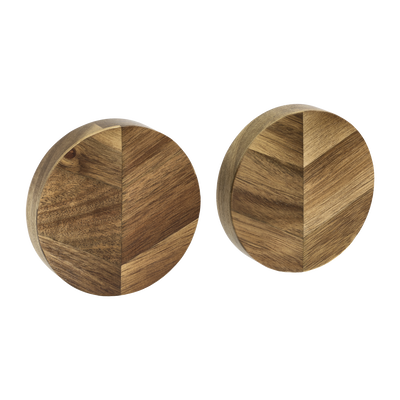
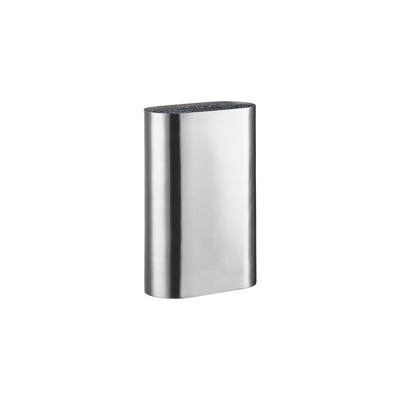
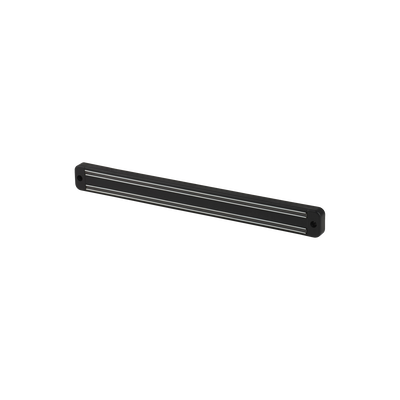
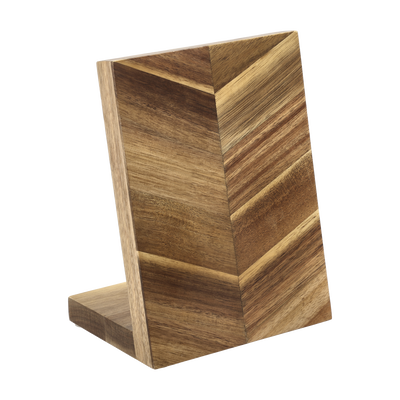
Good storage helps keep knives protected and ready to use. With knife blocks and magnets, you can store your knives in a way that protects both blade and handle while also keeping them close at hand in the kitchen. If you are building a complete setup, storage is a natural next step after choosing the knives themselves.
Keep your knives sharp with knife sharpeners
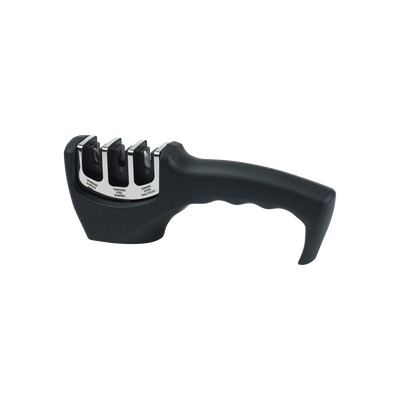
Even good knives need sharpening from time to time. With knife sharpeners, you can maintain your knives when they need attention. When you compare options in this category, it can be helpful to view sharpening as part of the overall decision, especially if you want your knives to stay ready for regular kitchen work.
How to choose the best kitchen knives for your needs
There is no single answer to which kitchen knives are best, because needs and preferences differ from one kitchen to another. A practical way to choose is to compare a few clear criteria before deciding. This gives you a better overview and helps you focus on the knives you are most likely to use.
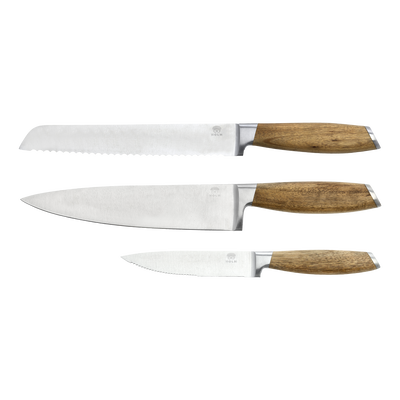
Start by considering material, since steel quality varies. Then look at type: choose knives that match the dishes and ingredients you work with most often. Many people cover the basics with a chef’s knife, a small detail knife and a bread knife, then add specialist knives as needed.
Balance and comfort also matter. A knife should feel balanced in the hand and comfortable to work with. Maintenance is another part of the decision, since care and storage help extend the working life of a knife. This page is designed to support that comparison by bringing together both knives and the accessories that go with them.
Explore related kitchen utensils
Kitchen knives are often chosen together with other tools used for preparation and serving. If you are refining your setup, you can also look at chopping boards, measuring jugs and cups and mixing jugs for prep work. For ingredients that need grating, seasoning or stirring, you can continue to graters, salt and pepper grinders, cooking spoons, spatulas and whisks.
You can also compare more specialised utensils depending on the task. See colanders, sieves and strainers for rinsing and draining, cooling racks for baked goods, mortar and pestles for grinding ingredients, pizza and pasta utensils for those specific tasks, thermometers and timers for better control, and other kitchen utensils if you want to browse more tools for the kitchen.
Frequently asked questions
How do I choose the right kitchen knives for my needs?
A practical way to choose kitchen knives is to think about the ingredients and tasks you handle most often, such as bread, vegetables, fish or roasts. In practice, this helps you focus on the knife types you are most likely to use, rather than comparing every option at once. It also makes sense to look at material, balance and grip before deciding.
Which kitchen knives are useful for everyday cooking?
For many kitchens, the basics include a chef’s knife, a small detail knife and a bread knife. In everyday use, this means you can cover general chopping and slicing, smaller precise jobs and cutting bread with the right blade shape. More specialised knives can then be added if your cooking requires them.
What is the difference between a chef’s knife and a bread knife?
A chef’s knife is designed as an all-round option for general chopping and slicing across many ingredients, while a bread knife has a serrated blade made for cutting through a crust without crushing the softer inside. In practice, this helps you choose based on the task rather than the appearance of the knife. If you cook a wide range of foods, both can have a clear role in the kitchen.
When should I choose a fillet knife, carving knife or santoku knife?
A fillet knife is useful when you need a flexible blade for fish or for working closely around flesh and bone, while a carving knife is better for neat serving slices of roast. A santoku knife is a good option when chopping and slicing vegetables is a regular part of your cooking. This makes it easier to match the knife to the way you prepare food day to day.
Is it better to buy a knife set or choose kitchen knives individually?
A knife set can be a practical starting point if you want several knives at once and prefer coordinated tools for different cutting tasks. Choosing knives individually may suit you better if you already know which types you need most. In practice, this helps you decide whether you want broad everyday coverage or a more tailored selection.
How should I store kitchen knives properly?
Kitchen knives should be stored in a way that protects both the blade and the handle, such as in a knife block or on a knife magnet. In everyday use, this means the knives are kept ready to hand without being left loose in a drawer. Good storage also supports safer handling and helps keep the blades in better condition.
Do kitchen knives need sharpening?
Yes, even good kitchen knives need sharpening from time to time. In practice, this helps you keep them ready for regular kitchen work and supports more controlled cutting. A knife sharpener is one of the key accessories to consider alongside the knives themselves.
How can I narrow down the options when shopping for kitchen knives online?
A useful approach is to start with your general need and then move into narrower options based on the type of cutting you do most often. For example, you can compare filtered choices for bread knives, chef’s knives, fillet knives or knife sets depending on your cooking style. This makes it easier to move from a broad overview to the knives that fit your usual kitchen tasks.