Apron - a practical essential in the kitchen
An apron is more than a simple piece of fabric. When you are cooking at the hob, baking bread or preparing food outdoors, it helps protect your clothes from splashes, stains and everyday mess. Whether you are standing by the pans or working with flour, water or grease, an apron lets you focus on the task instead of worrying about your clothes.
On a webshop page like this, aprons are usually explored by use, material and fit. Some people start by looking for a classic apron for everyday cooking, while others want a more robust option for grilling. A practical way to choose is to begin with the type of coverage you want, then compare materials, details such as pockets, and the overall style.
What is an apron?
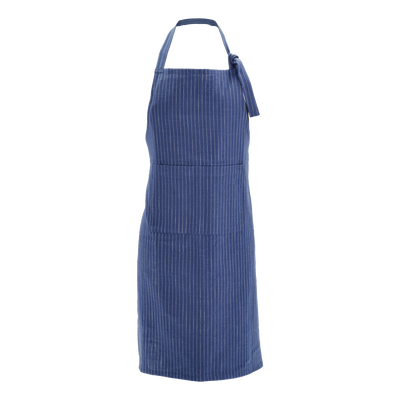
An apron is a protective textile that covers the front of the body. It is most often used when cooking, baking, grilling or doing hands-on projects where there is a risk of getting dirty. The purpose is straightforward: to help shield clothing from marks and splashes such as grease, flour or water.
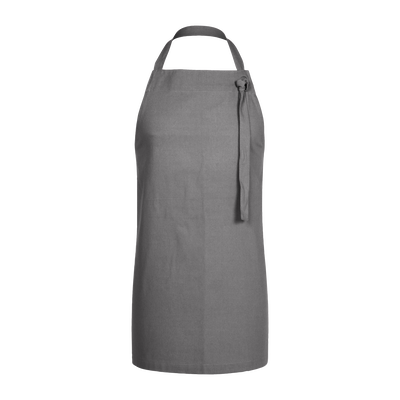
That is also why aprons come in different formats. Some offer full coverage from chest to knee, while others are shorter and cover from the waist down. As you browse the category, it helps to think about how much protection you need and how much freedom of movement you prefer.
Which apron should I choose?
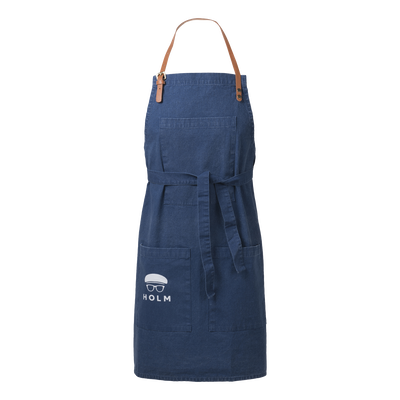
Aprons are available in different materials, colours and styles. At Kitchen Living Dining, the range includes aprons in cotton, leather and other durable materials. If you are comparing several options, it often helps to start with the material, then narrow the choice by colour, size and design.
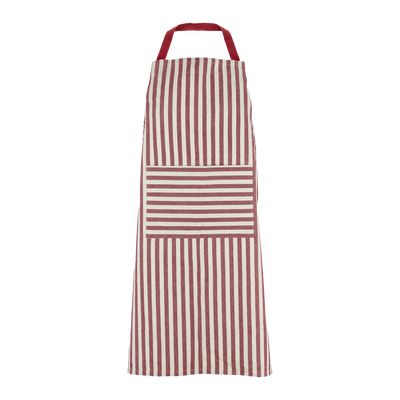
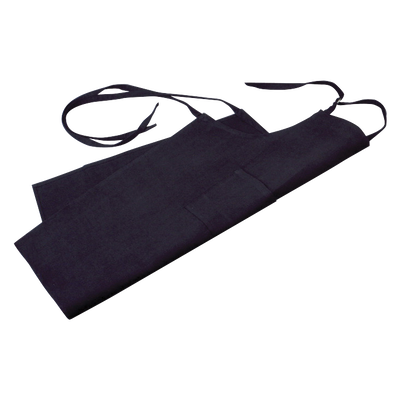
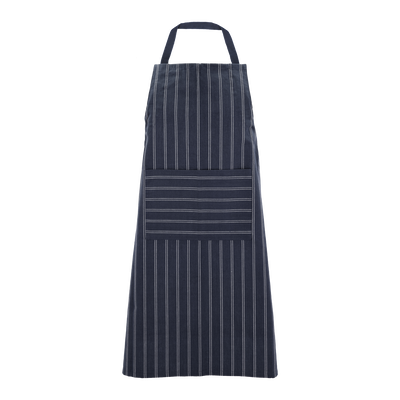
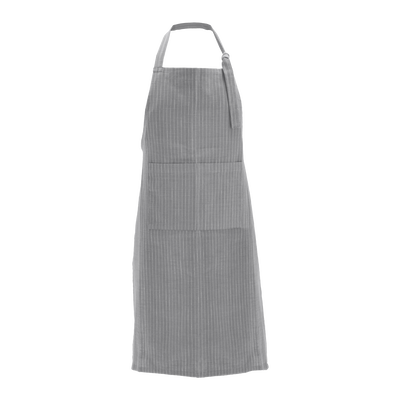
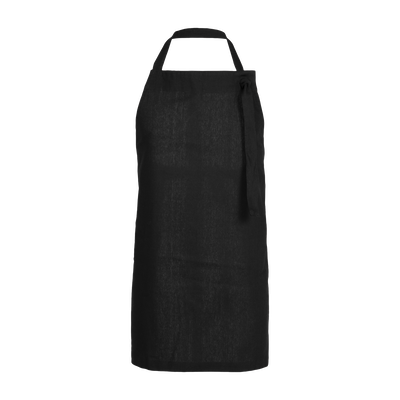
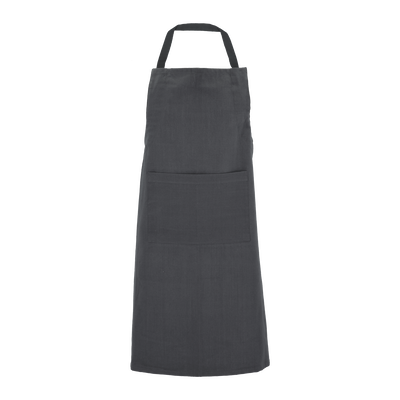
Some shoppers are looking for a black apron with a simple look, while others prefer a more functional apron with pockets. Both approaches make sense, depending on whether appearance, practicality or a balance of both matters most in everyday use.
Cotton apron
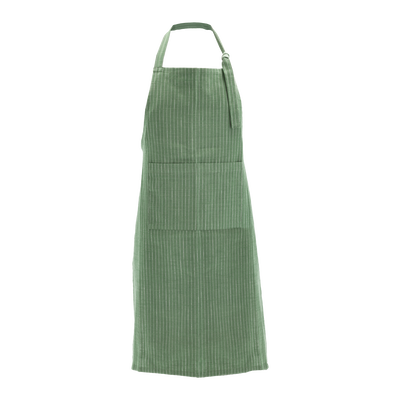
Cotton aprons are a popular choice because they are soft and comfortable to wear, and they are often easy to clean. All cotton aprons in the range are made from 100% cotton, and several are OEKO-TEX certified. If you are comparing textile aprons for regular kitchen use, cotton is an easy material to understand and a practical place to start.
For most situations, a cotton apron works well when you want comfort and straightforward care. If you use your apron often for baking or everyday cooking, this type can be a useful option to compare first.
Leather apron
A leather apron is another popular option. It is a durable choice that develops its look over time. Leather is hard-wearing and offers good protection from heat, which is why leather aprons are often preferred by professional chefs and grilling enthusiasts.
If you typically cook over higher heat or want a sturdier feel, comparing leather aprons can help narrow your choice. They are often selected for their combination of durability and a more distinctive look.
Waist apron
A waist apron is a shorter version of an apron that covers from the waist down. It suits those who want some protection but do not need a full apron. Because it is lighter and shorter, it also allows greater freedom of movement.
In a category view, this is often the clearest choice if full front coverage is not necessary. If you prefer a lighter option that still protects the lower part of your clothing, a waist apron can be the right direction to take.
Aprons for men
At Kitchen Living Dining, you will find a wide selection of aprons for men. These aprons are often slightly wider and longer to provide good coverage during cooking.
If you are browsing by fit, this can be a useful way to refine the selection after choosing a material. Whether you are looking for a classic cotton apron or a more robust leather apron, comparing length and width can help you find a better match.
Aprons for women
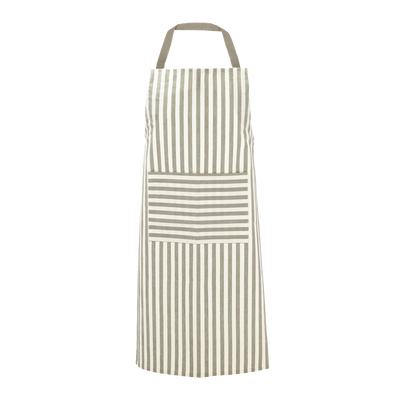
The range also includes a large selection of aprons for women in different colours and designs. From black aprons to lighter and more modern patterned styles, there are several looks to compare within the category. The focus is on combining function and design, so you can choose based on both practical use and visual preference.
If style is part of your decision, it can be helpful to browse by colour or pattern after narrowing down the material. That makes it easier to compare similar apron types in different designs.
Aprons from well-known brands
Kitchen Living Dining has aprons from recognised brands known for quality and design. If you like to shop by brand, this can be a helpful way to move through the category, especially when you already know the type of kitchen textile you prefer.
Södahl aprons
Södahl aprons are known for their design and quality. Several Södahl aprons are both organic and OEKO-TEX certified. If you would like to explore more from the same brand, you can also see textiles from the Kitchenware range, browse more kitchen textiles, and continue to related textile categories from the same overall selection.
Blomsterbergs aprons
Blomsterbergs aprons are practical and stylish and are created for kitchen work. They are described as especially suitable for the passionate home baker and pastry maker. If baking is your main focus, this can be a useful brand to compare when looking through the apron selection.
Pillivuyt aprons
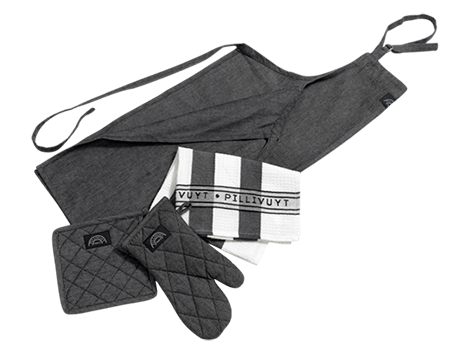
Pillivuyt aprons are characterised by a simple, elegant design and high functionality. They are made from durable quality materials that are suited to many hours of use in the kitchen. For shoppers who prefer a clean look and practical design, this brand offers a clear point of comparison.
Bastian aprons
Bastian has aprons in classic designs that combine functionality with durability. These aprons are described as suitable for both professional chefs and home cooking enthusiasts. If you are comparing brands by style, Bastian is a useful option to view alongside the other apron collections.
Can my apron be machine washed?
Yes, most cotton aprons can be machine washed, which makes them easy to keep clean. Leather aprons need more care, as they are not suitable for machine washing and should instead be wiped with a damp cloth.
Before washing, it is always a good idea to read the manufacturer's care instructions for your apron. That helps you care for the material correctly and maintain the apron over time.
Explore related kitchen textiles
If you are building a coordinated textile selection for the kitchen, it can be useful to look beyond aprons and compare other categories at the same time. Alongside aprons, you can explore oven mitts and pot holders, coffee and teapot covers, dish cloths, shopping bags, and tea towels and kitchen towels. Looking across related kitchen textiles can make it easier to compare materials, colours and designs within the wider range.
Frequently asked questions
What is an apron used for?
An apron is used to help protect the front of your clothing while cooking, baking, grilling or doing other hands-on tasks. In everyday use, this means that splashes from grease, flour or water are less likely to end up on your clothes.
How do I choose the right apron?
A practical way to choose an apron is to start with the amount of coverage you want, then compare materials, pockets and overall style. In practice, this helps you narrow the filtered choices based on how you cook and how much freedom of movement you prefer.
What is the difference between a cotton apron and a leather apron?
Cotton aprons are soft, comfortable to wear and usually easy to clean, which makes them a practical option for regular kitchen use. Leather aprons are more hard-wearing and offer good protection from heat, so in everyday use they can suit grilling or cooking at higher temperatures.
When should I choose a waist apron instead of a full apron?
A waist apron is useful when you want protection from the waist down but do not need full front coverage. This makes it easier to move freely while still helping protect the lower part of your clothing during kitchen tasks.
How can I compare aprons more easily on a webshop?
It often helps to begin by comparing material, then refine your choice by colour, size, design or details such as pockets. In practice, this helps you move through narrower options more clearly instead of trying to compare every apron at once.
Are aprons for men and women different?
Some aprons for men are described as slightly wider and longer to give more coverage during cooking, while aprons for women are shown in different colours and designs. In everyday use, this means you can compare fit as well as appearance when deciding which apron may suit you better.
Can I machine wash an apron?
Most cotton aprons can be machine washed, which makes them straightforward to keep clean after regular use. Leather aprons should not be machine washed, so in practice they are usually cared for by wiping them with a damp cloth and following the manufacturer's care instructions.