



Which pastry and basting brush should I choose?
Small details often make a real difference in cooking and baking. A pastry and basting brush gives you precise control when you need to glaze, coat, or brush food evenly. A layer of beaten egg yolk on buns before baking, for example, helps create a glossy finish.
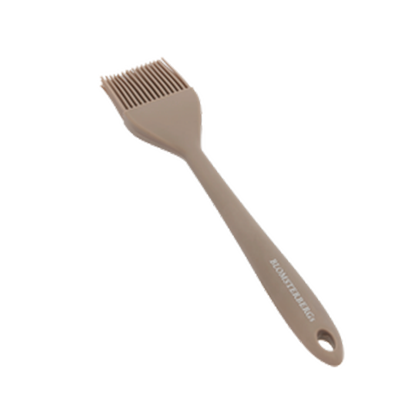
In our range, you can choose from pastry and basting brushes made with silicone bristles or natural bristles. The selection includes designs from well-known brands such as Blomsterbergs, RÖSLE, and Bastian, so you can compare different styles within the same category and focus on the type of brush that suits your cooking or baking best.
If you are exploring the wider selection first, you can also look through our full range of baking tools. If you already know you want a more specialised item in this part of the shop, you can also browse other baking tools to compare related options.
Silicone pastry and basting brushes
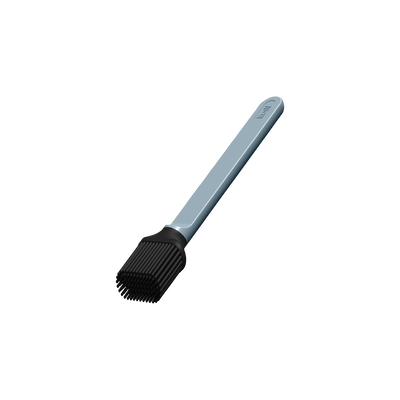
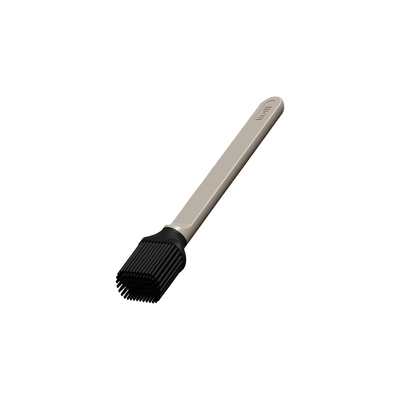
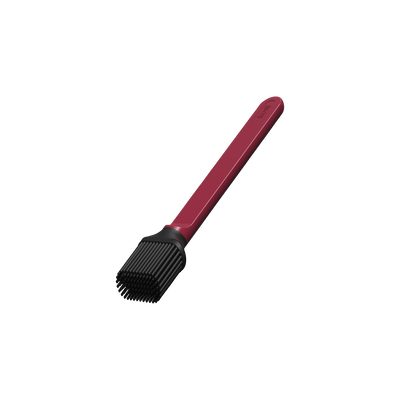
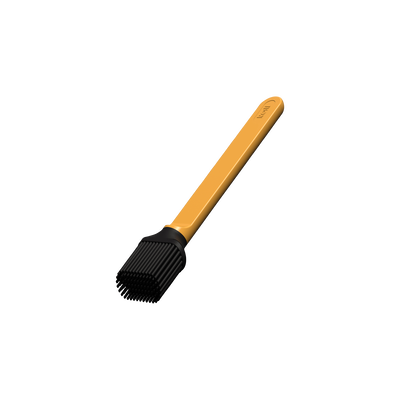
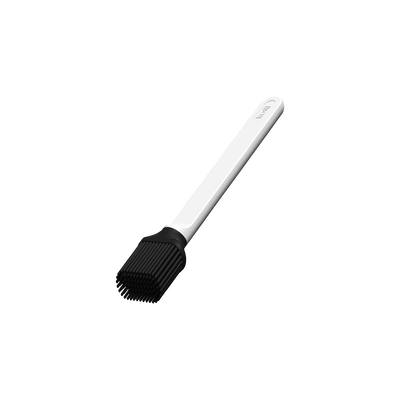
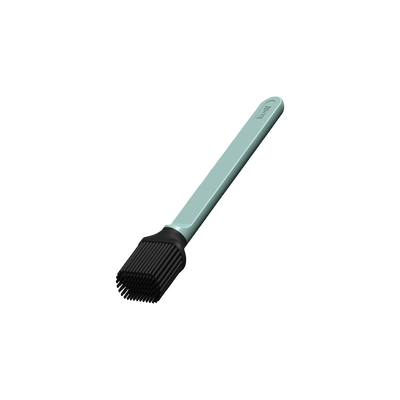
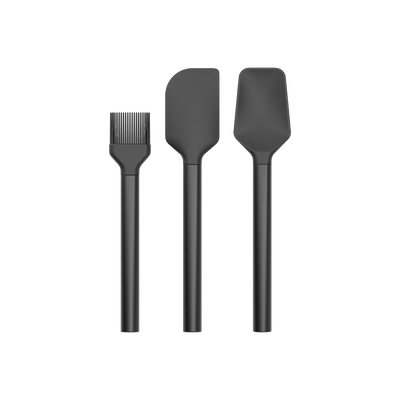
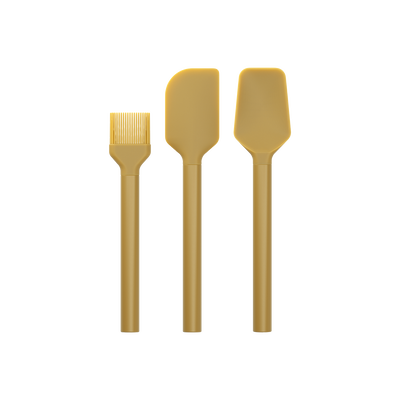
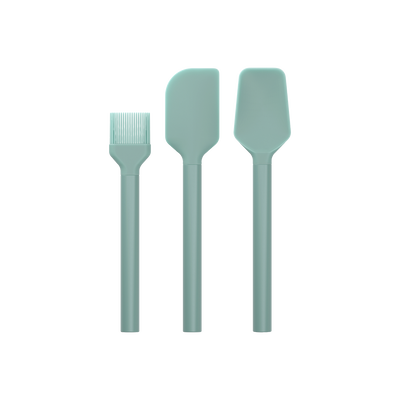
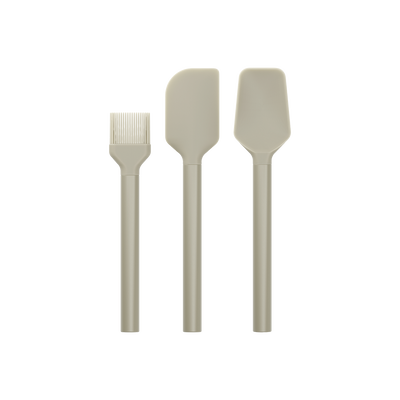
Silicone brushes are a practical choice for many baking tasks. They are flexible, heat-resistant, and easy to clean, which makes them useful when you want to apply a thin layer of oil, butter, or other ingredients. Because the brush head is made from silicone, you do not have loose hairs falling away or leaving marks behind while you work.
In everyday use, a silicone brush is a simple option if you want one brush for repeated use on both baking and cooking tasks. It can be used for brushing bread before baking, adding melted butter to baked goods, or spreading oil and marinades over meat and vegetables.
Silicone is often used across baking utensils because the material combines flexibility with strength. If you want to build a coordinated setup around the same type of material, you can continue from this category to other baking tools and compare products used for similar tasks in the kitchen.
Pastry and basting brushes with natural bristles
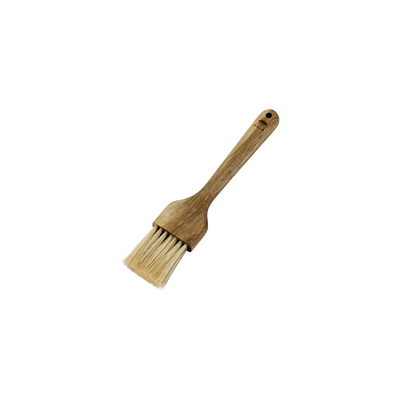
The classic pastry brush is made with natural bristles, and this traditional design is also part of our range. A brush with bristles is good at holding liquids such as melted butter or egg, which makes it especially useful when you want to give pastries or bread a golden finish.
A practical way to choose is to think about the texture and amount of liquid you usually work with. If you often brush egg wash or butter onto dough and baked goods, a natural-bristle brush can be a good match. If you prefer easier cleaning and a more modern material, silicone may be the better option.
It is worth noting that brushes with natural bristles should be washed by hand. That is one of the main differences to consider when comparing the two types on the page.
What can you use a pastry and basting brush for in the kitchen?
If you cook or bake regularly, it helps to have the right tools close at hand. Without a proper brush, you may end up using a spoon or another improvised tool, and that can make it harder to spread ingredients evenly. A pastry and basting brush is made for applying liquids with more control, whether you are working with dough, meat, or vegetables.
This category supports comparison by bringing together brushes intended for several common tasks. Instead of looking only at shape or brand, you can narrow your choice by thinking about what you brush most often and how you want the brush to feel in use.
Give bread a golden crust
A pastry and basting brush is an important tool when you want homemade bread to come out of the oven with an even, appealing crust. A light brushing of egg yolk, milk, or butter before baking can make a clear difference to the surface and finish.
For most situations, the choice comes down to how you want to apply the liquid. Some prefer the classic feel of natural bristles for delicate glazing, while others choose silicone for its flexibility and easy maintenance. Browsing both types in one category makes that comparison more straightforward.
Brush meat and vegetables with oils and marinades
These brushes are not only for baking. They are also useful for spreading oil and marinades evenly over meat and vegetables. An even coating helps you cover the surface more thoroughly, whether you are grilling or frying.
If you usually move between baking and savoury cooking, this category can help you find a brush that handles both tasks. That is often the easiest route if you want one tool that works across different parts of the kitchen.
How do I clean a pastry and basting brush?
Cleaning your brush matters if you want to keep it ready for the next use. The two main materials differ here, and that is often an important part of the decision when shopping online.
Silicone pastry and basting brushes can be cleaned in the dishwasher, which makes them practical and hygienic for regular use. Brushes with natural bristles should be washed in warm soapy water and dried thoroughly before storage so the bristles are not damaged.
If you typically want the quickest cleaning routine, silicone is often the easier choice. If you prefer the classic style and the way bristles hold liquid, a natural-bristle brush may still be the right fit, as long as hand washing suits your routine.
Find pastry and basting brushes for baking and cooking
On this page, you can compare pastry and basting brushes by material and intended use, so it is easier to move from a broad choice to a more specific model. Some shoppers begin by deciding between silicone and natural bristles, while others start with the tasks they need the brush for, such as glazing bread or brushing marinades over meat and vegetables.
If you are putting together a broader baking setup, you can also continue to related categories. Alongside pastry and basting brushes, our baking selection also includes proofing baskets, kitchen torches and cake foil. These categories are useful next steps if you want to explore more specialised tools within the same area of the webshop.
Whether you are looking for a flexible silicone brush or a classic brush with natural bristles, this category brings the key options together in one place. That makes it easier to compare the main differences, focus on the tasks you need to solve, and choose the brush that matches your kitchen routine.
Frequently asked questions
How do I choose between a silicone brush and a natural-bristle brush?
The main difference is how the material behaves in use and how easy it is to clean afterwards. In everyday use, this means that silicone is a practical option if you want flexibility, heat resistance and dishwasher cleaning, while natural bristles are useful if you want a brush that holds liquids such as egg wash or melted butter well.
What is a silicone pastry and basting brush good for?
A silicone brush is useful for brushing oil, butter and other liquids onto food with an even, controlled layer. In practice, this helps you use the same brush for both baking and cooking tasks, such as glazing bread, brushing melted butter onto baked goods, or spreading marinades over vegetables and meat.
When is a natural-bristle pastry brush the better choice?
A natural-bristle brush can be a good choice when you often work with egg wash, melted butter or similar liquids on dough and pastries. This makes it easier to apply a coating that helps bread or baked goods develop a more even, golden finish before baking.
What can I use a pastry and basting brush for in the kitchen?
A pastry and basting brush is used to apply liquids evenly to food during baking or cooking. In everyday use, this means that you can glaze bread, brush butter onto pastries, or coat meat and vegetables with oil or marinade more precisely than you could with a spoon or another improvised tool.
Can I use the same brush for both baking and savoury cooking?
Yes, the category content explains that some brushes are suitable for both baking and cooking tasks. In practice, this helps you choose one brush for glazing bread as well as brushing oil or marinades over meat and vegetables, especially if you prefer a more versatile kitchen tool.
How do I clean a pastry and basting brush properly?
Cleaning depends on the brush material. In everyday use, this means that silicone brushes can go in the dishwasher, while natural-bristle brushes should be washed by hand in warm soapy water and dried thoroughly before you put them away.
What should I focus on when comparing pastry and basting brushes online?
It helps to compare brushes by material and by the jobs you want them to handle most often. This makes it easier to narrow your choice, whether you are deciding between silicone and natural bristles or looking for a brush suited to glazing bread, brushing butter, or spreading marinades.
How can I find the right pastry and basting brush if I am still comparing options?
A practical starting point is to think about what you brush most often and how you want the brush to feel in use. In practice, this helps you move from broader browsing to narrower options, such as choosing between a classic natural-bristle brush for delicate glazing or a silicone brush for easier maintenance.