






Materials, practicality and everyday function
With a baby or young child at the table, mealtimes can quickly become lively. When mashed food, spoons, cups and plates are all part of the moment, most people prefer children’s tableware that does not add extra difficulty. That is why this category focuses on practical pieces for everyday use while still giving you different options to compare.
Within the range, you will find tableware for children made in materials designed to handle the knocks and drops that often happen during meals. The Danish source also places emphasis on materials without harmful chemicals that may affect your child’s health. When you browse the category, a practical way to choose is to start with the type of item you need most and then narrow it down by how your child currently eats and drinks.
You can explore the category as a whole, or move directly to specific product types such as children’s cutlery, plates and cups. If you are browsing more broadly, you can also see the wider home decor selection and the full children category to find related items for the same area of the home.
How to choose tableware for your child’s meals
Parents, grandparents and others close to a baby or child often want good conditions for meals and eating habits. That naturally leads to practical questions when choosing children’s tableware. What works well for small children? How do you find the right tableware for the stage your child is in? And when does it make sense to move from feeding to more independent eating?
To make the category easier to navigate, it helps to work through three main points. These focus on durability, ease of use for children and clear information about materials. Together, they give you a simple way to compare products and decide what is most relevant for your child right now.
1. Functional children’s tableware should handle everyday use
Most babies begin with spoon-fed food when they are around 4 to 6 months old. Not long after that, many start exploring food more independently. At that point, plates may be pushed, cups may be tipped and items may end up on the floor. For most situations, this is one of the first things to consider when browsing tableware for children online.
Many products in the range are made from strong and durable plastic, which is highlighted in the Danish text as a practical choice for this phase. If your child is at the stage where dropping and throwing happen often, this helps you focus on tableware made for repeated daily use. On a webshop page, that can make comparison more straightforward, because you can first look at the format of the item and then at the material it is made from.
If you are building a complete mealtime set, it often makes sense to start with the pieces your child uses most frequently. Some users begin with spoons and cutlery, while others first look for plates or cups. The category suits both approaches, whether you are replacing a single item or putting together a more complete selection.
2. Children’s tableware needs to be manageable for children
Adults may notice shape and design first, but children’s abilities are what matter most in daily use. A product can look smart, yet still be less suitable if it does not match what a child can hold, lift or use at their current stage. Babies and children also develop quickly, so tableware often needs to be updated as their skills change.
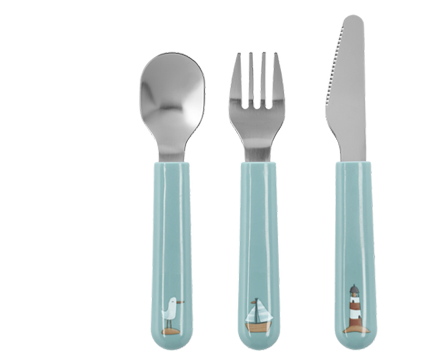
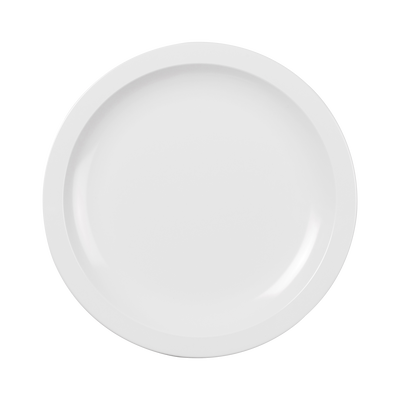
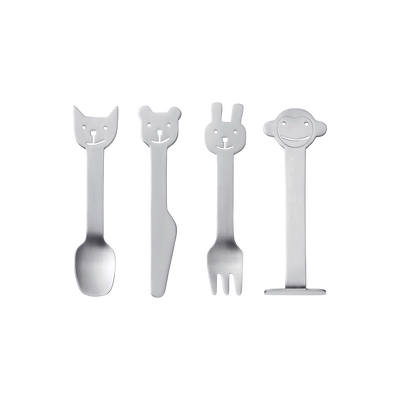
That is why it is useful to think in stages rather than treating all children’s tableware as the same. Some items are intended for the earliest attempts at self-feeding, while others are better suited once a child is more confident with cups, plates and cutlery. The Danish source highlights Mepal and its Mepal Mio children’s tableware collection as an example of a range developed to support learning to eat and drink independently. The products include drinking cups, plastic plates and cutlery with functional features adapted to age and development.
When comparing options on this page, a practical way to choose is to ask what your child is currently practising. If the focus is learning to drink, cups may be the natural starting point. If the focus is handling food independently, then plates, spoons or children’s cutlery may be the better place to begin. This step-by-step way of browsing can make the category easier to use and can help you avoid choosing items that are either too basic or too advanced for the moment.
If you are looking beyond tableware, the children’s range also includes other categories you may want to view alongside mealtime products. For example, you can continue to lunchboxes and water bottles for older children, or explore other children’s products such as towels for children, pillows and soft toys, throw blankets for children and rugs for children.
3. Clear production information and materials without unwanted chemicals
The Danish source also stresses the importance of children’s tableware not being made from materials that contain harmful chemicals. When food is prepared with care, it makes sense to pay the same attention to the surface it is served on. For many shoppers, this is an important part of the selection process, especially when comparing products intended for babies and younger children.
In everyday browsing, this means looking for retailers that share clear information about product composition. Kitchen Living Dining places emphasis on transparency and states that important material details can be found in the product information. That allows you to compare products with a better understanding of what they are made from and how that fits your preferences.
On a category page, this kind of information supports decision-making because it helps you move from broad browsing to more specific selection. You may begin by looking at item type, then material and then how well the product suits your child’s stage. This is often a more useful route than choosing by appearance alone.
Finding your way through the category
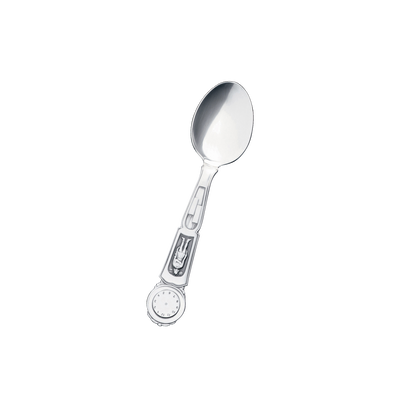
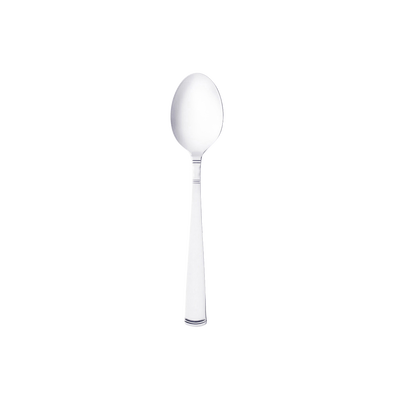
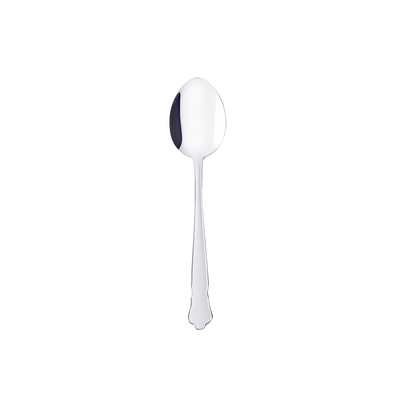
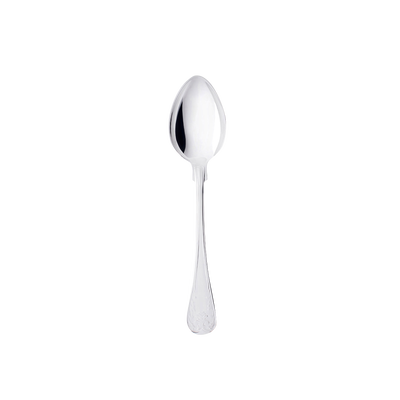
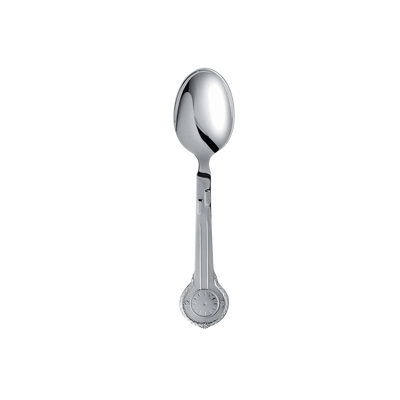
Tableware for Children covers both the earliest mealtime items and pieces that remain useful as children become more independent. Some shoppers arrive looking for a practical feeding spoon, while others are searching for a full set or a gift option. The Danish source mentions christening spoons as part of the range and also points to Gense children’s cutlery as a relevant christening gift.
If you are browsing for a wider children’s setting or gift-related items, you may also want to look at nearby categories on the site. Alongside tableware, there are decorative and textile categories such as figurines for children’s spaces. These links can help if your visit starts with mealtime items but extends to other products for children.
Overall, the category is easiest to use when you start with your child’s current needs: feeding, first self-feeding steps, drinking practice or more confident independent use. From there, compare the relevant product types, read the material information and consider whether you need one item or a coordinated set. That approach reflects the structure of the range and makes it simpler to move from a general search to a more precise choice.
For older children, it can also be useful to continue from tableware to practical on-the-go items such as lunchboxes and water bottles. If you are exploring the broader children’s universe at the same time, the full children section gives you a clear overview of related categories gathered in one place.
Frequently asked questions
How do I choose tableware for children at different ages?
A practical way to choose is to look at what your child is currently learning, such as spoon-feeding, self-feeding or drinking from a cup. In practice, this helps you focus on items that match your child’s stage rather than choosing only by appearance.
Why does durability matter when choosing tableware for children?
Mealtimes with babies and young children often involve dropping, tipping and pushing plates or cups. In everyday use, this means durable materials can be helpful for repeated daily meals and make it easier to compare products by how they may handle regular use.
What materials are commonly used for tableware for children?
The category content highlights strong and durable plastic as a practical material for many children’s mealtime items. In practice, this helps you identify options that are intended for everyday use while also checking the product information for clearer material details.
How can I tell if children’s tableware will be easy for my child to use?
It helps to think about whether your child can comfortably hold, lift or use the item at their current stage. This makes it easier to choose cups, plates or cutlery that support learning to eat and drink more independently.
What should I check about materials before buying tableware for children?
The category content advises looking for clear information about what the product is made from and whether the materials avoid harmful chemicals. In everyday use, this means you can compare products more carefully and choose based on both item type and material information.
Should I start with a full children’s tableware set or just a few pieces?
That depends on what your child uses most often right now. In practice, this helps you start with the most relevant items, such as spoons, plates or cups, whether you need one replacement item or a more coordinated set.
How do I browse tableware for children more easily on a webshop?
A useful approach is to begin with the type of item you need most, then narrow your choices by material and by your child’s current stage. This makes it easier to move from broad browsing to more specific selections that fit everyday mealtime use.
What other children’s products might be relevant alongside tableware?
If you are thinking beyond meals at home, the content points to lunchboxes and water bottles for older children. In practice, this helps you continue from tableware to other children’s items depending on whether you are focusing on mealtimes, daily routines or gift ideas.