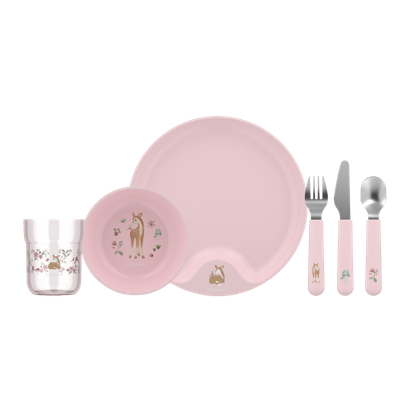
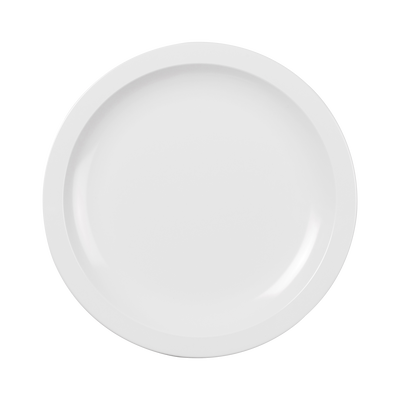
Children’s plates. Your child’s first plate
There is something special about the moment a child gets their own plate for the first time. It is not only the start of a new way of serving meals, but also part of learning, motor development and small everyday milestones. A children’s plate is designed for this stage, with a size, weight and shape that are easier for a child to manage. On this page, you can compare different options and find the type that best matches your child’s needs.
At Kitchen Living Dining, the range includes children’s plates, children’s bowls, baby plates and complete dinnerware sets. The selection features products from recognised brands such as Mepal and Rosti, with durable and child-friendly designs in materials including melamine plastic and PP. If you are starting with one plate or looking for a coordinated set, the category makes it easier to move from broad choices to more specific ones.
You can begin by deciding whether you need a single plate, a divided starter plate or a full set for everyday use. Some parents look first at the material, while others start with design or practical details such as a non-slip base. A practical way to choose is to narrow the selection by one need at a time, so the comparison feels simple and clear.
How to choose the right children’s plates
When choosing a plate for a child, it helps to look at a few key points: material, design, function and safety. These are often the areas that make the biggest difference in daily use and help you compare one plate with another.
Material
In this category, you will find children’s plates in melamine plastic and PP (polypropylene). Both materials are known for being lightweight, durable and resistant to breaking, which makes them well suited to small hands and everyday handling. They are BPA-free and approved for food contact, so they are practical for regular use at mealtimes.
Melamine plastic and PP are also resistant to scratches and discolouration, and most models are dishwasher safe. If you are comparing several products, the material is often a good first filter because it affects both handling and everyday maintenance.
Design
Design matters when choosing children’s plates. Many styles feature cheerful colours and fun motifs that can make meals feel more engaging for the child. Divided plates are also part of the range and can be useful when you want to keep foods separate on the plate. For children who prefer clear separation between different foods, this type of layout can make the meal easier to manage.
A well-chosen design is not only about appearance. In everyday use, it can also support focus at the table and help the child feel more involved. Some children respond well when they can choose a colour or motif they like, while others benefit more from a clear and simple plate shape.
Function
Practical features can make a noticeable difference when a child is learning to eat independently. Lightweight plates are easier for younger children to hold and move. Some models have a non-slip base or suction cup, which can help reduce spills and make the plate stay in place more securely during the meal.
Some children’s plates also have a raised or shaped edge that makes it easier to scoop up food. This is a small design detail, but it can be helpful while motor skills are still developing. If you typically compare products by use rather than by brand, these functional differences are often the most relevant place to start.
Safety
Safety is naturally a key consideration in this category. The children’s plates in the range are made from food-safe materials that are tested and approved for contact with food. They do not contain BPA, phthalates or other harmful substances. This gives you a clear basis for comparing products when safety is your main priority.
The combination of durable materials and child-friendly design also matters in daily use. A plate should be robust enough for repeated handling while still feeling suitable for a child at the table. Brands such as Mepal and Rosti are known for this kind of practical approach, where material choice, finish and usability work together.
Guide: helping your child learn to eat independently
Learning to eat without help is a big step, and the right plate can support the process. The category is helpful here because you can compare products by size, weight and shape, rather than choosing only by appearance. If your child is just starting out, simple and manageable designs are often the easiest place to begin.
Small portions can help create a clearer overview on the plate. Lightweight plates are easier for children to handle on their own, and colours or motifs can help hold their attention during the meal. It is also useful to allow time for practice, as this stage often involves trial and error.
Children’s plates as a gift idea
A children’s plate set can also be a practical gift. It combines everyday use with a personal feel, especially when the set includes matching pieces in coordinated colours or motifs. If you are looking beyond a single plate, a complete dinner set can be a useful next step to explore.
If you want to compare children’s tableware with the wider assortment, you can also browse the broader table setting range and the full selection of plates. This helps you move from the child-specific category to related options and gives a clearer picture of how different plate types fit into the overall range.
Frequently asked questions about children’s plates
What is a children’s plate?
A children’s plate is a child-sized plate, often made from break-resistant material and designed to support learning and motor development at mealtimes.
Why do children need different plates?
Small hands need tableware that is light and easy to handle. Children’s plates are designed with the child’s needs in mind in terms of size, weight and function.
Which material is best?
Melamine plastic and PP are popular choices because they are lightweight, durable and suitable for both warm food and dishwasher cleaning.
How many should you have?
A practical starting point is at least two or three plates, so there is always a clean one ready to use.
When can a child start eating independently?
Many children begin practising at around 6 to 9 months. Small portions and child-friendly tableware can help during this stage.
How long are children’s plates used for?
This varies, but many children use them until around 3 to 4 years of age or longer, depending on their needs and development.
Are children’s plates dishwasher safe?
Yes, the children’s plates in this range are dishwasher safe.
Can children’s plates go in the microwave?
It is best to follow the manufacturer’s instructions, as some models are suitable and others are not.
Explore related plate categories
Once you have narrowed down your choice of children’s plates, it can be useful to compare other plate categories as well. For smaller servings and sweet dishes, see dessert and cake plates. For larger everyday place settings, you can also browse dinner plates and lunch plates.
If you are comparing shapes and serving styles across the wider assortment, soup bowls and tapas sets offer other ways to build a practical tableware collection.
Frequently asked questions
How do I choose the right children’s plate?
It helps to compare plates by material, design, function and safety. In everyday use, this means you can narrow your choice step by step, for example by starting with a lightweight material, then looking at features such as a divided layout or non-slip base.
What is the difference between melamine plastic and PP children’s plates?
Both melamine plastic and PP are lightweight, durable and resistant to breaking, which makes them suitable for everyday meals. In practice, this helps you choose a plate that is easier for a child to handle and simple to maintain, as both materials are also described as dishwasher safe.
Are divided children’s plates useful?
Divided plates can be useful if your child prefers different foods to stay separate during a meal. This makes it easier to organise small portions clearly on the plate and can help some children feel more comfortable at the table.
What features can help a child eat independently?
Lightweight plates, raised edges and models with a non-slip base or suction cup can all support independent eating. In everyday use, this means the plate is easier to hold steady, and the shaped edge can make it simpler for a child to scoop up food while motor skills are still developing.
Are children’s plates safe for everyday use?
The category content explains that the plates are made from food-safe materials approved for contact with food and that they do not contain BPA or phthalates. In practice, this helps you compare products more clearly when safety is one of your main concerns.
Are children’s plates dishwasher safe?
Yes, the children’s plates in this range are described as dishwasher safe. This makes it easier to use them regularly at mealtimes without needing special care after each use.
Can children’s plates go in the microwave?
Microwave suitability depends on the specific model, so it is best to follow the manufacturer’s instructions for the plate you are considering. In everyday use, this helps you avoid using a plate in a way that does not match its material or intended function.
How can I narrow down the options when looking at children’s plates online?
A practical approach is to focus on one need at a time, such as material, design or features like a non-slip base. This makes it easier to move from broader choices to more specific selections without comparing everything at once.