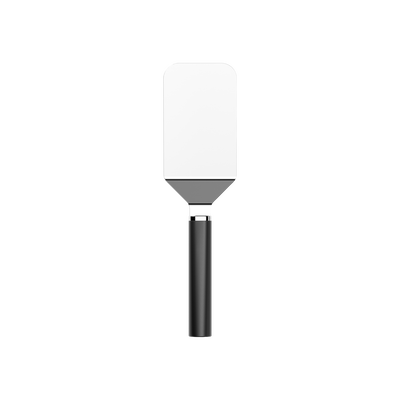
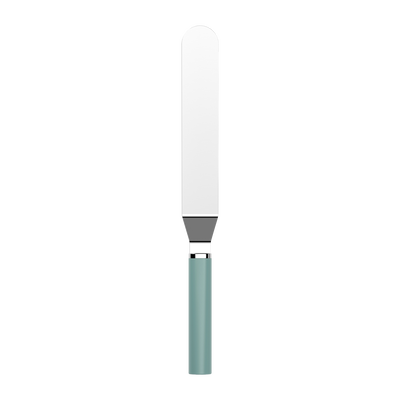
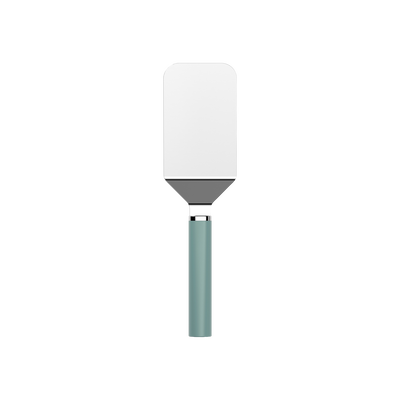
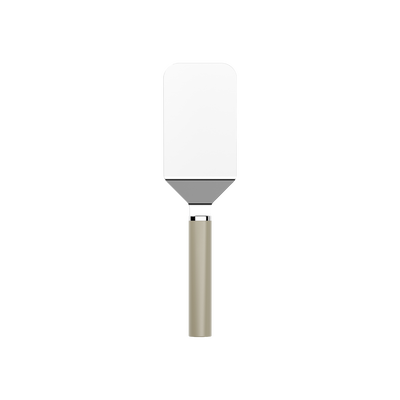
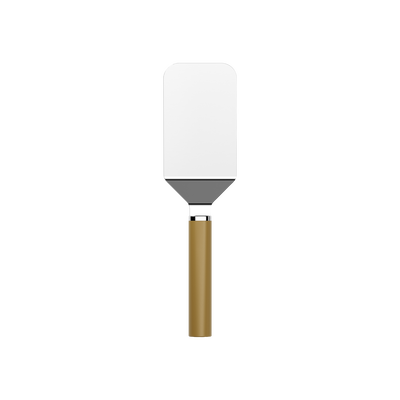
What is a spatula?
A spatula is a versatile kitchen utensil that is used mainly for baking, but can also be used for frying. In baking, it helps with techniques such as spreading cake fillings or smoothing mixtures, while in other kitchen tasks it can be used to lift or turn food.
Spatulas often have a flexible blade designed to slide easily under food. They vary in size, shape and material, which makes them suitable for a wide range of kitchen tasks. Compared with palette tools that have a wider blade, a spatula has a sharper edge that is useful for cutting softer items.
If you are building a practical collection of utensils, spatulas are one part of a wider range of kitchenware and everyday kitchen utensils. Many shoppers compare them alongside tools they use in the same workflow, such as whisks, cooking spoons, kitchen knives and colanders, sieves and strainers.
On a webshop, users usually start with the overall purpose: baking, frying, lifting or smoothing. From there, the next step is often to compare blade shape, blade size and material. That makes it easier to narrow the category down to the spatulas that fit your typical kitchen tasks.
What do you use a spatula for?
A good spatula can be used for many different jobs in the kitchen, but it is especially appreciated by people who enjoy baking. As you browse the range, you will see different shapes, sizes and designs, so it helps to think about how you are most likely to use it. A practical way to choose is to begin with the task you want it for most often, and then compare the models that suit that job.
Some shoppers mainly need a spatula for cake work, where control and precision matter when smoothing cream or icing. Others want one that can also handle everyday cooking, such as turning food in a pan. Because the category includes more than one format, it supports easy comparison between compact tools for detail work and longer blades for lifting or spreading over a larger surface.
Common types in the range
Narrow offset spatulas are useful when you need extra clearance, for example when working in pans with higher sides. The angled shape can help you reach underneath food while keeping your hand slightly raised above the surface.
Mini spatulas make it easier to refine small details on cakes. If you usually work carefully with decoration or finishing touches, this smaller format can be easier to control.
Straight spatulas without an offset are well suited to both lifting cakes and smoothing creams or icings. In many situations, this is a straightforward choice when you want a simple shape that can cover several tasks.
When comparing these options online, it helps to move from the broad question of use to more specific details. If your main need is precision, a mini model may be the right direction. If you need reach in a pan, an offset shape is more relevant. If you want one utensil for general lifting and smoothing, a straight blade may be the easiest place to start.
Users often explore this category together with other utensils that support preparation and baking. Depending on your routine, you may also look at measuring jugs and cups, mixing jugs, cooling racks and graters when comparing related tools for the same part of the kitchen.
Choosing by material
Besides shape, the material also plays an important role. Material affects how the spatula feels in the hand, how firm the blade is, and which surfaces it suits best. On the page, comparing by material is often the clearest way to refine your choice once you know what kind of tasks it should handle.
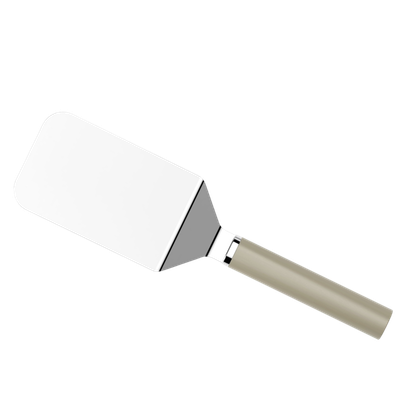
Metal spatula with plastic handle
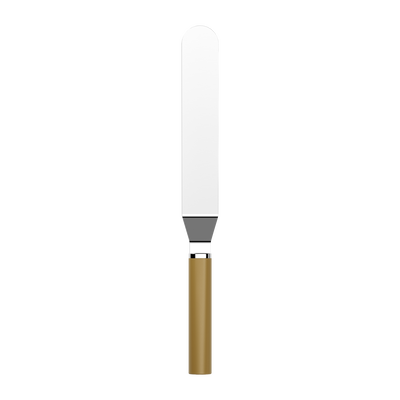
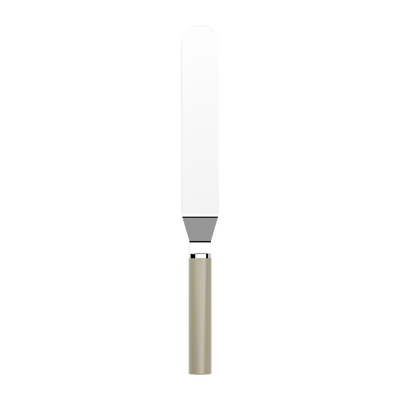
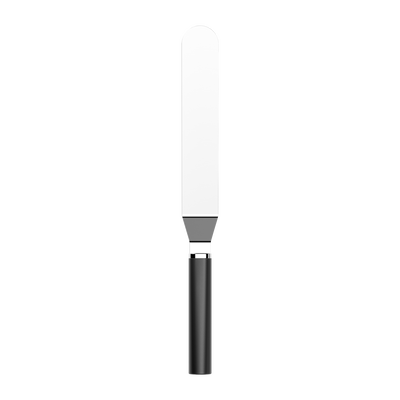
Metal spatulas with plastic handles combine the durable properties of steel with a light, comfortable grip. The blade can be used to cut cake bases, and the utensil can be cleaned in the dishwasher. If you are comparing options for baking tasks where both cutting and lifting are relevant, this type can be a practical place to focus.
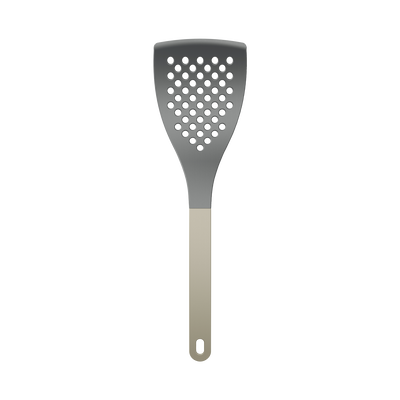
Within the wider utensil range, some shoppers also look at plastic alternatives in nearby categories when comparing materials and handling. That can make it easier to decide whether you prefer a lighter grip, a more classic look or a particular feel in everyday use.
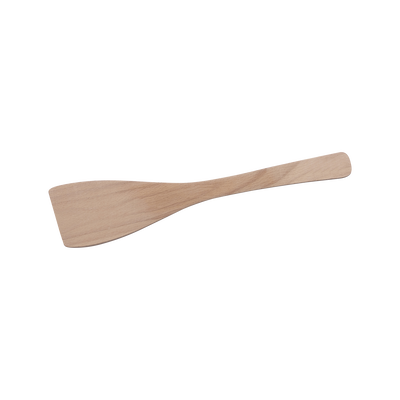
Wooden spatula
Wooden spatulas are suitable for handling most foods. Wood is gentle on surfaces, which makes a wooden spatula especially useful for pans with a non-stick coating. If protecting the cooking surface is an important part of your choice, this is one of the first distinctions worth looking at when browsing the category.
For many users, this option stands out not because of blade sharpness, but because of how it works on the pan or tray. If you typically cook on coated surfaces, comparing wooden models can quickly narrow the selection in a useful way.
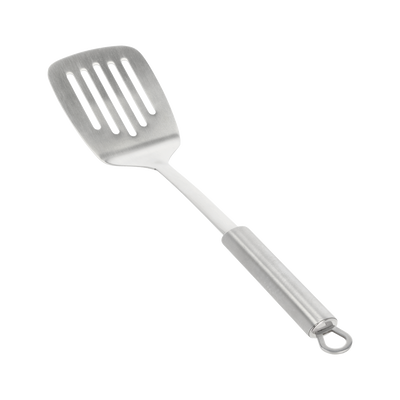
Stainless steel spatula
Metal or stainless steel spatulas are very strong and suitable for many tasks, such as cutting cakes or moving heavier cake layers. The smooth surface on both handle and blade is easy to clean, which also makes it a hygienic solution.
If you often need a stronger utensil for lifting or cutting, stainless steel is a natural category to compare first. It is especially relevant when the task calls for firmness rather than gentler contact with the surface. On a category page like this, comparing material together with blade shape usually gives the clearest route to the right product.
How this category helps you compare options
When browsing spatulas online, most users start with a broad purpose and then refine their choice step by step. First, decide whether the spatula is mainly for baking, frying or both. Next, compare shape: narrow offset, mini or straight. After that, look at material to match the surfaces and tasks you have in mind. This way of browsing makes the category easier to use, because it moves from general needs to more specific product differences.
You can also explore related utensils if you are comparing a full kitchen setup. Depending on what you need around the spatula, relevant next steps may include chopping boards, mortar and pestles, pizza and pasta utensils, salt and pepper grinders, thermometers and timers and other kitchen utensils.
Whether you need a spatula for decorating a cake, smoothing cream, cutting softer cake layers or turning a pancake, the category gives you a clear overview of the main differences. By comparing use, shape and material, it becomes easier to find the spatula that matches your kitchen tasks.
Frequently asked questions
What is a spatula used for?
A spatula is used for tasks such as spreading fillings, smoothing mixtures, lifting food and turning food during cooking. In everyday use, this means that one utensil can help with both baking jobs and simple frying tasks.
How do I choose the right spatula for baking or cooking?
A practical way to choose is to start with the task you do most often, such as smoothing icing, lifting cake layers or turning food in a pan. This makes it easier to compare narrower options by blade shape, size and material.
What is the difference between a straight, offset and mini spatula?
A straight spatula is useful for general lifting and smoothing, while an offset spatula gives extra clearance when working in pans with higher sides. A mini spatula is better for smaller cake details, and in practice this helps you choose the shape that matches the level of precision or reach you need.
Why does the material of a spatula matter?
The material affects how firm the blade feels, how the spatula sits in the hand and which surfaces it suits best. In practice, this helps you match the utensil to your usual tasks, whether you need a gentler tool for coated pans or a firmer one for lifting and cutting.
When should I choose a wooden spatula?
A wooden spatula is a good option when you want a utensil that is gentle on surfaces, especially non-stick pans. In everyday use, this means it can help you cook on coated cookware without focusing on blade sharpness.
When is a stainless steel spatula the better choice?
A stainless steel spatula is useful when you need more strength for tasks such as cutting cakes or moving heavier cake layers. This makes it easier to handle jobs where firmness matters more than gentle contact with the surface.
Can a metal spatula with a plastic handle go in the dishwasher?
Yes, the category text explains that a metal spatula with a plastic handle can be cleaned in the dishwasher. In practice, this helps if you want a utensil that combines a steel blade with straightforward everyday cleaning.
How can I narrow down spatula options on a webshop?
A clear way to compare spatulas online is to begin with the main purpose, such as baking, frying, lifting or smoothing. From there, you can move to filtered choices by shape and material, which makes it easier to find a spatula that suits your routine.