.png)
Save 30%
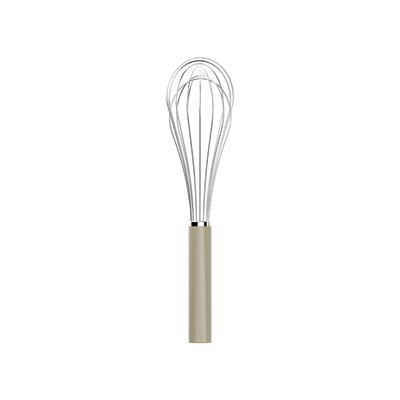
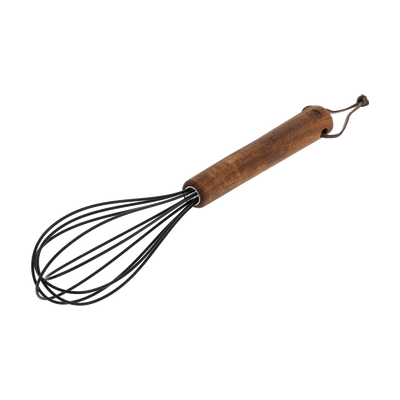
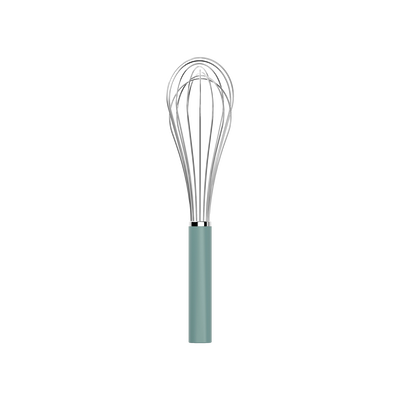
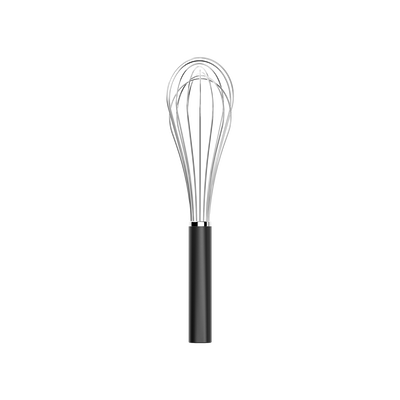
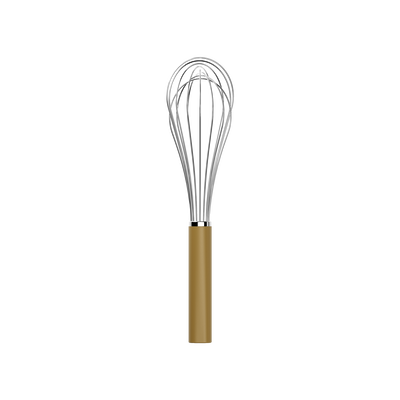
What is a whisk?
A whisk is a simple but essential kitchen utensil used for mixing and whisking ingredients together. It usually consists of a handle in metal, plastic or wood, combined with wire loops or spiral wires shaped to work air into liquids and semi-liquid mixtures.
That is why whisks are used in both sweet and savoury cooking. They help when you want a lighter texture, but they are also practical for everyday stirring and blending. If you are browsing a wider range of kitchenware, or comparing tools within kitchen utensils, a whisk is one of the basic items that supports many different tasks.
What is a whisk used for?
A whisk can be used for many kinds of liquid and semi-liquid ingredients. Typical tasks include whipping cream, whisking egg whites for meringue, mixing sauces and preparing pancake batter.
The main function of a whisk is to make liquid ingredients light and airy. It is also useful for blending sauces and dressings and for helping to avoid lumps in sauces and other mixtures. In everyday use, that makes a whisk a practical choice when you want more control over texture and consistency.
When users explore this category, they often start with the task rather than the material. If you mainly whisk cream or egg whites, one shape may suit you better. If you mostly stir sauces in a pan or mix small quantities, another type may be easier to handle. Looking at the whisk shape first is often the easiest way to compare the options on the page.
Which whisk should I choose?
When choosing the right whisk, it helps to consider the jobs you do most often in the kitchen. Different whisk shapes are designed for different purposes, so the best choice depends on whether you want to whip in a lot of air, stir neatly along the base of a pan or work with small amounts.
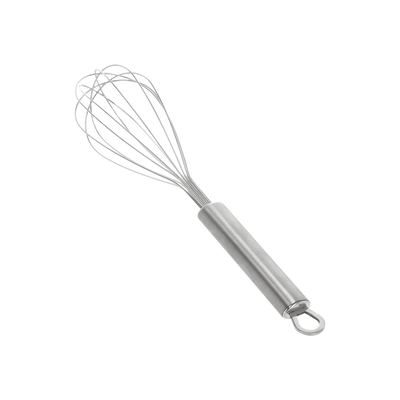
Balloon whisk
The balloon whisk is ideal when you want to incorporate a large amount of air into ingredients such as whipped cream and egg whites. Its wide, curved wires help create a light and airy result, making it a good choice when a soft and creamy consistency matters. It is especially suitable for larger portions and recipes where volume is important.
Flat whisk
A flat whisk is well suited to mixing smaller quantities or stirring in pots and bowls with a lower fill level. It gives you more control and works well for delicate mixtures such as sauces or light creams. Its compact design also makes it practical for whisking directly in cookware where space is limited.
L-shaped whisk
An L-shaped whisk is designed to reach into the corners of pots and pans, which makes it especially useful for cooking on the hob. It is a practical option for sauces and batters where you need to work right to the edges for an even mixture and to avoid anything sticking to the bottom.
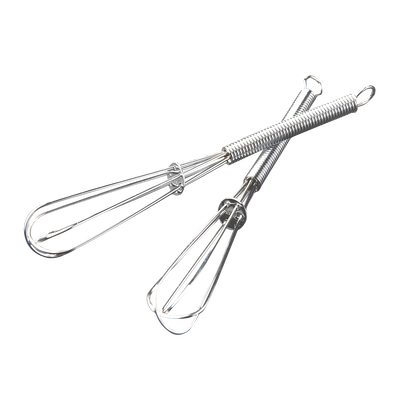
Mini whisk
A mini whisk is a small, compact tool for smaller tasks. It is useful for whisking a small amount of egg for glazing, mixing a quick dressing or stirring a small bowl of sauce or marinade. Because of its size, it is easy to control when a larger whisk would feel unnecessary.
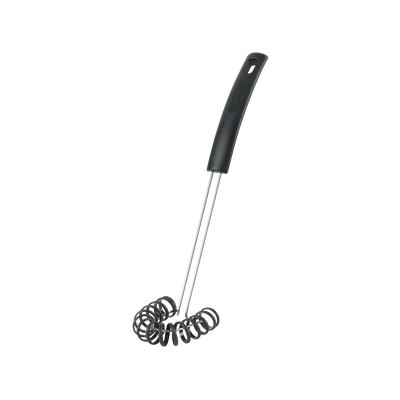
Spiral whisk
A spiral whisk is a versatile type of whisk that is particularly suitable for stirring sauces and mixing ingredients evenly without lumps. The spiral shape helps it reach into the corners of a pot or bowl for a more even result. It is often a good choice when you need careful stirring to achieve the right consistency.
If you are comparing this page with other utensil categories, it can also help to think in terms of preparation stages. You may use measuring jugs and cups before mixing, mixing jugs for combining ingredients, and spatulas or cooking spoons alongside a whisk depending on the consistency of the mixture.
How do I clean my whisk?
Cleaning a whisk properly is important if you want to maintain its function over time. The right method depends on the material and on what you have used it for.
Hand washing is recommended, as it helps avoid bending or damaging the wires. Wash the whisk in warm water with mild washing-up liquid, and clean it thoroughly using your hands or a soft sponge.
If food residue is stuck between the wires, soaking the whisk in warm water for a few minutes can help loosen it. You can then remove stubborn residue carefully with a washing-up brush or a toothpick. Rinsing it under a strong stream of water can also help wash away any remaining bits.
Many whisks, especially stainless steel versions, can go in the dishwasher. If you do this, place the whisk on the upper rack so it does not get pressed or bent during the wash. If the whisk has a silicone coating or is made of wood, it is better to avoid the dishwasher, as this may damage the material over time.
After washing, dry the whisk thoroughly with a clean cloth or leave it to air dry. It is important that no water remains on the wires, as this can lead to rust, especially if the whisk is not made of stainless steel.
Can a whisk replace a hand mixer?
Yes, in many cases a whisk can replace a hand mixer, but the right choice depends on the task.
A whisk is ideal for smaller jobs such as whipping cream, whisking egg whites or making a sauce. It gives you better control and can make it easier to avoid overwhipping, which can happen with an electric hand mixer. It is also easy to clean and does not require electricity, which makes it practical for quick kitchen tasks.
For jobs that require precision, such as whipping cream to the right consistency, a whisk is often the better choice. A hand mixer, on the other hand, is more effective for larger quantities or heavier mixtures such as cake batter or mashed potatoes. Both tools have their place, and the choice depends on what you need to do.
How to whip cream successfully
If you want whipped cream that is soft, creamy, light and airy, whisking by hand can give you better control over the result. While an electric hand mixer may be faster, a whisk makes it easier to follow the texture as it develops and stop at the right point.
A balloon whisk is the most suitable option for whipped cream. Its broad, curved wires create large air pockets in the cream, helping you whisk it efficiently while keeping the texture soft and airy.
Find related kitchen utensils
When you are choosing a whisk, it can be useful to compare it with other tools you may use in the same cooking or baking process. For preparation, you might also look at graters, kitchen knives and chopping boards. For seasoning and flavour work, there are also salt and pepper grinders and mortar and pestles.
If you are baking, other useful categories include cooling racks and thermometers and timers. For draining or sifting, you can also browse colanders, sieves and strainers. If your cooking includes dough, pasta or similar tasks, pizza and pasta utensils may also be relevant.
Some users prefer to build their selection around a complete utensil drawer rather than one item at a time. In that case, it can be useful to continue to other kitchen utensils and compare which tools support the way you cook most often.
Frequently asked questions
What is a whisk used for?
A whisk is used to mix, whip and blend liquid or semi-liquid ingredients such as cream, egg whites, sauces and batter. In everyday use, this means that it helps you add air for a lighter texture and also makes it easier to avoid lumps in sauces and similar mixtures.
How do I choose the right whisk for different jobs?
The best whisk depends on the task you do most often, as different shapes are designed for different kinds of mixing. In practice, this helps you choose more easily: a balloon whisk suits whipping air into cream or egg whites, while flatter or more compact shapes can be better for sauces, pans and smaller amounts.
What is the difference between a balloon whisk and a flat whisk?
A balloon whisk has wide, curved wires that are designed to incorporate a large amount of air, which makes it suitable for whipped cream and egg whites. A flat whisk is better for smaller quantities and lower fill levels, and in everyday use this means it can be easier to control when stirring sauces or mixing directly in cookware.
When should I use an L-shaped whisk or a spiral whisk?
An L-shaped whisk is useful when you need to reach right into the corners of pots and pans, especially when cooking on the hob. A spiral whisk is also helpful for sauces and smooth mixtures, and in practice this makes it easier to stir evenly and reduce lumps around the edges of a bowl or pan.
Is a mini whisk only useful for very small tasks?
A mini whisk is mainly designed for small amounts, such as whisking a little egg for glazing or mixing a quick dressing or sauce. This makes it easier to control than a larger whisk when the quantity is small and a full-sized tool would feel unnecessary.
Can a whisk replace a hand mixer?
In many cases, yes, especially for smaller jobs such as whipping cream, whisking egg whites or making sauces. In everyday use, this means you get more control over the texture, while a hand mixer is usually more effective for larger quantities or heavier mixtures such as cake batter or mashed potatoes.
How should I clean a whisk properly?
Hand washing in warm water with mild washing-up liquid is generally recommended, as this helps prevent the wires from bending or becoming damaged. If food is stuck between the wires, soaking the whisk first can help loosen it, and drying it thoroughly afterwards makes it easier to prevent rust on materials that are not stainless steel.
How can I compare whisks more easily when browsing online?
It often helps to start with the job you want the whisk to do rather than the material it is made from. In practice, this helps you narrow the filtered choices more quickly, because whisk shape usually tells you whether it is better for whipping, pan work or small everyday mixing tasks.