
The advantages of cooking with gas
Gas differs from other heat sources because the frying pan sits directly over an open flame. Along with the distinct feel of cooking on gas, the live flame gives you a number of practical advantages in everyday use. With gas, you can use frying pans in almost all materials, including aluminium, cast iron, stainless steel and copper. You can also use pans in many different sizes, and the heat is easy to adjust up or down. Gas can reach a very high temperature, and once the burner is turned off, it loses heat immediately.
That is why many people choose gas when they want precise control while frying, browning or adjusting the heat during cooking. When you compare Frying Pans for Gas Stoves, it helps to look at both the material and the shape of the pan, because gas gives you a broad freedom of choice.
As you browse this category, a practical way to choose is to start with the broad selection of pots and pans, then narrow down to the full range of frying pans. From there, you can compare the pans that are specifically suited to gas cooking by material, size and depth.
Which frying pan should you choose?
As mentioned above, gas works with almost all frying pans. That also means there are many options when you want to find the right pan in the right material and design. For most situations, it is easiest to begin with the type of cooking you do most often, and then compare the properties of each material.
Different materials have different strengths
If you are unsure what your next frying pan for gas should be made from, these are the four materials most often used.
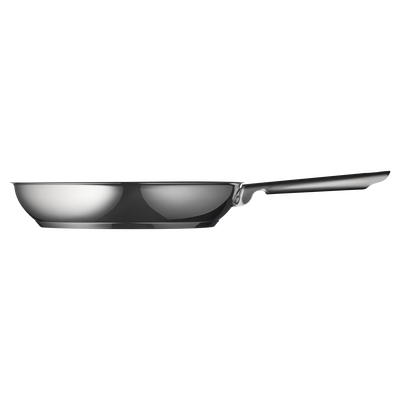
Stainless steel: Stainless steel frying pans are durable and very good at distributing heat evenly. They can be used for a wide range of dishes where a frying pan is needed, and if the handle is also made of steel, they can often be used in the oven. If you want to compare this type directly, you can browse our stainless steel frying pans.
Cast iron: If you are looking for a frying pan that holds heat well and is ideal for browning and frying, cast iron is a strong option. Cast iron pans need a little more maintenance than many other pans, but they are known for their heat retention in use. You can compare different models in our selection of cast iron skillets.
Copper: Copper pans are often chosen for their appearance, but copper is also highly effective at conducting heat. This gives you even and fast heat distribution, which many users value on a gas hob. If that is the direction you want to explore, see our range of copper pans.
Aluminium: An aluminium frying pan for gas is light in the hand and conducts heat efficiently, helping the heat spread evenly across the pan. This makes aluminium a practical option for many everyday tasks in the kitchen.
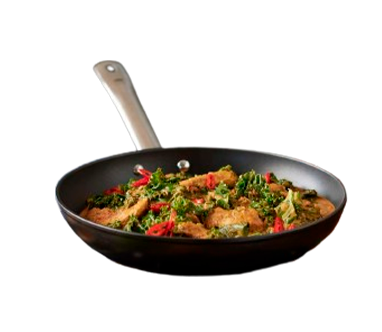
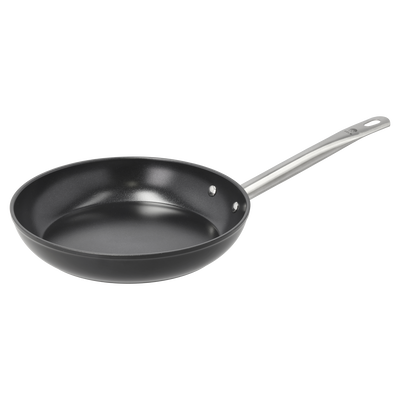
Once you have chosen a material, the next step is often to check whether you want a coated or uncoated surface. Many frying pans have ceramic coatings that help food release more easily from the pan, without needing too much fat. If that is relevant for the way you cook, take a look at our non-stick pans. You can also compare hybrid pans if you want to explore another pan type within the same category.
Choose a design that suits your cooking needs
It is also worth considering what size and depth your frying pan for a gas stove should have. This category includes pans in several diameters, making it easier to compare small and large options depending on how much space you want in the pan.
The range includes sizes such as 10 cm, 20 cm, 24 cm, 28 cm and 30 cm in diameter. A practical way to choose is to think about what you usually cook and how much room you need on the cooking surface. If you typically cook smaller portions, a smaller pan may be enough. If you need more space on the hob for larger meals, a larger pan can be the better choice.
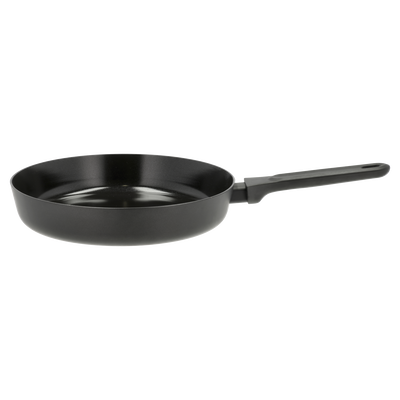
Depth also makes a difference. With a deep frying pan, you can do more than simple frying. You can brown vegetables and meat in the pan and then let everything simmer together in the same pan. In this category, you can compare frying pans with depths such as 3.5 cm, 4.3 cm and 5.5 cm, which makes it easier to find a shape that matches the way you cook.
If you already know that you want more than one pan, it can be useful to compare our frying pan sets. If you want to expand beyond frying pans, you can also explore the wider cookware selection within pots and pans.
Compare by hob type and cooking setup
Even though this page focuses on Frying Pans for Gas Stoves, many shoppers compare categories before deciding. If you also cook on another type of hob, it can help to look across related categories to see how the ranges differ.
For example, you can browse our induction frying pans if you need pans for induction, or compare with our frying pans for ceramic cooktops if that matches your hob. Looking across these categories can make it easier to understand whether you want to focus on material, coating, size or compatibility first.
The broader frying pans category is also a useful starting point if you are still deciding between several pan types. From there, you can move into more specific groups and compare details in a more structured way.
Gas frying pans for outdoor cooking
Gas is also a flexible heat source that is often used when cooking outdoors. If you use a gas burner while camping, or if your grill has a gas burner, a frying pan for gas can also be relevant outside the kitchen.
Some frying pans for gas can also be used on a grill or over an open fire, but it is important to check the tolerance of the individual pan for extreme heat. Soot and high temperatures can damage a pan if it is not designed for that kind of use.
If outdoor cooking is part of your setup, it is worth keeping that in mind while comparing materials and finishes. Some users prefer a simpler construction, while others focus on how the pan performs on the hob first and use outdoor suitability as a secondary consideration.
Find the right pan by comparing material, size and use
When choosing Frying Pans for Gas Stoves, most shoppers move through the category in three steps: first by material, then by size, and finally by surface or design. That makes it easier to narrow the selection without overlooking useful alternatives.
If you want a pan that holds heat well, cast iron may be the right place to look. If even heat distribution is your priority, stainless steel, copper or aluminium may be more relevant depending on what you prefer in use. If easy food release matters most, comparing coated pans can help you narrow the choice further.
By using the category in this way, you can compare products more clearly and focus on the features that matter most to your cooking on gas.
Frequently asked questions
Why are frying pans for gas stoves often easy to choose from?
Gas hobs work with frying pans in most common materials, including aluminium, cast iron, stainless steel and copper. In everyday use, this means that you can focus more on the pan’s material, size and depth rather than worrying about basic compatibility with a gas flame.
Which frying pan material is best for cooking on gas?
The best material depends on how you cook most often. In practice, cast iron is useful for strong heat retention, while stainless steel, copper and aluminium are often chosen for even heat distribution, so it helps to match the material to the dishes you make most.
What is the difference between cast iron, stainless steel, copper and aluminium frying pans for gas?
Cast iron holds heat well and is often used for browning, while stainless steel is durable and spreads heat evenly. Copper conducts heat very effectively, and aluminium is lighter in the hand and also heats efficiently. This makes it easier to compare pans by how they feel and perform during everyday cooking.
Should I choose a coated or uncoated frying pan for a gas stove?
Once you have chosen a material, it helps to think about whether you want an easier food-release surface. In practice, a coated pan such as one with a ceramic coating can help food release more easily and may reduce how much fat you need during cooking.
How do I choose the right size frying pan for a gas stove?
A practical way to choose is to think about what you usually cook and how much space you need in the pan. In everyday use, a smaller pan can be enough for smaller portions, while a larger pan gives you more room on the cooking surface for bigger meals.
Does the depth of a frying pan matter when cooking on gas?
Yes, depth affects what you can do in the pan beyond basic frying. In practice, a deeper frying pan can make it easier to brown ingredients first and then let them simmer together in the same pan, which gives you more flexibility in one piece of cookware.
Can a frying pan for a gas stove also be used outdoors?
Some frying pans for gas can also be used on a grill or over an open fire, but it is important to check the individual pan’s heat tolerance first. In everyday use, this helps you avoid damage from very high temperatures or soot if the pan is not made for that kind of cooking.
What is the easiest way to narrow down frying pans for gas stoves on a webshop?
A useful approach is to compare pans in three steps: first by material, then by size, and finally by surface or design. This makes it easier to move from broader cookware options to narrower choices and focus on the features that matter most for your cooking.