Save 30%



Save 30%
Serve food with well-chosen serving utensils
Presentation matters more than many people think, and serving utensils play a central role in this. They help each person serve food onto the plate in the way they prefer, while also supporting the overall look of the table. In everyday use, the right utensil makes serving simpler, more precise and more suitable for the dish being served.
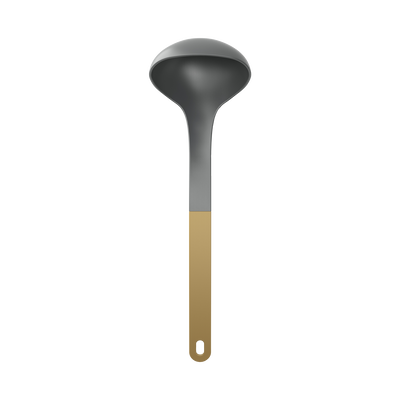
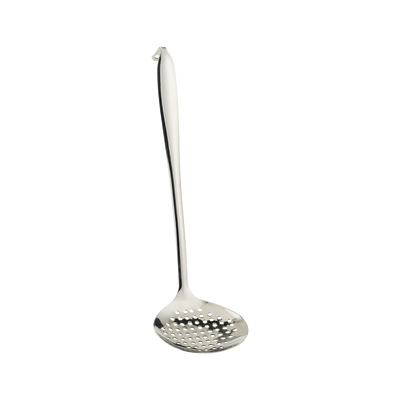
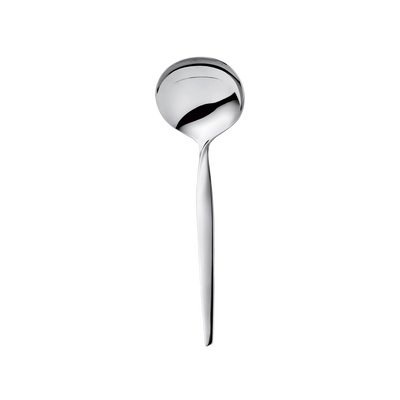
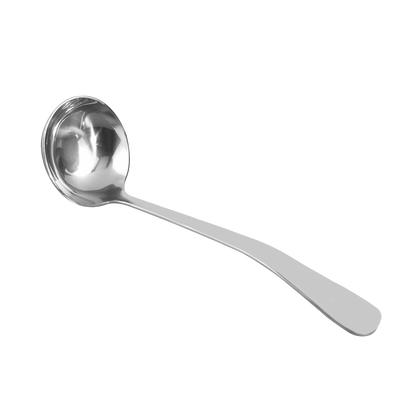
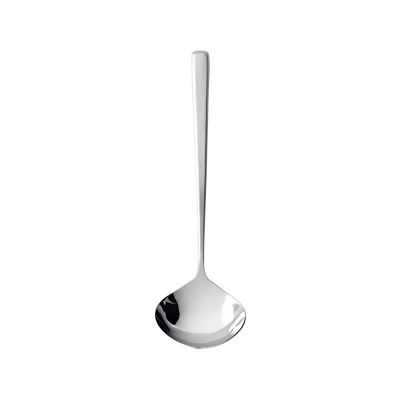
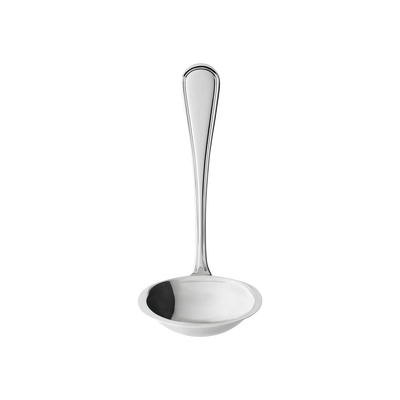
Serving utensils also act as a subtle guide. The size of a ladle spoon, for example, can indicate whether a sauce is meant to be served generously or in smaller amounts. In that way, the utensil itself can help shape how the food is served and enjoyed.
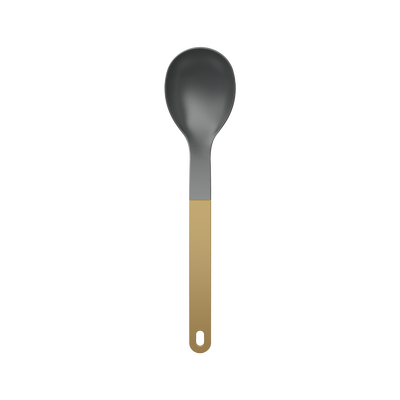
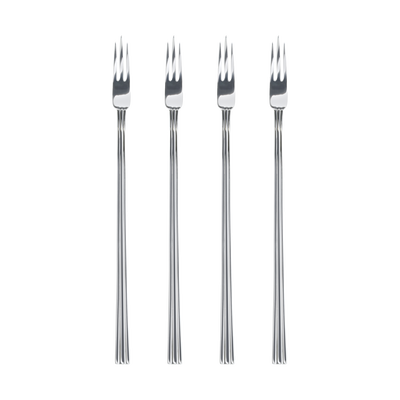
Because this category includes different shapes, materials and finishes, serving utensils can also become part of the overall table setting. Items such as serving forks, tongs, food tweezers and soup ladles can be chosen to work with your crockery and the rest of your table setting. This makes it easier to create a consistent look where the serving pieces support both the food and the table.
How to choose serving utensils
When choosing serving utensils, it helps to move from broad considerations to more specific needs. A practical way to choose is to start with the occasions you use them for, then consider material and appearance, and finally narrow down the utensil types that match the food you serve most often.
Occasion and style
First, consider whether you mainly use serving utensils for more formal meals or for relaxed everyday serving. Some people prefer a simple and understated look, while others want serving pieces that stand out more clearly on the table. If you are already building your selection within flatware and cutlery, it can be useful to compare how the serving pieces work with your existing cutlery and tableware.
Materials and overall look
Material is another key point. The Danish text highlights the difference between the natural character of wood and the durability of steel, and this is often where shoppers begin comparing products in this category. For most situations, the material affects both the visual impression and how the utensil feels in the hand. If you want serving utensils to blend into an existing cutlery collection, it may help to compare them with cutlery sets, or look at individual forks, knives and spoons for a similar style direction.
Function and the food you serve
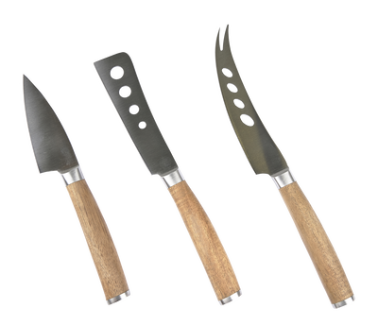
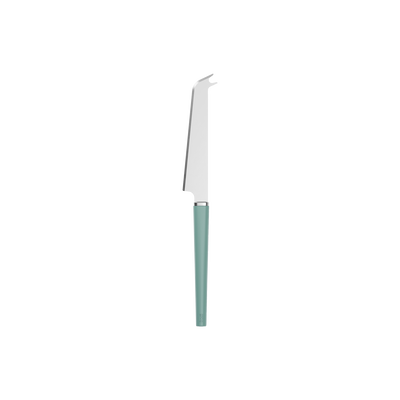
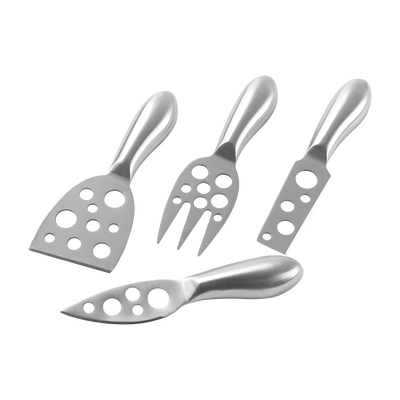
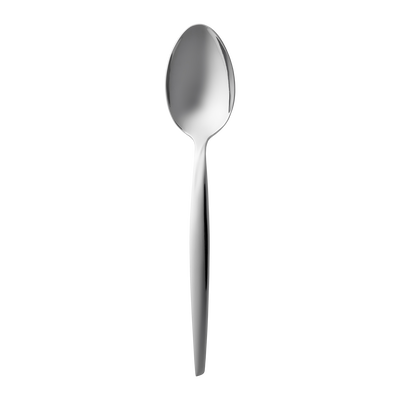
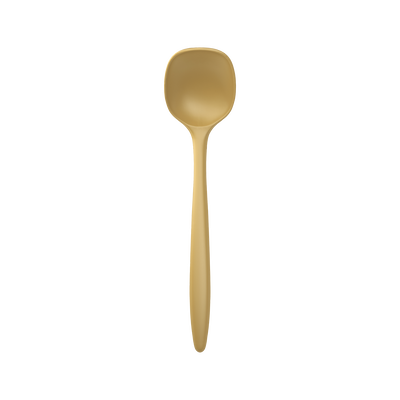
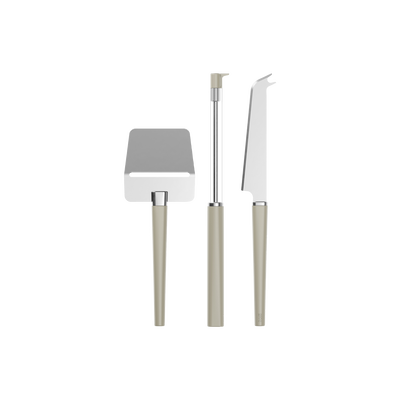
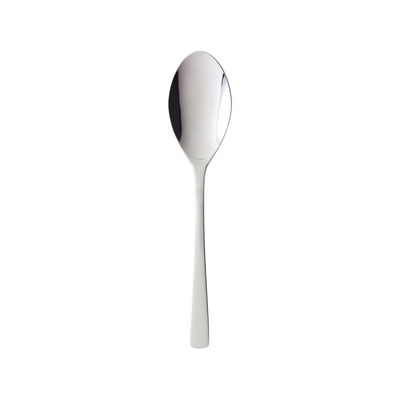
The most useful question is often: what do you serve most often? Different dishes call for different serving utensils, and that is usually the easiest way to narrow the selection. A serving spoon helps with portioning equal amounts, salad servers are designed to handle leaves more gently, and a ladle is suited to liquid dishes or sauces. If you typically serve salad, it makes sense to compare this category with salad cutlery. If you often serve cheese, dedicated cheese knives and sets can be a relevant next step.
On a webshop page like this, many shoppers start by identifying the main utensil type they need, then compare details such as size, material and appearance. This makes it easier to move from a broad category view to a more specific choice without losing sight of how the pieces will work at the table.
Serving utensils and related table tools
Serving utensils cover several different needs at the table, and they often overlap with other categories used for serving and presenting food. Below are some of the most relevant categories to compare when building a practical selection.
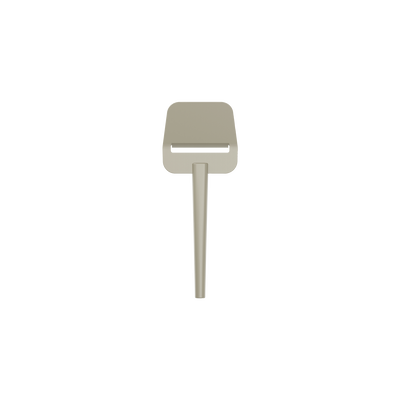
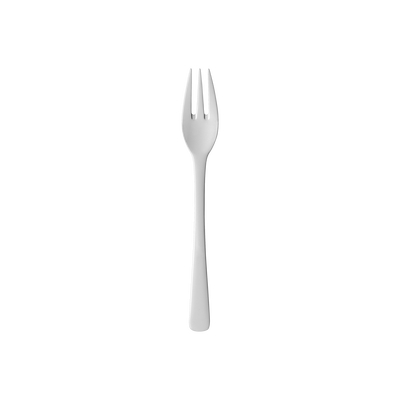
If salad is a regular part of the meal, salad cutlery is designed specifically for lifting and serving leaves neatly. For cakes and desserts served at the table, cake forks and servers are a natural complement. If grilled dishes are common, steak cutlery can complete the table in a way that suits that type of meal.
Some shoppers also look across categories to create consistency for the whole household. If smaller sizes are needed at the table, children's cutlery is worth considering alongside the main serving and dining pieces. In this way, the category works not only as a place to choose one utensil, but also as part of a broader comparison across table setting needs.
Finding your way through the category
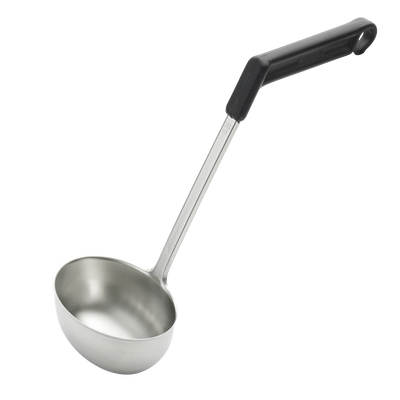
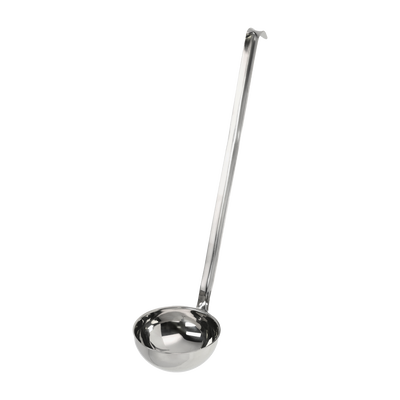
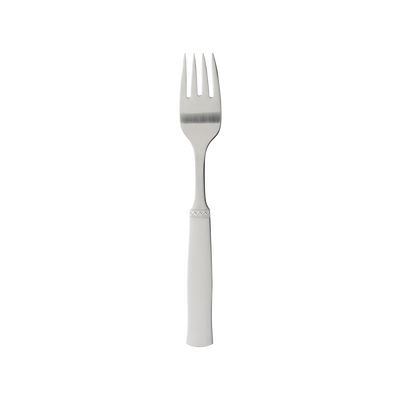
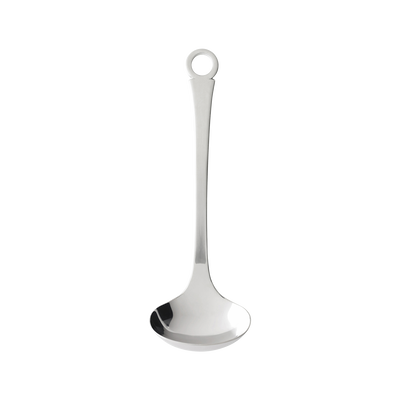
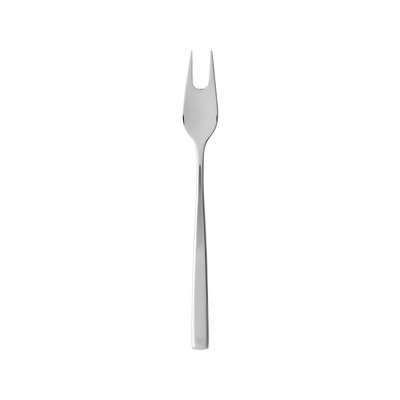
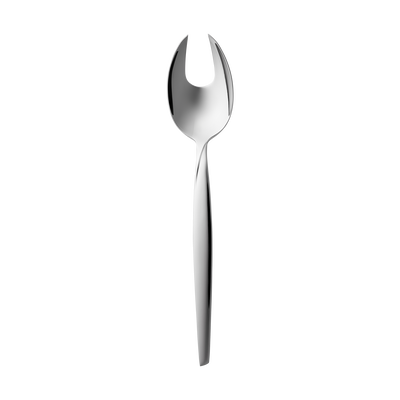
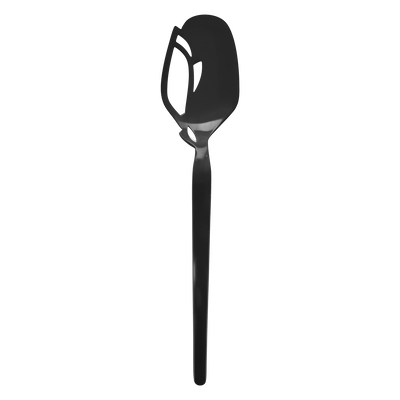
This category is easiest to explore by starting with the food you want to serve. If you need a utensil for soup or similar dishes, a soup ladle is an obvious place to start. If the focus is sauces or smaller liquid servings, you can go directly to ladle spoons. For cold cuts, smaller servings or table presentation where a fork shape is more useful, serving forks provide a more targeted option.
From there, it often becomes easier to compare material, finish and visual style. Some people want serving utensils that closely match their current dining pieces, while others prefer to create contrast at the table. The category supports both approaches by letting you begin with function and then refine your selection according to appearance.
If you want a wider overview before choosing, you can also move up to the broader table setting category or browse the full flatware and cutlery selection. That can be helpful if you are coordinating serving utensils with the rest of the pieces used around the meal.
Serving utensils as part of the full table setting
Serving utensils are not only practical tools. They are also part of how food is presented and how the table comes together visually. Whether you prefer a modern expression, a more classic look or stronger contrast in colour and finish, the choice of serving utensils affects the overall impression of the meal.
For that reason, many shoppers compare this category with related pieces before deciding. Looking at the broader cutlery range, or combining serving utensils with categories such as cake forks and servers, salad cutlery and steak cutlery, helps create a table that feels considered from serving bowl to plate.
Whether you are comparing specific utensil types or looking for pieces that fit into a wider collection, this page gives you a clear starting point within serving utensils and helps you narrow the choice according to use, material and style.
Frequently asked questions
How do I choose the right serving utensils for my table?
A practical way to choose serving utensils is to start with the occasions you use them for, then look at material and appearance, and finally focus on the utensil types that suit the food you serve most often. In everyday use, this means you can narrow your choice step by step instead of comparing every option at once.
Which serving utensil should I use for different types of food?
Different dishes are easier to serve with different utensils. A serving spoon helps with even portions, salad servers are gentler on leaves, and a ladle is better for soups, sauces and other liquid dishes. In practice, this helps you choose a utensil that suits the texture and portion size of the food.
Why does the material of serving utensils matter?
Material affects both the look of the table and how the utensil feels in the hand. The category content highlights the natural character of wood and the durability of steel, so the choice is often about appearance as well as everyday use. This makes it easier to match the utensil to your tableware and the way you prefer to serve.
Should serving utensils match my cutlery and tableware?
Serving utensils do not have to match exactly, but many people compare them with their existing cutlery and tableware to create a more consistent table setting. In practice, this helps you decide whether you want the serving pieces to blend in with the rest of the table or stand out as a contrast.
How can serving utensils affect the way food is served?
Serving utensils can guide portioning and presentation in a subtle way. For example, the size of a ladle spoon can suggest whether a sauce is served generously or in smaller amounts. In everyday use, this means the utensil itself can influence how neatly and how much food is served.
How do I find the right option when browsing serving utensils online?
It usually helps to begin with the main utensil type you need and then compare details such as size, material and finish. If you need something for soup, a soup ladle is a clear starting point, while sauces may call for a ladle spoon and cold cuts may be easier with a serving fork. This makes it easier to move from a broad overview to narrower options that fit your needs.
When should I look at related table tools instead of general serving utensils?
If you regularly serve specific dishes, it can be useful to compare serving utensils with more specialised table tools. Salad cutlery is designed for leaves, cake forks and servers suit desserts, and cheese knives and sets are relevant for serving cheese. In practice, this helps you choose a tool that is shaped for the food you serve most often.
Are serving utensils only practical, or do they also affect the table setting?
Serving utensils are practical tools, but they also contribute to the overall visual impression of the meal. Their shape, finish and material can work with your crockery and other dining pieces to support a more considered table setting. This makes it easier to combine function and appearance when choosing what to use at the table.