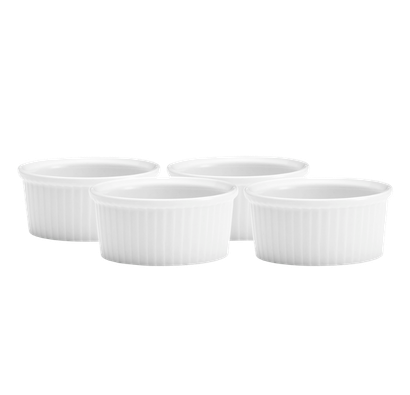
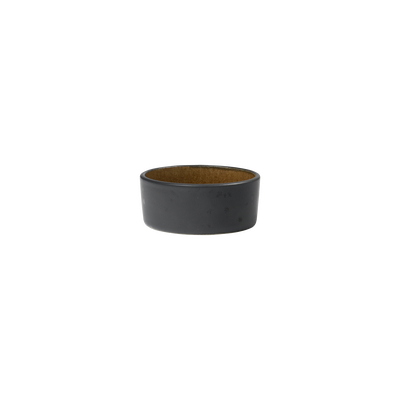
Ramekins - small ovenproof bowls for individual portions
If you are looking for ramekins for everything from soufflé and crème brûlée to tapas and small tarts, this category gives you a clear overview of the options. At Kitchenware you can explore ramekins in porcelain and stoneware from well-known brands such as Pillivuyt and BITZ. Whether you prefer classic white designs or more modern colours, this page helps you compare materials, sizes and styles in one place.
Ramekins are made for both cooking and serving individual portions. They are useful when you want a neat presentation for desserts, starters or small savoury dishes, and they also make it easier to portion food evenly. On this page, you can start with the overall look you prefer, then narrow your choice by size, material and the type of dishes you usually make.
What is a ramekin?
A ramekin is a small, round, ovenproof bowl, usually made from porcelain or stoneware, designed to handle high temperatures and serve individual portions. It is often used for desserts, starters, gratins and egg dishes.
The straight sides and even heat distribution make ramekins a practical choice for recipes that need consistent baking. This is especially useful for dishes such as soufflé, chocolate cakes, egg muffins or creamy dips. Because the bowl goes from oven to table, it also supports simple serving without changing dish.
What are ramekins used for?
Ramekins are a practical way to serve smaller portions in a tidy and simple format. They work for both sweet and savoury recipes, and they are just as useful for everyday meals as for more carefully plated dishes. If you typically make single portions, this helps you choose a bowl that works well in both preparation and serving.
Common uses include crème brûlée with a crisp sugar top, molten chocolate cakes, soufflé, and baked apple or pear tarts for one person. For savoury dishes, ramekins are often used for eggs en cocotte, mini frittatas, oven-baked dips with cheese or tomato, gratins and small tarts. They are also useful for cold serving, such as hummus, tzatziki, pesto, crème fraîche, pâté, mousse or small salads.
That combination of oven use and table presentation is one of the main reasons many people look at this category. A ramekin is small, but it covers several needs at once: baking, portioning and serving.
How to choose the right ramekin
When choosing ramekins, it helps to begin with how you plan to use them most often. For most situations, size and material are the two main things to compare first. After that, colour and finish can help you find the style that fits your kitchen or table setting.
Choose by size
This category includes ramekins from about 7 cm to 18.5 cm in diameter, so it is easy to move from broad browsing to a more specific choice.
Small ramekins, around 7 to 9 cm, are well suited to dips and desserts. Medium sizes, around 10 to 13 cm, are a good choice for soufflé, gratin and small dishes. Larger ramekins from 14 cm and up are more suitable for tarts and larger individual portions. If you are comparing several products, size is often the quickest way to narrow the selection based on the dishes you make most often.
Choose by material
Porcelain and stoneware each give a different look and feel, so the right choice depends on your preference and intended use.
Porcelain has a classic appearance and is a durable material. In this category, porcelain ramekins are suitable for oven use, and some options are also suitable for microwave and freezer use. Stoneware has a more rustic look and holds heat well, which makes it a practical option when you want a more substantial serving bowl with a different surface and finish.
If you are comparing products across the page, a practical way to choose is to decide first whether you want the smooth, classic look of porcelain or the more rustic character of stoneware. From there, you can focus on the size and colour that fits your needs.
Selected ramekins from well-known brands
Pillivuyt ramekins
Pillivuyt ramekins are known for durability and timeless design. They are made from porcelain and are suitable for high oven temperatures, dishwasher use and everyday use. If you want to compare related options from the same brand, you can also view ovenproof bowls and other serving pieces alongside the ramekins to find a consistent style.
Pillivuyt is one of the best-known names in porcelain, and the range is useful if you are looking for a classic material with a clean, simple expression. For users browsing by function first and brand second, Pillivuyt is often an easy choice to compare against other ovenproof bowls and dishes in the same material.
BITZ ramekins / mini bowls
BITZ ramekins combine function with a more modern design. These colourful mini bowls are made from stoneware, which gives a more rustic expression and adds variety to table settings. They are suitable for both sweet and savoury dishes and can be a good choice if colour is part of how you want to narrow down your options.
If you are comparing shape and presentation across categories, it can also be useful to look at ovenproof dishes for larger servings or roasting pans for recipes that need more space. That makes it easier to match small individual bowls with larger ovenproof pieces in the same kitchen setup.
Questions people often ask about ramekins
Are ramekins only for desserts?
No. Ramekins are used for desserts, but also for savoury dishes such as egg muffins, gratins, tapas, dips and small tarts. They are also suitable for cold dishes and snacks, so they cover more than one type of serving.
What size ramekin should I choose?
Small ramekins are useful for dips and small desserts. Medium sizes are often chosen for soufflé and gratin, while larger sizes suit individual portions and small tarts. If you are unsure where to begin, starting with the dish you plan to make most often is usually the easiest way to compare sizes.
What is the difference between stoneware and porcelain?
Porcelain has a smooth, classic look and strong heat resistance. Stoneware has a more rustic look, is heavier and keeps heat well. Both materials are suitable for ovenproof ramekins, so the choice mainly comes down to style and preference.
Can ramekins go in the oven, microwave and freezer?
Many ramekins in porcelain and stoneware are suitable for oven, microwave, freezer and dishwasher use, but it is always important to check the product instructions for the specific item you choose.
Should ramekins be greased before baking?
For baking such as soufflé or chocolate cake, lightly greasing the ramekin with butter or oil can help with release and give a neater result.
Explore related ovenproof categories
If you are browsing ramekins as part of a wider search for ovenproof kitchenware, it can be helpful to compare them with nearby categories. For baking, take a look at bread and loaf tins. If you need larger bowls for preparation or serving, you can continue to ovenproof bowls. For family-size cooking, ovenproof dishes and roasting pans are practical next steps.
Using the category structure in this way makes it easier to move from small individual bowls to larger ovenproof formats, depending on the type of dish you want to make. If you want to stay within the same area of the shop, you can also go back to the full ovenproof selection or browse all kitchenware categories.
Frequently asked questions
What are ramekins used for?
Ramekins are used for individual portions of both sweet and savoury dishes, including soufflé, crème brûlée, gratins, egg dishes, dips and small tarts. In everyday use, this means that one small ovenproof bowl can go from preparation to baking to serving without needing to transfer the food.
How do I choose the right size ramekin?
A practical starting point is to match the size to the dishes you make most often. Small ramekins of about 7 to 9 cm suit dips and desserts, medium sizes of about 10 to 13 cm are often used for soufflé and gratin, and larger sizes from 14 cm and up work better for tarts and more generous individual portions. In practice, this helps you narrow your choice more quickly.
What is the difference between porcelain and stoneware ramekins?
Porcelain has a smooth, classic look and is described here as a durable material suited to oven use, with some options also suitable for microwave and freezer use. Stoneware has a more rustic appearance and holds heat well. This makes it easier to choose based on whether you prefer a cleaner traditional finish or a heavier, more textured serving bowl.
Are ramekins only for desserts?
No, ramekins are used for much more than desserts. They are also suitable for savoury dishes such as egg muffins, mini frittatas, gratins, tapas and baked dips, and they can also be used for cold foods like hummus or pâté. In everyday use, this means they are useful across different meals and serving styles.
Can ramekins go in the oven, microwave and freezer?
Many porcelain and stoneware ramekins are suitable for oven, microwave, freezer and dishwasher use, but this depends on the specific product. In practice, this helps you avoid mistakes by checking the product instructions before using a ramekin across different temperatures and appliances.
Should I grease a ramekin before baking?
For recipes such as soufflé or chocolate cake, lightly greasing the ramekin with butter or oil can help the food release more easily. This makes it easier to serve the finished dish neatly and can give a tidier result around the sides.
How can I narrow down the right ramekin on a webshop?
It usually helps to start with the overall look you want, then compare size, material and the dishes you plan to make most often. In practice, this helps you move from broader browsing to more specific selections without having to compare every product in detail.
Why are ramekins useful for individual portions?
Ramekins are designed for cooking and serving one portion at a time, which helps with neat presentation and even portioning. In everyday use, this means that desserts, starters and small savoury dishes can be prepared in matching portions and served directly at the table.