Save 30%
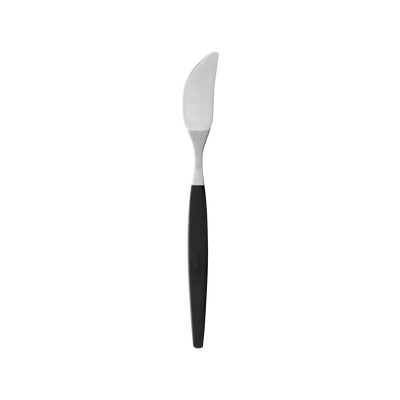
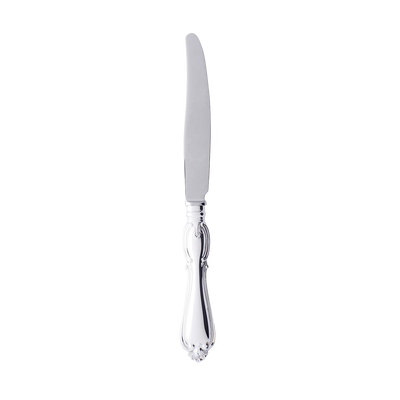
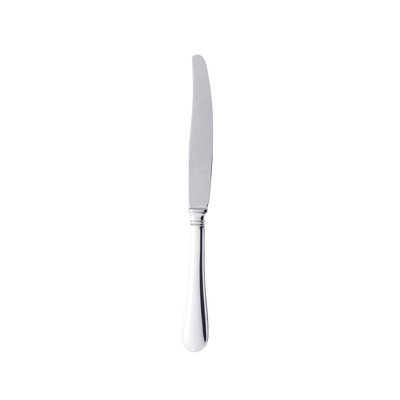
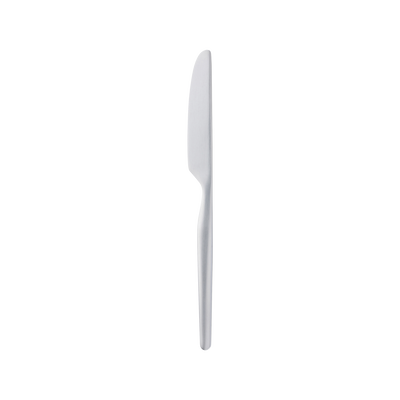
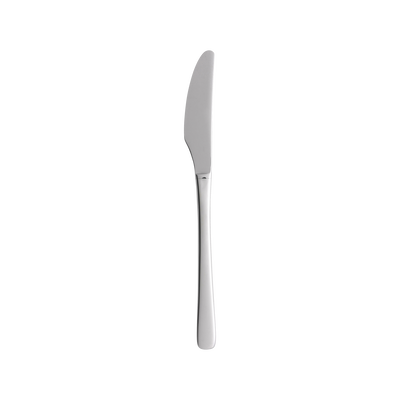

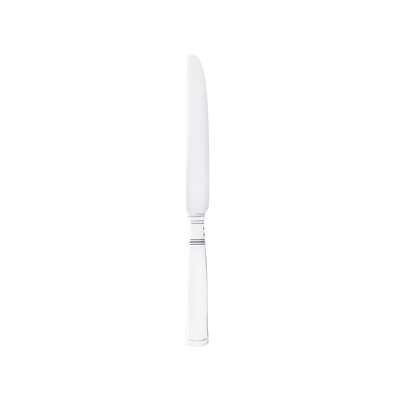
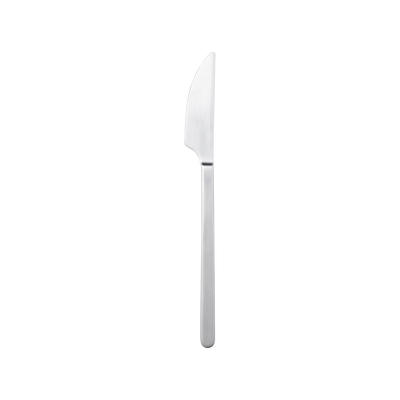
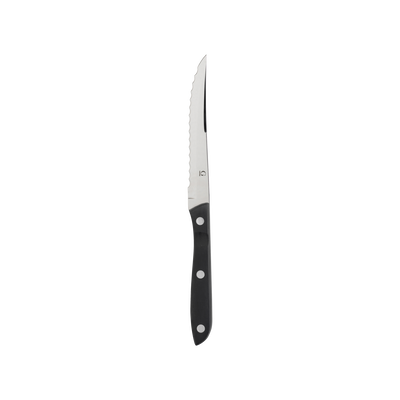
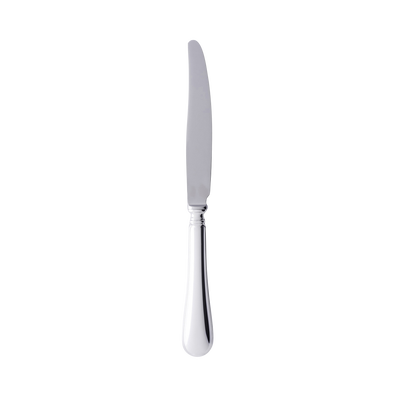
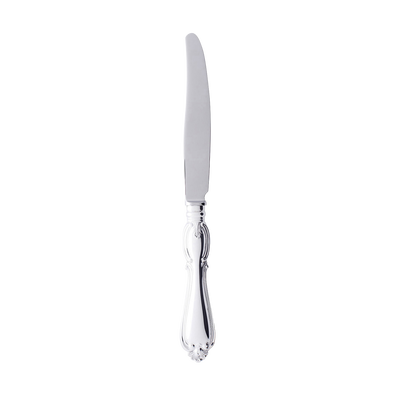
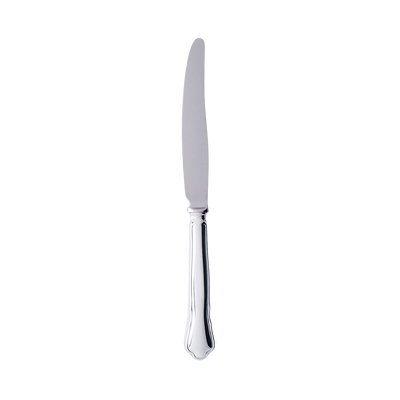

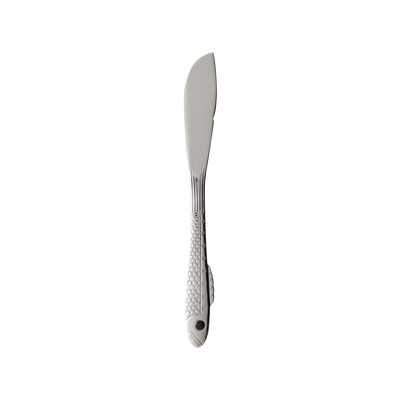
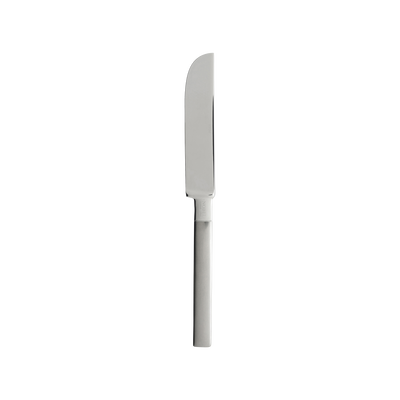
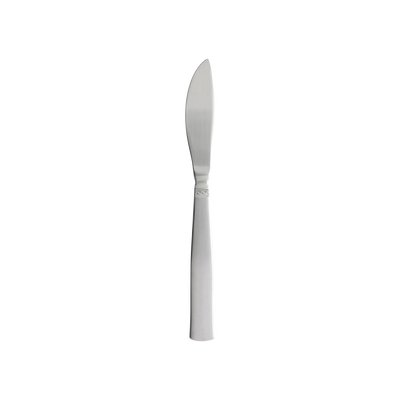
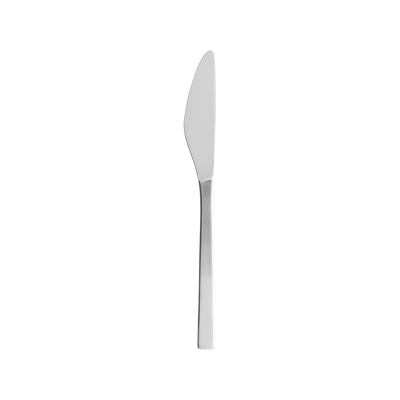
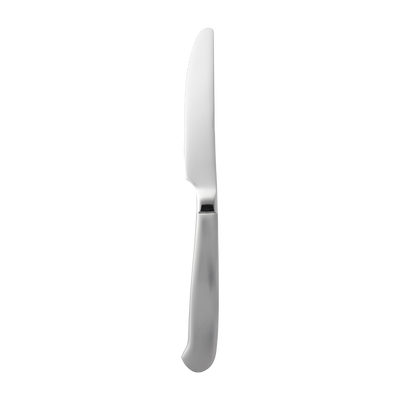
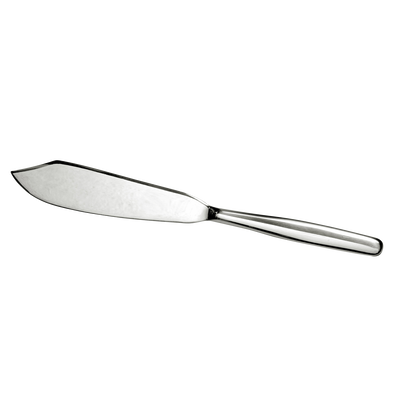
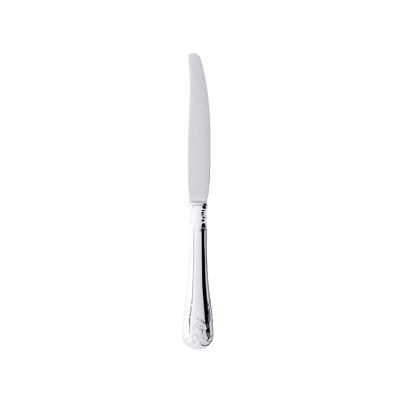
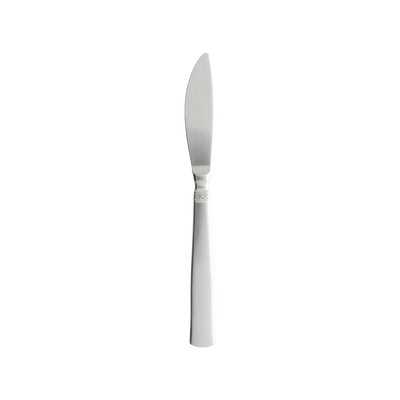
Table knives from recognised brands
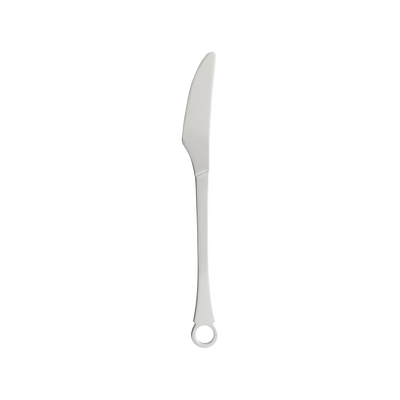
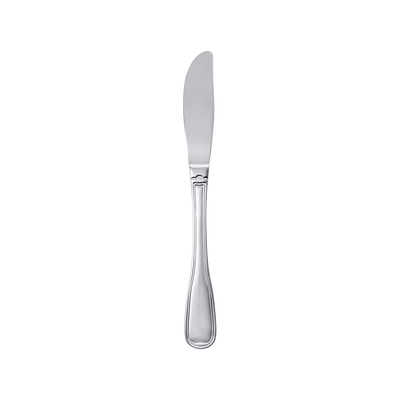
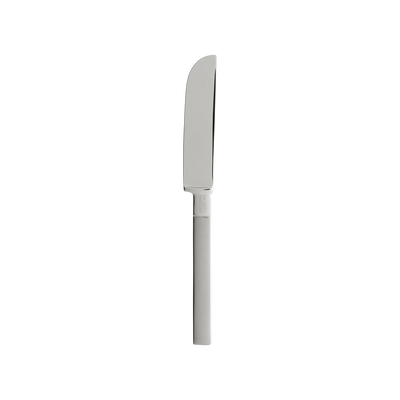
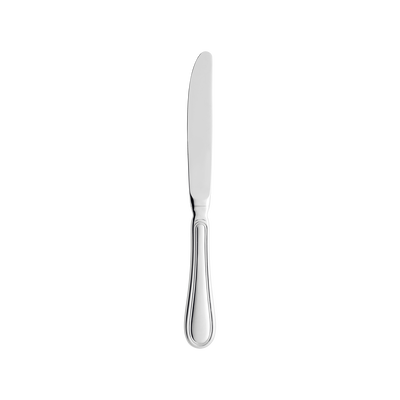
If you want table knives where style and function come together at the table, this category gives you a clear overview of different options. Table knives from brands such as Gense and BITZ each have their own approach to knife design. That makes it easier to compare the look, material and feel of the knife before deciding which style suits your table setting.
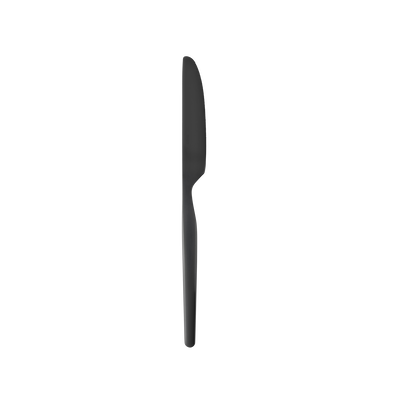
Gense brings Swedish elegance to the table, with clean lines and materials such as silver and steel. BITZ includes more distinctive colour choices, including brass and black, which create a modern expression. When you browse this selection, a practical way to choose is to start with the overall style you prefer and then look at which knife types match the meals you serve most often.
If you are looking for the right knife, it helps to move from broad choices to more specific ones. You can begin within table setting, continue through flatware and cutlery, and then compare the knife types gathered here. From there, it becomes easier to decide whether you need everyday table knives, butter knives, steak knives, silver knives or knives for children.
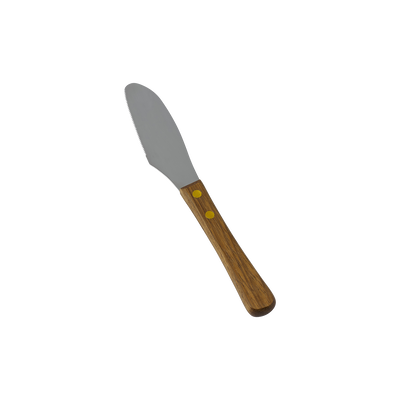
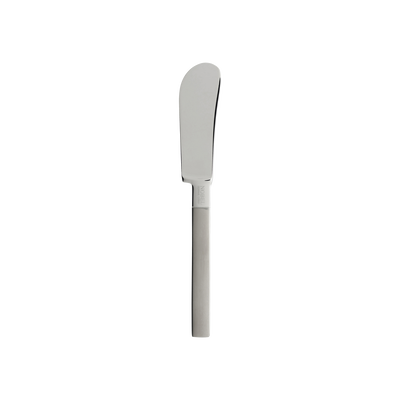
Butter knives
Fresh bread and butter are a simple pleasure, and a butter knife is made for that exact task. It spreads butter smoothly and helps with everyday jobs such as preparing sandwiches and open sandwiches. If you want a knife for softer foods and easy spreading, this is a practical place to start.
For most situations, a butter knife is chosen for comfort and shape rather than cutting ability. If you are comparing options online, looking at the handle, finish and overall design can help you find one that works well with the rest of your cutlery.
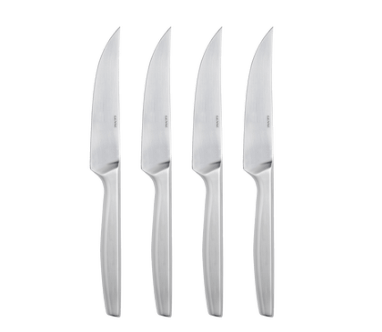
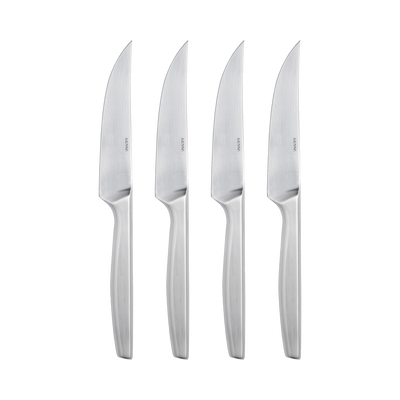
Grill or steak knives
Even a tender piece of meat can be more demanding than a classic table knife is designed for. A grill or steak knife makes cutting easier, so the meal feels smoother at the table. If you often serve steaks or roasts, this type is worth comparing separately from standard table knives.
You can explore more dedicated options in our selection of steak cutlery. In everyday use, this helps if you want knives shaped specifically for meat dishes while still keeping an elegant look on the table.
Silver knives
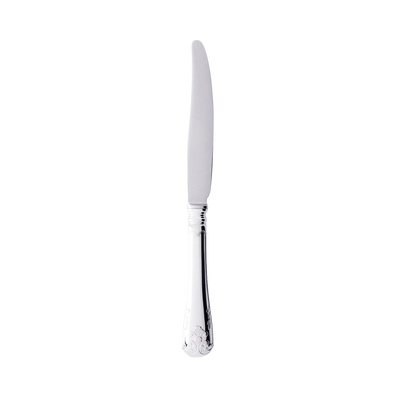
Silver knives add an elegant expression to the table. In this category, you can find Gense silver knives made either from solid silver or with a silver coating. If material is one of your main criteria, this makes it easier to focus on a more specific part of the range.
A silver knife offers more than function alone. It also affects the overall look of the place setting, especially if you want the knife to play a visible role in the table arrangement. If you compare silver knives with steel or darker finishes, the main difference is the visual expression they bring to the meal.
Knives for children
Children need suitable tools at the table too. A knife designed for a child's hand helps them manage simple cutting tasks more easily. If you are selecting cutlery for younger users, size and handling are often the most important points to compare.
You can also look at our range of children's cutlery if you want matching pieces beyond the knife itself. That can be a useful next step when you want a coordinated set for smaller hands.
FAQ: Useful facts about the table knife
Knife and fork are closely linked at the table, but the knife has a much longer history. It existed long before it became a dining utensil, first serving as a tool and a weapon. Much later, it became part of the table setting as we know it today.
In the Middle Ages, many people had their own personal eating knives, and guests were often expected to bring them when attending a feast. During the 19th and 20th centuries, industrial production made it possible for many households to expand what they kept in the cutlery drawer. That is how the modern table setting gradually took shape.
Over time, materials, shapes and designs have changed considerably. Today, table knives are no longer made from flint but from materials such as stainless steel, silver or wood. When you compare products in this category, those differences in material and design are still central to the choice.
Which side should the knife go on?
The knife should always be placed to the right of the plate.
If you want a simple rule to remember, the fork comes first and the knife second. That places the fork on the left and the knife on the right. It is a straightforward guideline when you are setting the table and want the layout to feel familiar and orderly.
How many knives should you have?
The number of knives you need depends on the household. First of all, the number of people matters. As a rule, it is sensible to have at least two to three knives per person.
If you often have guests, it can make sense to increase the number a little. This is often where shoppers decide whether individual pieces are enough or whether it is more practical to look at cutlery sets for a larger matching collection.
How to care for your knives
Knives are made from strong materials, and most can go in the dishwasher without any extra care.
Wooden knives should never be placed in the dishwasher. Some materials need a little more attention when it comes to care, cleaning and maintenance, and you can usually find that information in the product description or the user manual. If you are comparing several knives, checking the material is a practical way to understand how much care they may need.
Knives for everyday meals and special occasions
The knife is important both in daily use and when the table is set for guests. In everyday meals, it is used for routine tasks such as cutting meat and vegetables at dinner. It can also be useful when preparing sandwiches. For these situations, many people choose knives that are comfortable to hold and easy to combine with the rest of their everyday cutlery.
For more formal meals, the knife helps guests cut food easily while also contributing to the overall look of the table. Here, the shape, finish and style often matter just as much as the function. If you are building a coordinated table setting, it can be helpful to match your knives with forks and spoons in a similar design.
If you are planning the wider table arrangement, you may also want to compare related pieces such as salad cutlery, serving utensils and cake forks and servers. Looking across these categories can make it easier to create a consistent table setting, whether you are replacing a few pieces or adding to a larger collection.
Find the right knives for your table
This category brings together table knives and butter knives in different materials and designs, so you can compare what suits your needs best. Some people start with a specific use, such as spreading butter or serving steak, while others begin with the visual style they want on the table. Both approaches work well here, because the range makes it easier to move from general preferences to the exact knife type you need.
If you are updating your cutlery drawer, it can also help to compare knives with the rest of your table pieces to see what matches in shape and finish. Whether you are replacing a few knives or looking for a broader set of coordinated cutlery, this category gives you a clear place to start.
Frequently asked questions
How do I choose the right type of table knife?
A practical way to choose is to start with how you use the knife most often and then compare the design and material. In practice, this helps you narrow the choice between everyday table knives, butter knives, steak knives, silver knives and knives for children.
What is the difference between a butter knife and a standard table knife?
A butter knife is made for spreading softer foods such as butter and is often chosen for its shape and comfort rather than cutting ability. In everyday use, this means that a standard table knife is better for general meals, while a butter knife is more useful for bread, sandwiches and open sandwiches.
When should I choose a steak knife instead of a regular table knife?
A steak knife is designed for foods that need more cutting power, such as steaks and roasts. This makes it easier to cut meat smoothly at the table compared with a standard table knife.
What should I look at when comparing silver knives with steel or darker finishes?
The main difference described here is the visual expression the knife brings to the table setting. In practice, this helps you choose based on the overall look you want, especially if the knife is meant to play a visible part in the place setting.
How many table knives do I need at home?
The number depends on the size of the household, but a sensible rule is at least two to three knives per person. In everyday use, this means you are less likely to run short between meals, and it can be worth adding more if you often have guests.
Which side of the plate should the knife go on?
The knife should be placed on the right side of the plate. In practice, this helps you follow a simple table-setting rule: the fork goes on the left and the knife goes on the right.
Can table knives go in the dishwasher?
Most knives can go in the dishwasher without any extra care, but wooden knives should never be placed in it. This makes it easier to check the material first, as some knives need more specific care information from the product description or user manual.
How can I choose knives that match the rest of my table setting?
It helps to compare the knife's shape, finish and overall design with your other cutlery. In practice, this makes it easier to create a coordinated table setting by matching knives with forks, spoons and other serving pieces in a similar style.