Improve your home baking with a good rolling pin
Precision matters in baking. It applies when you measure ingredients, and it also matters when you work with the dough itself. A good rolling pin helps you create an even thickness and gives you better control from one recipe to the next. Whether you are preparing pastry, pizza dough or tart dough, this category helps you compare the main options before choosing.
A good rolling pin is made from durable materials, feels easy to use when you want a consistent thickness, and works well with different types of dough. That is why it is one of the most versatile tools in a baking setup. On this page, you can start with the overall choice of rolling pins and then narrow it down by material, shape and the kind of baking you do most often.
Our range includes rolling pins from HOLM and Blomsterbergs. Their professional experience is part of the development behind the products, and the result is a selection with different approaches to the same task: helping you roll dough evenly and with good control.
Different rolling pins. Which one should you choose?
The world of baking offers many ways of working, and the right rolling pin often depends on the dough and the result you want. A practical way to choose is to begin with how you usually bake. Some people want precise thickness, some prefer a classic wooden feel, and others need a rolling pin that handles soft or sticky dough more easily. Below, you can compare the main types and see what sets them apart.
Adjustable rolling pin
An adjustable rolling pin comes with rings or measurements at the sides, making it easier to roll dough to a specific thickness. If you often want the same result each time, this type gives you a simple way to work more precisely. It is a useful option when consistency matters as much as speed.
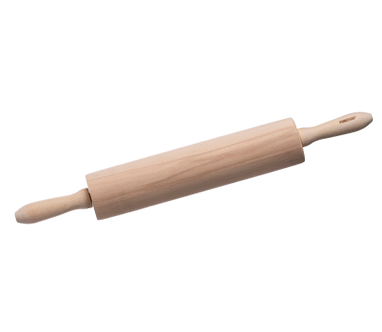
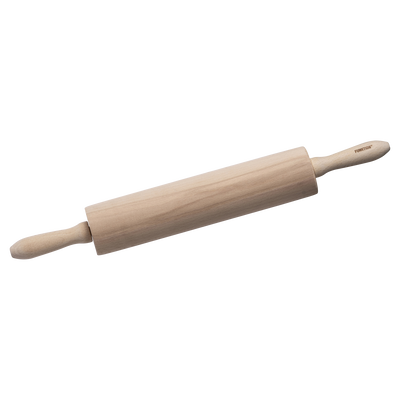
Wooden rolling pin
Wooden rolling pins are the classic choice for many bakers. Wood has a natural feel, sits comfortably in the hand and is well suited to rolling dough evenly. If you are comparing materials, a wooden model is often the place to start because it gives you a familiar and straightforward baking experience.
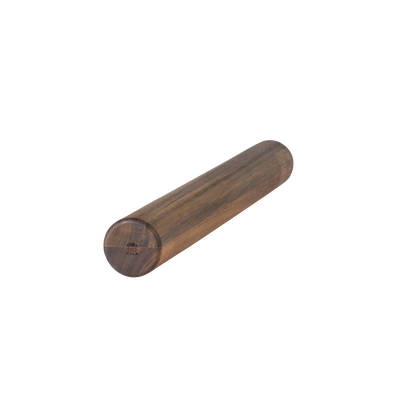
Rolling pin without handles
A handle-free rolling pin, also known as a rolling rod, gives you direct contact with the dough through open palms. In everyday use, that can make the rolling process feel simpler and more controlled. If you prefer a more hands-on feel when shaping dough, this style may be the right one to look at first.
Rolling pin for children
When children take part in baking, heavy and awkward kitchen tools can be difficult to manage. A rolling pin made for children is easier for smaller hands and arms to control, which makes the task more manageable. If you are browsing with this need in mind, it helps to compare size and ease of handling rather than starting with the standard models. You can also explore related kitchenware and other baking tools to build a practical set of tools around your baking tasks.
Silicone rolling pin
A silicone rolling pin has a non-stick coating, which makes it especially suitable for sticky dough. It is also often easy to clean. If sticky textures are a regular part of your baking, this type is a clear category to compare against wood or steel before deciding.
Steel rolling pin
If you work with soft doughs that contain butter, a steel rolling pin can be a very useful tool. It can be chilled before use, which helps create better conditions when rolling out puff pastry, marzipan or fondant. For these baking tasks, material choice can make a real difference, so it makes sense to compare steel models specifically when that is what you prepare most often.
Pizza rolling pin
A good pizza base starts with dough at the right thickness. A pizza rolling pin helps you roll dough quickly and efficiently for that purpose. If homemade pizza is one of the main reasons you are shopping in this category, it is worth separating pizza-focused options from general pastry rolling pins. You can also continue with related tools such as dough scrapers when you want more control while handling the dough.
Patterned rolling pin
If you want to leave a decorative pattern in the dough, a patterned rolling pin is the natural choice. It creates detailed surfaces that give baking a distinctive finish. When comparing options in the webshop, this is one of the clearest examples of a rolling pin chosen for its final visual result rather than only for general dough handling.
If you are still deciding, it often helps to move from the broadest choice to the most specific one. Start by thinking about the dough you use most often. Then compare whether material, handle style or special function matters most. This makes the category easier to navigate, and it is simpler to find the rolling pin that suits your needs.
Rolling pins are often part of a wider baking setup. If you are building that setup step by step, you can look at baking mats for your work surface, kitchen scales for precise measuring and mixing bowls for preparation. For shaped baking, you can continue to cake pans, muffin pans and flan and quiche dishes.
If your baking is more decorative or detailed, related categories can help you narrow your search further. You may want to compare cookie cutters for shaped dough, chocolate moulds for detailed finishes, pastry bags for decoration or ice moulds for other kitchen projects. You can also browse other baking tools if you are looking for something beyond the most common categories.
Cleaning your rolling pin
Flour and dough can leave a mess in the kitchen, but with a brush, soap and water, both the rolling pin and the work area can be cleaned again quite easily. Whatever type of rolling pin you choose, it is easiest to clean it straight after use, before dough dries and sticks.
Always read the product description or user instructions before cleaning your rolling pin for the first time. That is often where you will find useful guidance on what to do and what to avoid.
How to clean wooden rolling pins
There is one general rule for wooden rolling pins: they should not go in the dishwasher, as the harsh environment can damage the wood. Wash a wooden rolling pin by hand and dry it straight away so it does not stay wet for longer than necessary.
Choose the right rolling pin for your baking
Whether you bake pastry, tarts, cakes or pizza, the right rolling pin helps you smooth, roll and distribute dough with more control. This category is designed to make comparison easier, so you can move from general browsing to a more specific choice based on material, shape and baking purpose. Once you know what matters most in your everyday baking, finding the right model becomes much more straightforward.
Frequently asked questions
How do I choose the right rolling pin for my baking?
A practical way to choose is to start with the type of dough you use most often and the result you want. In everyday use, this helps you compare whether material, handle style or a special function such as adjustable thickness matters most for your baking.
What is the difference between a wooden rolling pin and a silicone rolling pin?
A wooden rolling pin gives a classic, natural feel and is often a straightforward place to start when comparing materials. A silicone rolling pin has a non-stick coating, and in practice, this helps you handle sticky dough more easily and makes cleaning simpler.
When is an adjustable rolling pin useful?
An adjustable rolling pin is useful when you want dough rolled to a specific and even thickness. In practice, this helps you get more consistent results from one recipe to the next, especially when precision matters as much as speed.
Why would I choose a rolling pin without handles?
A rolling pin without handles, also called a rolling rod, gives you direct contact with the dough through your hands. This makes it easier to feel and control the rolling process, which can suit bakers who prefer a more hands-on way of shaping dough.
Is a steel rolling pin better for soft or buttery dough?
A steel rolling pin can be very useful for soft doughs that contain butter because it can be chilled before use. In everyday baking, this helps create better conditions for working with puff pastry, marzipan or fondant.
What kind of rolling pin is best for children?
A rolling pin made for children is easier for smaller hands and arms to control than heavier standard models. In practice, this makes the task more manageable, so it helps to compare size and ease of handling when choosing one.
How should I clean a rolling pin after baking?
It is easiest to clean a rolling pin straight after use, before dough dries and sticks to the surface. In practice, a brush, soap and water are enough for general cleaning, but you should always read the product instructions first for guidance on that specific model.
Can a wooden rolling pin go in the dishwasher?
No, a wooden rolling pin should not go in the dishwasher because the harsh environment can damage the wood. In practice, it should be washed by hand and dried straight away so it does not stay wet longer than necessary.