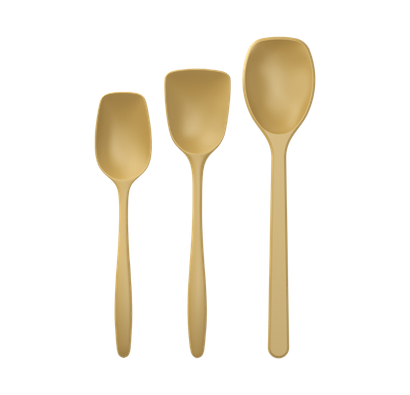

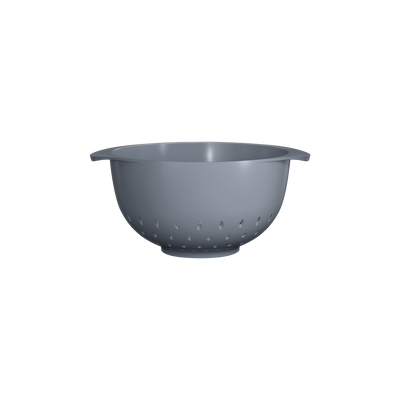
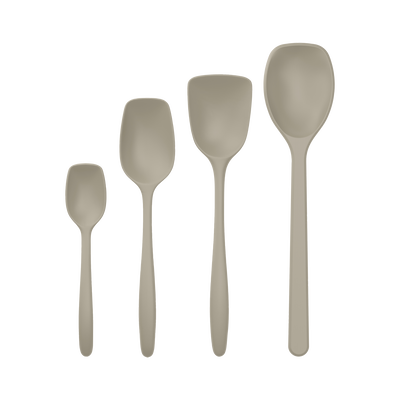



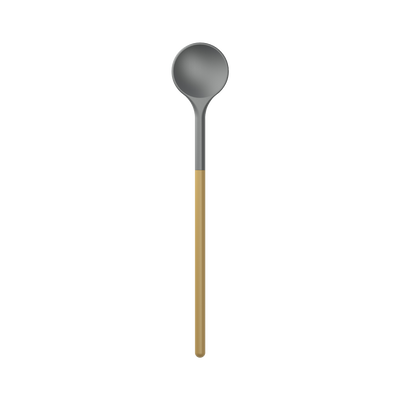
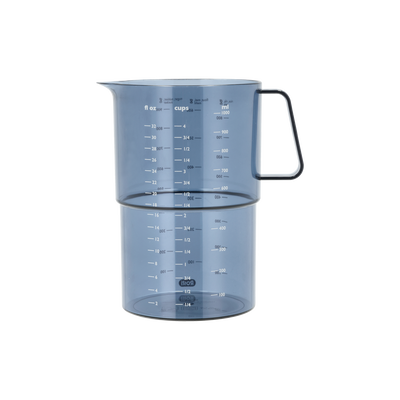


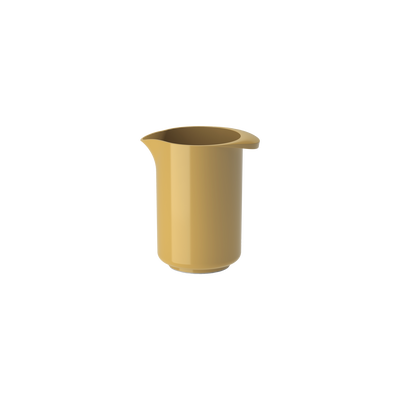
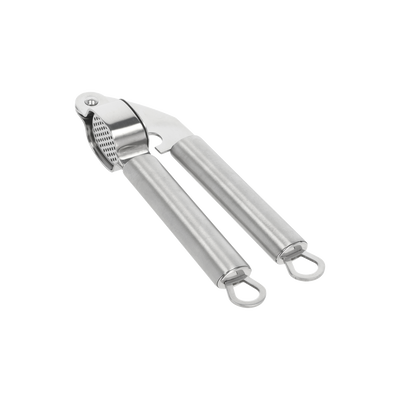



Kitchen utensils for the most common tasks
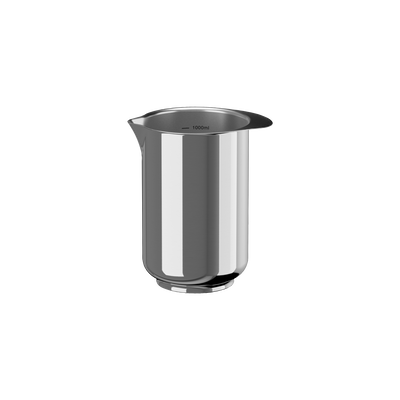
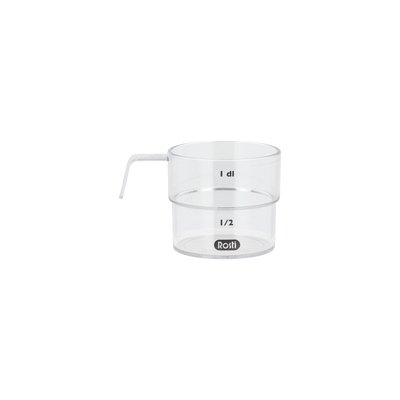
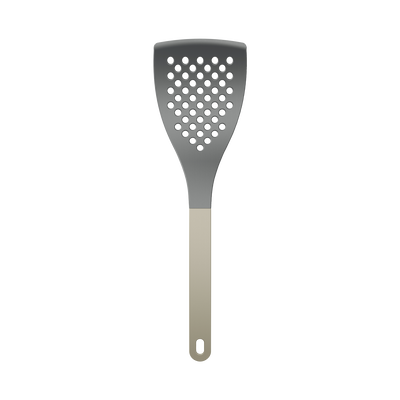
Kitchen utensils include both simple tools for food preparation and cooking and more specialised parts of your kitchen equipment. Some are mainly used at the hob, such as cooking spoons and whisks, while others belong more naturally to preparation and serving, such as chopping boards, graters and spatulas. There are also utensils for measuring and mixing, including measuring jugs and cups and mixing jugs.
When browsing a webshop category like this, many people start with the task they need to solve. If you are replacing a basic kitchen tool, it often makes sense to begin with the larger everyday groups. If you are looking for something tied to one step in cooking, the more focused subcategories help narrow the choice more quickly. This is useful whether you are comparing classic kitchen utensils, specific cooking utensils or smaller kitchen tools and gadgets that support one clear job.
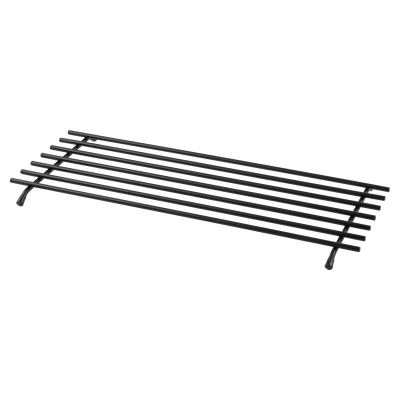
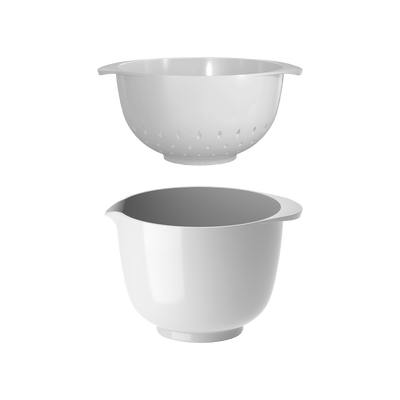
Several subcategories are aimed at very specific kitchen tasks. Kitchen knives are among the most basic tools in the kitchen, while colanders, sieves and strainers are used for rinsing, draining and filtering. Cooling racks and thermometers and timers sit at the more functional end of the range, where the utensil is linked to a particular part of preparation.
From basic utensils to more specialised kitchen tools
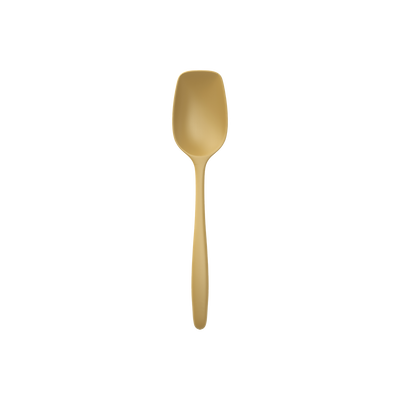
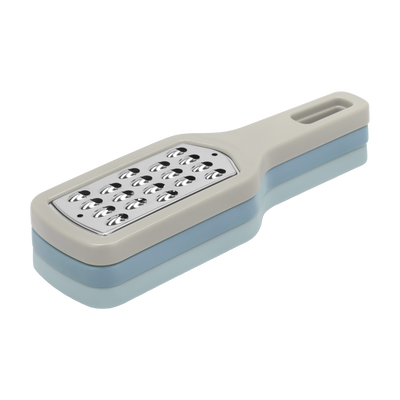
Part of the range consists of classic utensils found in many kitchens regardless of cooking style. This includes cooking spoons, whisks, graters and chopping boards. In these groups, the main differences are often connected to shape and function, because each utensil is designed for a specific task in everyday cooking. That makes this category useful when you want to compare kitchen accessories that may look similar at first glance but are intended for different jobs.
A practical way to choose is to move from broad to specific. Start with the type of job you need to do, then compare the tool groups that match it. For stirring and working at the hob, cooking utensils such as spoons and whisks are the natural place to begin. For cutting and preparation, boards, knives and graters are usually the most relevant. If you need support for timing, checking or cooling, functional pieces such as timers, thermometers and cooling racks make the category easier to navigate.
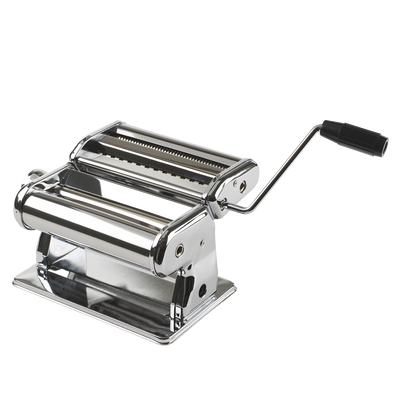
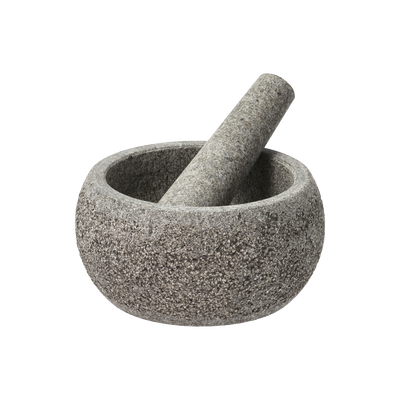
Other parts of the category are more targeted. Mortar and pestles collect tools for crushing and flavour preparation. Pizza and pasta utensils are linked to a particular type of cooking, while salt and pepper grinders sit between preparation and use at the table. The category also includes other kitchen utensils, where individual utensil types can be placed without needing a larger main group of their own.
This structure supports comparison in a practical way. Instead of viewing all kitchen accessories as one broad group, you can move between everyday utensils, more specialised kitchen gadgets and narrower tool categories depending on what you need. For most situations, that makes it easier to find whether you are looking for one replacement piece, building up a kitchen utensils set, or comparing a few categories before deciding.
Materials, sets and related kitchen categories
Kitchen utensils can also be divided by material, including wooden kitchen utensils and silicone kitchen utensils. For many frequently used tools, that distinction matters because the same utensil type can appear in different materials. This is often relevant when comparing common kitchen tools, where the function stays the same but the material changes. Searches for stainless steel kitchen utensils, wooden kitchen accessories, green kitchen accessories or black kitchen accessories also show how shoppers often refine their choice once they know which tool type they need.
There is also interest in kitchen utensil sets and cookware and utensils grouped around the most common kitchen tasks. In a webshop, this means some users browse by single tool type, while others first look at broader kitchen accessories before narrowing down. If you typically know the task but not the exact product name, moving between the subcategories can help you identify the most suitable group before comparing individual options.
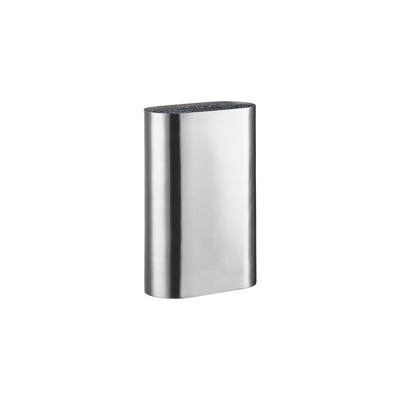
Storage also belongs with these tools, such as a kitchen utensil holder or other ways to keep utensils together. If you want to explore the wider area around Kitchen Utensils, you can start from Kitchen Living Dining or go to the full kitchenware section, where this category forms a central part of the range.
From there, it can also be useful to look at related categories depending on what you are preparing. Baking tools collect utensils linked to baking tasks, while ovenproof products and pots and pans cover other parts of cooking equipment. If your selection is shaped by storage or organisation, kitchen storage is a relevant next step, and kitchen textiles sit nearby within the wider kitchen setup.
Other neighbouring categories include kitchen appliances, as well as ingredients and cookbooks. Together, these sections help place kitchen utensils in a broader webshop context, where users often move from a general kitchen need to a more specific tool category. That is also why this page works well as an overview. It brings together both everyday kitchen cooking tools and more specialised utensils, so you can compare categories before moving on to the product type that fits the task best.
Frequently asked questions
How do I choose the right kitchen utensils for what I need to do?
A practical way to choose kitchen utensils is to start with the task, such as stirring, whisking, chopping, grating or measuring. In everyday use, this means that you can move from broad kitchen tools to narrower options that match one part of food preparation or cooking.
What is the difference between cooking utensils and prep tools?
Cooking utensils are mainly used during heating and stirring, such as spoons and whisks, while prep tools are used for jobs like chopping, grating and cutting. In practice, this helps you compare products by function instead of looking through unrelated kitchen accessories.
Is it better to browse kitchen utensils by product type or by task?
If you already know the job you need to do, browsing by task is often the clearest approach because similar tools are grouped by function. This makes it easier to compare filtered choices, whether you need measuring tools, straining tools or utensils for cooking at the hob.
How can I narrow down a large kitchen utensils category on a webshop?
It often helps to begin with a general idea, such as kitchen tools or cooking utensils, and then move into more specific selections linked to the task. In everyday use, this means you can focus on one area, such as chopping boards, graters, thermometers or timers, instead of searching the whole category at once.
What difference does the material make when choosing kitchen utensils?
Kitchen utensils can be grouped by material, including wooden kitchen utensils and silicone kitchen utensils. In practice, this helps you start with the utensil type you need and then compare the material options within that group.
When does it make sense to look at a kitchen utensils set?
A kitchen utensils set can be useful when you are looking for tools linked to the most common kitchen tasks rather than one single item. This makes it easier to get an overview of everyday cooking utensils and see how they relate to individual tools and broader cookware and utensils.
Are there kitchen utensils for more specialised cooking tasks?
Yes, some kitchen utensils are designed for more specific jobs, such as mortar and pestles for crushing ingredients or pizza and pasta utensils for one type of cooking. In practice, this helps you compare narrower options where the tools share a similar purpose.
Can I also find kitchen utensil storage and related kitchen accessories in this area?
Yes, related accessories mentioned in this area include storage such as a kitchen utensil holder or a jar for kitchen utensils. This makes it easier to look beyond individual kitchen tools and include practical kitchen accessories linked to everyday organisation.