Kitchen scales for accurate measuring in baking and cooking
A kitchen scale is one of the most useful tools when you want precise amounts in baking and cooking. It helps with everything from weighing flour and sugar to measuring smaller ingredients where even a few grams can make a difference. In everyday use, a good scale also makes portioning easier and helps you work more steadily when following a recipe.
On this page, you can compare different types of Kitchen Scales and narrow your choice step by step. Some shoppers start by choosing between digital and retro-style models. Others look first at practical details such as a tare function, a bowl, display type or weighing capacity. That makes this category useful whether you already know what you want or are still comparing the main differences.
You can also explore the wider range of kitchenware and browse more tools in baking tools if you are building a more complete baking setup.
Why a kitchen scale is a useful choice
A kitchen scale is more than a simple measuring tool. It supports accuracy, helps reduce waste and gives you better control when preparing food. That is especially useful in baking, where ingredient ratios matter, but it is also practical for general cooking and portioning.
A practical way to choose is to think about how you use recipes. If you often bake, a precise scale can help you measure ingredient amounts more accurately. If you usually cook larger quantities, capacity may be more important. If you want to use one bowl for several ingredients, the tare function becomes a key feature to compare.
Many users also consider design. Some prefer a simple, modern look, while others want a kitchen scale that adds more character to the worktop. This category includes both functional and style-led options, so it is easy to compare appearance alongside everyday usability.
How to choose the right kitchen scale
Kitchen scales come in several formats, and the best choice depends on what you weigh most often and how you like to work in the kitchen. For most situations, it helps to choose first by scale type, then look at measuring details and capacity.
Digital kitchen scales
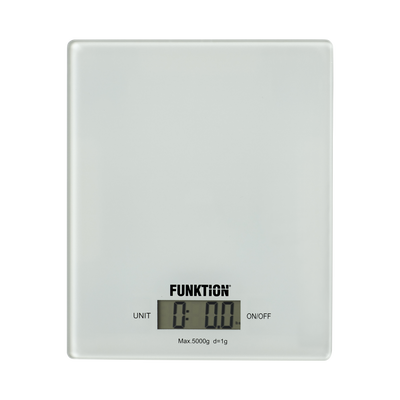
If precision and ease of use are your priorities, a digital kitchen scale is often the clearest choice. Many models include a tare function, so you can reset the scale between ingredients and keep working in the same bowl or container. That is practical when preparing dough, cake mixtures or recipes with several dry and liquid ingredients.
Digital models typically measure in 1 gram intervals, and some go down to 0.1 gram. Many also include an easy-to-read display, automatic switch-off and the option to measure in grams, ounces and millilitres. Some models support up to 10 or 15 kg, which can be useful for larger portions.
Kitchen scales with bowl
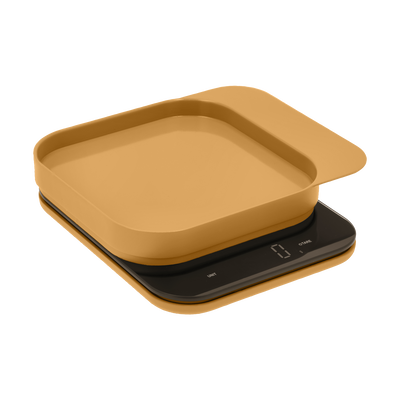
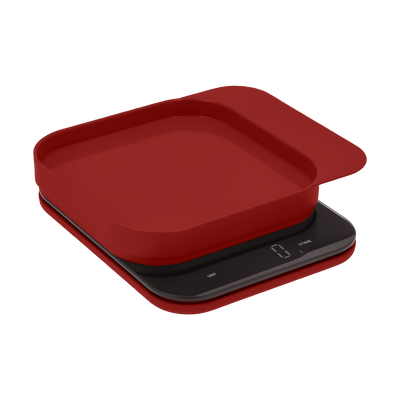
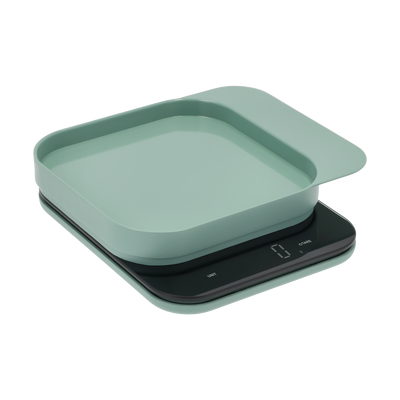
A kitchen scale with a bowl is a practical option if you want to weigh directly into a dedicated container. This can make it easier to handle ingredients such as flour, sugar, oats or nuts, and it also helps with liquids. Some bowls are designed with a pouring edge, and removable bowls can be easier to clean after use.
If you prefer to use your own bowl, that can still work well with a tare function. Many shoppers compare this type with separate mixing bowls when deciding what suits their usual baking routine.
Retro or simple modern design
Design is another common starting point when browsing this category. Some kitchen scales have a clean, simple look in colours such as white, steel or black. Others have a more retro style with a stronger visual character. If the scale will stay on display, appearance may be almost as important as function.
For most shoppers, the easiest way to compare is to combine style with use. Choose the look you prefer, then check whether the scale has the tare function, bowl format and capacity you need.
Using a kitchen scale in everyday cooking
Modern kitchen scales are straightforward to use. You place the scale on a stable surface, choose the unit, set your bowl or container on top and reset with tare if needed. Then you add ingredients one by one and reset again between each addition when working in the same bowl.
This is one reason kitchen scales are popular for baking. You can weigh ingredients directly into the bowl, follow the recipe in order and keep the process simple. They are also useful for measuring coffee, smaller ingredients and portions for cooking.
After use, the scale can be wiped with a damp cloth. If you use flour, butter or other greasy ingredients, regular wiping helps keep the surface clean. A practical companion for this is a simple dough scraper for handling mixtures cleanly while you work.
Known brands in this category
This category includes kitchen scales from Soehnle, Rosti and Blomsterbergs. Each brand approaches the category slightly differently, which gives you useful points of comparison when choosing.
Soehnle
Soehnle is known for scales and focuses on precision, slim design and practical features such as a tare function and automatic switch-off. If you are mainly comparing accuracy, capacity and a modern look, this is often a relevant brand to consider.
Rosti
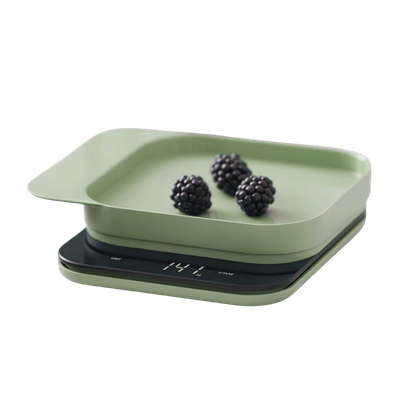
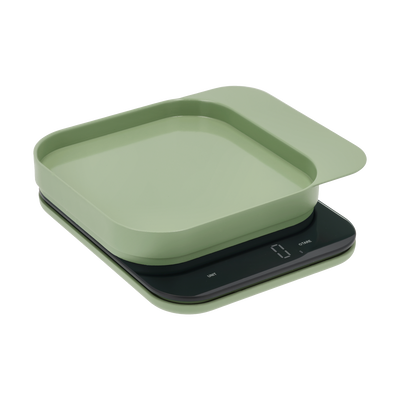
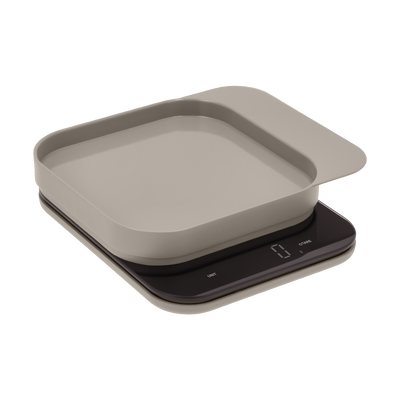
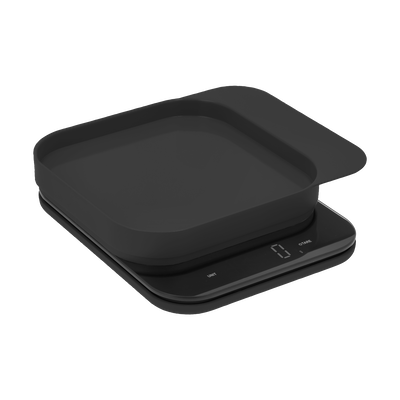
Rosti combines Danish design with retro-inspired styling. The Mensura kitchen scale includes a practical weighing bowl and can also be used without it. If you want a scale that stands out visually while still offering everyday functions such as tare and a readable display, this type may be a good match.
Blomsterbergs
Blomsterbergs focuses on baking equipment and includes kitchen scales designed with usability, simple cleaning and accurate measuring in mind. If your main use is baking, this can be a helpful place to compare options within the category.
From scales to the rest of your baking tools
Many shoppers looking at Kitchen Scales are also comparing tools used in the same part of the process. Once you have chosen a scale, the next step may be to look at equipment for mixing, shaping or baking. For dough preparation, you can continue to rolling pins, baking mats and cookie cutters.
If you are preparing cakes or desserts, it can also be useful to browse cake pans, muffin pans, flan and quiche dishes and chocolate moulds. For decoration and finishing work, you can compare pastry bags and browse other baking tools.
Some shoppers also explore related moulds and speciality items depending on the recipe, including ice moulds.
Common questions when comparing kitchen scales
Many users want to know the difference between a kitchen scale and a baking scale. In practice, a baking scale is a kitchen scale used for more precise measuring in baking, often as a digital model with high accuracy. Others compare capacity first. Most kitchen scales weigh up to 5 kg, while some models can handle 10 to 15 kg.
Another common question is which scale is best for baking. If baking is your main focus, a digital scale with a tare function and precise measuring is usually the easiest option to work with. A model with a bowl can also make weighing and pouring simpler. If you are comparing features for small quantities, look closely at the measurement interval shown on each model.
Frequently asked questions
How do I choose the right kitchen scale for baking or cooking?
A practical way to choose is to start with how you usually cook. If you bake often, a digital kitchen scale with precise measuring and a tare function is usually helpful, while larger batch cooking may make higher capacity more important. In everyday use, this means you can focus on the features that match your recipes instead of comparing every model in the same way.
What is the difference between a digital kitchen scale and a retro-style kitchen scale?
The main difference described here is usually the combination of design and features. Digital kitchen scales often focus on precise measuring, easy-to-read displays and functions such as tare, while retro-style models may appeal more if appearance matters on the worktop. In practice, this helps you compare both usability and style before choosing.
Why is a tare function useful on a kitchen scale?
A tare function lets you reset the scale to zero after placing a bowl or after adding one ingredient. This makes it easier to weigh several ingredients in the same container without doing extra calculations. In everyday use, this helps keep baking and cooking steps simpler and more orderly.
Should I choose a kitchen scale with a bowl?
A kitchen scale with a bowl can be useful if you want to weigh ingredients directly into a dedicated container. This makes it easier to handle items such as flour, sugar, oats or liquids, and some bowls are easier to pour from or remove for cleaning. In practice, this helps if you prefer a more structured setup when baking.
What weighing capacity do kitchen scales usually have?
Most kitchen scales weigh up to 5 kg, while some models can handle 10 to 15 kg. The right capacity depends on whether you usually measure small baking ingredients or larger portions. In everyday use, this means a higher-capacity model may be more practical if you often prepare bigger quantities.
How do I use a kitchen scale in everyday cooking?
You place the scale on a stable surface, choose the unit, set your bowl or container on top and use tare if needed. Then you add ingredients one by one and reset between them when working in the same bowl. This makes it easier to follow recipes in order and measure both dry and liquid ingredients more accurately.
How do I clean and look after a kitchen scale?
After use, the scale can be wiped with a damp cloth. If you have been weighing flour, butter or other greasy ingredients, regular wiping helps keep the surface clean. In practice, this helps the scale stay easier to use from one recipe to the next.
How can I narrow down the choice when comparing kitchen scales online?
A simple approach is to first choose between broader options such as digital or retro-style models, then compare practical details like tare, bowl format, display type and capacity. This makes it easier to move from general preferences to more specific selections. In everyday use, this helps you filter the category step by step instead of comparing everything at once.