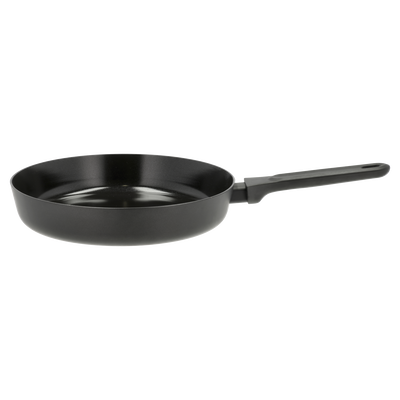
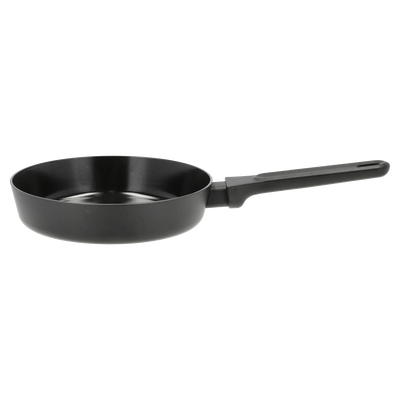
Fry and sauté with frying pans from Kitchen Living Dining
A reliable frying pan is hard to do without if you cook regularly. It helps you handle ingredients safely and gives you the control you need for everything from quick frying to more even browning. In this category, you can compare frying pans across sizes, materials and finishes, so it is easier to move from a broad overview to a more specific choice.
The range includes pans for different cooking styles and different tasks. Some are suited to high heat when you want to brown meat, while others are better for moderate heat when cooking vegetables. If you are browsing the wider kitchenware selection or looking through pots and pans, this page helps you focus on the frying pans that fit your cooking setup.
How to choose the right frying pan
If you are unsure where to start, a practical way to choose is to compare a few key points before looking at specific models. Size, hob compatibility, coating and material all affect how a pan works in everyday use.
Pan size
Frying pans come in different diameters, from under 20 cm to over 30 cm. A smaller pan is useful when you cook for one person or prepare smaller portions, while a larger pan gives you more room when you need more surface area. Starting with size is often the simplest way to narrow the range.
Hob compatibility
It is important to choose a frying pan that matches your heat source. Many pans work on gas and ceramic hobs, while induction requires a magnetic base. If you cook on gas, you can go directly to frying pans for gas stoves. If you use induction, browse induction frying pans. For ceramic hobs, see frying pans for ceramic cooktops.
With or without coating
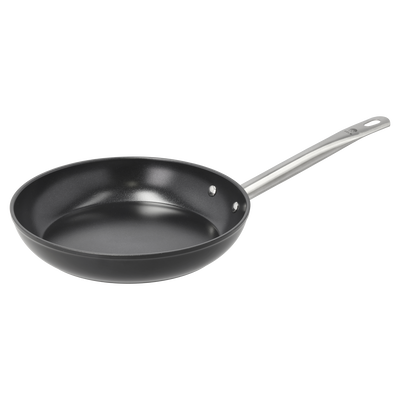
In the range, you will find frying pans both with and without coating. If you prefer food to release easily and want simpler cleaning, look at non-stick pans. If you would rather choose an uncoated pan, there are options that develop a natural release surface over time, such as cast iron skillets.
Material
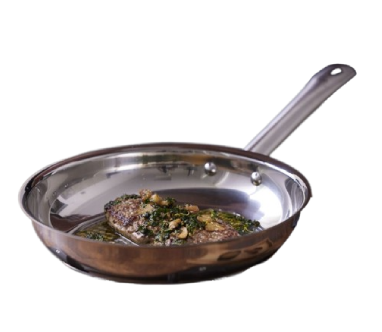
Different materials have different characteristics. Stainless steel, copper, cast iron and aluminium each suit different preferences in the kitchen. If you want to compare by material, you can explore stainless steel frying pans or copper pans. Copper is known for excellent heat conductivity, while cast iron is valued for even heating and heat retention.
Choose a pan for the task
A frying pan is one of the most important pieces of cookware in many kitchens, and different dishes often call for different pan types. From omelettes to slow-cooked dishes finished in a pan, it helps to choose based on what you cook most often. On a webshop, many shoppers start with the main category and then move into a more specialised subcategory once they know what kind of pan they need.
Pans for gas, induction and ceramic hobs
If your first priority is compatibility, shopping by hob type is often the clearest route. Gas users can focus on frying pans for gas stoves, induction users can compare induction frying pans, and ceramic hob users can browse frying pans for ceramic cooktops. This makes it easier to remove unsuitable options early in the process.
Cast iron, copper and stainless steel
If you prefer to compare by cooking feel and material, cast iron, copper and stainless steel are good places to start. Cast iron skillets are known for even heating and for holding heat well. Copper pans give very responsive temperature control. Stainless steel frying pans are another option if you want to browse uncoated pans in this category.
Non-stick and hybrid pans
If easy food release matters most, non-stick pans are a useful place to look. You can also compare hybrid pans when you want to explore another type within the frying pan category. Looking at these subcategories side by side can help you decide which surface and cooking style suits you best.
Frying pan sets
If you need more than one size, frying pan sets make it easier to update your range of pans at the same time. Sets can be useful when you want one smaller and one larger pan, so you can cover different cooking tasks without choosing each pan separately.
Related pan types
Some cooking tasks are better suited to a more specialised pan. For high-sided cooking, sauces and dishes that need more room for stirring, it can be useful to compare sauté pans. For fast cooking over high heat, see wok pans. If you want ridged cooking surfaces, browse grill pans and griddles. For pancakes and similar dishes, take a look at crêpe pans.
PFAS-free frying pans
In the range, you will also find frying pans produced without PFAS. The Danish source highlights this especially in relation to coated pans, where newer ceramic coatings provide the same good frying conditions for cooking. If this is one of the points you compare when shopping, it can be helpful to check the individual product descriptions alongside material, coating and pan type.
How to clean a frying pan
Cleaning depends on the coating and material of the pan. Ceramic and non-stick frying pans are generally easy to clean and often only need a small amount of cleaning product. Cast iron pans should not be cleaned with washing-up liquid, as this can damage the pan's natural fat layer, which improves over time. For stainless steel pans without non-stick coating, a little hot water in the warm pan can help loosen grease quickly.
It also helps to pay attention to the utensils you use. Wooden, plastic or silicone utensils are a practical choice if you want to avoid scratching a coated surface. With the right care, a frying pan can remain a dependable part of your cookware for many years.
Explore the wider cookware range
If you are building a more complete cookware collection, you can continue from frying pans to related categories. Browse pots, saucepans and cookware sets to compare other essentials alongside your new frying pan. This makes it easier to move through the webshop from general cookware to the exact pan or pot type you need.
Frequently asked questions
How do I choose the right frying pan size?
A practical place to start is the pan diameter, as frying pans range from under 20 cm to over 30 cm. In everyday use, this means that a smaller pan can suit one person or small portions, while a larger pan gives you more cooking surface when you need to prepare more food at once.
How do I know if a frying pan will work on my hob?
You need to match the pan to your heat source, especially if you use induction, which requires a magnetic base. In practice, this helps you rule out unsuitable options early and focus on frying pans made for gas, induction or ceramic hobs.
Should I choose a coated or uncoated frying pan?
This depends on how you cook and what matters most to you in daily use. In everyday use, a coated pan can make food release more easily and simplify cleaning, while an uncoated pan may suit you better if you prefer a cooking surface that develops over time, such as cast iron.
What difference does the pan material make?
Different materials affect how a frying pan handles heat and how it feels to cook with. In practice, this means that copper is known for very responsive temperature control, while cast iron is valued for even heating and strong heat retention, and stainless steel is another uncoated option to compare.
What type of frying pan should I choose for different cooking tasks?
It helps to think about what you cook most often, as different pan types suit different jobs. This makes it easier to move from broader choices to narrower options, whether you need a general frying pan, a pan with easy food release, or a more specialised pan for high-sided cooking, fast high-heat cooking or pancakes.
When is a frying pan set useful?
A frying pan set can be useful if you want more than one size at the same time. In everyday use, this helps you cover different cooking tasks more easily, for example by using one smaller pan for simple meals and one larger pan when you need more space.
How do I clean a frying pan properly?
Cleaning depends on the pan's coating and material. In practice, this means ceramic and non-stick pans are generally straightforward to clean, cast iron should not be cleaned with washing-up liquid because it can damage the natural fat layer, and hot water in a warm stainless steel pan can help loosen grease.
Which utensils should I use with a coated frying pan?
Wooden, plastic or silicone utensils are a practical choice when using a coated frying pan. This makes it easier to avoid scratching the surface during everyday cooking and helps you care for the pan more appropriately over time.