




What is pickling?
Pickling is a preservation method in which fruit or vegetables are cooked or marinated, typically in a mixture of sugar, vinegar and spices. The purpose is to extend shelf life. Many people also pickle because it tastes good and adds a pleasant sharpness to dishes. Popular examples include pickled red onions and pickled cucumbers.
When browsing juice and preserves products, it helps to start with the type of preserving you want to do. Some people mainly need jars for vegetables, while others are looking for bottles and containers for juice. A practical way to choose is to begin with the container type and then look at lids and accessories that match it.
How do you pickle?
There are several ways to pickle. Here is a general description of classic pickling, which is well suited to ingredients such as red onions.
1. Preparation
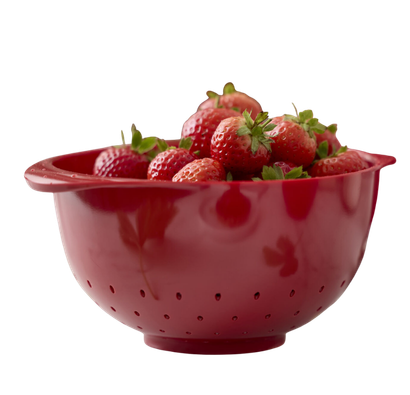
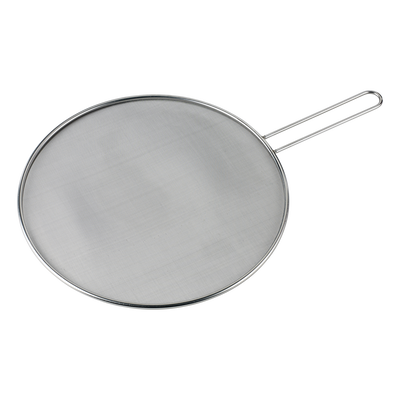
Choose good-quality fruit or vegetables. Rinse them thoroughly in a sieve or colander and cut them into the pieces or slices you want.
2. Pickling liquid
The pickling liquid often contains sugar, vinegar and spices. Spices may include bay leaves, peppercorns and other flavourings of your choice. The balance between sugar and vinegar depends on the recipe and the taste you want.
Heat the pickling liquid in a saucepan over medium heat. Once the sugar has dissolved completely and the liquid begins to simmer, it is ready.
3. Sterilising jars and lids
Sterilise jars and lids before filling them. One simple method is to rinse them with boiling water.
4. Filling the jars
Place the fruit or vegetables in the sterilised jars and pour in the pickling liquid until everything is fully covered.
5. Sealing the jars
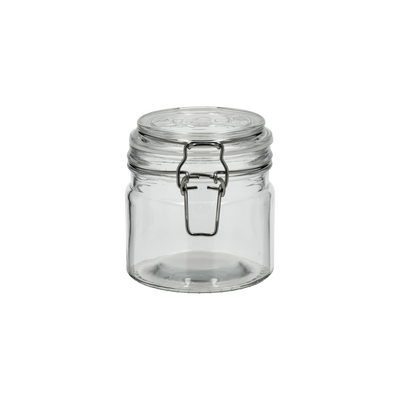
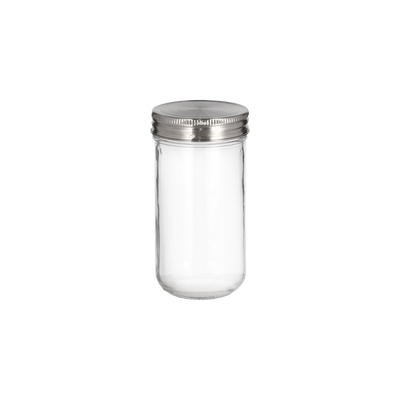
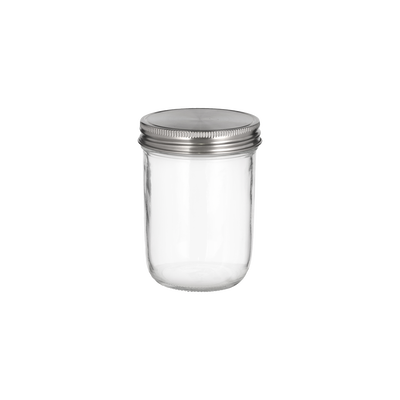
Put the lids on. If you use jars with screw lids, tighten them well. If you use clip-top jars, make sure they are closed firmly.
6. Storage
Let the pickled contents cool at room temperature. Once cooled, they should be stored in a cool, dark place such as a refrigerator or a cool cellar.
There are many variations and recipes for pickling, and the details depend on the ingredient you have chosen. In some recipes, the fruit or vegetables are cooked in the liquid rather than simply being covered with it. That is why many shoppers compare jars, bottles and closure types before deciding, especially if they plan to use the category for different preserving methods over time.
What is the difference between pickling and fermenting?
Pickling and fermenting are two different ways to preserve food and extend shelf life. Knowing the difference can make it easier to choose the right products in this category.
Pickling
Pickling is a preservation method in which fruit or vegetables are cooked or marinated in a mixture of sugar, vinegar and spices.
Fermenting
Fermenting is a process in which microorganisms, usually bacteria or yeast, break down carbohydrates in food and turn them into acids or alcohol. During fermentation, the sugars in the food are broken down by these microorganisms.
This process creates an acidic environment that inhibits the growth of harmful bacteria and preserves the food. Fermented foods often have a characteristic sour taste and may support digestion because they contain probiotic bacteria. Examples of fermented foods include sauerkraut and kimchi.
Unlike pickling, where sugar and acid are actively added to the food, fermentation happens naturally with the help of microorganisms already present on the food or added as cultures. Fermentation usually takes place over a longer period. If you are browsing this page for jars and bottles, this distinction can help you narrow your choice according to the method you intend to use.
What are preserving jars?
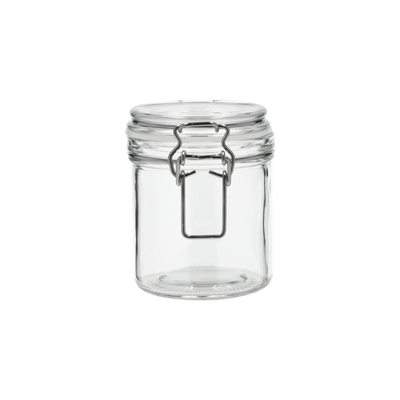
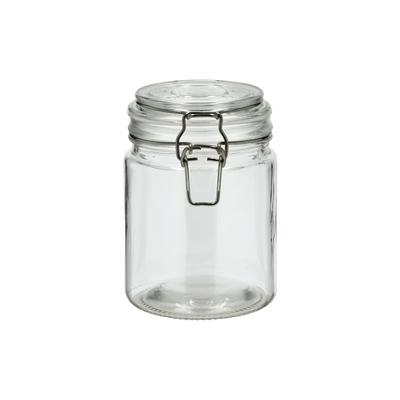
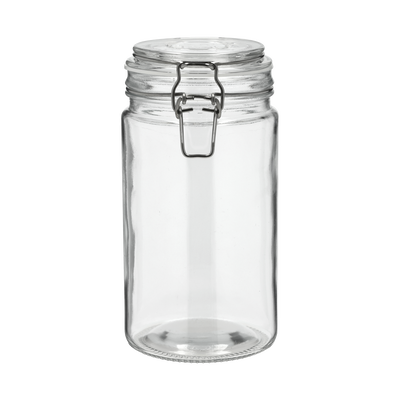
A preserving jar, also called a canning jar, is a glass container with a tightly fitting lid. It is used for storing pickled fruit and vegetables.
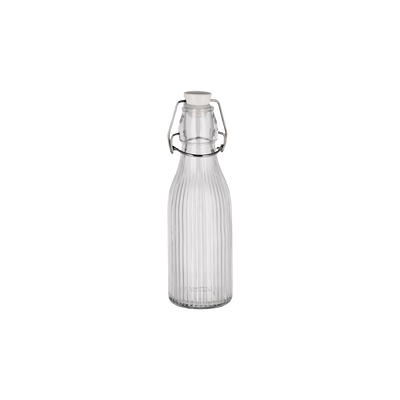
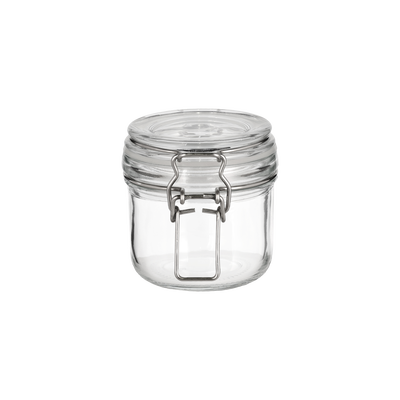
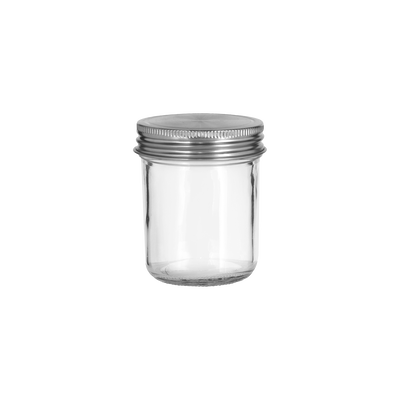
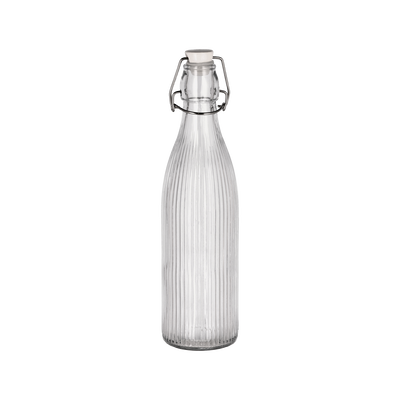
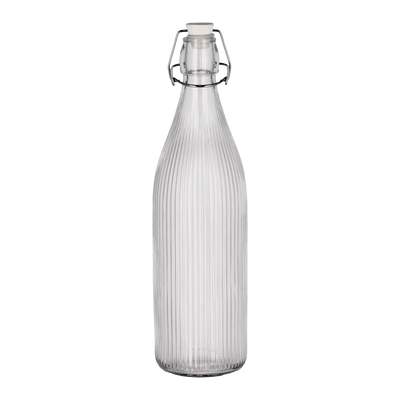
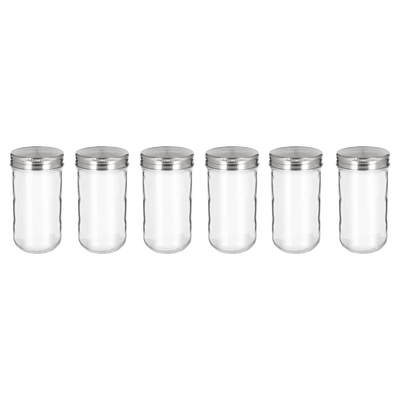
There are several different types of containers for juice and preserves, including preserving jars, jars with screw lids, jam jars, clip-top bottles and juice bottles. For most situations, the easiest way to compare them is to think about whether you need a jar for spoonable contents, a bottle for liquids, or a closure type that matches what you already use at home.
If you are exploring the broader assortment, you can also browse kitchenware and then move into kitchen storage to compare this category with other storage solutions. Related categories can be useful if you want to organise different parts of the kitchen at the same time, such as storage jars, food storage or to go products.
How to clean preserving jars
It is important to clean preserving jars before use so that unwanted bacteria are removed and mould or yeast does not develop in the contents.
There are several ways to prepare preserving jars before filling them with homemade preserves.
Alcohol
Pour a teaspoon of 40% alcohol into the jar, close it with the lid and shake it so the alcohol is distributed evenly. The alcohol can be used to sterilise several jars.
Atamon
Rinse jars and lids in Atamon, which is a liquid preservative. Follow the manufacturer's instructions.
Heat treatment
Heat jars and lids in the oven at 120 degrees for 20 minutes, or rinse them with boiling water. Leave them to dry upside down on a clean tea towel.
Once you have sterilised jars and lids, avoid touching the inside of the jars, as this can leave behind unwanted bacteria.
If you are choosing between different solutions on the webshop, it can be useful to look not only at preserving jars but also at nearby storage categories. Depending on what else you keep in the kitchen, you may also want to see cookie tins, wooden boxes or herb pots for other ingredients and supplies.
Preserving jars and accessories for juice and preserves
If pickling and preserving are important parts of your kitchen routine, this category brings together the main container types and the accessories used with them. You can find preserving jars from juice and preserves selections, along with accessories for preserving.
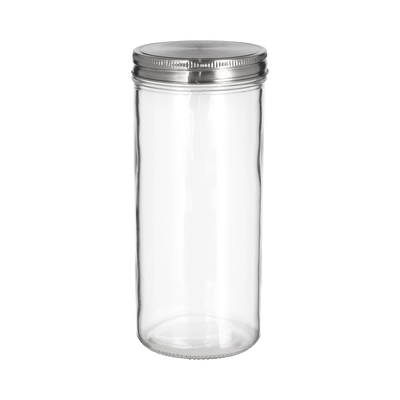
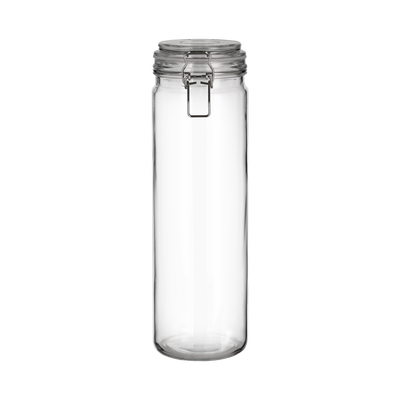
In everyday use, it helps to compare jars by closure type and intended contents. Some shoppers need clip-top jars, while others prefer jars with screw lids. Accessories such as rubber rings for clip-top jars and inner lids for screw-top jars can also matter when you are selecting the right setup.
If you are also looking at practical kitchen organisation, you can continue to categories such as dishwashing sets, paper towel holders and trash bins. For general food containers, there is also a wider range of food storage options. This makes it easier to move from broad kitchen storage choices to the more specific jars and bottles needed for juice and preserves.
Frequently asked questions
What is the difference between pickling and fermenting?
Pickling means preserving fruit or vegetables in a mixture such as sugar, vinegar and spices, while fermenting relies on microorganisms like bacteria or yeast to break down sugars over time. In everyday use, this means that pickling is usually a more direct process, whereas fermentation takes longer and follows a different method.
How do I choose between jars and bottles for juice and preserves?
A practical way to choose is to start with the type of contents you want to store. In practice, this helps you decide between a jar for spoonable preserves or vegetables and a bottle for liquids such as juice.
What kinds of containers are used for juice and preserves?
Common options include preserving jars, jars with screw lids, jam jars, clip-top bottles and juice bottles. This makes it easier to compare narrower options based on whether you need a container for solids, liquids or a closure type that matches what you already use at home.
How do you pickle fruit or vegetables?
A general method is to prepare the fruit or vegetables, heat a pickling liquid with sugar, vinegar and spices, sterilise the jars and lids, then fill and seal the jars. In everyday use, this means making sure the contents are fully covered by the liquid and then storing them in a cool, dark place once they have cooled.
Why does the type of lid or closure matter?
The category content explains that some people prefer screw lids, while others use clip-top jars with accessories such as rubber rings or inner lids. In practice, this helps you choose a setup that fits the preserving method you plan to use and the container types you already have.
How should I clean preserving jars before using them?
Preserving jars should be cleaned and sterilised before filling so that unwanted bacteria, mould or yeast are less likely to develop. This makes it easier to prepare jars safely by using boiling water, oven heat, alcohol or a preservative solution according to the instructions given.
Can I sterilise preserving jars with boiling water or heat?
Yes, the content describes heat treatment as one way to prepare jars and lids before use. In practice, this means you can rinse them with boiling water or heat them in the oven at 120 degrees for 20 minutes, then let them dry upside down on a clean tea towel.
How can I narrow down the right preserving products on a webshop?
It helps to begin with the container type you need and then look at matching lids and accessories. This makes it easier to move through filtered choices based on whether you want jars for vegetables, bottles for juice, or closure types suited to different preserving methods.