Save 30%
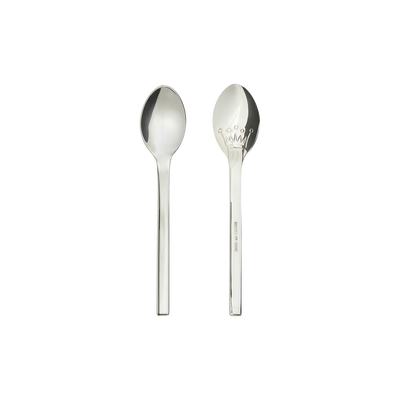
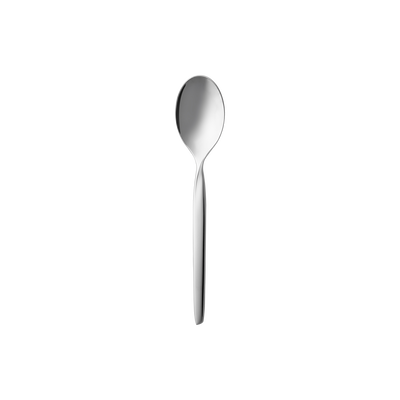
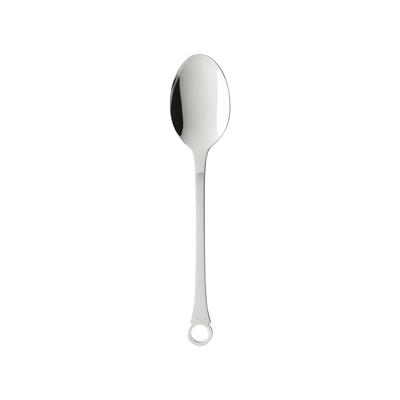
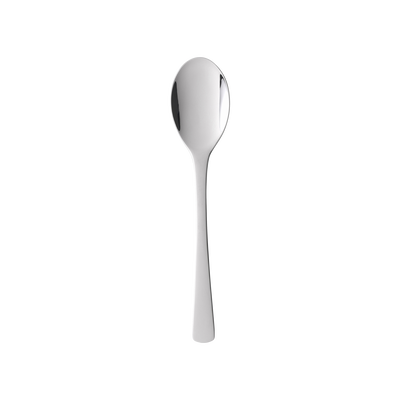
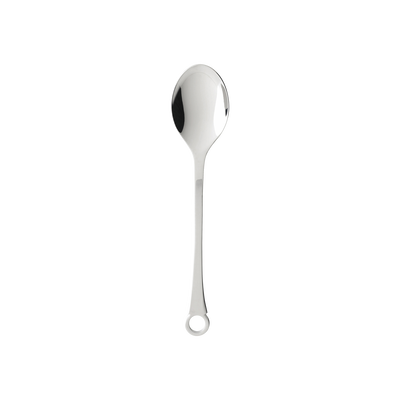
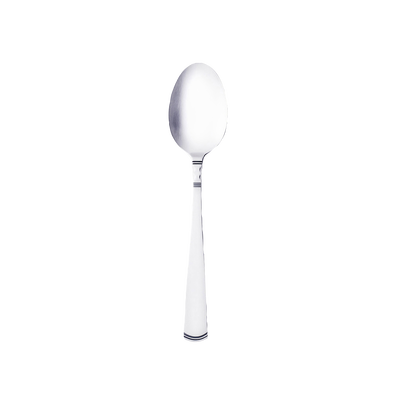
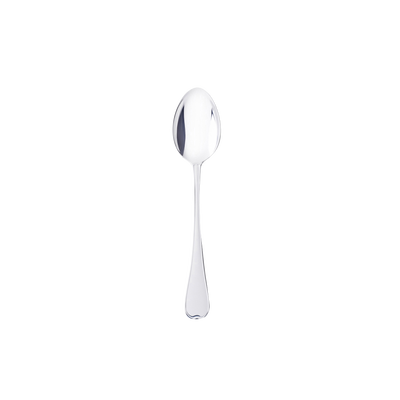
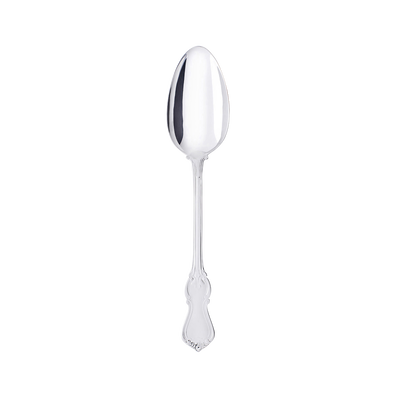
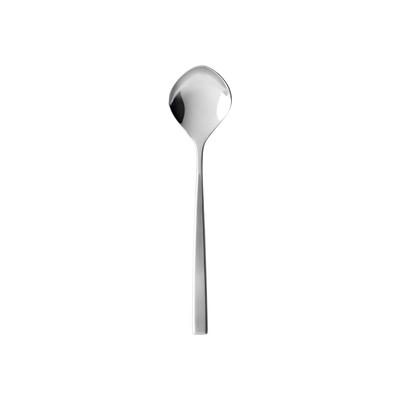
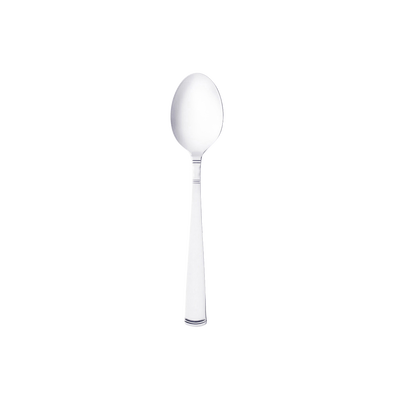
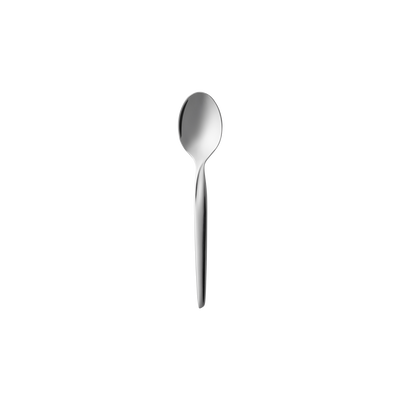
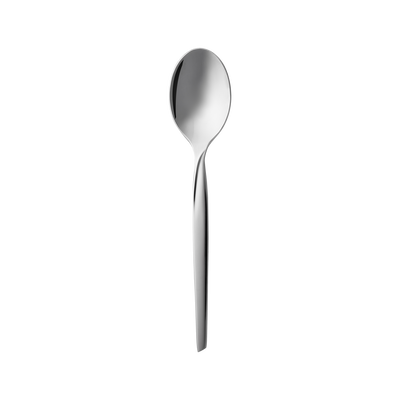
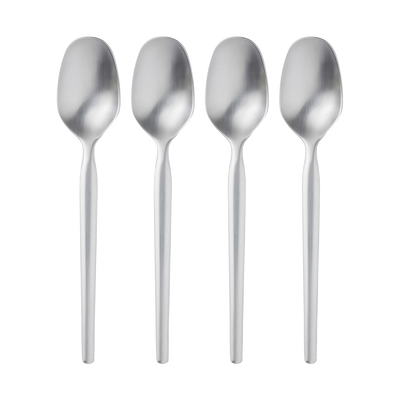
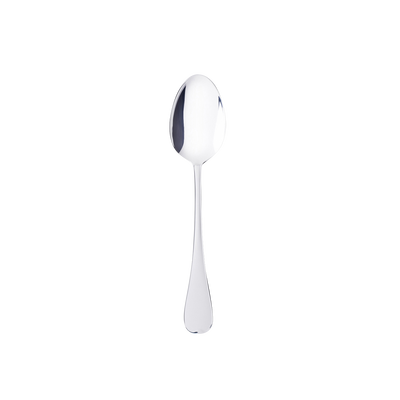
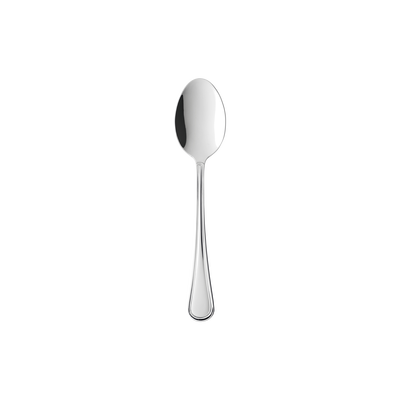
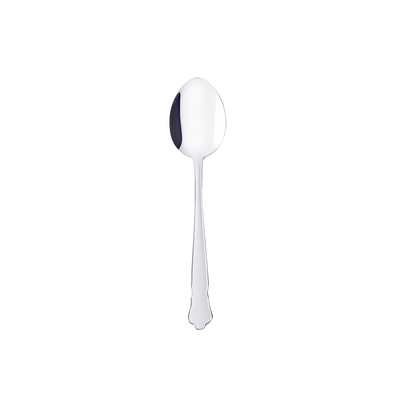
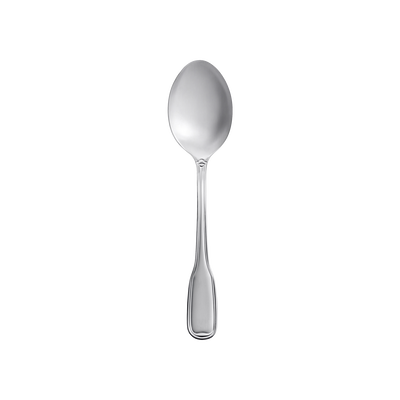
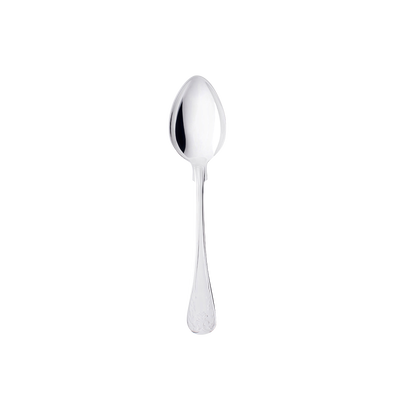
Spoons for every occasion
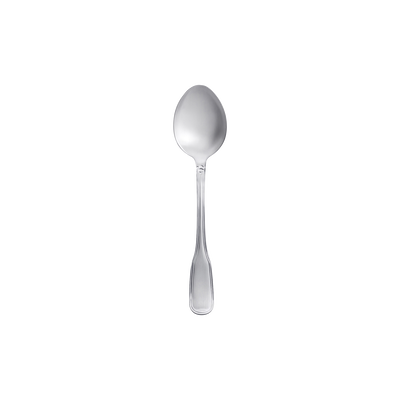
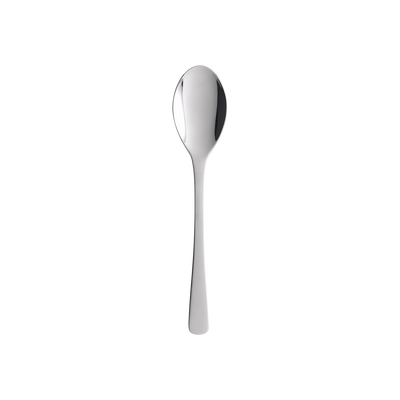
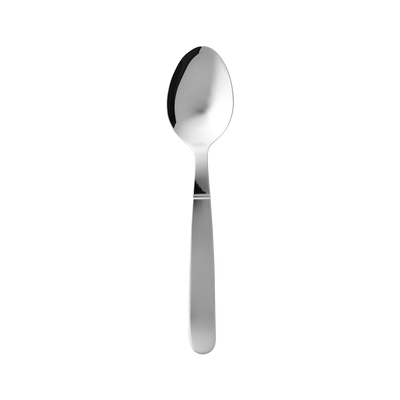
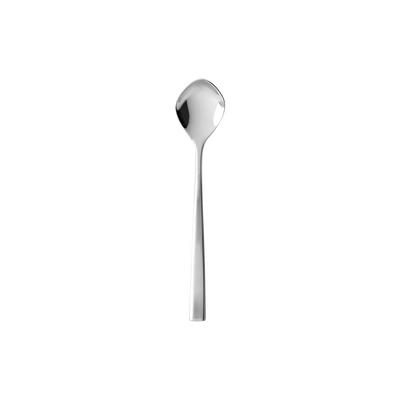
A well-set table often comes down to the small details. An elegant dessert spoon, a comfortable table spoon or a practical spoon for serving can all help complete the overall impression. In this category, you can compare spoons for everyday meals and more specific uses, so it becomes easier to narrow your choice by purpose, shape and material.
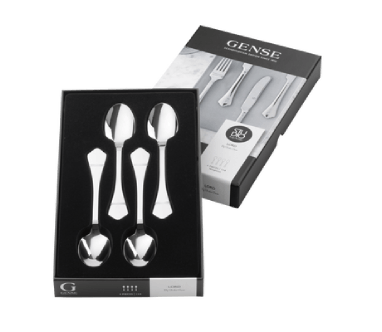
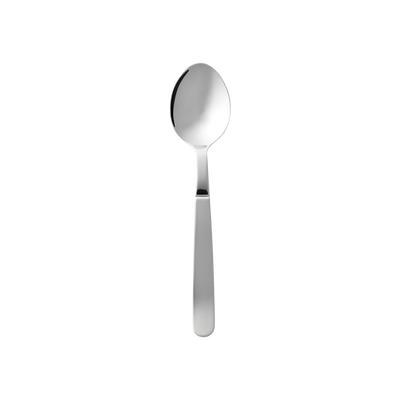
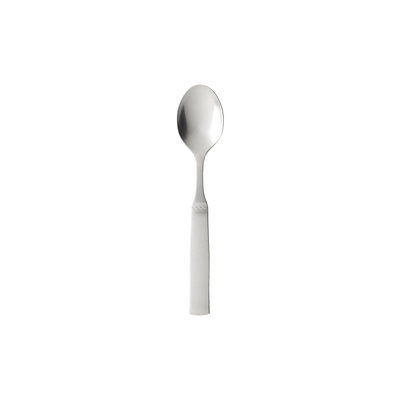
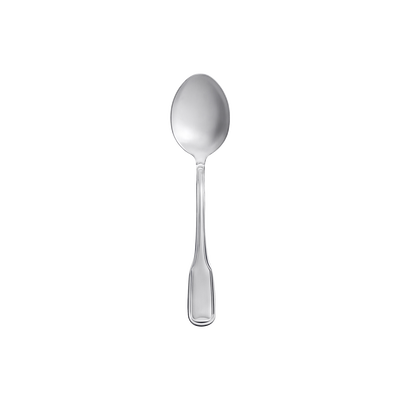
You will find spoons from recognised brands such as BITZ, Funktion and Gense, including teaspoons, children’s spoons, dessert spoons and table spoons. If you are browsing the wider world of table setting, this page gives you a clear place to focus on one part of the cutlery selection. You can also move to the broader overview of flatware and cutlery if you want to compare spoons with other types of pieces.
If you are unsure which spoon type you need, a practical way to choose is to start with how the spoon will be used. Some are mainly for meals, some are better suited to desserts or hot drinks, and others are useful when serving or reaching into tall glasses and jars.
Table spoons
The table spoon is one of the pieces of cutlery most people use again and again. It is used not only for eating, but also for stirring, tasting and adding a finishing touch when serving food. For most situations, this is the spoon type that forms the base of the drawer and the table setting.
When comparing table spoons, many shoppers start with the overall look and then move on to size and how the spoon feels in the hand. That makes this category useful if you want to choose between different designs while keeping the purpose clear.
Dessert spoons
A dessert spoon is a natural choice when you want the spoon to suit sweet servings more closely. Its design helps make desserts easier to divide into small bites, while also adding a more refined detail to the place setting.
If dessert is part of how you usually set the table, it can be helpful to compare dessert spoons with your existing cutlery so the scale and style feel consistent across the table.
Teaspoons
The name may suggest a very specific use, but teaspoons are often used for much more than tea. They are practical for tasting, for small bowls on the table, and of course for stirring sugar into a cup of tea.
In everyday use, the teaspoon is often the spoon people reach for when a full-sized spoon feels too large. If you are deciding between spoon types, this is one of the easiest places to start. Think about whether you mainly need a spoon for drinks, tasting or smaller servings.
Children’s spoons
For many children, a spoon feels easier to use than a fork, especially when food is difficult to pick up with fork tines. A spoon made for children and babies can support independence at the table and is an important part of many children’s mealtimes.
If you are shopping for younger users, it can help to compare these spoons with the wider selection of children’s cutlery, where you can look at matching pieces in the same area of the webshop.
Glass spoons
If you want to bring more colour into your table setting, glass spoons offer a different look from classic metal cutlery. In coloured glass, they can create contrast against neutral tableware and kitchen accessories.
They are also a useful option if you are browsing by appearance rather than by function. For some shoppers, the material is the first choice to make, and then the spoon type comes second. This category supports that way of comparing too, especially if you want something that stands out more clearly on the table.
Café latte spoons
If you serve café latte in a tall glass, a long spoon is helpful because it reaches the bottom when milk and espresso need to be mixed. The same shape is also useful if you add sugar or syrup.
The long handle also makes this type of spoon practical for other tasks, such as reaching the last contents in a jam jar or sugar bowl. If you typically use tall glasses or deeper containers, this helps you identify why a longer spoon may be the better choice than a standard teaspoon.
Once you know which spoon types you need, it often makes sense to compare them with other pieces of cutlery. You can browse matching knives and forks, or go straight to cutlery sets if you want to update several pieces at once.
FAQ: Spoons for everyday use and special occasions
The spoon is one of the world’s oldest eating utensils. Earlier versions were made from animal bones, shells or bark, while today the category includes a wide range of designs and materials for daily use and table settings. That long history is reflected in how many different spoon types are still relevant today.
Below, you can find guidance on common questions that often come up when choosing spoons online.
Where should a spoon be placed in a classic table setting?
The spoon is a regular part of many table settings. Today, it is the host’s responsibility to place it correctly on the table.
If the spoon is for dessert, it is placed above the plate with the bowl of the spoon pointing to the left. If it is for soup, it is placed to the right of the plate. If soup is served as a starter, the spoon goes to the right of the knife, on the outer side. If you are building a complete place setting, you can also compare with other serving and table pieces such as serving utensils, salad cutlery and cake forks and servers.
How long is a table spoon?
A standard table spoon is typically around 18 to 21 centimetres long, although sizes can vary. You can usually find both length and weight in the product description, which makes it easier to compare similar designs before choosing.
How many spoons should you have?
A useful rule of thumb is to have at least two to three times as many spoons as there are members of your household. If you often host larger meals or gatherings, you may need a larger selection.
How to care for your spoons
Spoons are made for long-term use, but some materials need more careful handling if you want to preserve their finish over time. You can always check the product description or the enclosed instructions for guidance on cleaning and maintenance.
Spoons at Kitchen Living Dining
If you want more options for soups, desserts and everyday meals, this category brings different spoon types together in one place so they are easier to compare. From there, you can continue into other parts of the cutlery range depending on what you still need for the table.
For example, if your selection is growing beyond standard cutlery, you may also want to look at specialised pieces such as steak cutlery. That makes it easier to move from a single spoon choice to a more complete and coordinated cutlery selection.
Frequently asked questions
How do I choose the right type of spoon?
A practical way to choose is to start with how the spoon will be used. Some spoons are mainly for meals, others are better for desserts, hot drinks or serving, and in everyday use this makes it easier to narrow your choice by purpose, shape and material.
What is the difference between a table spoon and a dessert spoon?
A table spoon is generally the everyday spoon people use for meals, stirring, tasting and serving. A dessert spoon is better suited to sweet servings, and in practice this helps you choose a spoon that matches both the food and the overall place setting.
When is a teaspoon the better choice than a full-sized spoon?
A teaspoon is useful when a full-sized spoon feels too large. In everyday use, this means it works well for drinks, tasting and smaller servings, which makes it one of the easiest spoon types to choose if your needs are fairly general.
Why would I need a café latte spoon?
A café latte spoon has a longer handle, which makes it useful for tall glasses where you need to reach the bottom to mix milk, espresso, sugar or syrup. In practice, this also helps when reaching into deeper containers such as jam jars or sugar bowls.
What should I consider when choosing spoons for children?
Spoons made for children and babies can be easier for younger users to handle, especially when food is harder to pick up with a fork. In everyday use, this helps support independence at the table and makes it easier to compare narrower options with other children's cutlery if you want matching pieces.
Where should a spoon go in a classic table setting?
If the spoon is for dessert, it is placed above the plate with the bowl pointing to the left. If it is for soup, it goes to the right of the plate, and if soup is a starter, it is placed to the right of the knife, which makes it easier to set the table correctly.
How long is a standard table spoon?
A standard table spoon is typically around 18 to 21 centimetres long, although sizes can vary between designs. In practice, this helps you compare product descriptions more clearly, especially if you want a spoon that feels similar to the cutlery you already use.
How should I care for my spoons?
Spoons are made for long-term use, but some materials need more careful handling to preserve their finish over time. In practice, this means it is helpful to check the product description or enclosed instructions so you can follow the recommended cleaning and maintenance guidance.