

Save 30%
Plastic food storage for less food waste
Food storage is often the easiest way to keep everyday cooking organised. When there are leftovers from dinner or ingredients that need a fixed place, storage boxes and containers with lids make it simpler to sort and store food in a practical way. On this page, you can compare different types of food storage and narrow your choice by looking at what you need to store, how much space you need and where the container will be used.
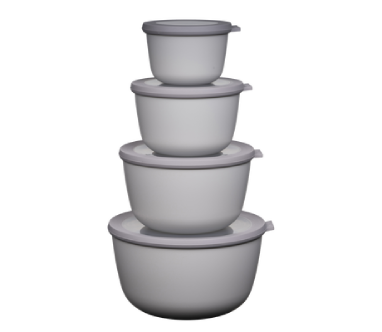
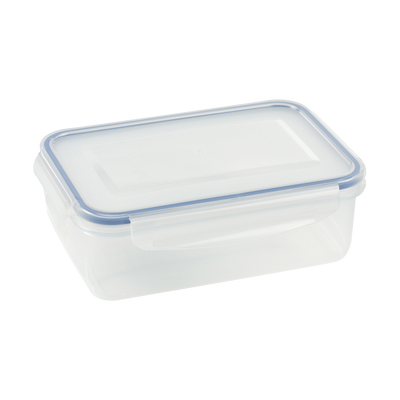
Plastic food storage is especially useful for leftovers in the fridge. Airtight boxes help keep food fresh, and some ranges can also go in the microwave. That makes them suitable when you want to store a meal and reheat it later. Some food storage boxes are also suitable for the freezer, which is helpful if you want to keep food for longer.
If you are comparing different options, it can help to start with the type of food. Leftovers, sliced toppings, butter and cheese often suit compact boxes with lids, while larger containers are useful for bigger portions. You will also find sizes such as 3 litres, 5 litres and 10 litres, so it is easier to match the container to your needs rather than making one size fit everything.
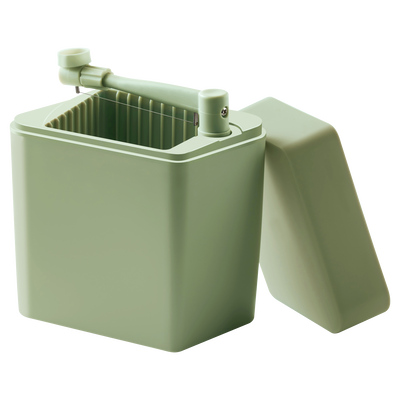
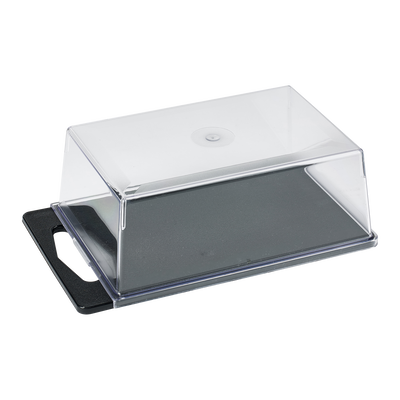
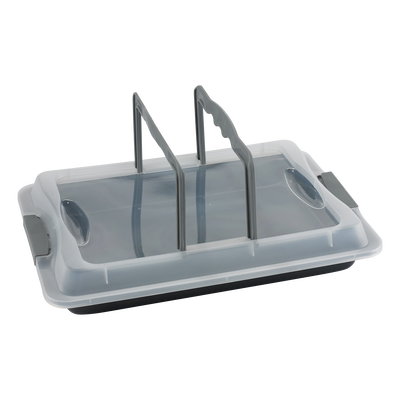
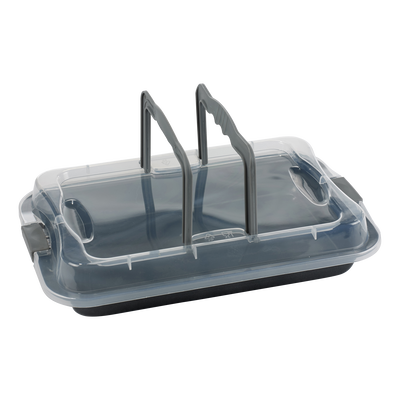
The range also includes solutions for more specific needs, including cheese boxes, butter dishes, cake tins, oil bottles, sliced topping boxes, preserving jars and crispbread boxes. If you are looking for storage that is easy to bring with you, you can also continue to to go food storage, where the selection is aimed at portable solutions.
If you like playful and distinctive designs, you can explore products from Mepal. The brand is known for food storage with a clear and practical design, including lunch boxes and drinking bottles for children, as well as the Modula boxes. Their transparent look makes it easier to create an overview in kitchen drawers and cupboards when you want to see ingredients at a glance.
Food storage in glass and stainless steel
Food storage is not only about leftovers. It is also a useful part of storing dry goods such as pasta, rice and muesli. Instead of keeping ingredients hidden away in a cupboard, many people prefer to place them on the kitchen counter where they are easy to reach. Here, the material often makes a difference to both the look and the way the storage fits into the kitchen.
Glass is a practical choice when you want to keep the contents visible. It gives a quick overview of what you have and can also work well as part of the overall look on open shelves or the countertop. If you want to browse more options in this direction, you can see our selection of storage jars, where jars and containers make it easier to organise dry ingredients.
Stoneware storage jars with oak lids are another option for ingredients such as salt and sugar. They offer a different look from clear glass, while still helping to create order in the kitchen. If you are deciding between materials, a practical way to choose is to think about whether you prefer to see the contents directly or want a more closed and decorative storage style.
For glass storage, Luigi Bormioli offers preserving jars and oil bottles that also work well on the table. Oil bottles are useful when you want cooking oils close at hand, while preserving jars can be used for ingredients or homemade contents. If preserving is what you are mainly looking for, you can also explore juice and preserves, where the range is focused on jars and related solutions.
Stainless steel is another material in the category. RÖSLE storage tins in steel are durable, easy to clean and easy to stack. That makes them suitable when you want a tidy arrangement in cupboards or on shelves and need containers that can be placed neatly together. If you compare steel with glass, the main difference is often whether visibility or a more closed storage format matters most in your kitchen.
You will also find preserving and canning jars from the French brand Le Parfait for homemade jam, juice and similar kitchen projects. For decorative metal storage, the range includes cake tins from Martin Schwarz with characteristic city motifs. These tins can be used for homemade biscuits or placed on a shelf as part of the kitchen setting. If you want to focus specifically on this type of storage, you can browse our cookie tins.
Organise your kitchen with storage solutions
Food storage is a natural part of kitchen organisation, both on the worktop and inside cupboards. The right storage makes it easier to keep track of ingredients and kitchen items, and it helps create a calmer overview in a room that is often used many times throughout the day. When browsing this category, many people start with the food itself and then move on to the material, shape and size that fit their storage space.
If you keep bread and baked goods in the kitchen, a bread bin can be a useful addition. It gives rye bread, rolls and loaves a dedicated place, and it can also be used for freshly baked cake that you want to keep moist for as long as possible. For smaller baked goods and decorative storage, wooden and metal containers can also be relevant depending on where and how you want to store them. You can continue to wooden boxes if you want to explore more enclosed storage options for the kitchen.
In a webshop, it is often helpful to move from broad storage needs to more specific categories. You might start in kitchenware, then look through kitchen storage to compare different ways of organising the room. From there, it becomes easier to choose between food storage for the fridge, jars for dry goods, bottles for oil or specialised containers for preserving and baking.
Food storage also works together with other kitchen organisation products. If you are planning the full setup of your countertop or cupboards, you may also want to look at paper towel holders, dishwashing sets and trash bins. These categories help with everyday organisation around cooking, storing and cleaning.
If your kitchen storage also includes ingredients you keep close by, it can make sense to combine food storage with solutions for fresh herbs and countertop items. In that case, you can see our herb pots for another practical way to organise frequently used ingredients in the kitchen.
Whether you need airtight plastic boxes for leftovers, glass jars for dry goods, steel tins that stack neatly or decorative cake tins for baking, this category brings together food storage in several materials and formats. That makes it easier to compare options side by side and find the storage solution that suits your ingredients, your space and the way you want to organise your kitchen.
Frequently asked questions
How do I choose the right food storage container for what I want to store?
A practical place to start is with the type of food and the amount you need to store. Leftovers, sliced toppings, butter and cheese often suit compact boxes with lids, while larger portions may need bigger containers such as 3, 5 or 10 litre sizes. In everyday use, this means that you can match the container to the food instead of trying to make one size work for everything.
When is plastic food storage a practical choice?
Plastic food storage is especially useful for leftovers in the fridge, where airtight boxes help keep food fresh. Some ranges can also go in the microwave, and some are suitable for the freezer. In practice, this helps you store a meal, chill or freeze it, and in some cases reheat it later in the same type of container.
Should I choose glass or stainless steel food storage?
The main difference is often whether you want to see the contents or prefer a more closed storage format. Glass gives you a quick overview of ingredients, while stainless steel offers a tidy, stackable option that is easy to clean. This makes it easier to choose based on how you organise your cupboards, shelves or worktop.
What food storage works well for dry goods like pasta, rice and muesli?
Glass jars and other storage jars are useful for dry goods when you want ingredients to be easy to see and reach. Stoneware jars with oak lids are another option if you prefer a more closed look for items such as salt and sugar. In everyday use, this helps you keep dry ingredients organised either on the countertop or on open shelves.
What is the difference between airtight boxes, preserving jars and storage tins?
Airtight boxes are mainly helpful for everyday foods such as leftovers in the fridge, while preserving jars are more suited to ingredients, homemade jam, juice and similar kitchen projects. Storage tins in steel are useful when you want containers that stack neatly and keep cupboards or shelves orderly. In practice, this helps you choose based on whether your priority is freshness, preserving or organised storage.
How can food storage help me organise my kitchen better?
Food storage makes it easier to keep track of ingredients and create a calmer overview on the worktop and inside cupboards. Many people find it useful to begin with the food itself and then look at material, shape and size to suit the space available. This makes it easier to compare filtered choices and build a setup that fits daily cooking and storage habits.
What should I look for if I want food storage that is easy to carry with me?
If portability is the main priority, it can help to look at narrower options aimed at taking food with you rather than general kitchen storage. The category content points to to go food storage for this purpose. In practice, this helps you focus on containers designed for transport instead of sorting through options mainly intended for cupboards or fridges.
How do I narrow down the food storage options in a webshop?
It often helps to move from a broad storage need to more specific selections, such as storage for the fridge, jars for dry goods, bottles for oil or containers for preserving and baking. You can also compare by material, shape and size depending on where the storage will be used. This makes it easier to narrow your choice step by step instead of looking at every option at once.