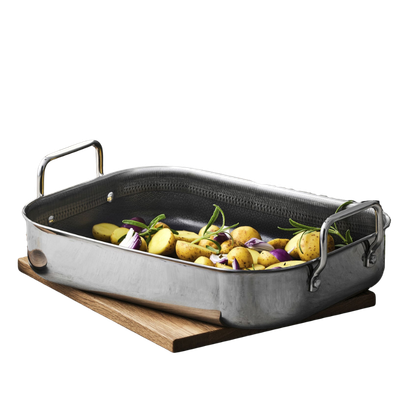
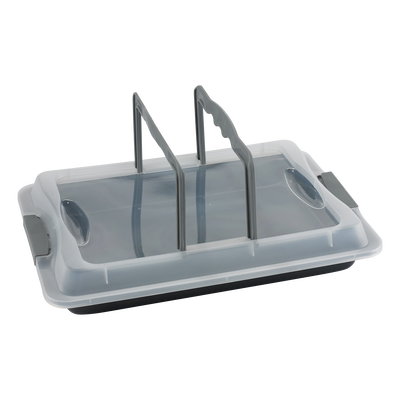
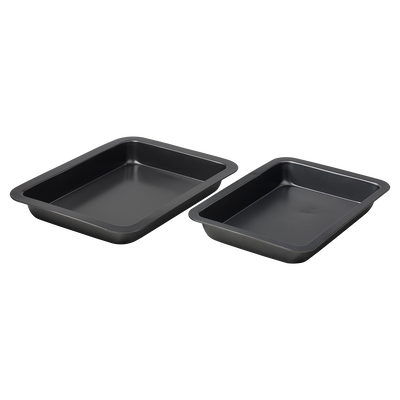
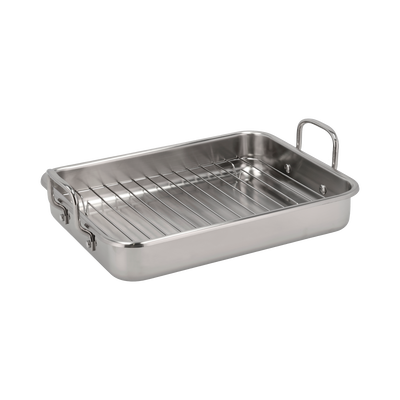
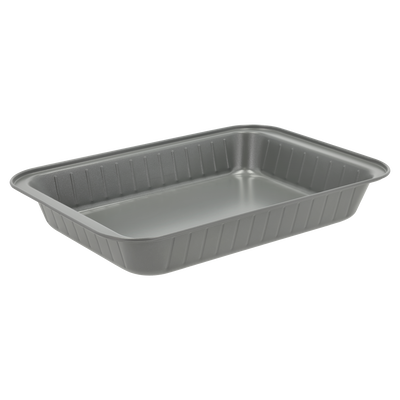
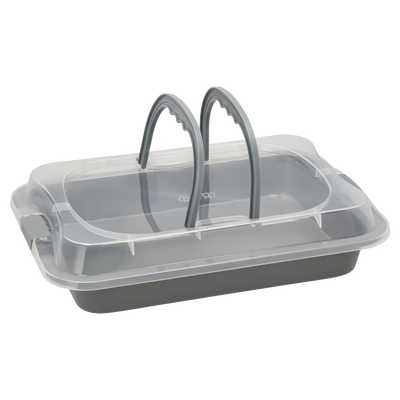
Roasting pans in durable materials
A roasting pan is made for cooking, so the material and finish matter when you compare different options. On this page you can explore roasting pans from well-known brands such as HOLM and Mauviel, and look more closely at the features that make one model more suitable than another for your oven dishes.
You will find roasting pans in materials such as aluminium and stainless steel. A practical way to choose is to start with how you usually cook in the oven. If you often make roasts, potatoes or larger dishes, it helps to compare materials that support even heat distribution. This can make it easier to choose a pan that suits both everyday cooking and more demanding oven recipes.
If you want to use less fat when cooking, a non-stick surface can be a useful feature. Ingredients release more easily from the surface, which can also help when you work with more delicate foods or dishes that tend to stick. If you are comparing several roasting pans, surface finish is one of the simple details that can quickly narrow your choice.
You will also find roasting pan sets with a matching rack. This type of set is helpful when you want to roast meat and collect the fat underneath in the pan. For many shoppers, this is a practical feature to look for early in the selection process, especially if you want one set that gives you more than one way to use it in the oven.
What is a roasting pan used for?
A roasting pan can be used for many kinds of cooking in the kitchen, which is why it is one of the basic products in this category. You can use it for roasts, lasagne, vegetables and baked goods, so it covers both everyday dishes and recipes that need more space in the oven.
Because the category includes several types, many shoppers start with the dish they make most often. If you mainly prepare classic oven meals, an ordinary roasting pan may be enough. If you cook more frequently and want faster heat conduction, you may prefer to compare the more professional variants in the range. Looking at use first, then material and features, is often the easiest way to choose.
It also helps to think about the cooking result you want. Some shoppers look for a simple pan for general use, while others prefer a set with a rack for roasting meat and allowing excess fat to drip away. When you compare the range this way, it becomes easier to move from a broad overview of roasting pans to a more specific selection that fits your routine in the kitchen.
To help keep the surface in good condition, avoid scratching it with sharp utensils. Softer tools, such as wooden utensils, are a better choice when turning potatoes or moving ingredients around. You can also protect the surface with baking paper. These are useful points to keep in mind when comparing pans with different coatings or finishes.
Cleaning roasting pans for oven use
Roasting pans naturally get dirty during use, and food can burn onto the surface over time. For that reason, cleaning is an important part of using this type of product, and it is worth considering whether you prefer a simpler surface or a coated option when browsing the category.
They are relatively easy to clean, and the method described for these pans is straightforward. Apply a layer of soft soap to the roasting pan, place it in the oven at 100 degrees until the soap starts to bubble, and then wash the surface with water.
Another option is to place the soap-covered roasting pan in a black bag overnight and then scrub it with a brush. This can help restore a clean surface so the pan is ready to use again. If you use your roasting pan often, it can be useful to keep these care steps in mind when deciding which material and finish best suit your needs.
Which roasting pan should I choose?
The right roasting pan depends on what you use it for most often. If you are a keen home cook and want a pan with very fast heat conduction, the range includes more professional variants. If you mostly cook classic everyday meals, standard roasting pans can be a suitable choice.
For most situations, it helps to compare three things first: material, size and extra features. Material affects how the pan feels in use and how you compare different models for oven cooking. Size matters if you usually cook larger portions or want a pan for smaller dishes and special preparations. Features such as a rack, lid or non-stick surface can then help you refine your choice further.
If you are still comparing options, it can also help to browse from the wider kitchenware range into the full selection of ovenproof kitchenware. This gives you a clearer overview of where roasting pans sit within the wider ovenproof category and makes it easier to compare them with related products.
What size should a roasting pan be?
Roasting pans come in different sizes, and the right choice depends on your purpose. The range includes several sizes, from a standard roasting pan measuring 35 x 25 x 7 cm to smaller roasting pans measuring 10 x 14 x 4.7 cm. If you are deciding between sizes, start with the types of dishes you make most often and how much space you usually need in the oven.
If you want more flexibility, roasting pan sets are also available with multiple sizes included. This can be useful if you make different kinds of oven dishes and want more than one option ready to use. You will also find roasting pans with racks, which are suitable for oven dishes, grilling meat and vegetables, or letting excess fat drip away during cooking. The rack helps create a balance between juicy and crisp results, so this is a useful detail to compare when narrowing down your selection.
Whether you are an experienced cook or simply enjoy cooking at home, the category gives you several ways to compare roasting pans by use, construction and size. This makes it easier to move from broad browsing to a more precise choice based on how you actually cook.
Combine with other ovenproof products
When you cook in the oven, roasting pans are only one part of the setup. Many shoppers also look at other ovenproof products at the same time, especially when they want matching items for baking, serving or smaller oven dishes. If you are building a fuller ovenproof collection, related categories can help you continue your search in a practical order.
For baking bread, you can explore bread and loaf tins. If you are looking for alternatives for gratins, bakes or table serving, take a look at ovenproof dishes. For smaller oven preparations, ovenproof bowls and ramekins are natural next steps.
Browsing these related categories alongside roasting pans can make comparison easier, especially if you are choosing products for different oven tasks at the same time. It gives you a clearer sense of which shape, size and format best match the dishes you want to prepare.
Frequently asked questions
What is a roasting pan used for?
A roasting pan can be used for roasts, lasagne, vegetables and baked goods, so it suits both everyday meals and larger oven dishes. In everyday use, this means that one pan can cover several cooking tasks when you need more space in the oven.
How do I choose the right roasting pan?
A practical way to choose is to start with what you cook most often, then compare material, size and features. In practice, this helps you narrow your options more easily, especially if you are deciding between a simple pan, a non-stick surface or a set with a rack.
What difference does the material make in a roasting pan?
Roasting pans are available in materials such as aluminium and stainless steel, and the material affects how you compare them for oven cooking. In everyday use, this means it is worth looking at which options support even heat distribution if you often cook roasts, potatoes or larger dishes.
When is a non-stick roasting pan useful?
A non-stick surface can be useful if you want to cook with less fat or if you often prepare foods that tend to stick. This makes it easier to release ingredients from the surface and can also help when cooking more delicate dishes.
Why would I choose a roasting pan with a rack?
A roasting pan with a rack is helpful when roasting meat because the fat can collect underneath in the pan. In practice, this helps you cook in a way that allows excess fat to drip away while the food stays raised above the base.
What size roasting pan should I choose?
The right size depends on the dishes you make most often and how much oven space you usually need. In everyday use, this means a larger pan may suit family meals or bigger roasts, while a smaller pan can be more practical for smaller dishes and special preparations.
How do I clean a roasting pan?
One method is to apply a layer of soft soap, place the roasting pan in the oven at 100 degrees until the soap starts to bubble, and then wash it with water. Another option is to leave the soap-covered pan in a black bag overnight and then scrub it with a brush, which can make it easier to remove burnt-on residue.
How can I protect the surface of a roasting pan?
It helps to avoid scratching the surface with sharp utensils and to use softer tools such as wooden utensils instead. In practice, this helps you keep the finish in better condition, and baking paper can also add extra protection during cooking.