Mixing Bowls: find the right bowl for your needs
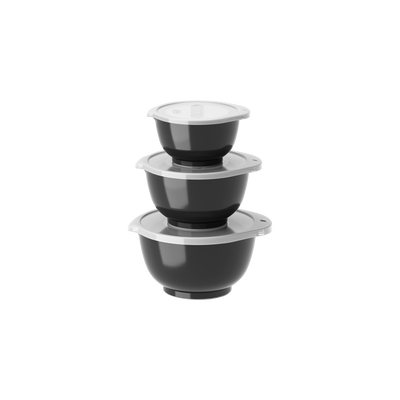
A mixing bowl is useful for more than mixing ingredients. It is a practical part of everyday baking and cooking, and many people also use mixing bowls for serving. If you choose a bowl with a lid, it can also be used to store leftovers directly in the bowl.
This category brings together a wide selection of Mixing Bowls, so you can compare the options in one place before deciding. A practical way to choose is to look at the main differences: material, size and colour. That gives you a simple overview and helps you narrow the range to the bowl or set that suits your kitchen tasks best.
1. Choose a material that suits the way you use the bowl
When choosing new Mixing Bowls, it is worth looking closely at the material. Plastic and metal have different properties, including heat conductivity and durability. Plastic is not just one standard type either, as quality, durability and overall characteristics can vary from one bowl to another.
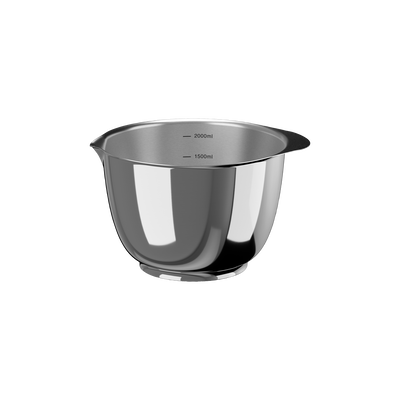
A metal mixing bowl is not only a visual choice. The heat-conductive material makes it suitable for tasks such as melting chocolate or preparing sauces. Metal bowls are also strong, often dishwasher safe, and resistant to breaking. If you want a bowl that can move between several kitchen tasks, this is often a useful place to start comparing.
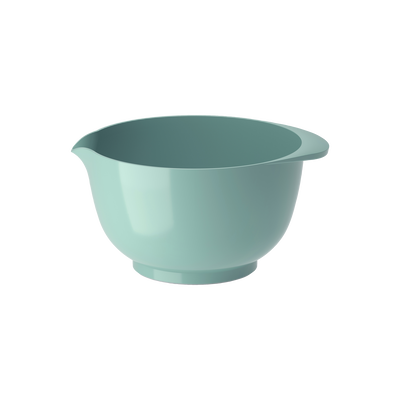
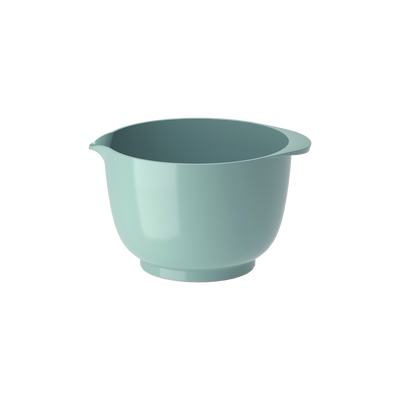
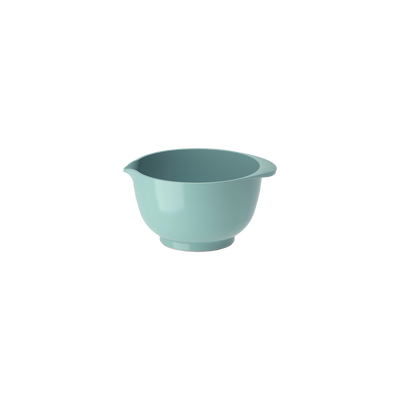
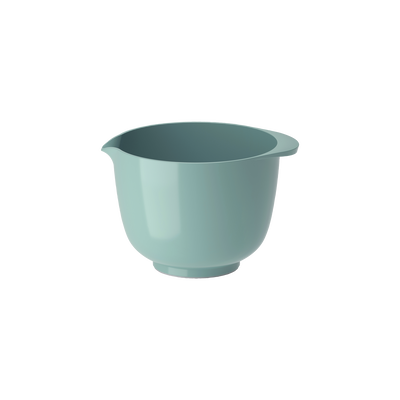
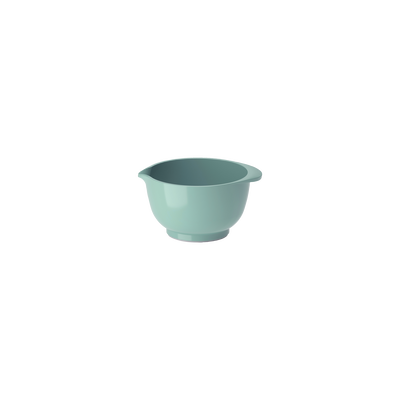
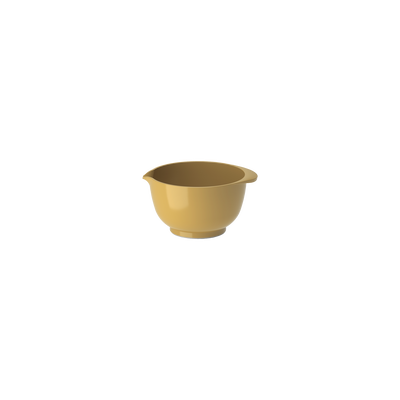
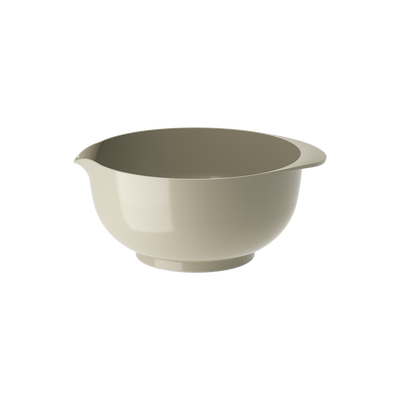
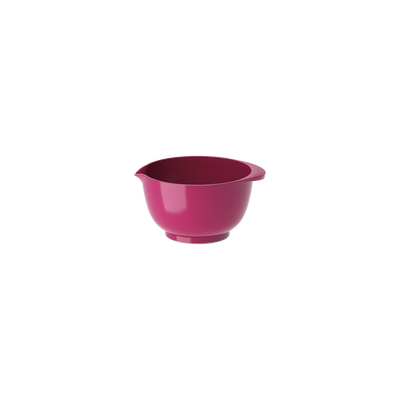
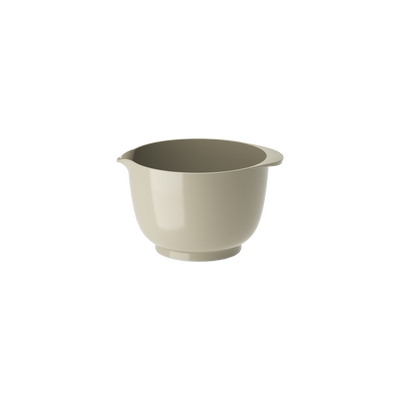
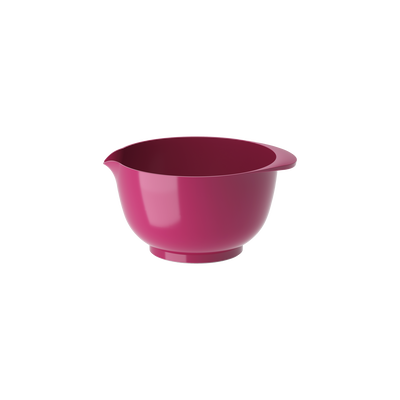
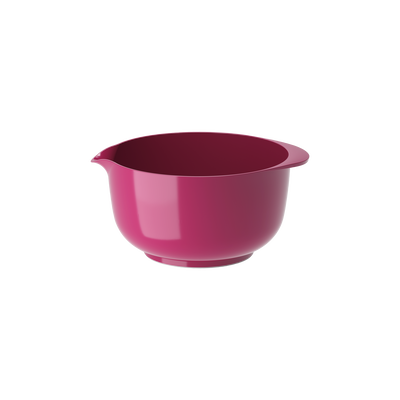
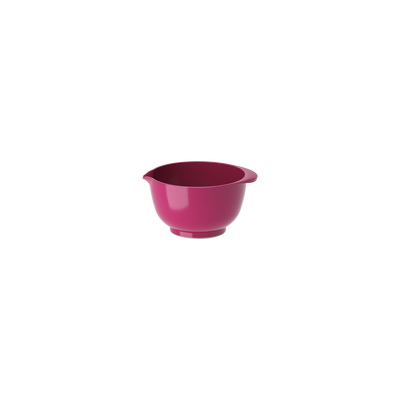
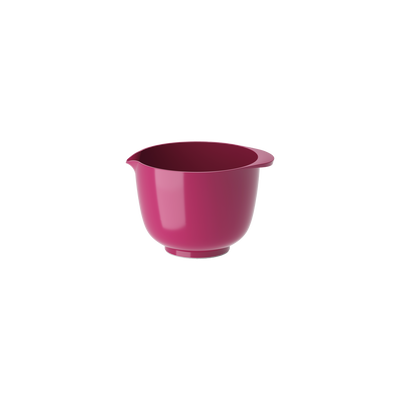
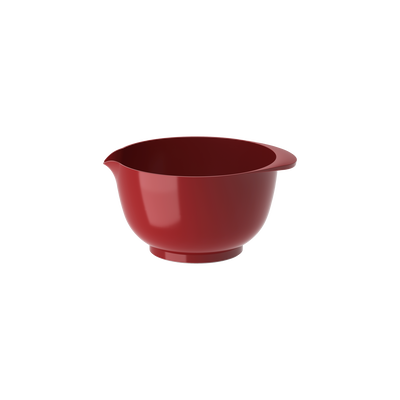
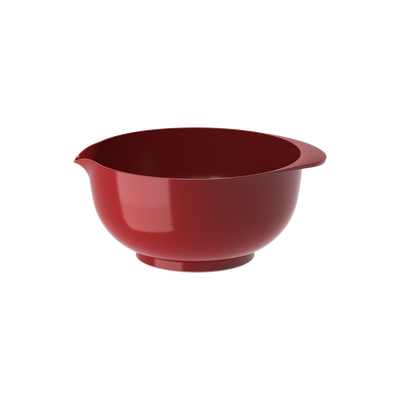
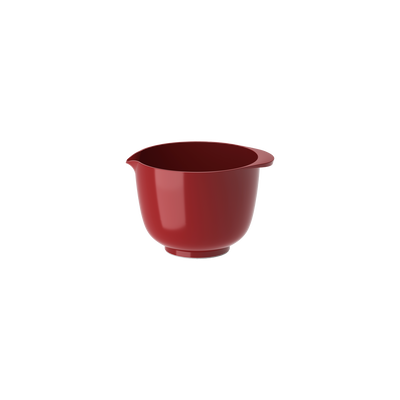
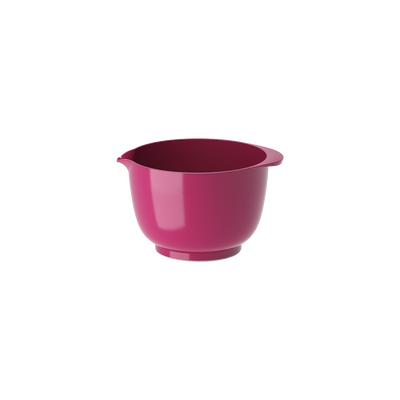
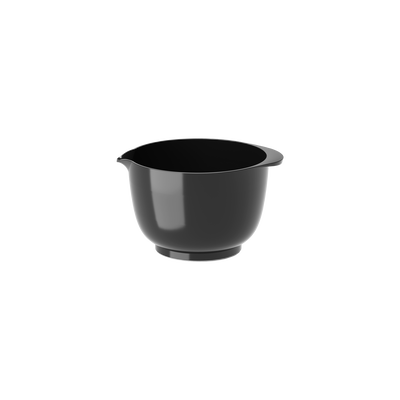
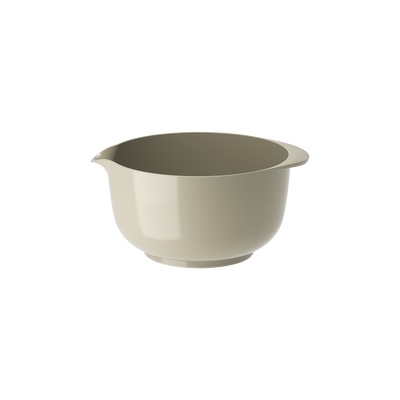
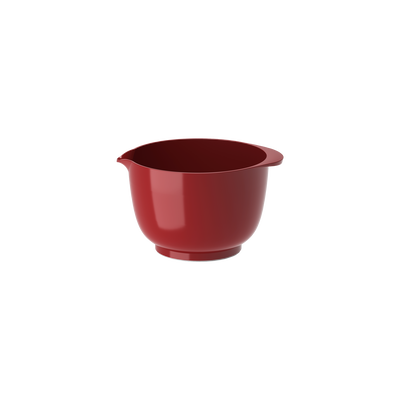
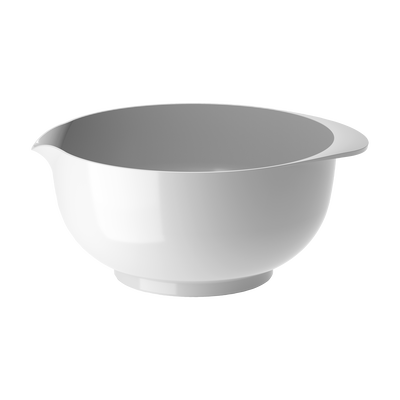
Plastic is one of the most common materials for Mixing Bowls because it keeps the bowl light and easy to handle. The Margrethe bowl is a well-known example. It is now made in an optimised material that can be used in both the freezer and the microwave, which makes it practical for storing and reheating leftovers. If you are comparing options for everyday use, that combination of low weight and versatility can help you decide.
2. Different sizes support different kitchen tasks
Most kitchens can benefit from more than one mixing bowl, which is why many people choose several sizes rather than relying on a single bowl. A large mixing bowl is helpful when working with doughs that need plenty of space, while smaller bowls are better suited to tasks such as mixing dressings and similar preparations.
As you browse the category, size is one of the easiest ways to sort the selection. The range includes examples such as 0.5 litre, 1 litre, 1.5 litre, 3 litre, 4 litre and 8.5 litre bowls. Looking at volume first can make comparison easier, especially if you already know whether you need a bowl for small preparations, larger doughs or a combination of both.
For most situations, it helps to think about how many different tasks you want to cover. One bowl may be enough for occasional use, while several sizes can give you more flexibility in everyday cooking and baking. If you prefer a ready-made combination, you can also explore mixing bowl sets, where different sizes are grouped together.
3. Colour can help you find the style you prefer
Colour is another way to narrow down the selection. Mixing bowls are one of the kitchen items where you often have more choice than usual, so it is possible to compare not only practical details but also the look you prefer. This can be useful if you want bowls that fit naturally with the rest of your kitchen equipment.
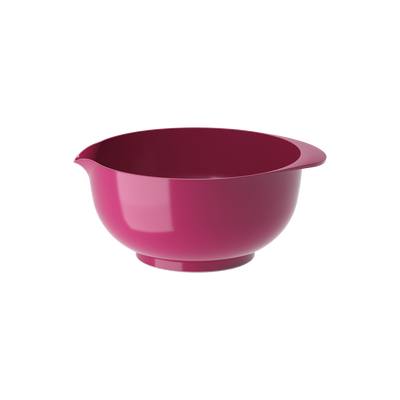
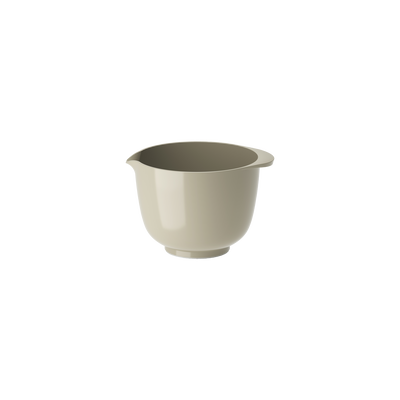
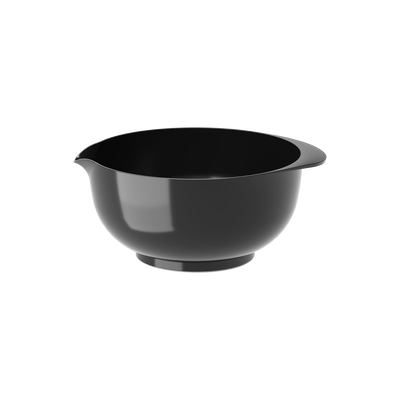
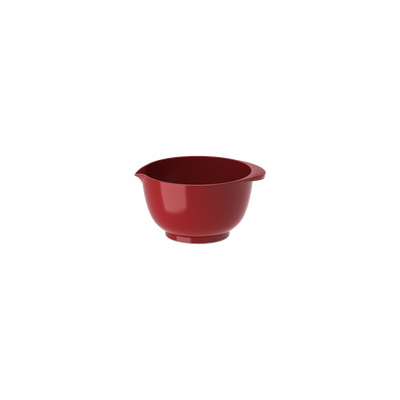
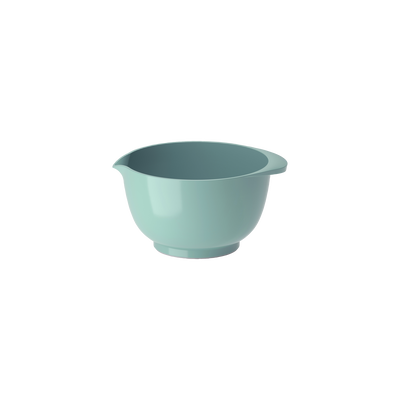
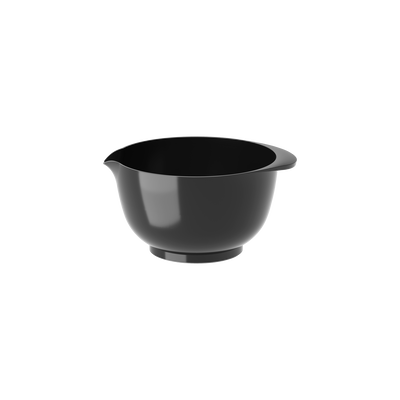
The assortment includes colours such as white, black, red and steel. For some, a neutral bowl is the easiest match. For others, a stronger colour is part of the appeal. If you are deciding between several bowls with similar functions, colour can be the final detail that helps you choose.
Mixing bowl sets: a practical way to cover several needs
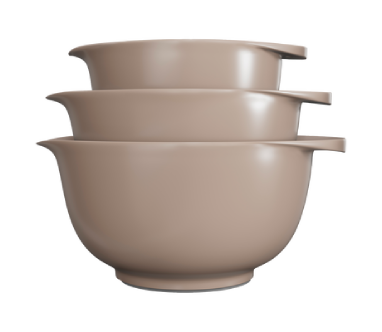
Cooking and baking involve many different tasks, so it often makes sense to have bowls in more than one size. A set can be a straightforward way to build that range from the start. In everyday use, this gives you a suitable bowl for everything from dough and minced mixtures to salad and smaller preparations.
In the selection, you can find sets with two bowls, with or without lids, sets with three bowls, also with or without lids, and sets with four bowls with lids. If you are comparing single bowls against sets, the key difference is whether you want one specific size or a coordinated group of sizes. You can browse the full range of mixing bowl sets here.
The Margrethe bowl: a Danish design classic
The Margrethe bowl from Kitchenware is presented in the category as a well-known choice with a long history. The bowl was originally developed more than 70 years ago at Sigvard Bernadotte and Acton Bjørn's industrial design studio and was named after Queen Margrethe II. Over the decades, the design has remained largely unchanged apart from the addition of a rubber ring on the base.
The newer version, NEW Margrethe, is made in the optimised material Durostima. It keeps the same appearance and feel as the original bowl, while adding use in the freezer and microwave and improving break resistance. If you are comparing bowls for classic design as well as practical everyday functions, this makes the Margrethe range relevant to include in your shortlist.
Blomsterbergs and RÖSLE: different strengths within the category
The range also includes bowls linked to different brands and uses. Blomsterbergs mixing bowls are described as bowls developed from practical knowledge of what a good mixing bowl should be able to do in the kitchen. The focus is on ergonomic design and strong materials that can handle frequent use. If you compare bowls based on handling and everyday work in the kitchen, this is one useful direction to explore within baking tools.
RÖSLE mixing bowls are stainless steel bowls made for preparation, serving and storage. The stainless steel construction makes them especially strong and resistant to breaking. They are also presented as bowls that can go from food preparation to serving in the same design. If you are comparing material types, RÖSLE is a clear stainless steel option within the broader selection.
How to care for your Mixing Bowls
Once you have chosen your bowls, proper care helps keep them in good condition. The most important starting point is always to check the manufacturer's instructions, as cleaning guidance depends on the material. Stainless steel and plastic mixing bowls can often be cleaned in the dishwasher, but it is still important to confirm this for the specific bowl you choose.
Storage also matters. To help prevent marks and scratches, keep bowls in a place where they are protected from knocks. Even strong materials can still get scratched. After cleaning, it is also sensible to make sure the bowls are completely dry before putting them away.
Explore Mixing Bowls and related baking categories
Mixing bowls are among the kitchen items used again and again for both baking and cooking. On this page, you can compare shapes, sizes, materials and colours to find the bowls that match your needs, whether you want one versatile bowl or several options for different tasks.
If you want to continue browsing nearby categories, you can explore related products such as baking mats, cake pans, chocolate moulds, cookie cutters, dough scrapers, flan and quiche dishes, ice moulds, kitchen scales, muffin pans, pastry bags, rolling pins and other baking tools.
Frequently asked questions
How do I choose the right mixing bowl for my kitchen?
A practical place to start is by comparing material, size and colour. In everyday use, this helps you narrow the options based on what you cook or bake most often, whether that is dough, dressings or serving at the table.
What is the difference between plastic and metal mixing bowls?
Plastic mixing bowls are generally light and easy to handle, while metal bowls are strong and heat-conductive. In practice, this means a metal bowl can be useful for tasks such as melting chocolate or preparing sauces, while plastic can suit everyday mixing, storage and reheating depending on the specific material.
What size mixing bowl should I choose?
The best size depends on the task. A large mixing bowl gives you more room for doughs and bigger batches, while smaller bowls are better for dressings and other small preparations, which makes it easier to choose by volume first.
Is it better to buy one mixing bowl or a set?
If you only need one specific size, a single bowl may be enough. In everyday use, a set can be more flexible because it gives you different bowl sizes for different kitchen tasks, from small mixtures to larger doughs.
Why would I choose mixing bowls with lids?
A lid can make a mixing bowl useful for more than preparation. In practice, this helps you store leftovers directly in the same bowl instead of transferring food to a separate container.
What is special about the Margrethe mixing bowl?
The Margrethe bowl is a well-known Danish design that has been used for decades, and the newer version is made in the material Durostima. This makes it easier to use the bowl in the freezer and microwave while also improving break resistance, without changing the familiar design.
How do I care for mixing bowls properly?
The most important step is to check the manufacturer's care instructions, because cleaning depends on the material. In everyday use, this helps you confirm whether a bowl is dishwasher safe, and it is also sensible to dry bowls fully and store them where they are protected from marks and scratches.
Can colour help me choose between mixing bowls?
Yes, colour can be a useful way to narrow your filtered choices when several bowls have similar functions. In practice, this helps you pick a bowl that fits in with the rest of your kitchen equipment, whether you prefer a neutral shade or something more noticeable.