

When can children start using cutlery?
It is completely normal for children to use their hands instead of cutlery when they eat. Typically, when a child is around 9 to 10 months old, you can begin to introduce a fork or spoon, even though the child will often take the food off the fork and put it into their mouth by hand.
Many also find that a child can begin to use a fork to pick up food and bring it to the mouth at around six months. In everyday use, this category helps you compare cutlery by size, shape and material, so it is easier to find an option that suits the stage your child is at.
Tips for when your child is learning to eat independently
Children like to explore food with both their mouth and their fingers. Until their motor skills are more developed, mealtimes can be messy, and a lot of the food often ends up on the floor.
Here are some helpful points to consider when your child is learning to eat on their own:
Place a wipe-clean tablecloth under the high chair
Cleaning is easier and quicker if you use a table covering on the floor under the chair, because food often ends up there instead of in your child's mouth. If you are exploring more options for the full meal setting, you can also browse the wider table setting range.
Protect the table with a placemat
A placemat can also make cleaning easier when your child is eating. It is also a simple way to organise the place setting. If you are comparing items around this category, you can continue via flatware and cutlery to see how children's pieces fit into the broader selection.
Choose cutlery, mugs and cups that can handle being dropped
Motor skills are still developing at this stage, so both food and cutlery often end up on the floor. Junior cutlery is often part of a wider mealtime setup, and if you are also looking at pieces used around the table, it can be useful to compare related categories such as spoons, forks and knives.
Use two spoons. One for you and one for your child
Feed your child as usual, but show how the spoon is brought up to the mouth. Pause now and then to see whether your child tries to use their own spoon. A practical way to choose is to look for a shape your child can hold comfortably while still being easy for you to use alongside it.
Make eating with cutlery feel fun
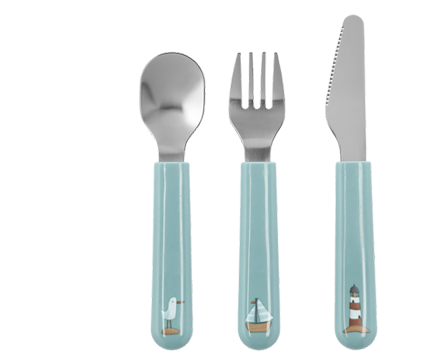
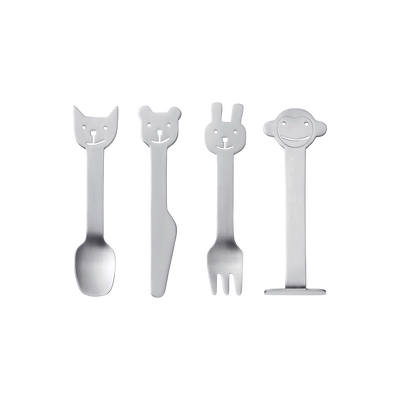
Children often forget all about the spoon placed in front of them. For that reason, cutlery with animal motifs or familiar figures can make eating with a spoon feel more engaging. When you compare products on a webshop, this is one of the details that can help narrow the choice once you have already selected the right size and material.
Encourage your child to use the spoon
It is important not to show irritation if your child spills food. That can discourage them from using cutlery and have the opposite effect to what you want. For most situations, it helps to focus first on manageable shapes and then on the design details that make your child want to keep trying.
What cutlery does a baby need?
Kitchen Living Dining has a broad selection of cutlery for both everyday meals and more festive table settings. Alongside adult options such as cutlery sets, this category brings together baby tableware and cutlery for younger users.
Below, you can see what to consider when choosing baby cutlery and how to move from broad choices to a more specific selection.
Size and shape
Choose a narrow feeding spoon with a flat tip and without a deep bowl. If the spoon is soft, that is an added advantage, because it will not feel as hard against a baby's gums.
A baby spoon should be narrow because a baby's mouth is small. It should also have a flat tip, because a baby has not yet learned how to move food from a deep spoon into the mouth. When comparing products online, size and spoon shape are often the first points that help you sort the selection.
When a baby is between 4 and 6 months old, there is more room in the mouth, and the jaw and tongue gain more freedom of movement as chewing movements begin to develop. If you are looking across categories for pieces used later at the table as well, you may also want to see complementary options such as serving utensils, salad cutlery and cake forks and servers.
Material
When it comes to material, the most important thing is that the spoon feels comfortable in the mouth.
Children's cutlery in stainless steel is a good option for older children who have better control of their motor skills, but for babies it can feel uncomfortable in the mouth because it is cold and hard.
Choose plastic that is free from harmful substances or bamboo. Both are softer options for a baby's first cutlery. As children become more confident and move on to more defined place settings, some families also compare children's pieces with adult categories such as steak cutlery to understand the difference in size, weight and use.
Children's cutlery as a personal and popular gift idea
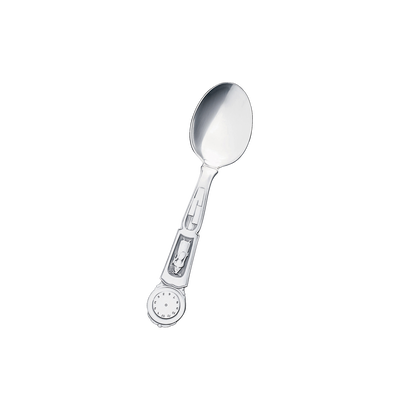
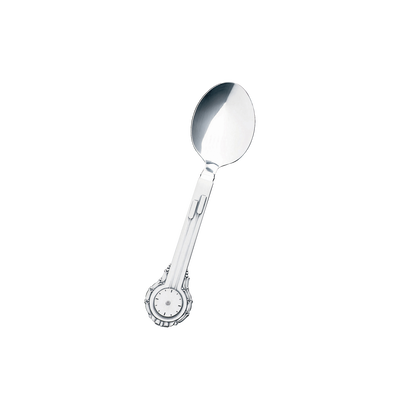
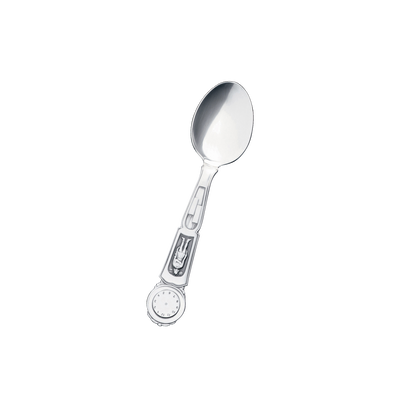
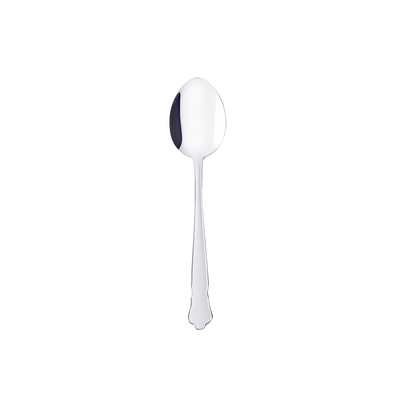
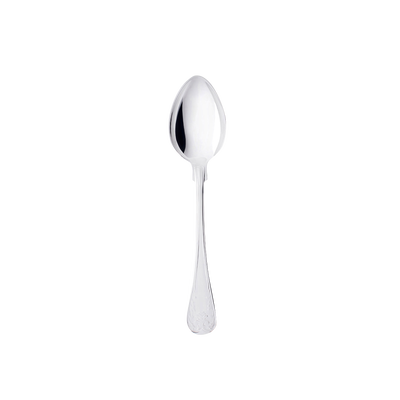
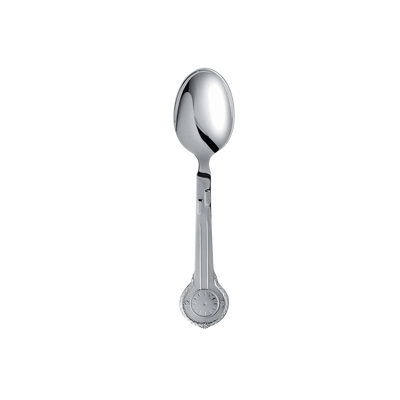
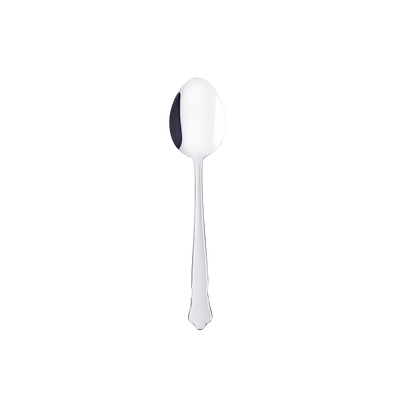
Children's cutlery can be a personal and popular gift idea for a christening, a newborn gift or a birthday gift. It is a type of gift that can be appreciated by both child and parents. A classic christening spoon in silver can also follow the child through life.
Some christening spoons can be engraved with the child's name, date of birth, time, length and weight, which makes the gift more personal.
At Kitchen Living Dining, the selection includes children's tableware as well as children's cutlery in stainless steel and other variants and colours. When browsing this category, a practical way to choose is to start with the child's age and coordination, then compare the shape of the spoon or fork, and finally look at the material and design.
The range includes brands such as Gense and Mepal, which are recognised names in the field. Gense children's cutlery is characterised by Swedish minimalism that is easy to combine with many table settings, while Mepal offers children's knives and baby forks with comfortable grips.
That makes this category useful whether you are looking for first cutlery for a baby, junior pieces for a child learning to eat independently, or a more personal gift option. By comparing size, shape, material and design step by step, it becomes easier to find the right Children's Cutlery for the specific stage and purpose.
Frequently asked questions
When can a child start using cutlery?
It is common to start introducing a spoon or fork at around 9 to 10 months, although some children begin picking up food with a fork from about six months. In everyday use, this means that early attempts may still involve a lot of hand-feeding while the child gets used to the shape and movement of the cutlery.
What cutlery does a baby need first?
A baby's first spoon is usually narrow, with a flat tip and a shallow shape. In practice, this helps a small mouth handle food more easily, because babies have not yet learned to move food from a deeper spoon into the mouth.
Which material is best for first children's cutlery?
For very young babies, softer materials such as plastic free from harmful substances or bamboo are often more comfortable than stainless steel. This makes it easier to introduce cutlery gently, as stainless steel can feel cold and hard in a baby's mouth.
When does stainless steel children's cutlery make sense?
Stainless steel can be a suitable option for older children who have better motor control and can manage the weight and feel more confidently. In everyday use, this means it is often better suited to later stages rather than a baby's very first spoon.
How do I choose children's cutlery on a webshop?
A practical way to choose is to start with the child's age and coordination, then compare size and shape, and finally look at material and design. In practice, this helps you move from broad filtered choices to narrower options that match the stage your child is at.
Why do size and shape matter so much for children's cutlery?
Size and shape affect how easily a child can hold the cutlery and how comfortably it fits in the mouth. This makes it easier to compare products online, because these are often the first details that help you sort between more specific selections.
How can I help my child learn to use a spoon on their own?
One simple approach is to use two spoons, one for you and one for your child, while showing how the spoon goes to the mouth. In practice, this helps your child copy the movement at their own pace without interrupting the meal completely.
What makes mealtimes easier when a child is learning to eat independently?
Mess is very common while motor skills are still developing, so a wipe-clean tablecloth under the high chair and a placemat on the table can make clearing up easier. In everyday use, this means you can focus more on helping your child practise with cutlery and less on the cleaning afterwards.