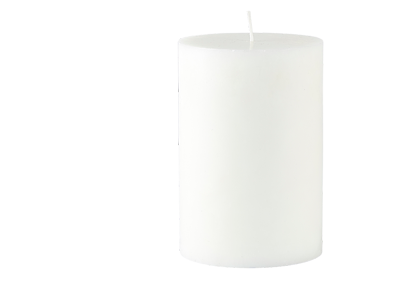
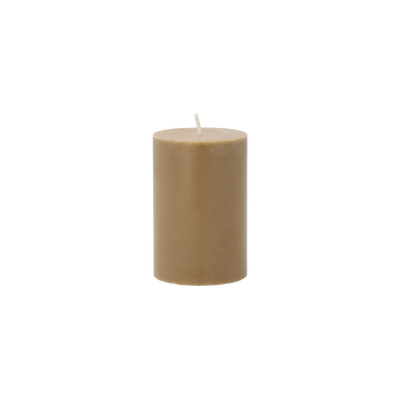
Save 30%
What are candles made of?
As the name suggests, many candles are made from stearin. They can also be made from paraffin, vegetable wax or oils such as rapeseed, soy and palm, beeswax, gel, or a blend of different materials. When browsing this category, it can therefore be helpful to start with the candle type you need, such as pillar candles, tealights, Advent candles or taper candles, and then look more closely at the material and design.
A practical way to choose is to begin with the role the candle will play in your home. Some people look for classic white candles for a simple expression, while others want decorative calendar or Advent candles with motifs. The category helps you move from broad choices to more specific ones, so you can compare shape, size and style within the same type of candle.
Advantages and disadvantages of candles
Real candles spread light, warmth and a cosy atmosphere. This is especially associated with December, when calendar candles or Advent candles are burned down day by day. For many, that makes this type of candle a distinct part of seasonal decorating, while classic candles can also be used throughout the year.
At the same time, real candles are generally not good for you or for the indoor climate in your home because they produce soot and release particles into the air. Soy and rapeseed candles are better alternatives to stearin candles because these materials have a lower melting point. Several studies show that candles made from vegetable wax release fewer particles than candles made from stearin, paraffin and similar materials.
If you want an alternative to traditional candles, you can also explore LED lamps and lights. They do not give exactly the same feeling as real candles, but they are a better choice for you and the indoor climate in your home. With LED lights, you also do not need to worry about forgetting a lit candle or spilling wax.
If you are looking at candles as part of a wider interior setup, you can also continue to the broader home decor range or explore more options in lighting. That can make it easier to compare candles with other light sources and decide what suits each room or setting.
Decorate your home with candles
Candles can be arranged in small groups around the home to create a warm and inviting look. Pillar candles work well when you want a fuller visual expression, while taper candles and tealights are often chosen when you want to vary height and scale. Scented candles can also be part of the overall selection if you want to compare different ways of adding atmosphere to a room.
Christmas is a special time for many and also the time of year when most candles are lit. Calendar candles and Advent candles are a natural choice if you want to mark the days leading up to Christmas, while classic white candles offer a more traditional look. Some shoppers begin with seasonal candles and then compare them with simpler everyday options to find the right balance between decoration and function.
If you enjoy creative decorating, a calendar candle or four Advent candles can also be used in a festive arrangement. In everyday use, this category makes it easier to narrow your choice from occasion to candle type and then to the final design. That is useful whether you are comparing simple white candles with more decorative versions or choosing between small and large pillar candles.
If you are building a broader lighting scheme in your home, candles can be combined with other forms of lighting. You can compare them with table lamps, floor lamps, wall lamps, pendant lamps and string lights. Looking across these categories can help you decide when you want the soft look of candles and when another light source is a better match.
How do you remove candle wax?
Most people have had wax spilled on a tablecloth or tabletop and then needed a practical way to remove it. With the right method, wax can be removed from hard surfaces such as tables and window sills as well as from textiles such as tablecloths and clothing. The best approach depends on the surface, so it helps to separate hard materials from fabric before you start.
How do you remove wax from hard surfaces?
You need to be careful when removing wax from tabletops and window sills. Let the wax dry completely before you begin. The best way to remove wax from a hard surface is with a fingernail. Sharp objects can scratch the surface, so knives, razor blades and similar tools are not recommended for this job.
If a fingernail is not enough, the surface can be washed afterwards. For a wooden table, a mixture of 1 dl soap flakes and 2 l water is recommended. If the surface is stone or laminate, a mixture of 1/2 dl washing-up liquid and 2 dl water is the better option. If one wash is not enough, the surface can be washed again.
How do you remove wax from a tablecloth?
The following method can be used to remove wax from a tablecloth. It can also be used if you get wax on clothing.
First, let the wax dry completely and remove it carefully with a knife or a spoon. Then place the tablecloth on an ironing board with the stain facing up and kitchen paper above and below the fabric. Set the iron to the temperature that matches the material of the tablecloth, and iron the stain briefly. The kitchen paper absorbs the wax as it is heated. Replace the paper and repeat the process until the stain is gone. If the mark has not disappeared completely, you can apply stain remover or washing-up liquid and wash the tablecloth according to the care instructions.
Find more lighting for your home
Candles are one part of a wider lighting range, and many shoppers compare them with other categories before making a final choice. If you are planning lighting for different rooms, it can be helpful to start with candles for atmosphere and then look at other products for more general illumination. This makes the webshop easier to navigate, especially when you want to move from decorative lighting to more functional solutions.
For example, you can use this candles category as a starting point and then continue into the wider lighting selection to compare different types of lamps and lights. That way, you can see how candles fit alongside other options in the home and make a more informed choice based on room, mood and purpose.
Frequently asked questions
What are candles usually made of?
Candles can be made from stearin, paraffin, vegetable wax, oils such as rapeseed, soy and palm, beeswax, gel, or a blend of materials. In everyday use, this means that two candles that look similar may still differ in what they are made from, so it helps to check the material after choosing the candle type you need.
How do I choose the right type of candle for my home?
A practical way to choose is to start with the role the candle will play, such as everyday decoration, seasonal use or a specific arrangement. In practice, this helps you narrow your options from pillar candles, tealights, Advent candles or taper candles to the size, material and design that suit your space.
Are some candles better for indoor air than others?
The category content explains that real candles produce soot and release particles into the air, so they are generally not considered good for the indoor climate. It also notes that soy and rapeseed candles are better alternatives to stearin candles, and several studies show that vegetable wax candles release fewer particles. In everyday use, this means material choice can matter if you are comparing candles for home use.
What can I use instead of traditional candles?
If you want an alternative, LED lamps and lights are presented as another option. In practice, this helps you choose a light source that avoids concerns such as forgetting a lit candle or spilling wax, even though the atmosphere is not exactly the same as with real candles.
How can I decorate with candles at home?
Candles can be arranged in small groups to create a warm and inviting look, with pillar candles giving a fuller expression and taper candles or tealights helping vary height and scale. This makes it easier to build a simple display, whether you want classic white candles for everyday use or seasonal candles for Christmas.
How do I remove candle wax from a hard surface?
Let the wax dry completely before removing it, then lift it off carefully with a fingernail rather than a sharp tool. In practice, this helps you avoid scratching the surface. If needed, wash the area afterwards with a suitable cleaning mixture depending on whether the surface is wood, stone or laminate.
How do I remove candle wax from a tablecloth or clothing?
First let the wax dry, then remove it carefully with a knife or spoon. Place kitchen paper above and below the fabric and iron briefly at a temperature that matches the material, so the paper absorbs the wax. This makes it easier to lift the wax out of the fabric before using stain remover or washing according to the care instructions if needed.
How can I compare candles with other lighting for my home?
Candles are one part of a wider lighting setup and can be compared with table lamps, floor lamps, wall lamps, pendant lamps and string lights. In everyday use, this helps you decide when candles are best for atmosphere and when another type of lighting is better suited to general illumination in a room.