


Set the table with care and attention
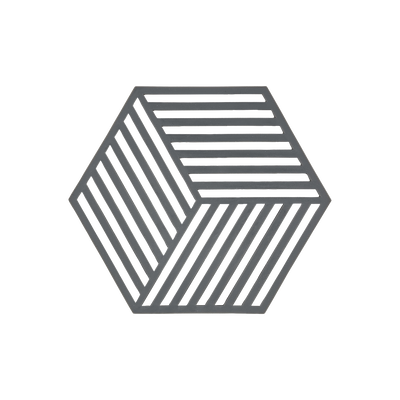
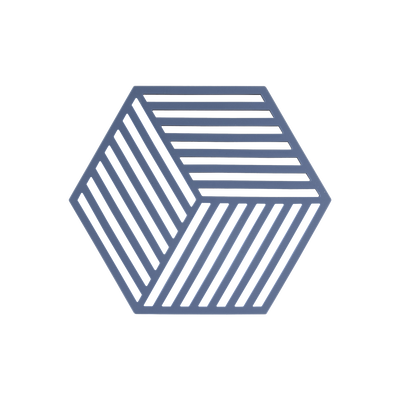
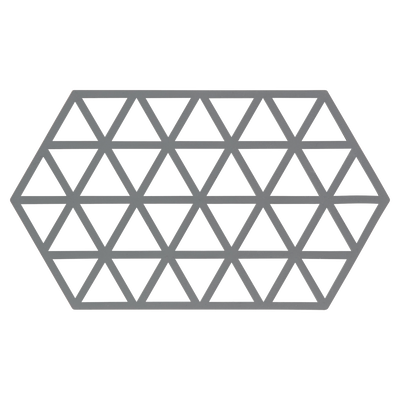
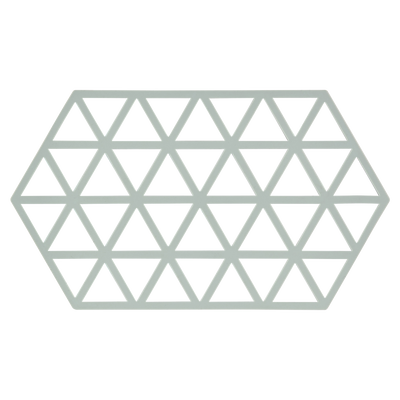
If you have a delicate dining table, it makes sense to protect it well. A trivet is a simple way to place hot dishes, bowls and pots on the table without exposing the surface directly to heat.
You can also build your table setting step by step with other protective and decorative pieces. Alongside a tablecloth, many people also use placemats to frame each place setting. For serving, trivets can then be added where hot cookware or oven dishes need to be placed.
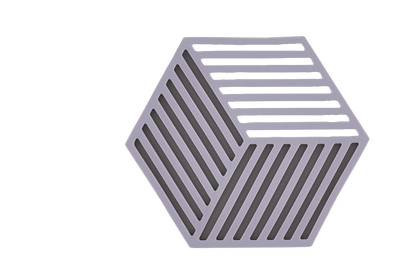
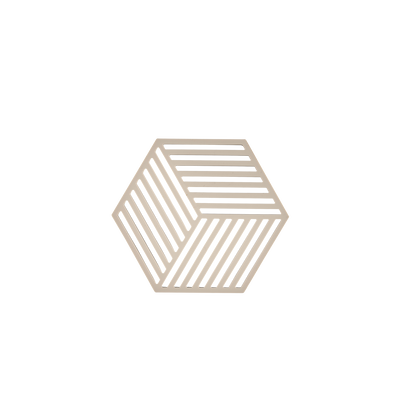
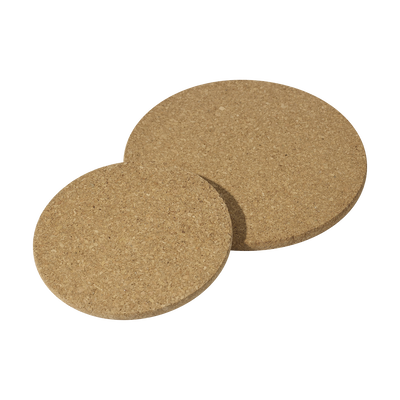
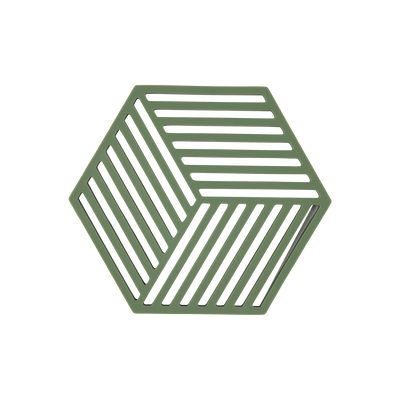
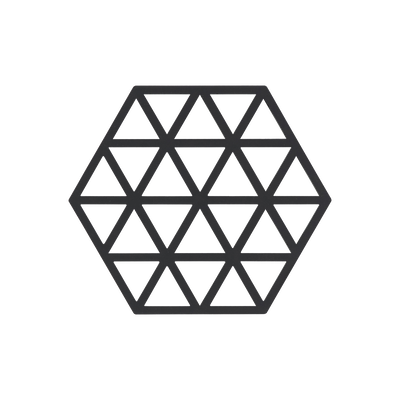
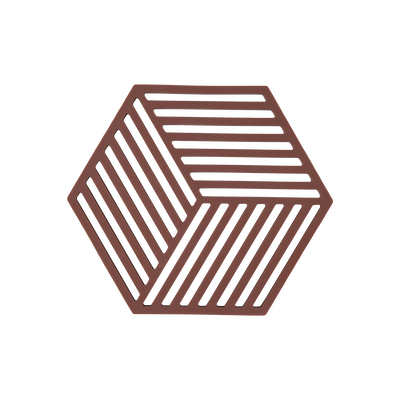
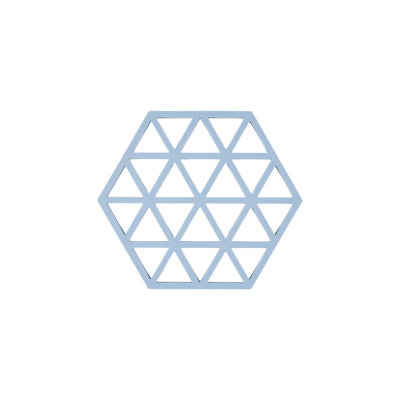
When you compare trivets, one of the main differences is the material. A wooden trivet gives one expression, while a silicone trivet gives another. Cork, metal and cast iron also create different looks on the table, so the choice is not only about protection but also about how you want the table to look.
If you are already choosing items for cooking and serving, it can also help to think about what will be placed under your cookware when it reaches the table. Trivets make it easier to serve directly from pots and dishes without overlooking the surface underneath.
Make more of the meal
Meals are not only about the food itself. How food is presented on the table also affects the overall impression. That is why table setting accessories are often chosen with just as much care as plates and serving pieces.
If you want to make everyday dinners feel a little more considered, or if you are setting the table for guests, a practical way to choose is to begin with the overall setting and then add the smaller details. You can start by exploring the wider table setting range and then narrow your choice to the accessories that support the way you serve meals.
Within table accessories, trivets sit naturally alongside other useful table details. For example, you may want to combine them with napkins and napkin holders if you are aiming for a more complete setting.
Some tables are kept very simple, while others include more decorative elements. If you prefer to build a coordinated look, you can also browse related categories such as salt and pepper sets, trays and serving and tapas boards. This makes it easier to move from large serving pieces to smaller finishing touches.
How to compare trivets on this page
When shopping online, it helps to compare trivets by a few clear points rather than by appearance alone. Material is often the first place to start. Wood, silicone, cork and metal each bring a different character to the table, and many shoppers begin by choosing the material that best suits the rest of their tableware.
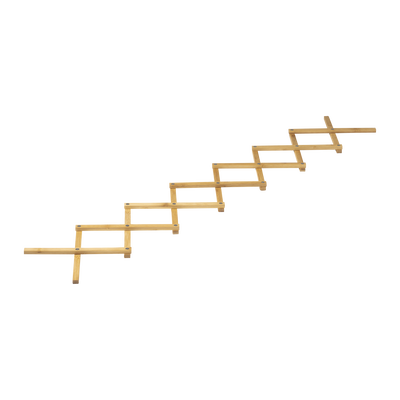
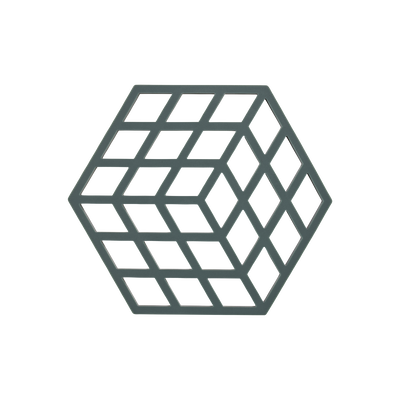
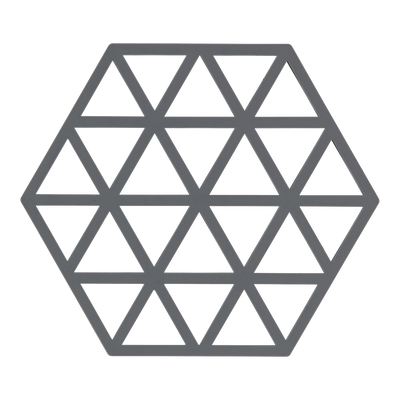
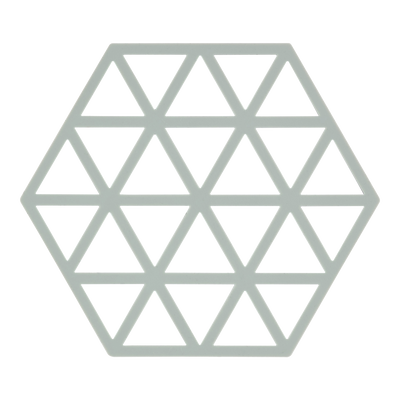
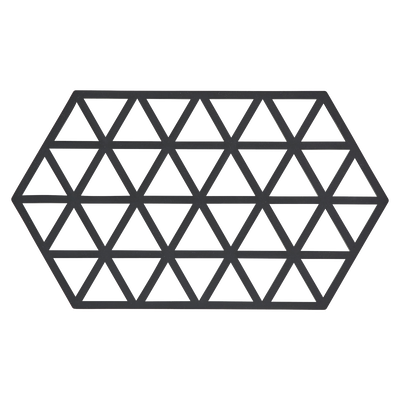
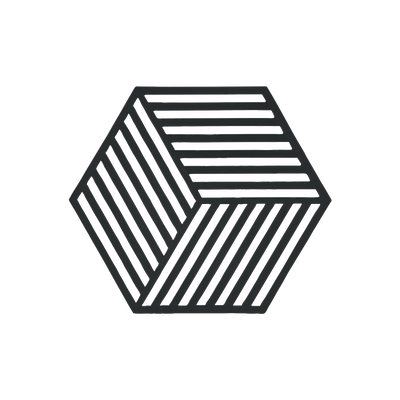
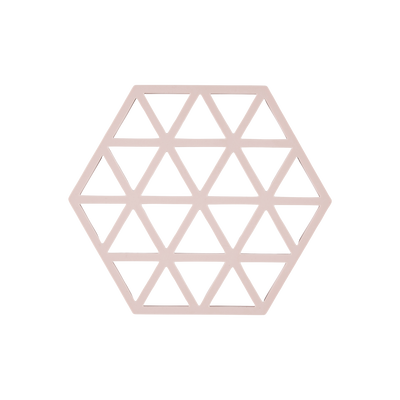
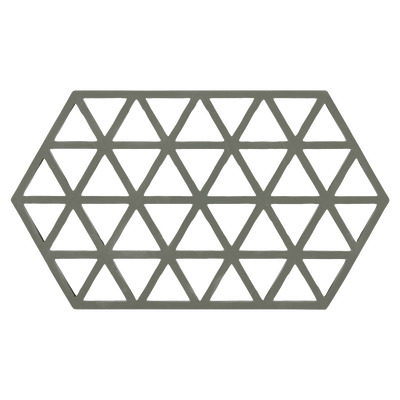
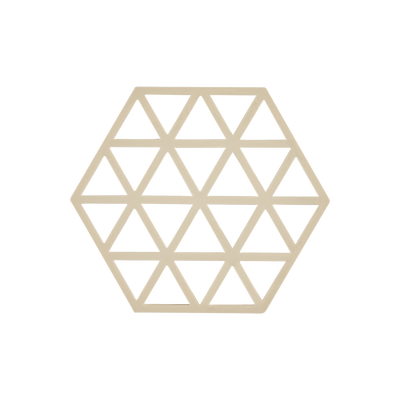
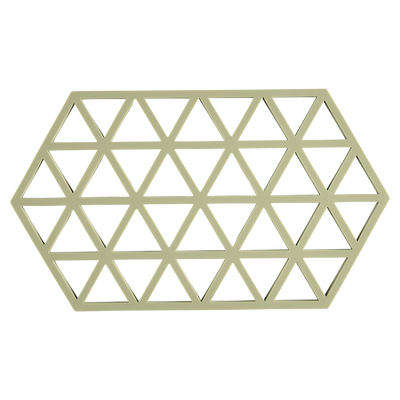
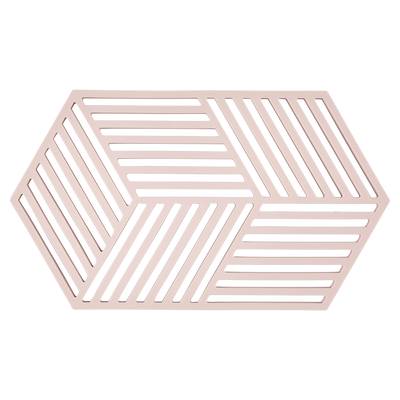
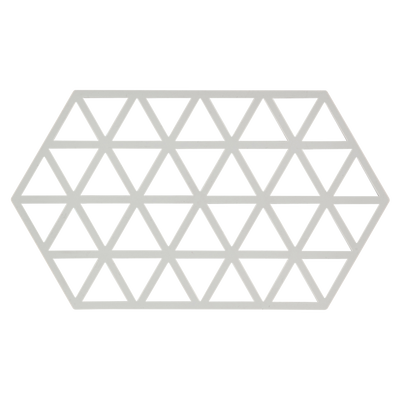
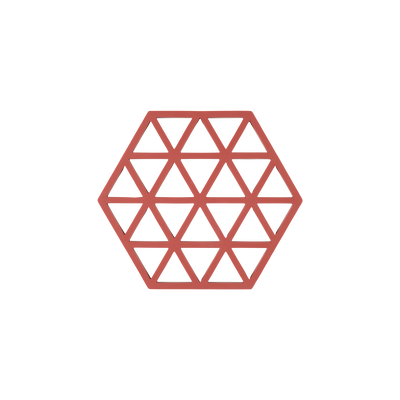
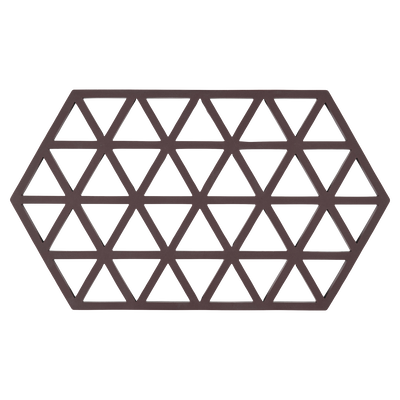
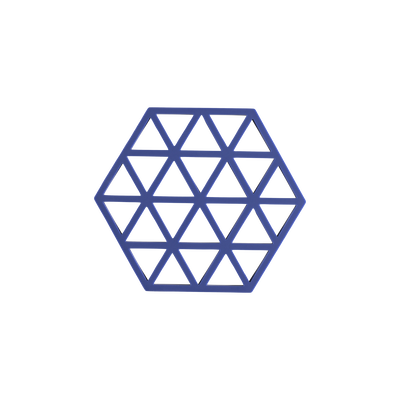
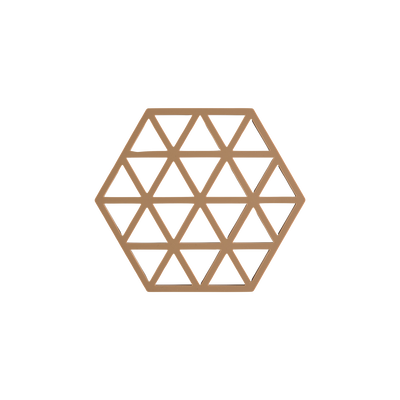
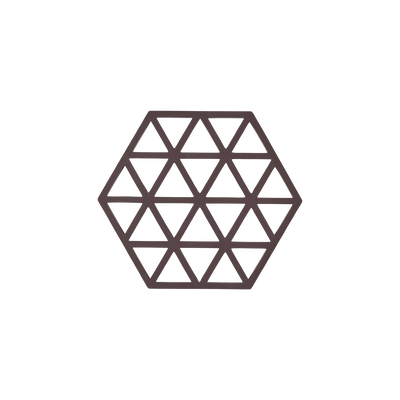
Shape is another useful point of comparison. Some trivets have a more classic round look, while others are more angular. There are also extendable designs, which can be useful when you want a trivet that adapts to different dishes. Looking across shapes can help you decide whether you want the trivet to stand out visually or blend in with the table.
Style also matters when the trivet is left visible during the meal. Some people prefer a natural look in cork or wood, while others want a more defined expression in silicone or cast iron. On a webshop category page, this is often where browsing becomes easier. You move from the broad purpose of protecting the table to the more specific question of which look fits your setting.
If you usually serve food directly in cookware or oven dishes, comparing several trivets side by side helps you understand which styles suit your way of serving. If the table often includes several warm dishes at once, looking through the full selection can also make it easier to choose matching pieces.
Build your table setting around the details
Trivets are often one part of a wider table arrangement. Once you have chosen the pieces that protect the table, you can continue with accessories that support serving and presentation. For bread at the table, many people also look at bread baskets. For breakfasts, brunch tables or lighter meals, egg cups may be a relevant addition.
If you are setting the table for a specific occasion, details can change the overall expression. That could mean adding flags to mark the occasion, or choosing accessories that feel more classic or understated depending on the table you want to create.
Looking across related categories can be helpful because it mirrors how many people actually shop for tableware online. You may begin with a single need, such as a trivet for hot dishes, and then continue to the accessories that complete the table. Category pages support that process by letting you compare both similar products and natural companion items in one place.
A wide selection of table accessories
There is no single way to set a table, and the same applies to trivets. Some prefer simple and discreet designs, while others choose pieces that add more character to the table. That is why it helps to have a selection that includes different materials, shapes and expressions rather than only one style.
On this page, you can focus specifically on trivets, but they are part of a broader range of table accessories. If you are refining your overall setting, related accessories can help you create a more considered whole without losing sight of the practical side of serving and dining.
For most situations, the easiest way to choose is to start with function and then narrow down by style. First, consider what needs protecting on the table and what you typically place there when serving. Then compare the appearance of the different trivets and decide whether you want something natural, classic or more defined in its look.
That way, the category works both as a practical overview and as a place to compare details. Whether you are looking for a simple trivet for daily meals or exploring other pieces to complete your setting, this page makes it easier to move from general browsing to a more specific choice.
Frequently asked questions
What is a trivet used for?
A trivet is used to place hot dishes, bowls and pots on the table without exposing the surface directly to heat. In everyday use, this means that you can serve food straight from cookware or oven dishes while helping to protect a delicate table.
How do I choose between different trivet materials?
One of the main things to compare is material, as wood, silicone, cork, metal and cast iron all create different looks on the table. In practice, this helps you choose a trivet that both suits your table setting and supports the way you want to serve meals.
Does the shape of a trivet make a difference?
Yes, shape can be a useful point of comparison when choosing between trivets. Some have a classic round look, others are more angular, and some are extendable, which makes it easier to adapt the trivet to different dishes.
How can I compare trivets when shopping online?
A practical way to compare trivets online is to start with clear points such as material, shape and overall style rather than appearance alone. This makes it easier to move from broad browsing to narrower options that suit your tableware and serving habits.
Should I choose a trivet for function or appearance first?
A useful approach is to begin with function and then narrow down by style. In everyday use, this means thinking first about what needs protecting on the table and what you usually place there, then choosing the look that fits your setting.
Can trivets be part of a coordinated table setting?
Yes, trivets can be used as part of a wider table arrangement alongside items such as placemats, napkins, napkin holders, trays and serving boards. In practice, this helps you build a more consistent table setting while keeping the practical side of serving in mind.
Why might I choose more than one trivet?
If you often serve several warm dishes at the same time, looking at multiple trivets can be useful. This makes it easier to choose matching pieces and prepare the table for the way you normally serve meals.
What should I look for if I want a trivet that blends in or stands out?
Style plays a bigger role when the trivet stays visible during the meal. In practice, this means natural materials such as cork or wood may suit a softer look, while silicone or cast iron can give a more defined expression on the table.