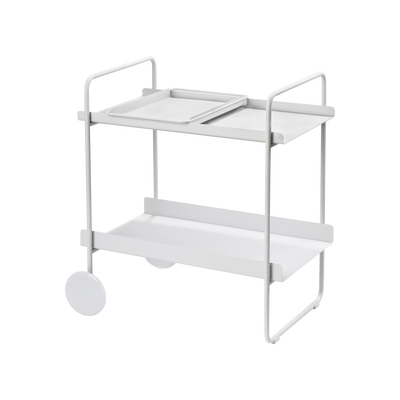
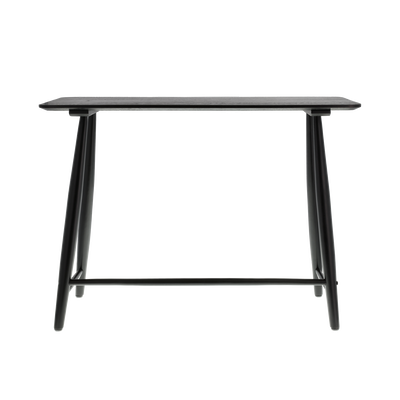
Save 30%
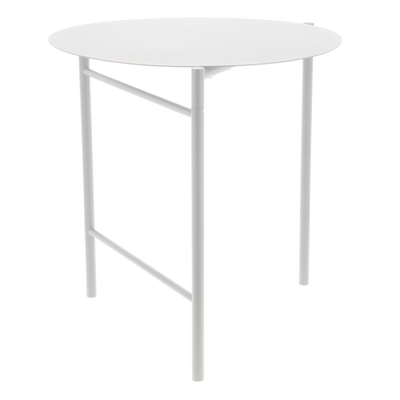
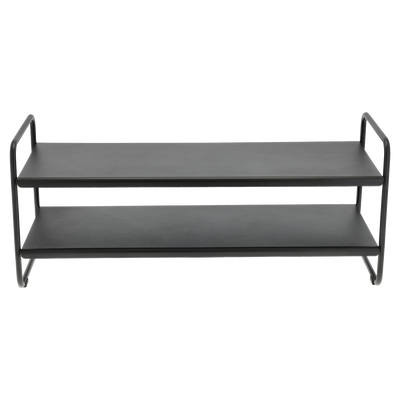
Save 30%
Furniture is at the heart of home décor
When furnishing a home, many people want it to reflect their personality so that it feels comfortable and personal. Furniture plays a central role in that process because it shapes both the look of a room and how it works in everyday use. Some pieces are chosen for display, while others are used again and again throughout the day.
There are many ways to furnish a home, and the right choice depends on what feels right for you. When you browse furniture online, it helps to move from broad decisions to more specific ones. You might begin with the room you want to furnish, then consider whether you need seating, a surface, or storage and display. From there, it becomes easier to compare shapes, materials and functions within each furniture type.
A practical way to choose is to trust your first impression while also considering how the piece will be used. Furniture often stays in the home for many years, so it makes sense to choose pieces you enjoy looking at and using over time. On this page, you can explore the category as part of the wider Kitchen Living Dining universe, or continue into the broader home décor selection if you want to combine furniture with other parts of the interior.
Fill your home with practical and well-chosen furniture
Kitchen Living Dining has furniture designed to be part of a modern home. The selection makes it easier to compare different types of furniture depending on what you need the piece to do and how you want it to fit into your décor. Some shoppers start with a specific product in mind, while others use the category to get an overview before narrowing their choice.
Below, you can explore some of the furniture types available in the category and see how each one supports a different part of the home.
Tables
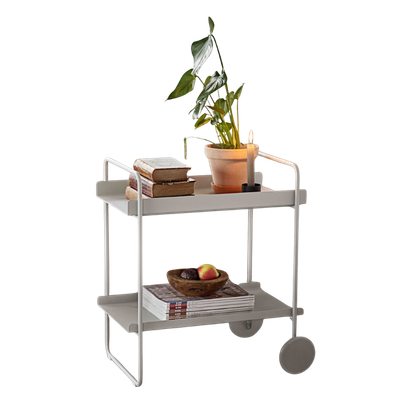
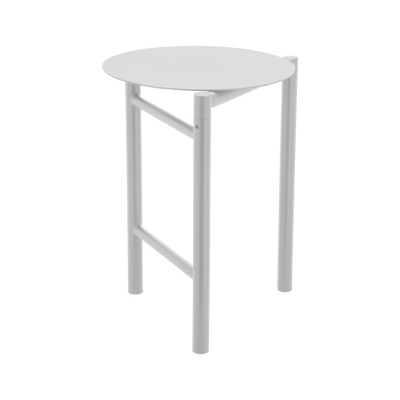
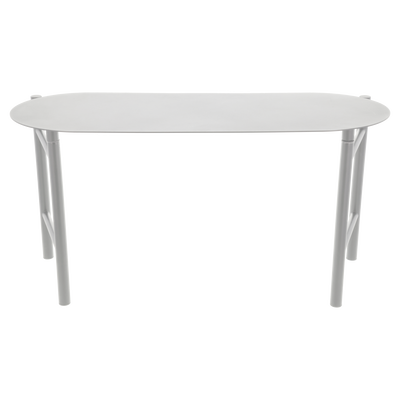
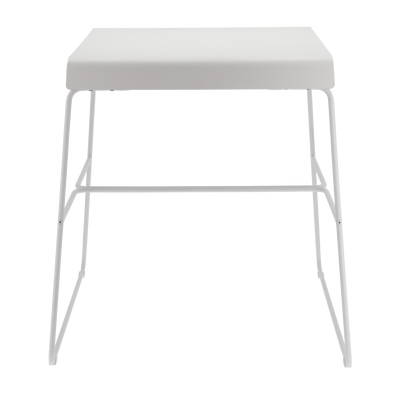
Tables cover several everyday needs in the home. The range includes nesting tables, bedside tables, side tables, coffee tables and desks. These types differ mainly in placement and function, which makes comparison easier when you know where the table will be used. A bedside table is chosen for the area next to the bed, a coffee table is placed by the sofa, and a desk is intended for a work area. Nesting tables can be useful when you want flexible surfaces, while side tables work well where you need a smaller table in the room. Materials such as wood and metal also help define the overall look.
Benches and stools
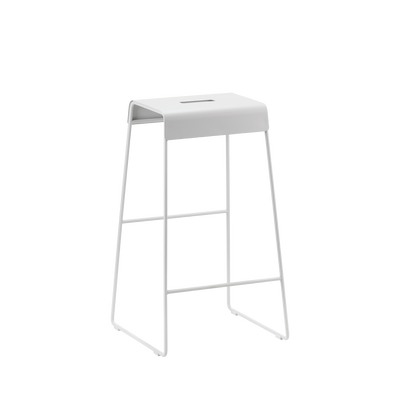
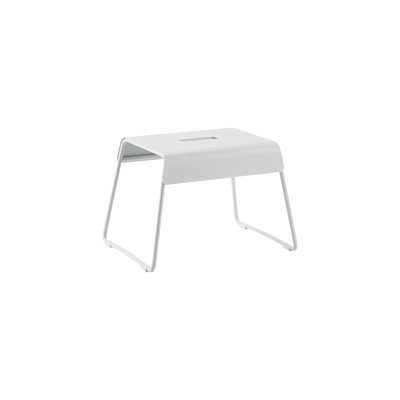
Benches and stools add extra seating in the home and can be placed in many different rooms. They are a practical choice when you want a seat that is easy to place and simple to move as needed. In an entrance hall, for example, a bench or stool can provide a place to sit while putting on shoes before going out. When comparing this type of furniture, it helps to think first about placement, then about whether you prefer the longer form of a bench or the compact format of a stool.
Shelves and shelving
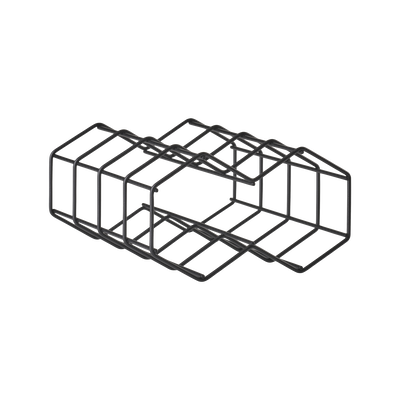
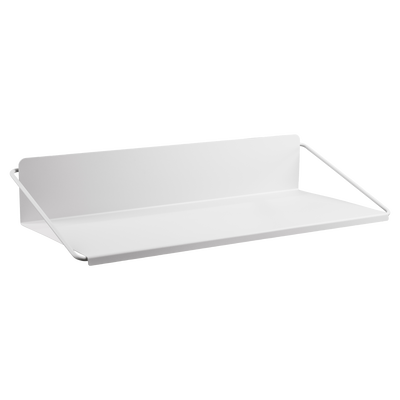
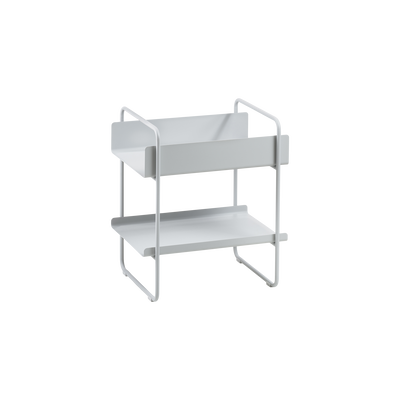
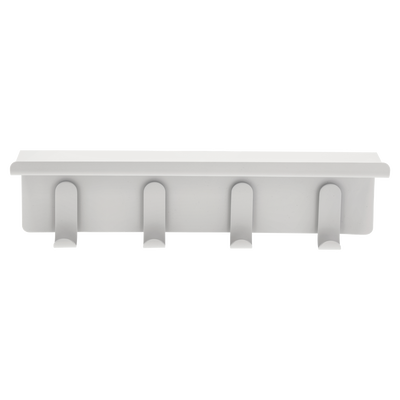
Shelves and shelving make it easy to display and organise items such as wine bottles, ornaments, souvenirs and books. They support both storage and presentation, which is often an important part of furnishing a room. A wine rack keeps bottles together, shelving gives easy access to books, and a wall shelf can highlight ceramics and other decorative objects. If you are exploring this part of the category, a useful approach is to decide whether your focus is mainly display, storage or a balance of both.
Chairs
Your choice of chairs has a strong effect on the style direction of a room. Chairs are often among the most visible furniture pieces in the home, and they are also used frequently, so both appearance and function matter. Some shoppers begin with the visual expression they want, while others start with where the chairs will be placed. Looking at chairs as a separate category helps you compare different options more clearly and choose a style that works with the rest of your interior.
Across the category, you can find furniture for different parts of the home, from the entrance area to the office. If you are comparing several furniture types at once, it often helps to begin with the most important function in the room and then add supporting pieces around it. For example, a table may become the main piece, followed by chairs, shelving or smaller seating. This way of browsing makes the category easier to navigate and gives a clearer basis for decision-making.
Find furniture as part of a wider home selection
Furniture is often only one part of furnishing a home, and many shoppers look across related categories before making a final choice. If you want to build on your furniture selection, you can continue into decor and interior for finishing details, or explore lighting to see how lamps and furniture work together in a room. For softer elements around the furniture, home textiles offer another natural step.
Other related categories can also help when you are furnishing specific parts of the home. You can look at bathroom accessories for the bathroom, children for products for children's spaces, home care for items related to home maintenance, and home gadgets for practical additions around the home.
When browsing a webshop, it is often useful to move between furniture and related categories in this way. Furniture sets the structure of a room, while lighting, textiles and decorative details help complete it. By comparing categories step by step, you get a better overview of what you already have and what is still missing.
Whether you are looking for a table, extra seating, shelving or chairs, this category brings those choices together in one place. That makes it easier to compare furniture by function, placement and style, and then continue into related home categories when you want to complete the overall interior.
Frequently asked questions
How do I choose furniture for a room?
A useful way to choose furniture is to start with the room you want to furnish and then think about what you need there, such as seating, a surface, or storage and display. In practice, this helps you move from broad ideas to narrower options and compare pieces by function, shape and material.
What should I look at when comparing different types of tables?
It helps to begin with where the table will be used, because bedside tables, coffee tables, desks, side tables and nesting tables are mainly separated by placement and function. In everyday use, this means that you can compare tables more clearly once you know whether you need a surface by the bed, next to a sofa, or in a work area.
How do I decide between a bench and a stool?
A practical starting point is to think about where the seat will go and how much space you have available. In practice, this helps you choose between the longer form of a bench and the more compact format of a stool, for example in an entrance hall where you may want somewhere to sit while putting on shoes.
What is the best way to choose shelves and shelving?
It is helpful to decide whether your main aim is display, storage, or a balance of both. This makes it easier to compare options such as wine racks, wall shelves and shelving, depending on whether you want to organise bottles, keep books accessible, or highlight decorative objects.
Why do chairs have such a big effect on a room?
Chairs are often among the most visible furniture pieces in a home, and they are also used frequently, so both appearance and function matter. In everyday use, this means that choosing chairs is not only about style, but also about how they work in the room where they will be placed.
How can I browse furniture online without feeling overwhelmed?
It often helps to move from general choices to more specific selections rather than looking at everything at once. In practice, this helps you start with the room, then the main function, and finally compare filtered choices such as tables, chairs, shelving, benches or stools.
How do I combine furniture with other parts of the interior?
Furniture often provides the structure of a room, while lighting, textiles and decorative details help complete the overall look. This makes it easier to browse step by step, so you can first choose the main furniture pieces and then add related elements that suit the space.
What is a practical order for choosing several furniture pieces at once?
A useful approach is to begin with the most important function in the room and choose the main piece first. In practice, this helps you build around that item with supporting pieces such as chairs, shelving or smaller seating, which gives a clearer overview when comparing options.