
Which stock pot should I choose?
If you already know what kind of soup or slow-cooked dish you want to make, the next step is usually choosing the right size and type of stock pot. That is often where the decision becomes less straightforward.
A practical way to choose is to start with the basics: capacity, material and whether the pot comes with a lid. When you compare these points first, it becomes easier to sort through the category and focus on the models that suit your cooking. A stock pot is also the kind of cookware many people keep for a long time, so it helps to choose with everyday use in mind.
How large should a stock pot be?
A stock pot can hardly be too large when you are cooking soup. Meat and vegetables are often cut into larger pieces, so extra room in the pot makes preparation and simmering easier. A bigger pot also helps when you want to cook for several people or keep leftovers for another day.
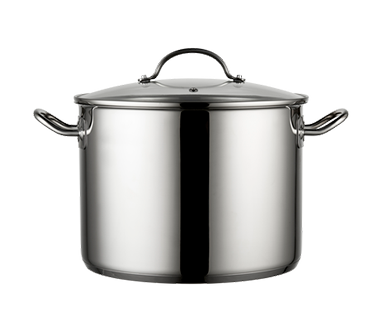
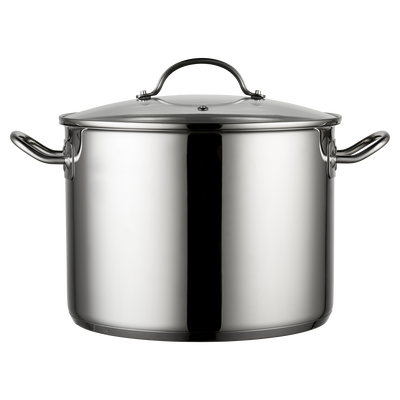
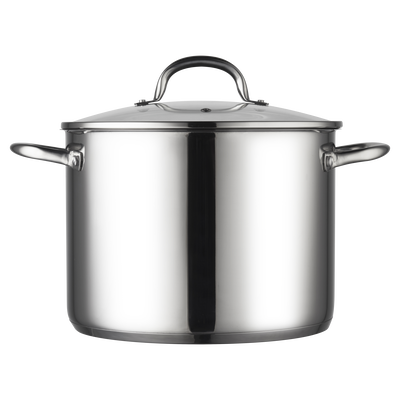
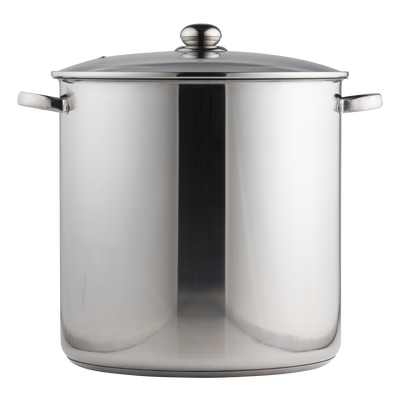
In this category, you can find stock pots in several sizes, including 10 litres, 12 litres, 14.5 litres, 17.2 litres and 30 litres. Looking at capacity first is often the simplest way to move from a broad overview to a more useful shortlist. If you usually make large batches, the larger sizes give you the space you need. If you want a pot mainly for regular soup cooking, a mid-sized option may be easier to manage.
If you want to compare this category with other types of cookware, you can also browse the wider selection of pots and pans or go directly to the full range of pots.
What material should my stock pot be made from?
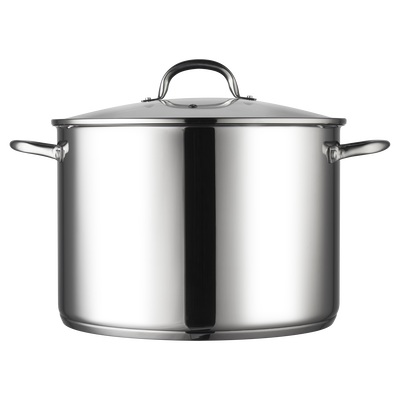
A stock pot needs to handle many hours on the hob, so material matters. Here, the range focuses on stainless steel. It is a strong material and relatively light, which is useful because a large pot can become heavy when it needs to be moved.
When you compare stock pots online, material is one of the clearest ways to understand how a pot will feel in daily use. Stainless steel is a practical choice if you want a pot that is sturdy without becoming unnecessarily difficult to lift or reposition.
Several stock pots in the range also have a heavy induction base, which helps prevent food from catching too easily when ingredients are browned first. If you are comparing pots for specific hob types, it can also be useful to look at pots for induction cooktops or pots for gas stoves.
Should my stock pot include a lid?
A lid is an essential part of a stock pot. In this selection, the pots come with matching glass lids, which make it easier to follow the cooking as the dish develops. That can be helpful when you want to keep an eye on the liquid level or check how the ingredients are progressing.
The lid helps keep the liquid in the pot, but you can also remove it when you want the soup to reduce and the flavour to become more concentrated. During heating, the lid is especially useful because it helps the pot reach the required temperature faster.
If you are also looking for covers for other cookware, you can explore separate pot lids. This is often a useful next step when you are browsing several pot types at once and want to compare what is included and what can be added separately.
Which pot is best for soup?
A good stock pot distributes heat evenly and retains heat well. For soup, that matters because long cooking times work best when the heat stays steady and controlled. If you are comparing several models, this category helps you focus on the qualities that are most relevant for soups and similar dishes.
Stock pots for induction
When you make soup, induction can be a real advantage. The magnetic heating system brings heat to the pot quickly and makes it easy to adjust the temperature as needed. If you cook large portions, reaching the boil can take much longer without induction.
If you use an induction hob, it is important to choose a stock pot that is suitable for it. The stock pots in this range from Funktion are designed for all heat sources, including induction. If induction compatibility is your main filter, it can be helpful to compare this page with the broader selection of pots for induction cooktops.
Stock pot or another type of pot?
Time is an important factor when you cook rich soups, but a stock pot is the right choice when you want space for larger ingredients and gradual cooking over time. One of the easiest ways to choose is to compare your cooking style with nearby categories rather than looking at one product in isolation.
For most situations, it helps to begin with the pot shape and capacity you need, then narrow the choice by hob compatibility and lid type. If you are exploring alternatives, you may also want to view other specialised pots, such as copper pots, before deciding which category best matches the dishes you prepare most often.
Make flavourful soups and slow-cooked dishes in a stock pot
Stock pots are closely linked with warming soups and winter dishes. Their generous size and steady heat make them well suited to slowly cooking ingredients together so deeper flavours can develop over time. They are also suitable for other simmered dishes, including stews and similar meals that benefit from patient cooking.
1. Start with good ingredients
A good soup starts with a solid base of fresh ingredients and a flavourful stock or broth. Better raw ingredients lead to a better result. If your recipe calls for it, browning ingredients such as onions, garlic and herbs before adding liquid can help bring out fuller flavour and add depth to the finished dish.
2. Pay attention during cooking
Cooking time can vary quite a lot between proteins and vegetables. A little attention during simmering helps you avoid tough meat or vegetables that have become too soft. Rather than keeping the soup at a full boil, gentle simmering over low heat is often easier to control and better suited to long cooking.
3. Finish with texture and balance
Once the soup is ready, toppings such as yoghurt, croutons, seeds or nuts can add texture. You can also adjust the final flavour with salt, freshly ground pepper, fresh herbs, grated parmesan, balsamic vinegar or lemon juice. Salt is best added at the end, since it does not disappear as the soup reduces.
When you browse stock pots online, it often helps to think beyond the pot itself and consider how you cook from start to finish. Some shoppers begin with size, others with hob type, while some first look for a lid or a particular material. This category makes that comparison process easier by gathering the most relevant options in one place and helping you move from broad browsing to a more precise choice.
Find stock pots online at Kitchen Living Dining
This range includes stock pots in both smaller and larger sizes, making it easier to compare options based on the dishes you cook and the quantities you usually prepare. Whether you are looking for a pot for classic soups or other slow-cooked meals, the category gives you a clear overview of the main differences that matter when choosing.
If you want to continue browsing, you can return to the full selection of pots or explore the wider pots and pans range to compare categories side by side.
Frequently asked questions
How do I choose the right size stock pot?
A practical place to start is with capacity, especially if you usually make soup or other slow-cooked dishes in larger batches. In everyday use, this means that a larger pot gives you more room for big pieces of meat and vegetables, while a mid-sized option can be easier to handle for regular cooking.
What size stock pots are available?
The category includes stock pots in several capacities, including 10 litres, 12 litres, 14.5 litres, 17.2 litres and 30 litres. In practice, this helps you compare filtered choices more easily based on how much food you normally cook at one time.
Why does the material of a stock pot matter?
Material matters because a stock pot often stays on the hob for a long time and can become heavy when full. In everyday use, stainless steel is practical because it is strong and relatively light, which makes the pot easier to lift or reposition when needed.
Is a stainless steel stock pot good for everyday cooking?
Stainless steel is presented here as a practical choice for stock pots because it is sturdy without being unnecessarily difficult to manage. This makes it easier to use the pot regularly for soups, stews and other dishes that need longer cooking times.
Should a stock pot come with a lid?
A lid is described as an essential part of a stock pot, and the pots in this range come with matching glass lids. In practice, this helps you keep an eye on the cooking, hold in liquid when needed, and remove the lid later if you want the soup to reduce.
Are stock pots suitable for induction hobs?
The stock pots described in the category are designed for all heat sources, including induction. In everyday use, this means faster heating and easier temperature adjustment, which can be especially helpful when you are cooking large portions of soup.
What makes a stock pot a good choice for soup?
A good stock pot distributes heat evenly and retains heat well, which is useful for long, steady cooking. This makes it easier to simmer soup gently rather than boiling it too hard, so flavours can develop over time.
How can I narrow down the right stock pot online?
A simple way to compare stock pots online is to start with the main points: size, material, hob compatibility and whether a lid is included. In practice, this helps you move from a broad overview to narrower options that fit the way you usually cook.