
Which utensils do I need for homemade pizza?
Homemade pizza is a popular choice, and it can be made in a regular oven, in a pizza oven or on the grill. The main thing to consider is the high heat used when baking pizza. With the right pizza utensils, it becomes easier to work towards a crisp base and crust and to handle the pizza before and after baking.
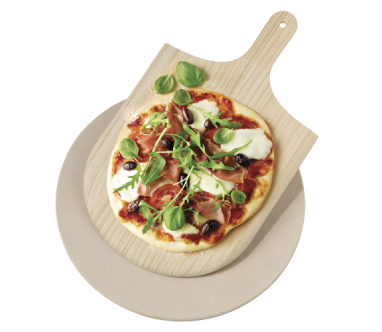
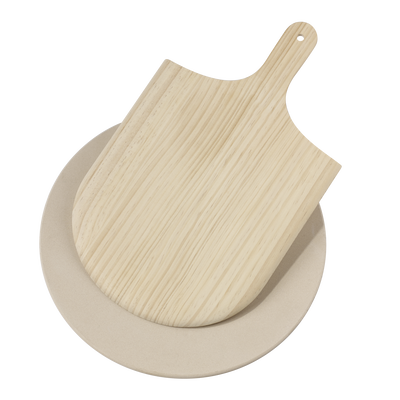
If you often make pizza, a pizza oven can be one option. If that feels like more than you need, a pizza stone is another practical choice that can be used on the grill or in the oven. When comparing tools in this category, many people start by looking at what they need for baking and then move on to the utensils used for handling and serving. You can explore pizza stones and paddles to see tools for getting the pizza in and out safely and for baking on a hot surface.
There are many ways to make homemade pizza. Some prefer a classic version with tomato sauce, Parma ham, rocket and Parmesan, while others choose a white pizza with thin potato slices, rosemary and mozzarella. Whatever style you prefer, the category helps you compare utensils according to where they are used in the process: baking, lifting, cutting and serving.
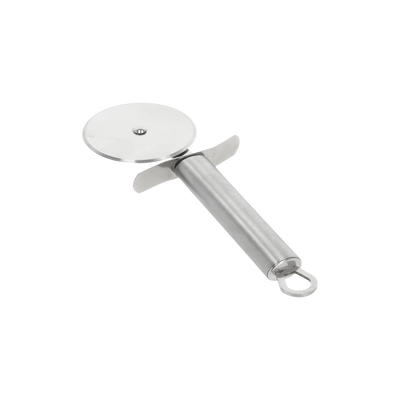
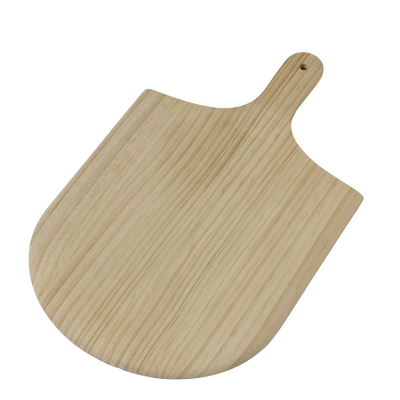
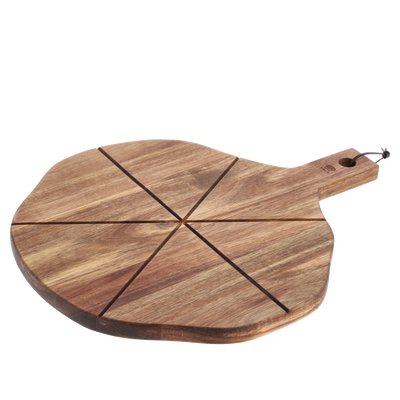
A pizza paddle in wood or metal helps you handle the pizza, and serving it on a board gives you a practical surface at the table. If you are looking for a board for serving or cutting, you can browse chopping boards. To portion the pizza neatly, take a look at pizza cutters, where you can compare tools made for slicing through crust and toppings.
If you want to continue browsing related kitchen categories, you can also move up to the wider selections of kitchenware and kitchen utensils. That can be useful if you are putting together the full set of tools you use alongside pizza and pasta preparation.
Homemade pizza. Simple or more time-consuming
Pizza works both as an everyday meal and as a dish for guests. A practical way to choose your utensils is to think about how you usually make pizza. Some people want a quick setup for busy days, while others prefer a more detailed approach where dough, sauce and baking method all get more attention. Both routes can lead to good results, but they often call for different priorities when selecting tools.
When you need a quick solution
If time is short, pizza can still be straightforward to prepare. Ready-made dough or dough with a short rising time, prepared tomato sauce and toppings you already have can keep the process simple. In this kind of setup, it helps to focus on the utensils that support fast preparation and easy handling. A paddle, a cutter and a suitable surface for serving are often the most relevant starting points.
For everyday use, some shoppers also look at supporting utensils from nearby categories. If you need tools for mixing ingredients, you can browse mixing jugs, and for measuring ingredients for dough, measuring jugs and cups can be useful to compare. If you grate cheese over the finished pizza, graters are a relevant next step.
When you have more time for an Italian-style pizza
If you enjoy spending more time on the cooking, pizza gives you room to work on dough, ingredients and technique. In that case, the tools you choose often matter at several stages. Dough with a long rising time, homemade tomato sauce and a small number of carefully chosen toppings are all part of the approach described in this category. Here it makes sense to look at the full process from preparation to baking and serving.
High heat is important when you want the characteristic air bubbles in the dough and the lightly darkened crust associated with a good pizza. That is why many users compare baking surfaces first and then add handling tools. If you prepare toppings with fresh ingredients, you may also want to browse kitchen knives for slicing and trimming ingredients before baking. For seasoning at the table or during preparation, salt and pepper grinders are another related category.
Some preparations also involve stirring sauces or combining ingredients before topping the pizza. In those cases, cooking spoons, spatulas and whisks can be useful supporting tools to compare alongside pizza utensils.
Which utensils do I need for homemade pasta?
Homemade pasta is not as difficult as it may seem, and the right pasta utensils help make each step clearer. The basic dough is simple and is often made with tipo 00 wheat flour, which is an Italian flour milled very finely. Some recipes use other flours, such as durum wheat flour. Along with flour, eggs and salt are typically included.
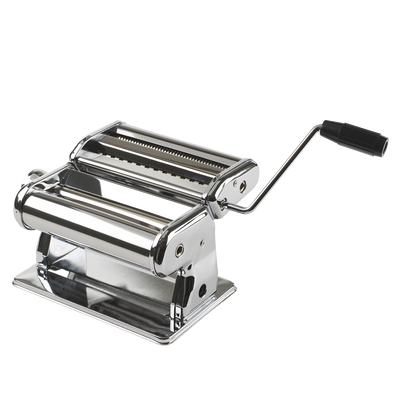
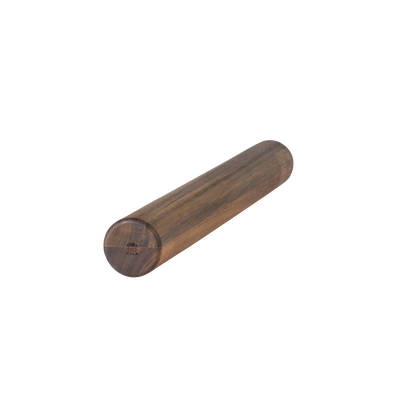
The classic method starts by placing the flour on the work surface, making a well in the centre and adding eggs and salt before mixing with a fork. Once the dough comes together, it is kneaded by hand until smooth, then covered and chilled for at least 30 minutes. After that, the dough is divided and rolled out with a rolling pin or a pasta machine until fine and thin.
At this stage, the category becomes especially useful because you can compare utensils according to the type of pasta you want to make. Some tools are suited to rolling and cutting sheet pasta, while others are made for filled pasta. For ravioli and similar shapes, you can browse ravioli equipment. If your recipe includes draining cooked pasta before combining it with sauce, it can also help to compare colanders, sieves and strainers.
Once the pasta is cooked for a few minutes and mixed with sauce, serving utensils also become relevant. The Danish source highlights using a pasta spoon for transferring the dish to a pasta bowl, so if you want related tools for serving and portioning, take a look at other kitchen utensils. If you are preparing fillings, herbs or spices for pasta dishes, mortar and pestles may also be a relevant category to explore.
For some cooks, timing matters when boiling pasta or baking pizza, and in those cases thermometers and timers can be a useful addition. If you leave dough portions or freshly prepared elements to rest before cooking, cooling racks are another category some users compare while building a broader kitchen setup.
Kitchenware and baking utensils for the full setup
Pizza and pasta utensils are often chosen as part of a wider kitchen selection. Some shoppers arrive here looking for one specific tool, such as a cutter or ravioli utensil, while others are planning a more complete setup for dough preparation, baking, cutting and serving. This category supports both approaches by helping you narrow down the pizza- and pasta-specific tools first and then continue into related categories where needed.
If you are comparing options across several cooking tasks, it can be useful to move between this category and the wider kitchenware sections linked above. That way you can build a practical overview of the utensils used from the first dough preparation to the final serving of pizza or pasta.
Frequently asked questions
Which pizza utensils are the most useful for homemade pizza?
The most useful utensils depend on where you need help in the process: baking, lifting, cutting or serving. In practice, this helps you start with essentials such as a pizza stone or baking surface, a paddle for handling the pizza, and a cutter for slicing it once baked.
Should I choose a pizza oven or a pizza stone?
The category content suggests thinking first about how often you make pizza and how much equipment you want to use. In everyday use, this means a pizza stone can be a practical option if you want to bake on a hot surface in a regular oven or on the grill, while a pizza oven may suit those who make pizza more often.
Why does a pizza paddle matter when making pizza at home?
A pizza paddle helps you move the pizza before and after baking, especially when working with high heat. This makes it easier to get the pizza in and out safely and to handle it without disturbing the base or toppings too much.
What should I focus on if I want a quick pizza setup for busy days?
If you want to keep pizza-making simple, the text recommends focusing on utensils that support fast preparation and easy handling. In practice, this means starting with a paddle, a cutter and a suitable serving surface, rather than building a more detailed baking setup straight away.
How do I choose pizza and pasta utensils if I like a more traditional, time-consuming approach?
If you enjoy spending more time on dough, sauce and technique, it helps to look at the full process from preparation to baking and serving. In practice, this helps you compare baking surfaces first for high-heat cooking and then add handling and preparation tools that support each stage.
Which utensils are useful for homemade pasta?
For homemade pasta, the key utensils depend on whether you need to roll, cut or shape the dough. This makes it easier to choose between tools for sheet pasta, a rolling pin or pasta machine for thinning the dough, and more specific selections such as ravioli equipment for filled pasta.
How do I choose between different pasta utensils?
A practical way to choose is to start with the type of pasta you want to make. In everyday use, this means comparing whether you need utensils for rolling and cutting flat sheets or narrower options designed for filled pasta such as ravioli.
How can I browse this category if I need more than one type of utensil?
The category is organised around the different stages of pizza and pasta preparation, such as baking, lifting, cutting, shaping and serving. In practice, this helps you narrow down the pizza- and pasta-specific tools first and then move to related kitchenware or filtered choices if you need supporting utensils for mixing, measuring or serving.