Find the can opener or lid opener that suits your needs
Even though many cans and jars now come with features that make them easier to open, a can opener or lid opener still deserves a place in the kitchen drawer.
Opening a can without the right tool can be almost impossible, and for older users or people with arthritis, it can also be difficult to get enough grip and strength in the hands to open a glass jar or a tube.
When you browse this category, a practical way to choose is to start with what you need to open most often. Some models are made for cans, while others help with lids on jars, bottles and tubes. From there, you can compare whether a classic design or a mechanism that is easier to use suits you better.
The can opener. Your key to different types of cans
In this selection, you will find universal can openers from Funktion and Leifheit, both known for practical kitchen tools designed to make everyday tasks easier. If you are unsure which can opener to choose, it helps to look at how the opener works in your hand and how much force it requires in daily use.
What is a can opener used for?
A can opener is used for opening food cans that would otherwise be difficult to access. With the type most people know, you can open cans of chopped tomatoes, preserved fruit, sweetcorn and many other canned foods.
How do you use a can opener?
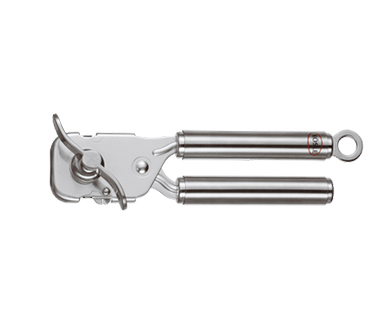
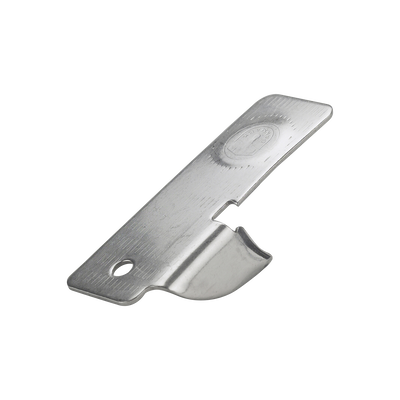
In our range, you will find two types of can openers: the classic traditional can opener and can openers with a cutting wheel.
The classic can opener is familiar to most people. From the flat handle, a pointed tip breaks through the hard surface of the can with a firm twist. The opener is then moved around the rim of the can by working it up and down. Once you have gone all the way around the edge, the lid can be lifted off.
A more modern option is the can opener with a cutting wheel. Here, the can is gripped and held in place by the opener, and you open it by turning the handle. This type is very easy to use and requires very little force, which can be an advantage if you have reduced strength or limited hand mobility.
If you find a standard can opener difficult to use, a model with a cutting wheel may be the right solution. You can also explore more tools in kitchen utensils or browse other kitchen utensils for more practical options.
How do you open a can without a can opener?
Anyone who has had a can but no opener knows how frustrating it can be. On a hike or a simple camping trip, it is easy to forget to pack one.
There is a trick you can use if needed, but it is not recommended for everyday use at home because it is awkward and can make a mess:
1. Find a flat, hard surface. This could be a large stone or a concrete floor.
2. Rub the can against the surface. Hold the can horizontally and rub the top rim back and forth against the hard surface. It is important to rub along the edge where the lid is sealed to the can.
3. Be patient and careful. Keep rubbing the can against the surface until the metal starts to wear thin.
4. Check the lid. After a while, see whether the lid has loosened. If the metal has become thin enough, you may be able to remove all or part of the lid carefully using a spoon or another blunt object.
5. Watch your fingers. When the lid comes off, be aware of sharp edges so you do not cut yourself.
The lid opener. For easier opening of jars, bottles and tubes
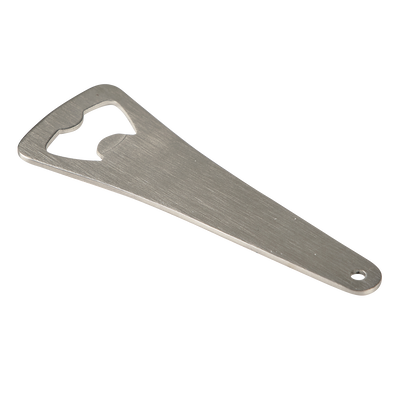
Most people know the tightly sealed jar or bottle lid that seems impossible to loosen. After trying with a tea towel, the result is often a damaged lid or the need to hand the task over to someone with stronger hands.
If you are tired of struggling with glass jars, bottles and tubes, a lid opener can make the job easier. With the right opener, you can get a better grip on stubborn lids and reduce the force needed to twist them open.
For older users or people with reduced strength, kitchen tools that support independence can make a real difference in everyday cooking tasks. When comparing products in this category, it helps to think about whether your main need is opening cans, improving grip on lids, or handling both with less effort.
If you are looking at related tools, you can continue to categories such as egg slicers, garlic presses, ice cream scoopers, food tweezers, kitchen scissors and poultry shears and vegetable and potato peelers.
The food can. An invention that changed everyday storage
French and English history includes many disputes, and the invention of the food can is one more topic that has been debated. It is said that the Frenchman Nicolas Appert discovered around the year 1800 that food would keep longer in sealed glass containers. However, it was the Englishman Peter Durand who, in 1810, received the first patent for what later became known as the food can.
Whether the credit belongs to France or England, the can has become an essential part of households around the world. Fish, vegetables, meat, fruit, soups and many other foods are stored beneath a tightly sealed lid and can keep for years.
Every year, very large quantities of food and drink are preserved in cans. The exact number is difficult to determine, but it is estimated to run into the billions.
Lid & Can Openers for everyday kitchen tasks
Most kitchens regularly include cans, tubes and jars, so a good can opener or lid opener can be an important tool to have close at hand. In this category, you can compare classic openers that are simple in design with models that provide more help in everyday use. That makes it easier to choose according to the type of packaging you open most often and the amount of grip or force you want the tool to require.
Frequently asked questions
How do I choose between a can opener and a lid opener?
A practical place to start is by thinking about what you open most often in your kitchen. If you mainly open food cans, a can opener is the right tool, while a lid opener is better for jars, bottles and tubes. In everyday use, this means you can choose a tool that matches the packaging you handle most regularly.
What is the difference between a classic can opener and one with a cutting wheel?
A classic can opener uses a pointed tip to break the can surface and is worked around the rim by hand. A can opener with a cutting wheel grips the can and opens it by turning a handle. In practice, this helps you choose between a familiar manual design and an option that needs less force.
Which type of can opener is easier to use if I have reduced hand strength?
The category text explains that a can opener with a cutting wheel is very easy to use and requires very little force. This can be helpful for older users or people with arthritis or limited hand mobility. In everyday use, this means opening a can may feel more manageable than with a standard opener.
How do you use a traditional can opener?
With a traditional can opener, the pointed tip is pressed through the lid with a firm twist. The opener is then moved up and down around the rim until the lid can be lifted off. This makes it easier to understand how the tool works before choosing one for regular use.
How do you use a can opener with a cutting wheel?
A cutting wheel can opener holds the can in place while you turn the handle to open it. The mechanism does more of the work for you than a classic opener. In practice, this helps you open cans with less hand force and a steadier grip.
Can I open a can without a can opener?
Yes, the text describes an emergency method where the can rim is rubbed against a flat, hard surface until the metal wears thin. It also explains that this is not recommended for everyday use at home because it is awkward and can make a mess. In practice, this means it is best treated as a last resort rather than a normal kitchen method.
What is a lid opener used for?
A lid opener is used to help open tightly sealed jars, bottles and tubes. It improves grip and reduces the force needed to twist a lid open. This makes it easier to handle stubborn packaging in everyday cooking tasks.
What should I look at when comparing lid and can openers online?
It helps to compare products based on what type of packaging you open most often and how much grip or force you want the tool to require. The text also suggests looking at whether you prefer a classic design or a mechanism that is easier to use. In everyday use, this helps you narrow your filtered choices to tools that suit your hands and kitchen routine.