What can you make in an æbleskiver pan?
The obvious answer is æbleskiver, but this type of pan can also be used for more than the classic round pancake balls. If you are looking at pans with round moulds, they can also be useful for dishes where an even, rounded shape makes a difference.
You can, for example, try potato rösti, egg muffins or meatballs in this kind of pan. A pan with separate moulds helps you create a neat round shape for everything from æbleskiver and meatballs to mini omelettes or different kinds of muffins. That is often what makes this pan stand out when you compare it with other pans in the category.
If you want a pan that is useful beyond one season, this can be a practical choice. It gives you more ways to use the pan during the rest of the year instead of only taking it out for traditional festive baking. When browsing the category, it can therefore help to think about whether you want a pan mainly for classic æbleskiver or one you can also use for other small, round dishes.
Why choose a pancake or crepe pan?
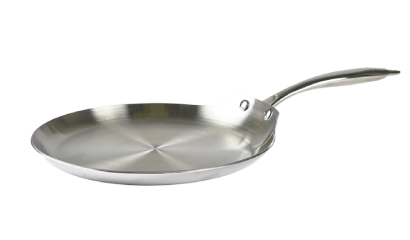
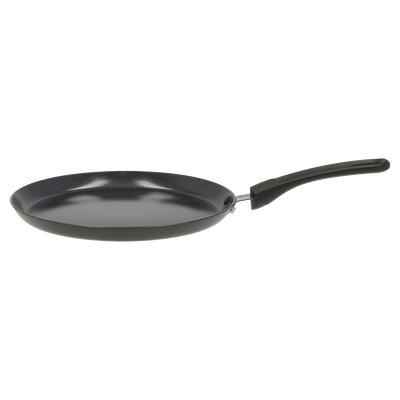
If you often make pancakes, a dedicated pancake or crepe pan can make the process easier than using a standard frying pan. The main difference is the shape. These pans are designed so that you can work more easily with thin batter and turn the pancake without much effort.
The very low sides make it simpler to slide a spatula under the pancake, which is especially helpful when making thin pancakes or crêpes. The non-stick coating also helps the pancake release more easily from the surface. When you are comparing products on this page, these are the details many people look at first: the pan shape, how easy it is to turn the pancake, and whether the pan suits the type of hob they use.
You will find pancake pans and crepe pans from well-known brands, as well as pans for induction and other types of cookers. A practical way to choose is to start with the kind of pancakes you usually make. If you prefer very thin French-style pancakes, a crepe pan is the natural place to start. If you make more classic pancakes and want easy turning, a pancake pan can be the better match.
It can also help to keep a spatula in mind when you compare your options, as the low sides of the pan are made for easy access underneath the pancake. For most situations, that combination is what makes a dedicated pancake pan different from an ordinary frying pan.
How to compare pans in this category
When you explore this category, it helps to move from the general choice to the more specific one. First, consider whether you are looking for a crepe pan for thin pancakes, a pancake pan for easy flipping, or a pan with round moulds for æbleskiver and similar recipes. From there, you can narrow down the selection by the kind of cooker you use and the pan style you prefer.
For many shoppers, the key comparison is between a specialist pan and an everyday pan. If you already use a standard frying pan, you may be deciding whether a dedicated pancake or crepe pan would make preparation easier. The category is useful here because it gathers the more specialised options in one place, so you can compare them directly instead of looking through general-purpose pans.
If you are building a broader cookware selection, you can also continue through the wider kitchenware range or go straight to pots and pans to compare these pans with other cookware types. That makes it easier to see where a crepe pan fits in relation to the rest of your kitchen equipment.
Find the right pan for your kitchen
This page is part of a wider cookware selection, so it can also be a useful starting point if you are comparing several pan types at once. You may begin with a crepe pan, then decide you also want to look at other pieces depending on what you cook most often.
For example, some shoppers compare specialist pans with complete cookware sets if they want several matching pieces at once. Others move from crepe pans to more general items such as pots, saucepans or saute pans to round out their cookware collection.
If you want to compare cooking styles across the same cookware section, it is also easy to continue to grill pans and griddles or wok pans. These categories solve different cooking tasks, but browsing them side by side can make it clearer whether you need a pan for thin pancakes, high-heat stir-frying, grill marks, or more all-round stovetop cooking.
That broader overview is often useful in a webshop, because it lets you move from one cooking need to another without losing track of the category structure. You can begin with a specialised item like a crepe pan, then compare it with other pan types in the same cookware area.
A cookware category with room to compare
Crepe pans are part of a larger kitchen range that includes both cookware and other kitchen essentials. On this page, the focus is on pans for thin pancakes, classic pancakes and round æbleskiver-style cooking, but the wider cookware section gives you several natural next steps if you want to compare further.
If you are still deciding what kind of pan suits your cooking best, this category helps by narrowing the choice to the pans made specifically for pancakes and crepes. That makes it easier to compare shape and purpose before moving on to other cookware sections. Some users arrive here looking only for a crepe pan, while others use the page as part of a broader search through pots and pans for the kitchen.
Whichever route you take, the layout of the category supports a simple process: start with the type of dish you want to make, compare the pans designed for that task, and then continue to related cookware if you need more than one kind of pan. This gives you a clearer overview of the options without mixing specialist pans with cookware meant for completely different uses.
Frequently asked questions
What is the difference between a crepe pan and a standard frying pan?
A crepe pan is designed with very low sides, which makes it easier to work with thin batter and turn the pancake with a spatula. In everyday use, this means that you can slide underneath the pancake more easily than with a standard frying pan.
Why would I choose a dedicated pancake or crepe pan?
If you often make pancakes, a dedicated pan can make preparation simpler because the shape is made for thin pancakes and easy turning. In practice, this helps you handle the batter and flip the pancake with less effort than in an ordinary pan.
How do I choose between a crepe pan and a pancake pan?
A practical starting point is the type of pancakes you usually make. If you prefer very thin French-style pancakes, a crepe pan is the natural choice, while a pancake pan can be better for more classic pancakes where easy flipping matters.
What should I compare when looking at crepe pans?
The main things to compare are the pan shape, how easy it is to turn the pancake, and whether the pan suits your type of hob. This makes it easier to narrow your options to pans that match both your cooking style and your cooker.
Can an æbleskiver pan be used for anything other than æbleskiver?
Yes, the round moulds can also be useful for foods where an even, rounded shape is helpful, such as potato rösti, egg muffins, meatballs and mini omelettes. In practice, this helps you use the pan for more than one recipe instead of only bringing it out for festive baking.
How do I choose the right pan in this category?
It helps to start with the dish you want to make, such as thin crepes, classic pancakes or small round dishes in an æbleskiver-style pan. From there, you can move to narrower options by checking the cooker type you use and the pan style you prefer.
Is it worth comparing a specialist pan with everyday cookware?
If you already use a standard frying pan, comparing it with a specialist pancake or crepe pan can show whether a dedicated shape would make cooking easier. In everyday use, this means you can judge whether easier turning and better access with a spatula would improve the way you cook.
How can I browse this cookware area if I want to compare more than one pan type?
A useful approach is to begin with the pan made for your main cooking task and then continue to other filtered choices in the same cookware area. This makes it easier to compare a crepe pan with other options such as frying pans, sauté pans, grill pans or wok pans without losing track of what each pan is designed for.