Save 30%
Save 30%
Save 30%
Save 30%
Save 30%
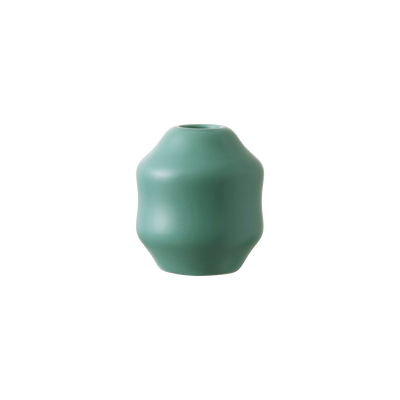
Save 30%
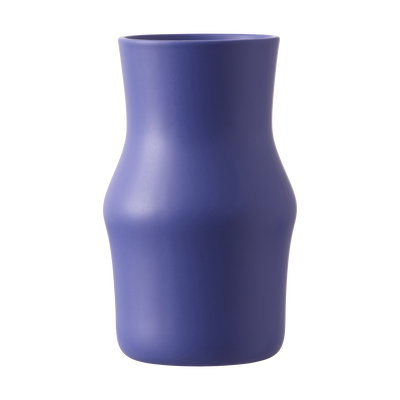
Save 30%
Which vase should you choose?
Vases are both decorative and practical, and they are used for flowers and similar arrangements. They come in different shapes, sizes and materials, and for many people they are an important part of how a room is styled.
A practical way to choose is to start with the purpose of the vase. If you need a vase for a bouquet, the size and shape should suit the flowers you want to place in it. If you are mainly looking for a decorative piece, you may focus more on form, colour and material. This category makes it easier to compare those differences, so you can move from a broad overview to a more specific choice.
You can also use the page as a starting point if you are browsing within home decor or looking through the wider selection of decor and interior. From here, it becomes easier to narrow your choice by size, look and material.
What can vases be used for?
One useful thing about vases is that they do not need to be put away when they are empty. A vase can also be used as a decorative object on its own. It can be placed in the living room, kitchen, bedroom, hallway or bathroom, depending on the look you want to create.
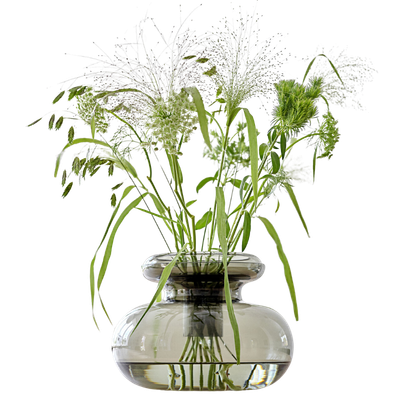
Of course, vases are also made to hold something. They can be used for fresh flowers, dried flowers, paper flowers, grasses and branches. Some people choose a single vase as a simple detail, while others combine several vases in different heights or shapes to create a more varied arrangement.
A vase can stand on its own, or it can be styled together with other decorative items. For example, you can combine it with dishes and bowls, candlesticks and tealight holders, or other decor. If you want to build a fuller display, you can also place vases near figurines and sculptures, lanterns or mirrors.
When people explore this category online, they often begin with the overall look they want and then compare how a vase works with other items in the room. If you are decorating a wall area or hallway, you might also look at frames and posters, wall and alarm clocks, hooks and coat racks or bulletin boards and accessories. For plant-based styling, flower pots and planters can be a natural related choice, and for practical decorative storage you can explore storage baskets.
How can you help flowers last longer in a vase?
If you have received or bought a fresh bouquet, you will probably want it to last as long as possible. There are several simple steps you can try when arranging flowers in a vase.
Start by removing the lower leaves, as leaves in the water can quickly decay. Cut the stems at an angle by at least 2 cm, so the flowers can absorb the water they need. This can be repeated daily.
The type of water can also matter. Use cold water for bulb flowers such as tulips and hyacinths, and warm water for flowers with woody stems, such as lilacs and roses. For mixed bouquets, lukewarm water is suitable.
You can add the flower food included with the bouquet, or a teaspoon of icing sugar to the water. Change the water every day unless flower food has been added. It also helps to place the bouquet away from high temperatures and not close to fresh fruit, which encourages ripening. Keeping flowers cool overnight can be useful, and if some flowers wilt faster than others, remove them from the bouquet.
If you would prefer an arrangement that lasts longer, dried flowers or grasses can also be used in a vase.
How do you clean vases?
For everyday cleaning, a simple routine is often enough unless the vase is very dirty or has limescale marks.
First, empty the vase completely. Then wash it with water and washing-up liquid. Finally, dry it with a clean tea towel. This basic method is suitable for regular care and helps keep the vase ready for its next use.
How do you remove limescale from vases?
Limescale can be difficult to avoid, especially in areas with hard water. There are several methods you can use to remove it, using ingredients many people already have at home.
Water and 1 teaspoon of baking powder
If you have time, mix water and baking powder in the vase and leave it for a couple of days with household film over the top.
2 parts water and 1 part white vinegar
White vinegar is an effective way to deal with limescale. Fill the vase with 2 parts water and 1 part white vinegar and leave it for about 1 hour.
1 part water, 1 part vinegar and 1 tablespoon of bicarbonate of soda
A quicker method is to use 1 part water, 1 part vinegar and 1 tablespoon of bicarbonate of soda, then leave it in the vase for about 10 minutes.
After using one or more of these methods, empty the vase, wash it with water and washing-up liquid, and dry it with a clean tea towel.
Personalise your home with vases
A vase can be a central design element in many interiors. It can add colour, texture and character to a room, and it gives you different ways to shape the overall expression of the space.
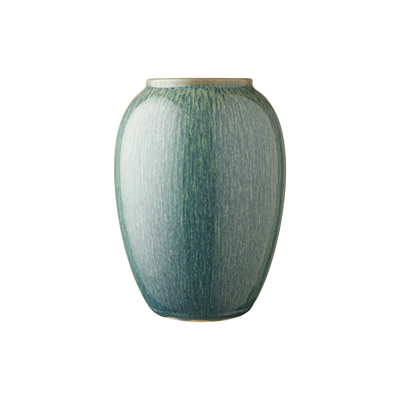
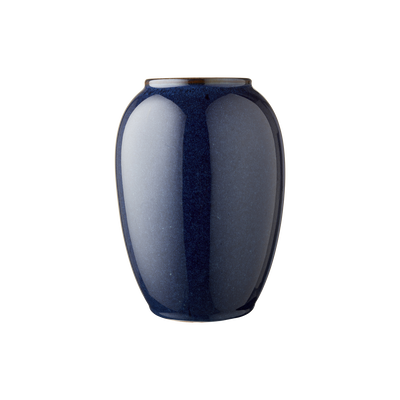
There are many kinds of vases to compare, including large vases, small vases, floor vases, ceramic vases, crystal vases, stoneware vases, coloured vases, tall vases, low vases, slim vases and rounded vases. Looking at these differences side by side makes it easier to narrow down what suits your room and your intended use.
There are also many design directions. Some vases have a classic and timeless look, such as flower vases in mouth-blown glass. Others have a more distinctive and artistic expression, with asymmetrical shapes, patterned surfaces or sculptural forms that stand out on their own.
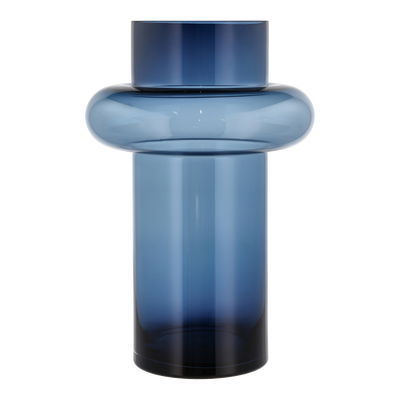
The material also changes the look. Glass is a popular choice because its transparency highlights the flowers. If you are mainly interested in this material, you can browse glass vases for a more focused selection. Ceramic and porcelain can give a more organic feel, while other vases may be made from metal, wood, paper or plastic.
If you prefer to shop by brand, this category also makes that easier. You can continue to BITZ vases, Lyngby vases or Morsø vases if you already know the style you want to explore further.
Whether a vase is filled with fresh flowers or displayed on its own, it can be a useful part of the home. By comparing shape, size, material and style within the category, it becomes easier to find a vase that works for your space and the way you want to use it.
Frequently asked questions
How do I choose the right vase?
A useful starting point is to think about what you want the vase to do. If it is for a bouquet, the size and shape should suit the flowers, while a decorative vase can be chosen more for its form, colour or material. In practice, this helps you narrow your choice by looking at use first and appearance second.
What can a vase be used for besides fresh flowers?
A vase can also be used as a decorative object on its own, even when it is empty. It can hold dried flowers, paper flowers, grasses or branches as well as fresh flowers. In everyday use, this means that a vase can stay part of your room styling all year round.
Can I use vases in different rooms of the home?
Yes, vases can be placed in the living room, kitchen, bedroom, hallway or bathroom depending on the look you want. Some people use one vase as a simple detail, while others group several together in different heights or shapes. This makes it easier to adapt a vase to both small and larger spaces.
How can I make fresh flowers last longer in a vase?
Start by removing any leaves that would sit below the water line, then cut the stems at an angle by at least 2 cm. Use the right water temperature for the flowers, and change the water daily unless flower food has been added. In practice, this helps the flowers take up water more easily and keeps the arrangement fresher for longer.
What kind of water should I use for flowers in a vase?
Cold water is suitable for bulb flowers such as tulips and hyacinths, while warm water is better for flowers with woody stems such as lilacs and roses. For mixed bouquets, lukewarm water is a suitable option. This makes it easier to care for different types of flowers in a simple and practical way.
How do I clean a vase for everyday use?
First empty the vase completely, then wash it with water and washing-up liquid. After that, dry it with a clean tea towel. In everyday use, this simple routine is often enough to keep the vase clean and ready to use again.
How do I remove limescale from a vase?
You can try water with baking powder, a mixture of 2 parts water and 1 part white vinegar, or a quicker mix of equal parts water and vinegar with 1 tablespoon of bicarbonate of soda. After soaking, wash the vase with water and washing-up liquid and dry it with a clean tea towel. In practice, this helps loosen limescale using common household ingredients.
What should I compare when browsing different vases online?
It helps to compare shape, size, material and overall style, depending on how you want to use the vase. For example, you might look at whether you prefer a tall or low shape, clear glass or ceramic, or a simple or more sculptural design. This makes it easier to move from a broad overview to more specific selections that suit your room.