
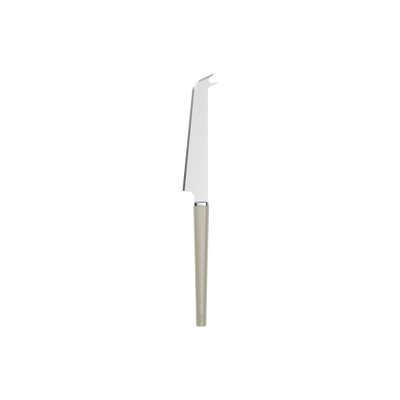
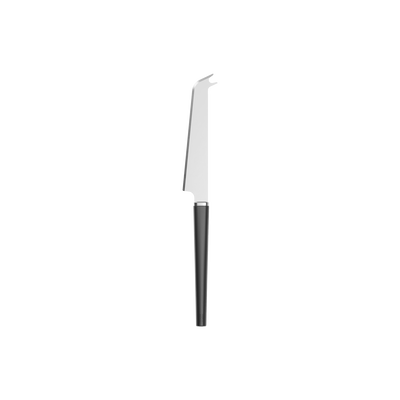
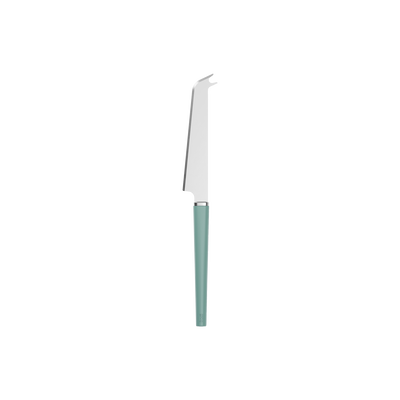
Save 30%
Make your cheese serving more considered
Cheese is a distinctive food with a wide range of textures and flavours. It can be part of a simple breakfast and can also take a central place when serving guests. Soft cheeses bring a creamy texture and delicate flavour, while hard cheeses are firmer and often need a different way of cutting. Because cheese varies so much, the tools used to serve it vary too.
That is why this category includes more than one type of knife. Some people are looking for a single knife for a favourite cheese, while others want a set that covers several varieties on one board. As you browse Cheese Knives & Sets, it helps to start with the kind of cheeses you usually serve and then narrow your choice by whether you need one tool or a complete set.
If you are exploring the wider range of flatware and cutlery, this page is a more specific place to compare tools intended for cheese. Within serving utensils, cheese knives and sets are the part of the assortment designed for serving and cutting cheese with more control.
Find the right cheese knife for the way the cheese is cut
Which knives are used for cheese?
It is possible to use ordinary kitchen knives when serving cheese, but cheese knives and sets give a more coherent look on the table when cheese is part of the menu. They are also made with this specific task in mind, which can make cutting and serving easier depending on the cheese in front of you.
Two points matter when choosing a good cheese knife. First, it needs to be sharp. This is especially important for hard cheeses, where the knife must be able to work through the firm centre more easily. Second, it should feel comfortable in the hand. A comfortable grip helps when you are cutting several portions or serving different cheeses in the same sitting.
When comparing products on the page, a practical way to choose is to look at whether you need a knife for daily use or a set for a fuller cheese presentation. Some shoppers start with the visual style they want on the table, then compare how many pieces are included. Others begin with function and focus on which cheeses they most often serve. Both approaches make sense in this category.
Why do some cheese knives have holes?
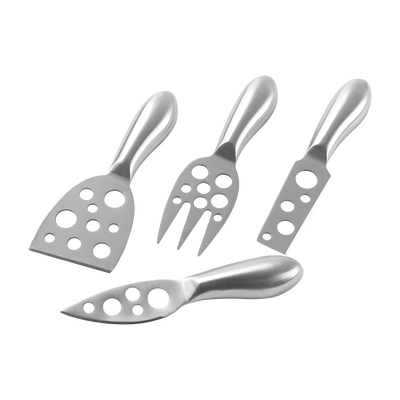
When cutting soft or creamy cheeses, a standard kitchen knife can stick to the surface because the cheese is tacky. This can lead to pieces that crumble or lose their shape while you cut. Cheese knives with holes in the blade are designed to reduce this problem.
The holes allow air to pass through, which reduces the suction that can build up between the cheese and the knife. In everyday use, this helps the blade move through the cheese more smoothly and makes it easier to cut neat pieces without damaging the texture. If you often serve soft cheeses, this is one of the most useful features to look for when comparing knives in the assortment.
For shoppers deciding between a single knife and a set, this is often where the choice becomes clearer. If soft cheeses are what you serve most, one well-chosen knife may be enough. If your cheese board usually includes several textures, a set gives you more flexibility across the different cheeses.
Which cheese knives do you need?
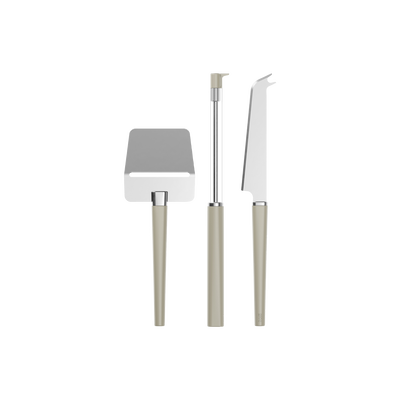
When cheeses are not in a simple rectangular shape, the classic cheese slicer is not always the most useful tool. That is where a cheese set becomes more relevant. A classic cheese set will often include three knives that cover different cheese types and consistencies:
Soft cheese knife
Hard cheese knife
Butter knife
This kind of set makes it easier to serve a varied cheese selection, because each knife is intended for a different texture or task. For someone who enjoys putting together a mixed cheese plate, a board with three knives can be a practical solution. If you mainly return to one preferred cheese, a single knife may be sufficient.
As you move through the category, it can help to think in stages. First, decide whether your needs are broad or simple. Then compare the knives by intended use: soft cheese, hard cheese or spreading. Finally, look at whether you want an individual piece or a coordinated set for the table. This step-by-step way of browsing makes the category easier to navigate and makes comparison more straightforward.
You may also find that cheese knives are part of a broader serving setup. If you are arranging several dishes alongside cheese, it can be useful to continue into other utensil categories, such as serving forks, ladle spoons and soup ladles. These can be useful next steps if you are planning a table setting with more than cheese alone.
Choose cheese knives and sets for everyday use or serving
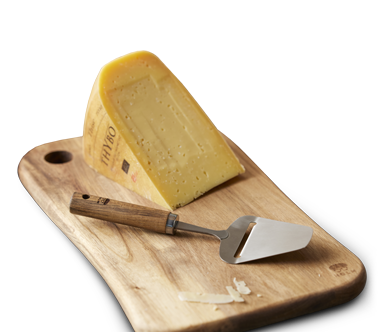
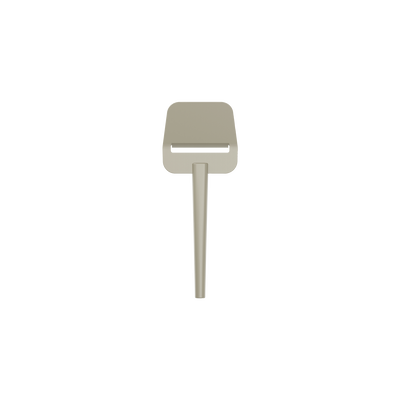
Some cheese tools are chosen for routine use, while others are better suited to a more complete serving arrangement. A classic cheese slicer can cover everyday tasks, especially when you want a simple and familiar tool. A cheese set, on the other hand, is often the better option when presentation matters as much as the cutting itself.
For most situations, the choice comes down to range and purpose. If you want one tool for one type of cheese, keeping it simple can work well. If you want to serve different cheeses together, a set helps you cover more textures with tools suited to each one. This is why the category supports comparison so well: it lets you move from a broad choice between single knives and sets to a more specific decision based on consistency and serving style.
As you browse, it is useful to compare how the products support the kind of serving you have in mind. Some shoppers know exactly which tool they need. Others arrive at the category with a general idea and refine their choice by looking at the different knife types included in a set. Whether you are replacing one knife or choosing a more complete solution, the assortment is organised to help you move from general needs to a more precise selection.
Cheese can be served in many ways, and the right utensil depends on texture, shape and how varied your selection is. That is what makes Cheese Knives & Sets a focused category within serving utensils. It helps you compare options according to actual serving needs, so it becomes easier to choose the tool or set that matches the cheeses you serve.
Frequently asked questions
How do I choose between a single cheese knife and a cheese knife set?
A single cheese knife can be enough if you usually serve one type of cheese or have a clear preference for a particular texture. In practice, a set is more useful when you serve a mix of soft, hard and spreadable cheeses, because it gives you tools suited to different tasks.
What should I look for in a good cheese knife?
Two main points are highlighted: the knife should be sharp and it should feel comfortable in your hand. In everyday use, this means that firmer cheeses are easier to cut and the knife is easier to control when serving several portions.
Why do some cheese knives have holes in the blade?
Holes in the blade help reduce the suction that can happen when soft or creamy cheese sticks to the knife. In practice, this helps you cut neater pieces and makes it easier to move through soft cheese without damaging its shape.
Which cheese knives do I need for different cheeses?
If you serve a variety of cheeses, a classic set often includes a soft cheese knife, a hard cheese knife and a butter knife. This makes it easier to match the tool to the cheese texture, whether you are cutting, portioning or spreading.
Is a cheese knife better than an ordinary kitchen knife for serving cheese?
Ordinary kitchen knives can be used, but cheese knives are designed with cheese serving in mind and often look more consistent on the table. In everyday use, this means they can make cutting and serving easier depending on whether the cheese is soft, hard or creamy.
How can I narrow down the right cheese knife on a webshop?
A practical way to start is by thinking about the cheeses you usually serve and whether you need one tool or a complete set. This makes it easier to compare filtered choices by intended use, such as knives for soft cheese, hard cheese or spreading.
When is a cheese set more useful than a classic cheese slicer?
A classic cheese slicer can work well for everyday tasks when you want a simple and familiar tool. A cheese set becomes more useful when your cheese board includes different shapes and textures, because it helps you serve a wider range more effectively.