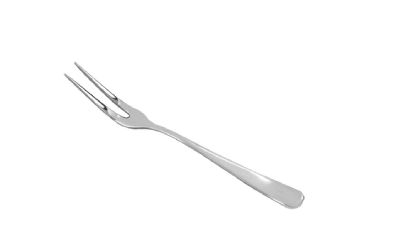
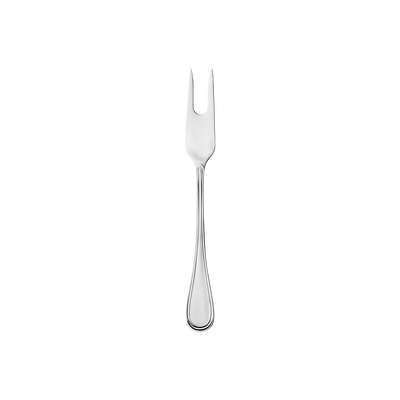
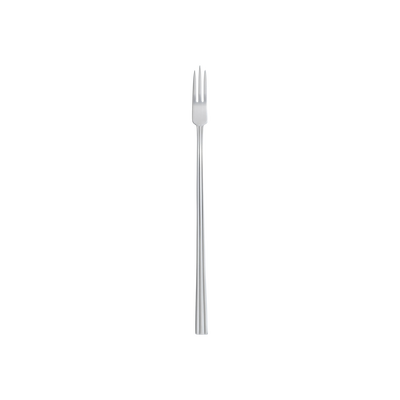
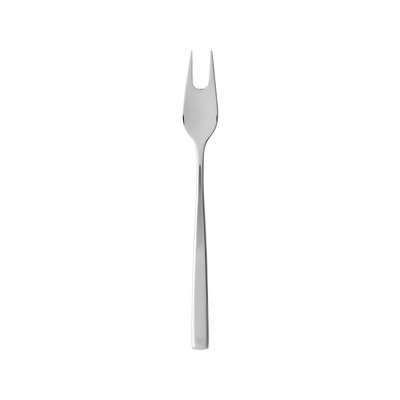
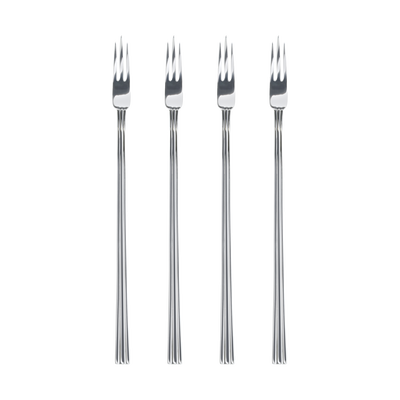
A serving fork should be both practical and pleasing on the table
Your serving pieces deserve more than an ordinary dinner fork. With the right serving utensils, a serving fork can add the final detail to the way food is presented, whether you are serving tapas, cold cuts or fresh vegetables.
At the same time, a serving fork offers a clear practical benefit. The pointed tines make it easier to pick up small pieces neatly and give you better control while serving. That is why many people look for a serving fork that works well and also suits the rest of the table setting.
If you are browsing more broadly before choosing, you can also explore the wider selection of flatware and cutlery to see how serving forks fit into the overall range.
Which serving forks should you choose?
For many people, the choice comes down to personal preference, but also to the occasions when the fork will be used. Small serving forks are especially suitable for tapas and other small dishes, where it helps to have a compact piece that is easy to handle. Other designs have a more timeless and elegant look, which can feel like a natural choice when presentation matters as much as function.
A practical way to choose is to start with the kind of serving you prepare most often. If you mainly need a fork for small shared dishes, appetisers or items on a platter, a smaller serving fork will usually be the most suitable option. If you are looking for something with a more refined look for dinners and special table settings, design and finish may play a bigger role in your decision.
This category helps you compare those differences in a straightforward way. Rather than looking through many types of cutlery at once, you can focus on serving forks and decide which style best matches your serving habits and table setting.
What are serving forks used for?
The most obvious use is serving cold cuts, but serving forks are not limited to that. They are also well suited to small dishes, fruit, vegetables and desserts. Their shape makes them versatile serving tools that can be used for many different foods at the dining table.
In everyday use, this makes them a useful choice when you want to serve neatly without reaching for standard eating cutlery. A serving fork gives a more considered impression and is often easier to use for small portions, especially when food needs to be lifted, picked up or placed carefully.
For most situations, the benefit lies in the balance between control and presentation. You can use the same type of fork across different kinds of dishes while still keeping the serving setup consistent and tidy.
How many serving forks do you need?
The number you need depends on household size and how often you use them. For most homes, a couple of serving forks is usually enough for day-to-day meals and simple serving. If you often arrange larger table settings or serve several dishes at once, it can be useful to have a few extra available.
When choosing quantity, it can help to think about how you typically serve food. If one fork is enough for a single platter or bowl, then a small number may cover most needs. If you often put several dishes on the table at the same time, having more than one serving fork makes serving easier and keeps each dish paired with its own utensil.
This is often how shoppers move through the category on a webshop: first deciding what the fork should be used for, then narrowing down style, and finally considering how many pieces are needed for regular use or larger occasions.
How to use serving forks in different servings
Using serving forks as part of a serving setup can add an extra finishing touch to everyday meals as well as more carefully arranged table settings. They are small details, but they help create a more complete presentation while also making food easier to serve.
Serving antipasti and small shared dishes
A serving fork works well for antipasti and similar arrangements with cheese, ham, olives, bread and other small items placed together on a platter or board. Here, the fork helps guests pick up individual pieces more neatly and makes the presentation feel more considered. If you are putting together a wider serving setup, you may also want to compare related items such as cheese knives and sets.
Serving desserts and smaller sweet dishes
Serving forks can also be used when placing slices of cake or smaller desserts. They are useful when the portion is delicate or when you want a more precise way to lift and serve than a standard dining fork allows. If you are looking for other pieces for this part of the table, it can also be helpful to browse the broader serving utensils category and compare which tools suit different dishes best.
Tapas and informal shared meals
For tapas evenings and other meals built around sharing several small dishes, serving forks are a practical option for picking up pieces from different plates and bowls. Their compact size makes them especially suitable for foods served in smaller portions, and they fit naturally into a table setting where several serving pieces are used at once.
Depending on what you are serving alongside these dishes, you might also need utensils for sauces, dressings or liquids. In that case, related categories such as ladle spoons or soup ladles can be useful to compare with serving forks as part of a complete setup.
Find serving forks at Kitchen Living Dining
On this page, you can explore serving forks for both everyday use and more special table settings. The category makes it easier to focus on one specific type of serving utensil and compare the options that suit your needs, whether you are looking for a small fork for tapas or a more timeless design for a neatly arranged table.
Many shoppers begin with the broad category and then narrow their choice based on use. First, they decide whether they need serving pieces for small dishes, desserts or cold cuts. Then they compare size and style to find the option that feels right for their way of serving. That makes this page a useful step between general browsing and a more specific decision.
If you want to continue exploring related categories, you can move from serving forks to other utensils used for shared dishes, soups or plated serving. This gives you a clearer overview of how different serving pieces work together and helps you choose the items that best match your table setting.
Kitchen Living Dining brings together serving utensils where function and appearance go hand in hand, making it easier to find pieces that suit both the food you serve and the way you want the table to look.
Frequently asked questions
What are serving forks used for?
Serving forks are commonly used for cold cuts, but they also work well for fruit, vegetables, desserts and small shared dishes. In everyday use, this means that one type of utensil can help you serve different foods more neatly and with better control.
How do I choose the right serving fork?
A practical way to choose is to start with the type of food you serve most often. In practice, this helps you decide whether a smaller serving fork is better for tapas and appetisers, or whether a more refined design suits dinners and more carefully arranged table settings.
When is a small serving fork the best option?
A small serving fork is especially useful for tapas, appetisers and other dishes served in small portions. This makes it easier to pick up individual pieces neatly and handle food more precisely on platters or in shared bowls.
Why use a serving fork instead of a standard dinner fork?
A serving fork is designed to give better control when lifting or placing small pieces of food. In everyday use, this means that serving can feel tidier and more considered than using ordinary eating cutlery at the table.
How many serving forks do I need at home?
The right number depends on your household and how often you serve several dishes at once. In practice, a couple of serving forks is often enough for regular use, while larger table settings may be easier to manage if each platter or bowl has its own fork.
Can serving forks be used for desserts?
Yes, serving forks can be useful for cakes and smaller desserts, especially when the portion needs to be lifted carefully. This makes it easier to serve delicate pieces more precisely than with a standard dining fork.
How can serving forks help with table presentation?
Serving forks combine practical use with a neater way of presenting food at the table. In everyday use, this means they can help shared dishes look more complete while also making food easier for guests to serve.
How can I narrow down the right serving fork when browsing online?
It helps to begin by deciding what you want the fork to be used for, such as cold cuts, small shared dishes or desserts. In practice, this makes it easier to compare narrower options by size, style and how often you expect to use them.