
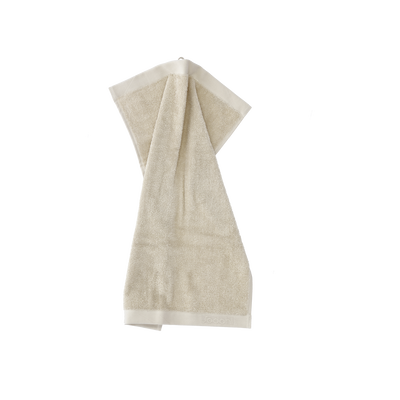
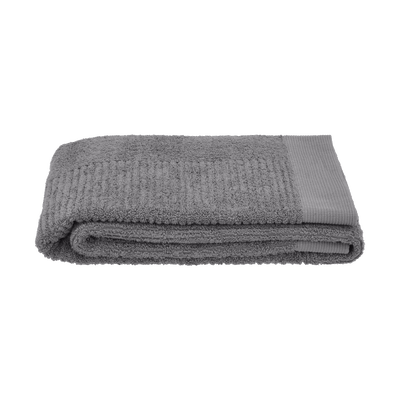
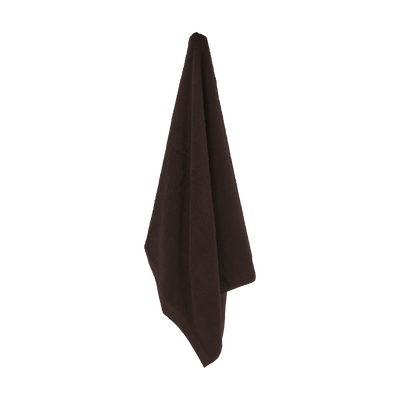
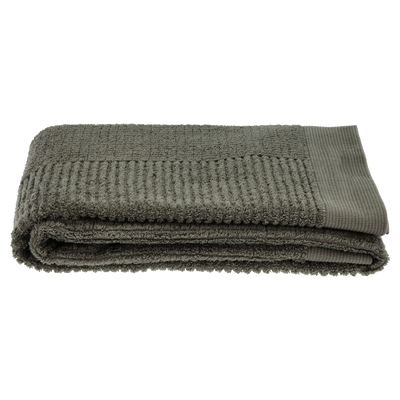
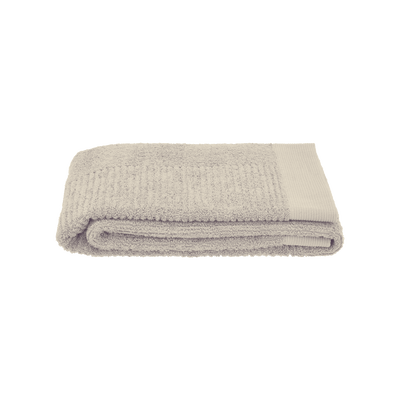
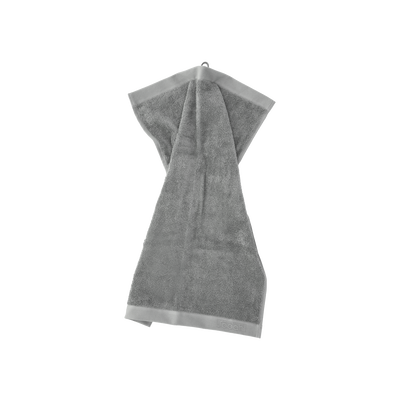
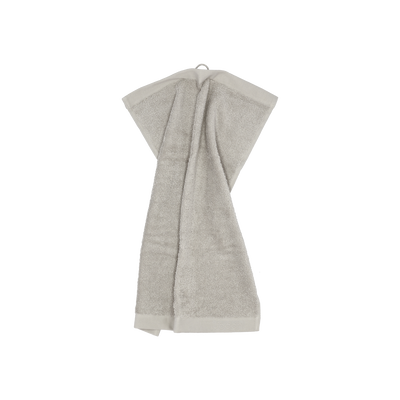

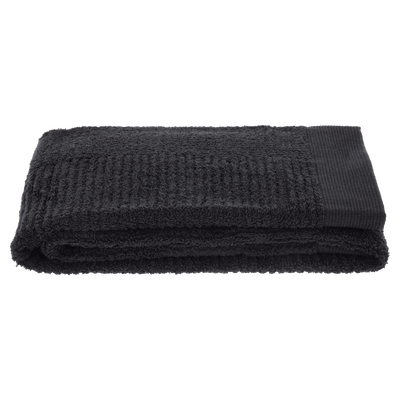
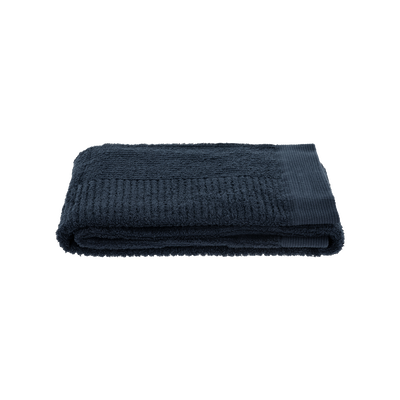
What types of towels are available?
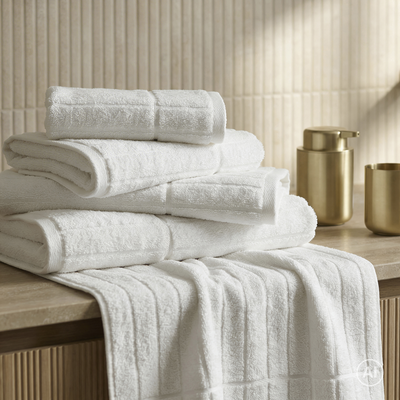
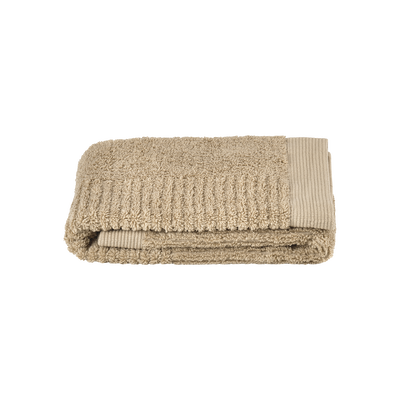
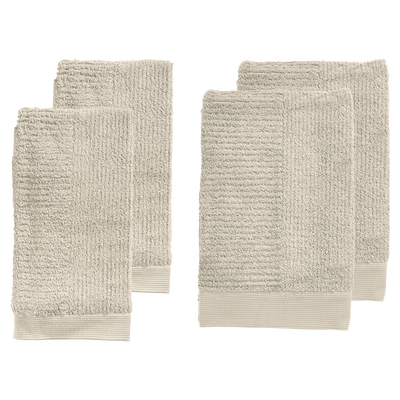
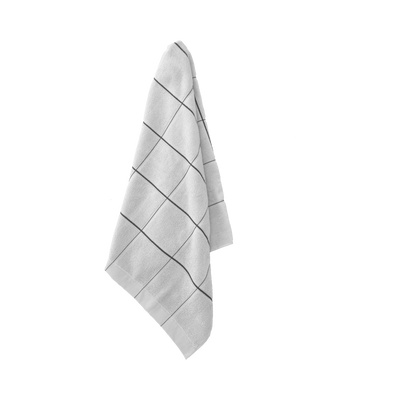
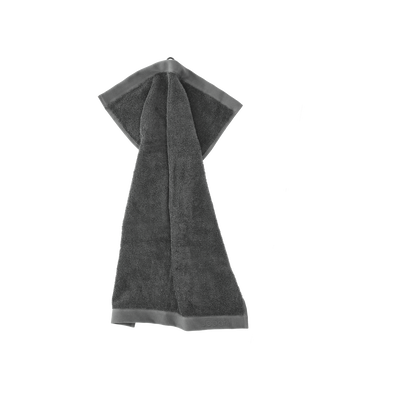
Towels come in different sizes and for different purposes, so a practical way to choose is to start with what you need them for. In this category, many shoppers compare sizes first and then narrow the choice by colour, brand and the rest of their bathroom accessories. Alongside classic towels, you may also be looking for bath towels, guest towels, beach towels, spa towels or washcloths.
The most common towel sizes are 30 x 30 cm washcloths, guest towels in 40 x 60 cm and 50 x 70 cm, standard towels in 50 x 100 cm and bath towels in 70 x 140 cm. These sizes give you a useful starting point when comparing products, especially if you want a mix of towels for different rooms and uses.
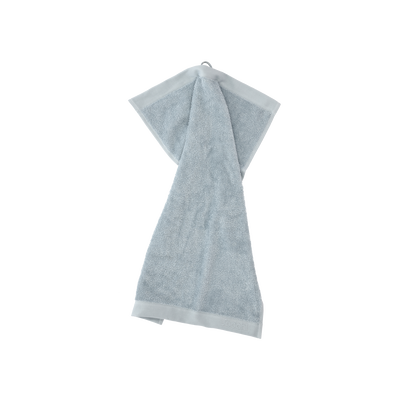
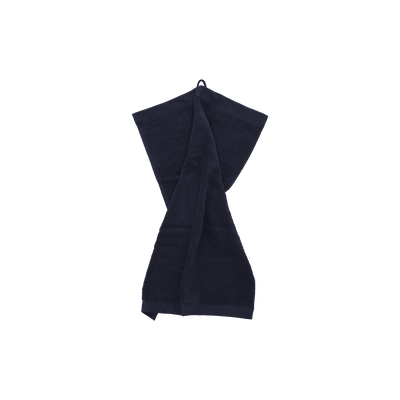
Washcloths are typically used for washing the face or body. They can also be used to wipe down the shower enclosure, taps and other surfaces after bathing to help avoid limescale build-up. Guest towels are often placed in a guest toilet or bathroom for drying hands, and the size also works well in the kitchen.
Towels in 50 x 100 cm can be wrapped around wet hair or used for drying hands. Bath towels in 70 x 140 cm are suitable for drying the body after a shower and can also be wrapped around the body. For most situations, choosing by size is the simplest way to decide what belongs by the sink, what belongs near the shower and what you want to keep ready for guests.
Most towels are made from cotton. This gives them good absorbency and a soft, comfortable feel against the skin. If you are comparing options within the category, material, size and colour are usually the main differences to look at first.
How many towels should you have?
The number of towels you need depends on several factors: how many people live in the household, how often the towels are used and how often you do laundry. That is why many people build their selection step by step, starting with bath towels and hand towels for daily use and then adding extras for guests or other occasions.
As a general guideline, it is useful to have at least three bath towels per person in the household, so there is always a clean towel available. For anyone who uses a 50 x 100 cm towel after washing their hair, it is also useful to have at least three of that size per person.
It can also help to keep a few extra bath towels and 50 x 100 cm towels for guests, sport, beach trips and similar situations. If you are planning a complete bathroom setup, many shoppers combine towel choices with other categories under home decor and especially bathroom accessories to create a more consistent overall selection.
Organic towels
There are many requirements that must be met before a product can be described as organic. Organic towels are made by suppliers working to organic standards. These suppliers meet strict requirements relating to product content, production methods, and the human and environmental conditions involved in production.
There are specific environmental requirements at all stages of manufacturing, including wastewater treatment, the quality of the finished product and social criteria based on key principles from the International Labour Organization, such as working conditions, wages and rights.
If you are specifically looking for organic textiles, it can be useful to compare the organic ranges within the towel selection and then match them with the colours and sizes you need for the rest of the bathroom.
Södahl towels
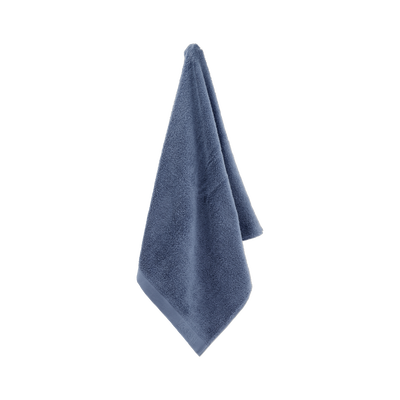
Södahl towels in 100% cotton are woven entirely from ring-spun yarns, giving soft towels with very high absorbency. The heavy terry fabric feels comfortable against the skin, and the towels are durable and suitable for everyday use. When browsing by brand, this makes Södahl a relevant choice if you want to compare cotton towels across several sizes and colours.
In everyday use, brand can be one of the easiest ways to narrow down a larger selection, especially if you already know which colours or bathroom accessories you want to match with your towels.
Zone Denmark towels
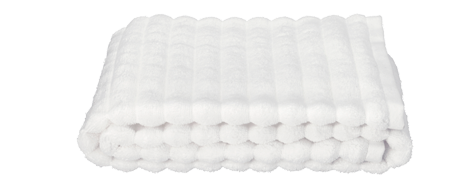
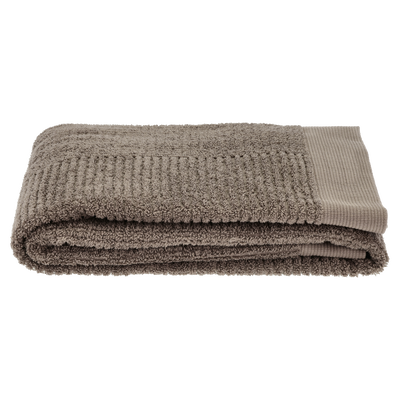
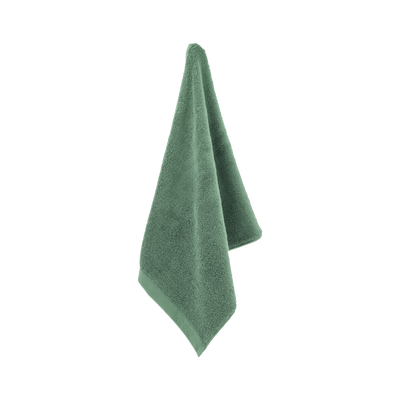
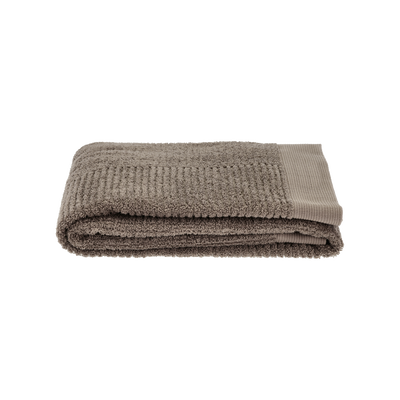
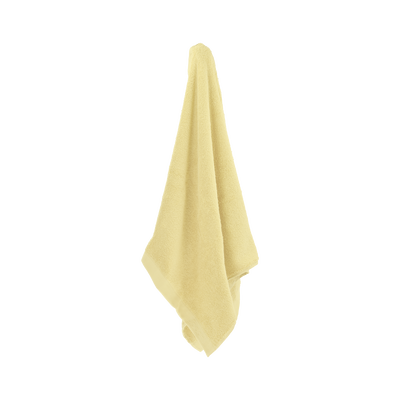
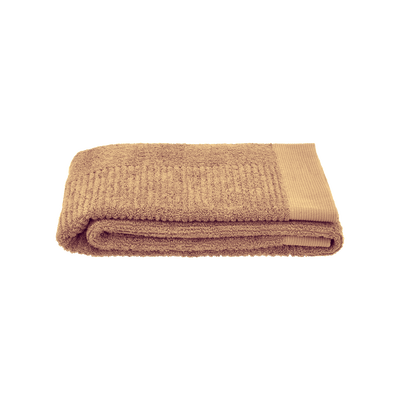
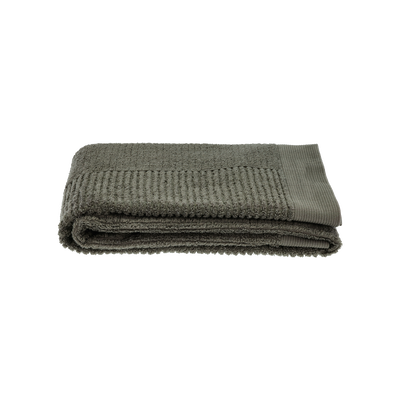
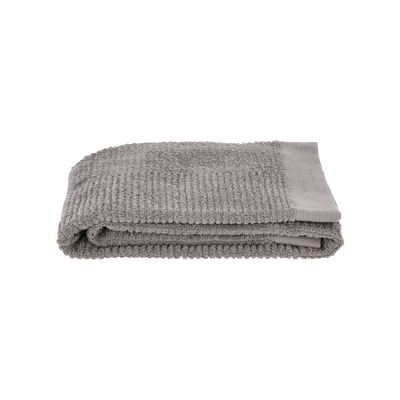
Thick, soft towels are a defining feature of towels from Zone Denmark. They are made from cotton, which feels pleasant against the skin and has excellent absorbency. The range makes it easy to choose a preferred colour and create a clear common thread in the bathroom, from muted natural shades to brighter tones.
If colour coordination matters to you, towels are often one of the first things to choose, because they can be matched with the rest of the room. You can combine towels with toothbrush holders, soap dishes, soap dispensers and pedal bins in similar shades for a calmer look.
Guide: how to wash towels correctly
Washing towels correctly helps you get the most from them and helps them stay soft for longer. If you are choosing towels for regular daily use, care instructions can also be part of your decision, especially if you want straightforward upkeep.
How do you wash new towels?
Before using new towels, it is recommended to soak them in cold water for 24 hours. This helps the cotton fibres open up and improves absorbency. It also removes any excess dye. Adding a small amount of clear vinegar to the water helps the towels hold their colour better, as the vinegar helps set the colour.
After that, wash the towels at 60 degrees. This also has a positive effect on absorbency. Then dry them in the tumble dryer, ideally on a cotton or towel programme.
What temperature should towels be washed at?
Towels should be washed often and at the correct temperature so that bacteria are removed. The recommended washing temperature for towels is 60 degrees.
After washing, they can be dried in different ways depending on your preference. Some people choose to air dry them first and then finish them briefly in the tumble dryer.
How often should towels be changed?
Towels should be changed regularly because they are often wet or damp. Experts recommend replacing bath towels after three uses or at least once a week. Hand towels should be changed more often, as they are used by several different people. If someone in the household is ill, towels should be changed after a single use.
How do you keep towels soft?
Fabric softener is often used to make towels soft and fragrant, but it is not good for the environment and can reduce absorbency. A practical alternative is clear vinegar, which has the same softening effect and also helps descale the washing machine. Another option is drying towels in the tumble dryer. If you want to reduce energy use, you can let them air dry first and then tumble dry them briefly.
Create a coordinated bathroom with matching accessories
A few well-chosen items can help create a more harmonious bathroom. If you are exploring beyond towels, related categories can help you build a fuller overview. You can pair towels with shower curtains and bath mats, and add details such as toilet brushes, bathroom mirrors, bathroom scales and other bathroom items.
If you want more of a spa-like feel, you can also explore spa, bath robes, sleepwear and scented candles and oils. Looking at these categories alongside towels can make it easier to choose colours and textures that work together across the room.
Frequently asked questions
How do I choose the right towel size?
A practical way to choose towels is to start with how they will be used. Washcloths are typically around 30 x 30 cm, guest towels are often 40 x 60 cm or 50 x 70 cm, standard towels are commonly 50 x 100 cm, and bath towels are usually 70 x 140 cm. In everyday use, this makes it easier to decide what to keep by the sink, what to use for hair drying and what to place near the shower.
What is the difference between a towel, a bath towel and a guest towel?
The main difference is size and intended use. Guest towels are mainly used for drying hands, standard towels in 50 x 100 cm can also be wrapped around wet hair, and bath towels in 70 x 140 cm are designed for drying the body after a shower. In practice, this helps you choose the right towel for each room and routine.
What material are most towels made from?
Most towels are made from cotton. Cotton is commonly chosen because it offers good absorbency and feels soft and comfortable against the skin. This makes it easier to compare options by focusing first on material, size and colour.
How many towels should I have at home?
The number depends on how many people live in the household, how often the towels are used and how frequently you do laundry. A general guideline is to have at least three bath towels per person, and at least three 50 x 100 cm towels per person if that size is used for hair drying. In everyday use, this means there is usually a clean towel ready when one is in the wash.
How should I wash new towels before using them?
Before first use, it is recommended to soak new towels in cold water for 24 hours so the cotton fibres can open up and absorbency can improve. A small amount of clear vinegar can be added to help the towels hold their colour better, and they should then be washed at 60 degrees. In practice, this helps prepare the towels for regular use from the start.
What temperature should towels be washed at?
The recommended washing temperature for towels is 60 degrees. Towels are often damp after use, so washing at the correct temperature helps remove bacteria. This makes it easier to keep towels suitable for everyday bathroom use.
How often should towels be changed?
Bath towels should generally be replaced after three uses or at least once a week. Hand towels should be changed more often because they are often used by several people, and if someone in the household is ill, towels should be changed after a single use. In everyday use, this helps keep the bathroom routine more hygienic.
How can I keep towels soft without reducing absorbency?
Fabric softener can reduce absorbency, so a practical alternative is clear vinegar, which can soften towels and also help descale the washing machine. Tumble drying can also help keep towels soft, and some people air dry them first and then tumble dry them briefly. This makes it easier to keep towels comfortable to use without affecting how well they absorb moisture.